
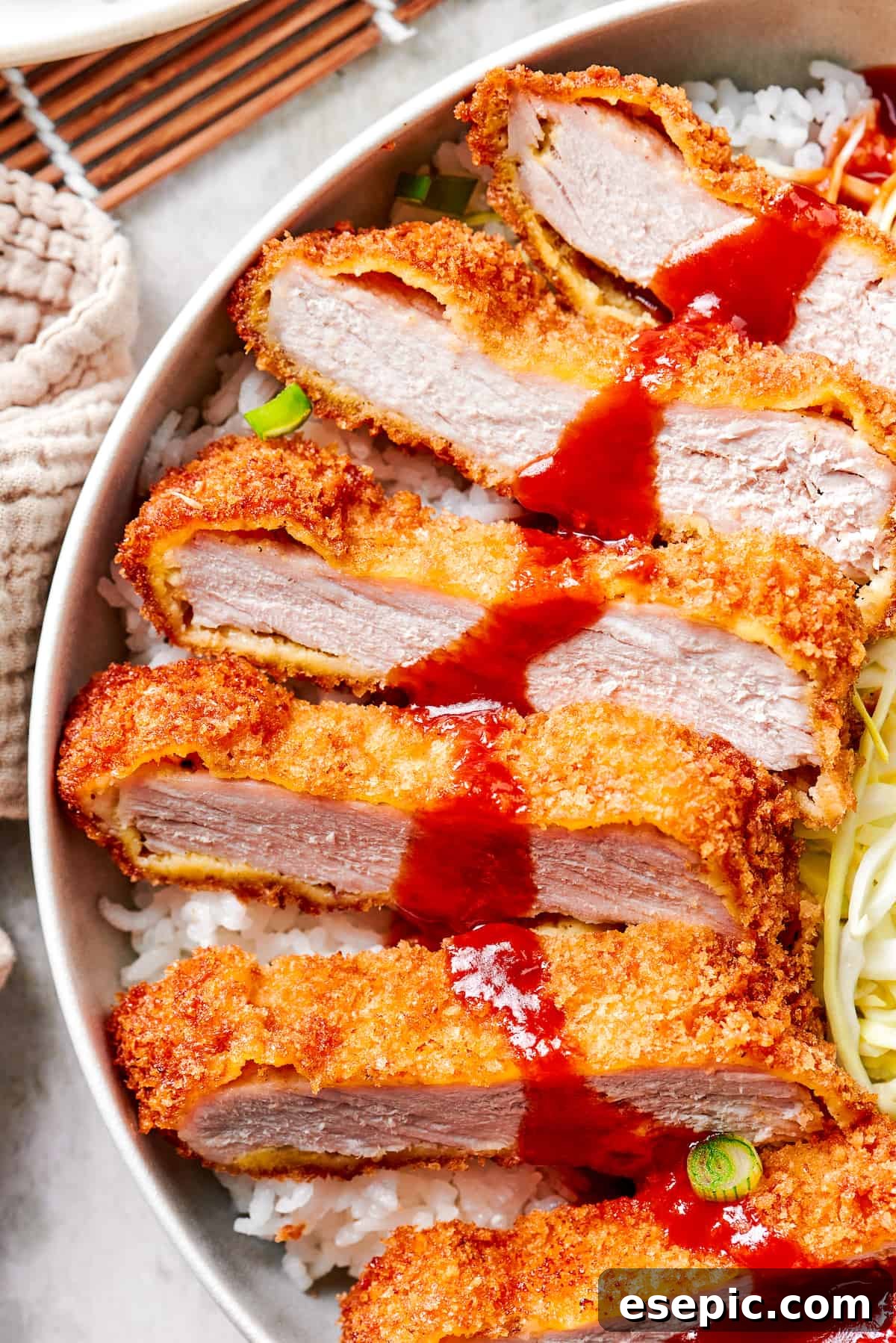
Prepare to delight your taste buds with the ultimate guide to creating perfectly crispy and incredibly juicy Pork Katsu, a classic Japanese culinary masterpiece. This beloved dish features succulent, breaded pork cutlets fried to golden-brown perfection, then generously drizzled with a rich, tangy, and subtly sweet homemade Tonkatsu sauce. Often served with steaming fluffy white rice and a refreshing squeeze of fresh lemon, Pork Katsu offers a quick yet profoundly flavorful dinner experience that brings the authentic taste of Japan right to your dining table.
If you’re a fan of pork dishes and looking to expand your repertoire, you might also enjoy exploring other delightful pork chop recipes. Consider trying my Pesto Stuffed Pork Chops for a burst of herbaceous flavor or these irresistibly sweet and savory Brown Sugar Pork Chops. Each offers a unique twist on this versatile protein, perfect for any occasion.
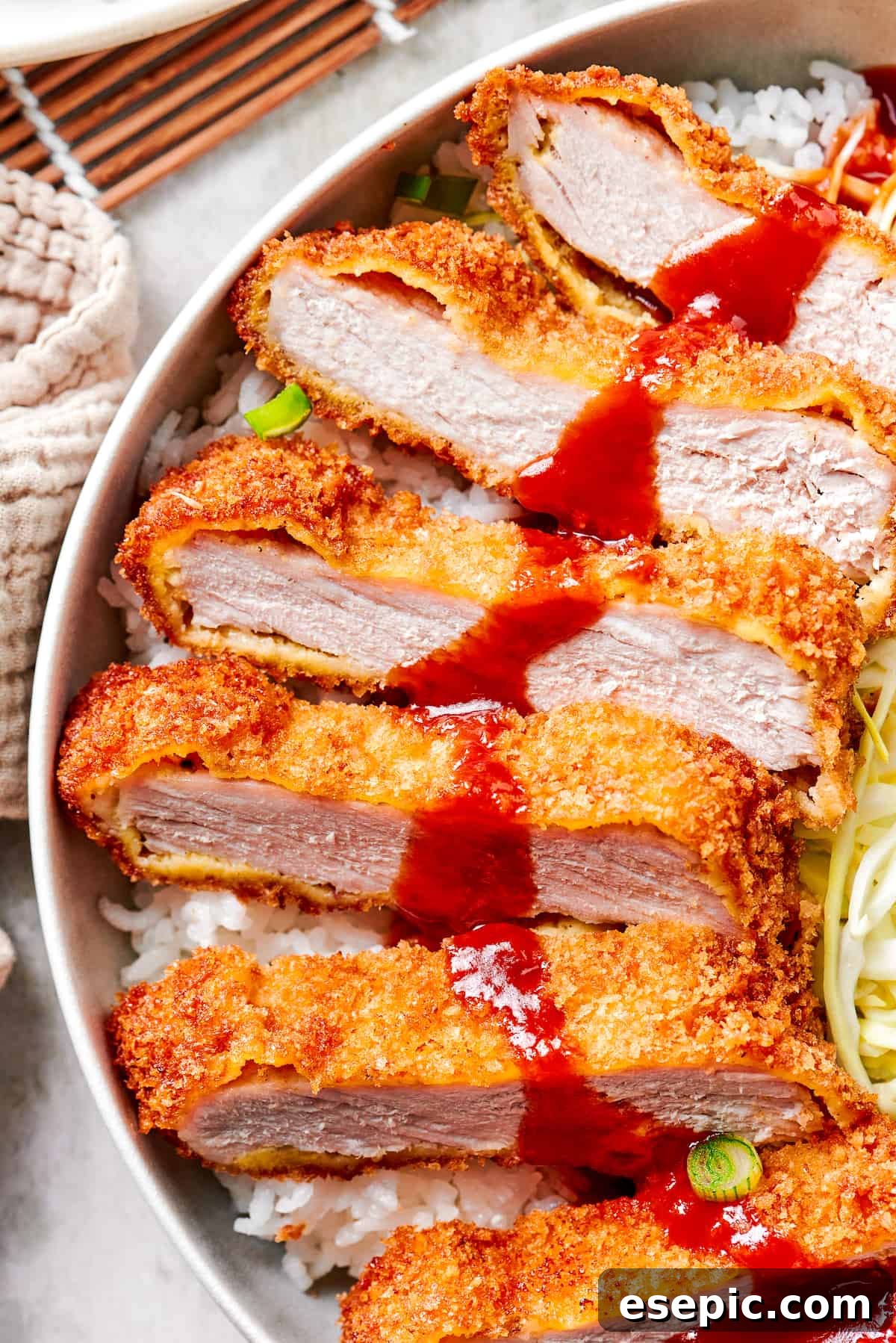
This recipe isn’t just a meal; it’s an experience. We’ll guide you through the process of transforming simple pork cutlets into extraordinary culinary delights – perfectly crispy on the outside, incredibly tender and juicy on the inside. The star accompaniment, our homemade Tonkatsu sauce, adds an unparalleled depth of sweet and savory notes that truly elevates the dish. This is a meal we love to enjoy frequently, whether for a satisfying lunch or a special weeknight dinner.
Why You’ll Love This Crispy Japanese Pork Katsu Recipe
Once you try this Japanese Pork Katsu, you’ll understand why it’s a beloved staple. Here’s why this recipe deserves a permanent spot in your cooking rotation:
- Effortlessly Quick & Simple: Despite its gourmet appeal, this dish requires surprisingly little active cooking time. With just about 10 minutes of hands-on work, you can have a restaurant-quality dinner on the table in approximately 25 minutes from start to finish. It’s perfect for busy weeknights when you crave something special without spending hours in the kitchen.
- Explosion of Flavor: This recipe is a testament to how familiar ingredients can be combined in innovative ways to create something truly spectacular. The homemade Tonkatsu sauce is a flavor powerhouse, blending the richness of ketchup and soy sauce with the savory tang of Worcestershire, the umami depth of oyster sauce, and the subtle sweetness of mirin and brown sugar. This complex symphony of flavors perfectly complements the crispy pork.
- A Unique Pork Preparation: If you’re accustomed to traditional pork loin roasts or grilled chops, Katsu offers a refreshing and exciting alternative. This method of breading and frying transforms pork into a wonderfully textured and flavorful experience, offering a delightful change of pace from your usual pork recipes. It’s an adventure for your palate that you’ll want to revisit again and again.
- Crowd-Pleasing Comfort Food: Pork Katsu is a dish that universally appeals. Its comforting crunch, tender meat, and irresistible sauce make it a favorite for all ages, perfect for family dinners or entertaining guests.
What Exactly Is Pork Katsu? A Culinary Journey
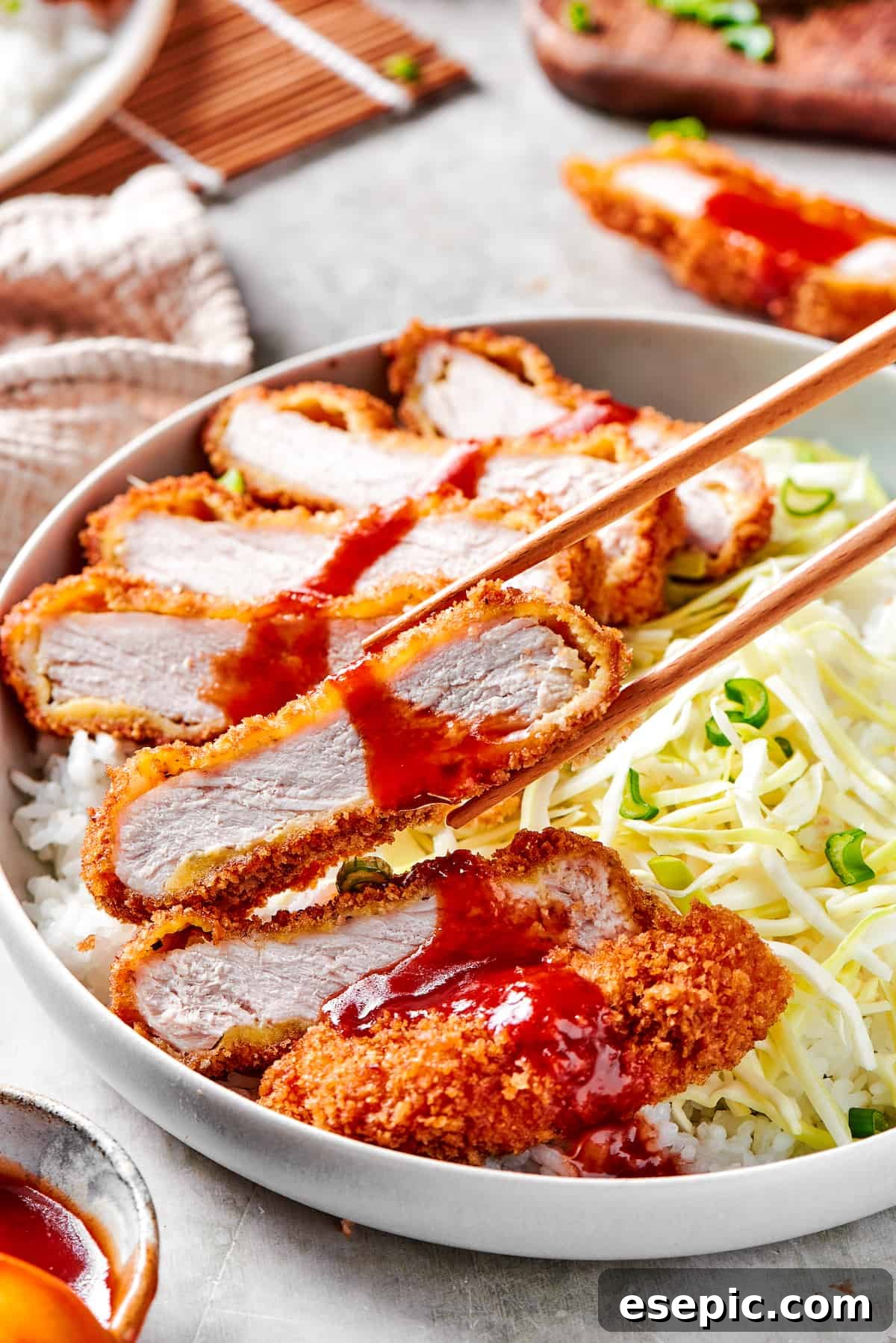
Pork Katsu is a renowned dish of Japanese origin, celebrated for its irresistible crispy texture and tender interior. At its core, it involves taking a cut of pork, typically a loin or fillet, breading it with distinctively light and airy Panko breadcrumbs, and then deep-frying it until it reaches a beautiful golden-brown and crispy perfection. The dish is almost always served with Tonkatsu sauce, a rich, thick, sweet, and tangy condiment that perfectly balances the fried pork.
The name itself offers insight into its identity: “Ton” (豚) is the Japanese word for “pork,” while “Katsu” (カツ) is a phonetic abbreviation of “katsuretsu” (カツレツ), which derives from the English word “cutlet.” This fusion of Japanese and Western culinary influences reflects the dish’s historical roots, emerging in Japan during the late 19th and early 20th centuries as Western cuisine began to gain popularity.
Beyond its traditional serving with Tonkatsu sauce, pork katsu is incredibly versatile. It’s commonly enjoyed with a simple side of thinly shredded green cabbage, which provides a fresh, crisp counterpoint to the fried meat. It can also be tucked into a sandwich roll to create a satisfying katsu sando, or served as the star of a fuller meal alongside rice and other Japanese accompaniments. Its delightful crunch and savory flavor make it a truly satisfying and adaptable dish.
Essential Ingredients for Perfect Pork Katsu
Crafting authentic and delicious Pork Katsu requires a thoughtful selection of ingredients. You’ll find that many of these are likely already in your pantry, while a few key components will elevate your dish to restaurant-quality standards. Here’s a detailed look at what you’ll need for both the signature Tonkatsu sauce and the crispy pork cutlets.
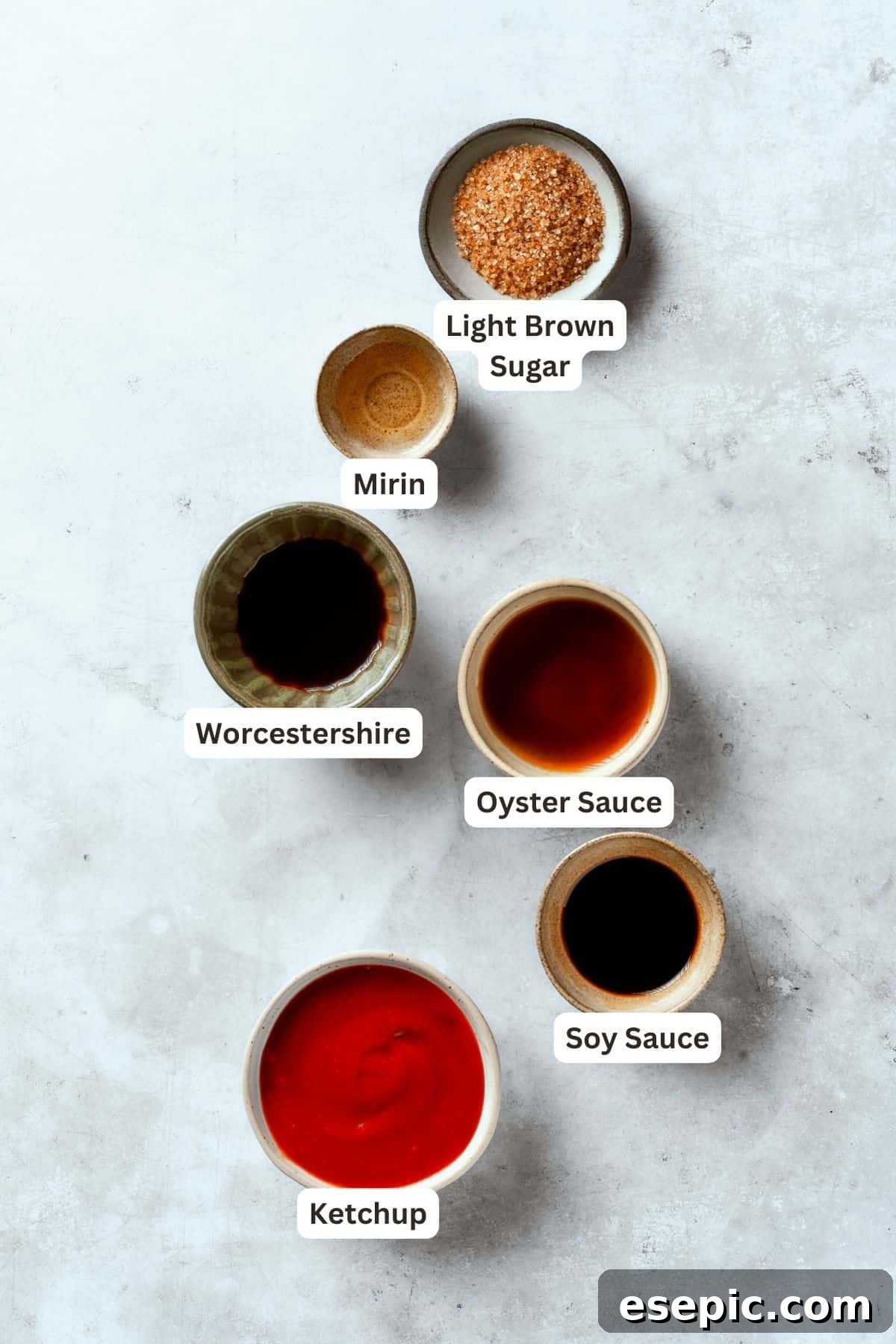
For the Homemade Tonkatsu Sauce:
This sauce is the heart of the dish, offering a perfectly balanced sweet and savory profile:
- Soy Sauce: Provides the foundational umami and saltiness. Both regular and low-sodium varieties work well, depending on your preference for saltiness.
- Ketchup: Adds a touch of sweetness, acidity, and a vibrant tomato base to the sauce. Use your favorite brand for the best flavor.
- Worcestershire Sauce: Essential for its distinctive savory, tangy, and slightly funky notes that add depth and complexity to the sauce.
- Oyster Sauce: Contributes a rich, savory, and subtly sweet umami flavor. If unavailable, an equivalent amount of soy sauce can be used as a substitute, though the flavor profile will be slightly different.
- Mirin: This sweet Japanese rice wine is crucial for adding a delicate sweetness and a subtle alcoholic depth that rounds out the sauce. If you can’t find mirin, a dry sherry can be used as an alternative.
- Brown Sugar: Light or dark brown sugar will work. It provides a deeper, more molasses-like sweetness that balances the tang of the other ingredients.
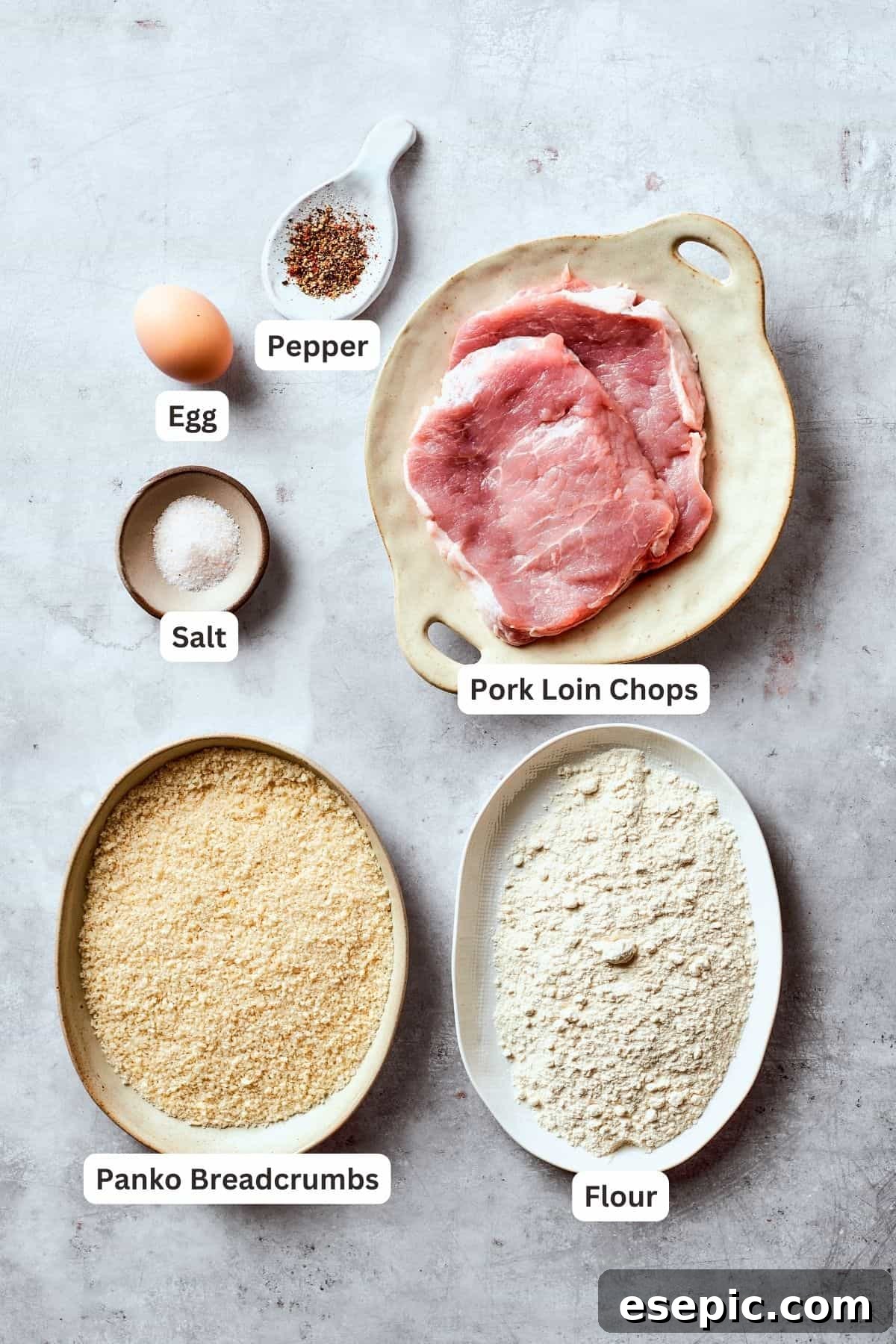
For the Crispy Pork Katsu:
These ingredients come together to create the signature crispy exterior and tender interior of the pork cutlets:
- Pork Chops: Boneless pork loin chops, about 1 inch thick, are ideal for katsu. Look for cuts that are relatively uniform in thickness for even cooking. You can also use pork tenderloin, sliced into cutlets.
- Salt and Pepper: Simple Kosher salt and freshly ground black pepper are essential for seasoning the pork directly, enhancing its natural flavors before breading.
- All-Purpose Flour: Used for the initial dredge, it helps create a dry surface for the egg to adhere to, ensuring the breadcrumbs stick properly. Season the flour with a pinch of salt and pepper for an extra layer of flavor.
- Egg: One large egg or two medium eggs, lightly beaten, acts as the binder between the flour and the Panko breadcrumbs. This creates a secure coating that fries up beautifully.
- Panko Breadcrumbs: These are non-negotiable for authentic and superior katsu! Japanese Panko breadcrumbs are coarser and flakier than regular breadcrumbs, resulting in an exceptionally light, airy, and incredibly crispy crust that absorbs less oil during frying. Season them with a pinch of salt for enhanced taste.
- Oil for Frying: A neutral-flavored oil with a high smoke point is best for frying. Vegetable oil, canola oil, or peanut oil are excellent choices as they impart no unwanted flavors and can withstand high temperatures.
- White Rice: For serving. Fluffy white rice (Jasmine, Basmati, or short-grain Japanese rice) is the traditional accompaniment, providing a comforting base. Brown rice can also be used for a heartier option.
- Green Cabbage: For serving. Thinly shredded green cabbage offers a refreshing, crisp, and slightly bitter contrast to the rich fried pork. Crisp iceberg lettuce can be substituted if green cabbage is not available.
Step-by-Step Guide: Crafting Perfect Pork Katsu at Home
Making delicious Japanese Pork Katsu at home is simpler than you might think. By following these clear and easy steps, you’ll achieve a crispy, tender cutlet that rivals your favorite restaurant version. Precision in preparation and attention to frying temperature are key to success.
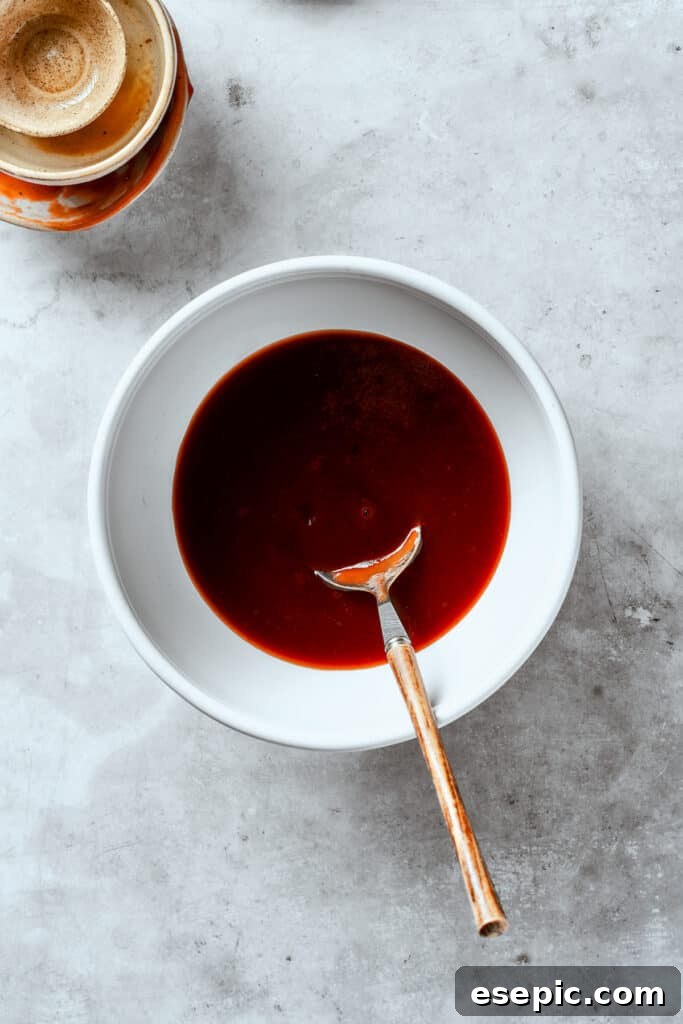
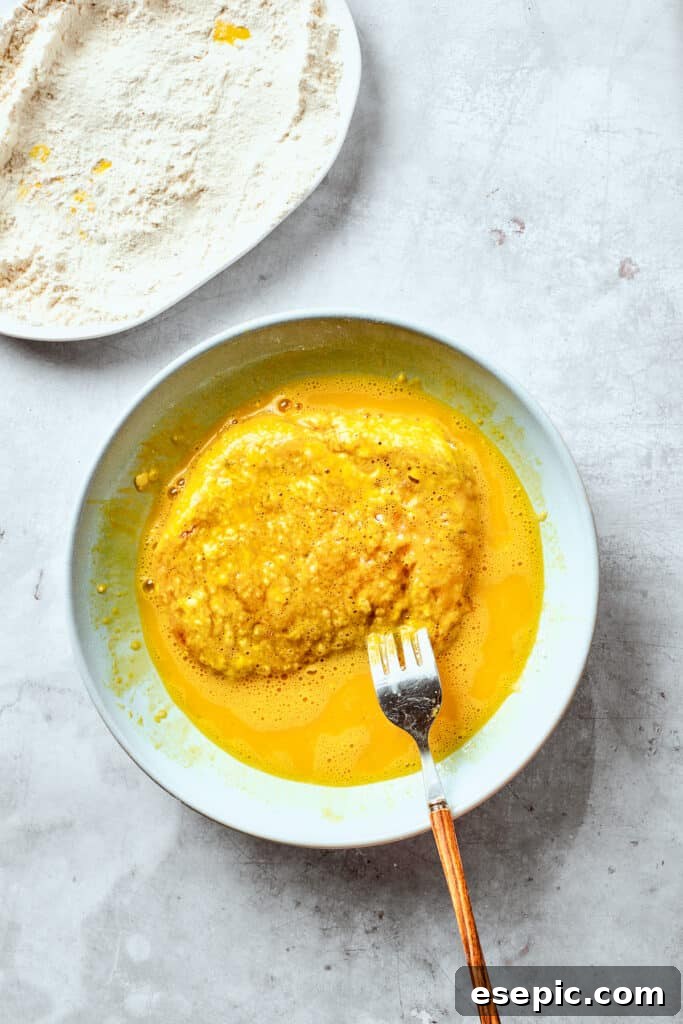
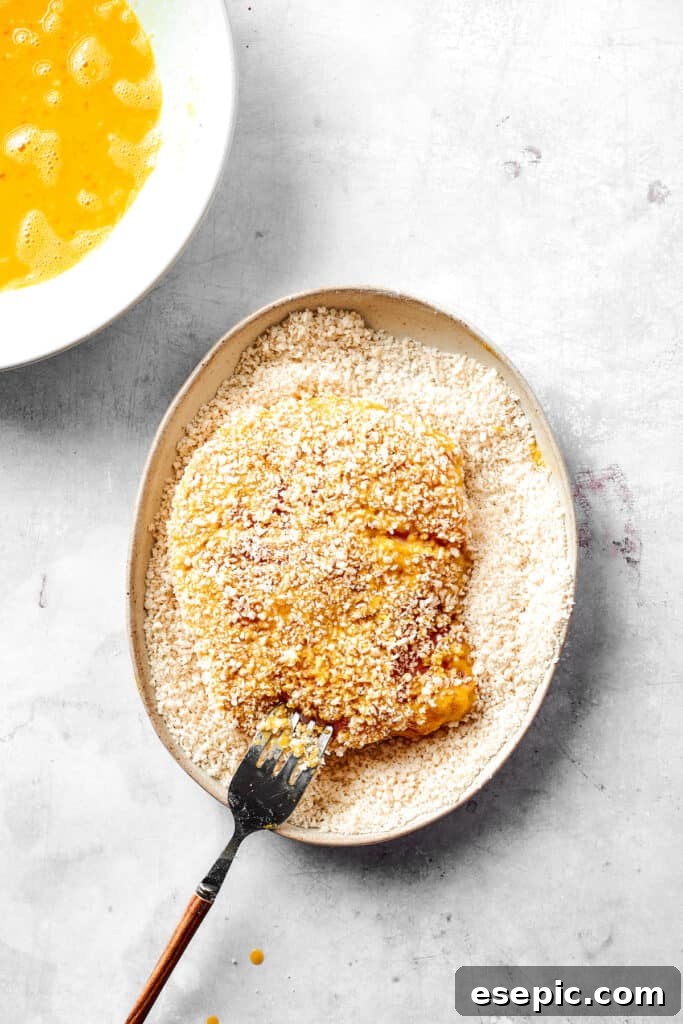
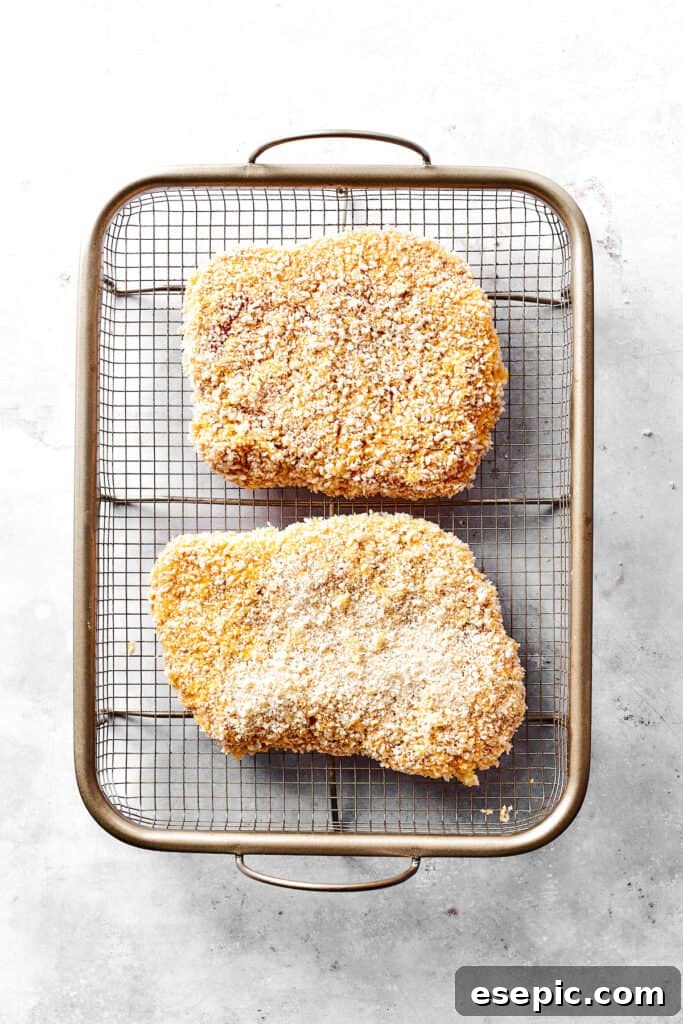
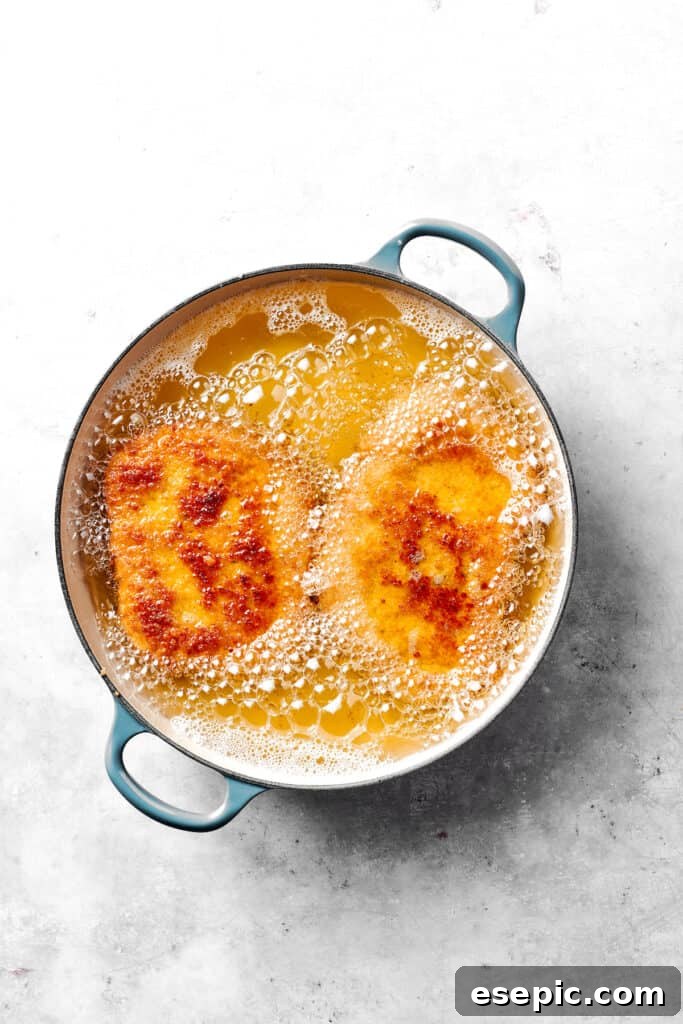
- Prepare the Tonkatsu Sauce: In a medium serving bowl, combine 2 tablespoons of soy sauce, 3 tablespoons of ketchup, 2 tablespoons of Worcestershire sauce, 1 tablespoon of oyster sauce, 1 tablespoon of mirin, and 1 ½ tablespoons of light brown sugar. Stir all ingredients thoroughly until the sugar is fully dissolved and the sauce is smooth and well combined. Set this aside. This homemade sauce can be stored in an airtight container in the refrigerator for up to two weeks, making it perfect for meal prepping.
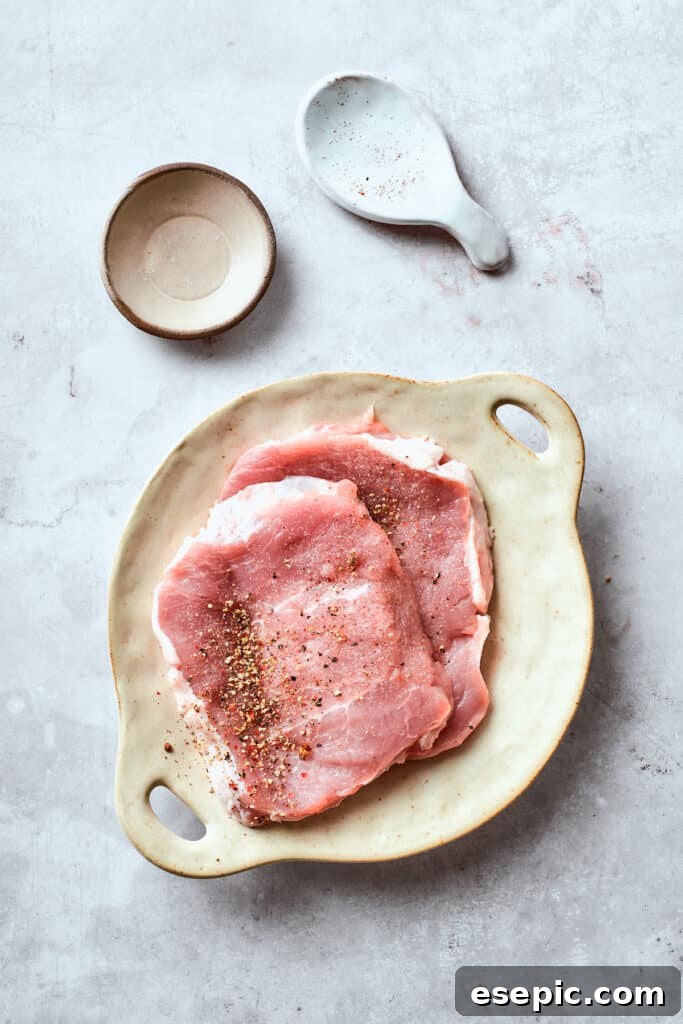
- Season the Pork: Take your 2 boneless pork loin chops (about 1 inch thick) and generously sprinkle both sides with ½ teaspoon of Kosher salt and ½ teaspoon of freshly ground black pepper. Gently press the seasoning into the meat.
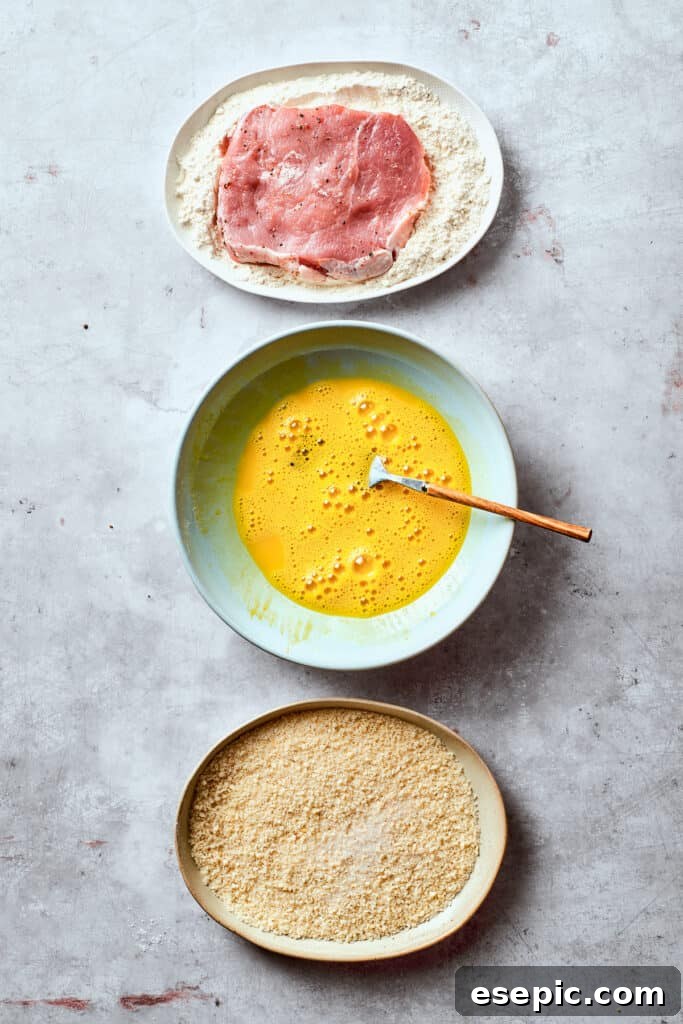
- Set Up the Breading Station: Prepare three shallow bowls. In the first bowl, combine ¾ cup of all-purpose flour with an additional ½ teaspoon of Kosher salt and ½ teaspoon of freshly ground black pepper. In the second bowl, whisk 1 large egg (or 2 medium eggs) until lightly beaten. In the third bowl, place 1 cup of Panko breadcrumbs seasoned with a pinch of salt. This organized setup streamlines the breading process.
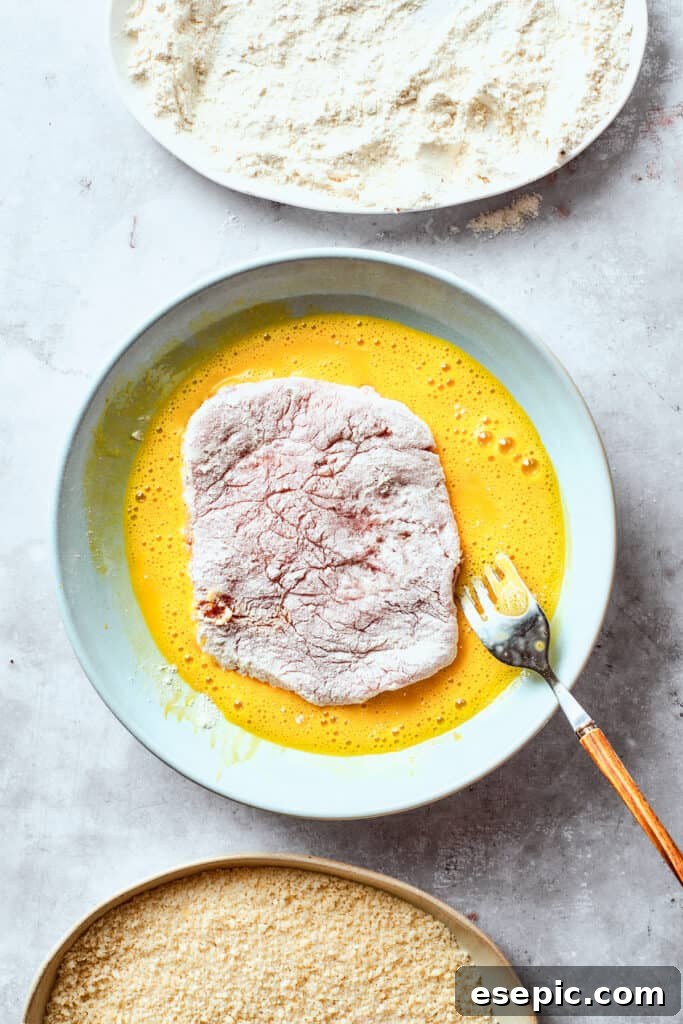
- First Dredge: Take one seasoned pork chop and dredge it thoroughly in the seasoned flour, ensuring it’s completely coated. Gently shake off any excess flour.
- First Dip: Immediately transfer the floured pork chop to the beaten egg, coating it completely. Lift the chop and let any excess egg drip back into the bowl.
- Second Dredge & Dip (Double Coating): For an extra thick and crispy crust, repeat steps 4 and 5: dredge the pork chop in the flour again, shake off excess, then dip it back into the beaten egg. This double coating method creates a more robust crust.
- Coat with Panko: Finally, place the egg-coated pork chop into the bowl of seasoned Panko breadcrumbs. Press the breadcrumbs gently onto both sides of the pork chop to ensure a thick and even coating. Shake off any loose, excess crumbs. Repeat the entire breading process for the second pork chop.
- Rest the Breaded Pork: Arrange the breaded pork chops on a wire rack set over a baking sheet. Allow them to rest for at least 5-10 minutes while you prepare the frying oil. This resting period helps the breading adhere better and reduces the chance of it falling off during frying.
- Heat the Frying Oil: In a large, heavy-bottomed skillet or Dutch oven, pour enough vegetable oil (or your preferred frying oil) to reach a depth of about 1 inch. Heat the oil over medium-high heat until it reaches a temperature of 350°F (175°C). Use a cooking thermometer to accurately measure the temperature, as consistent oil temperature is crucial for crispy, non-greasy katsu.
- Fry the Pork Katsu: Carefully place the breaded pork chops into the hot oil, ensuring not to overcrowd the pan. Fry for approximately 5-6 minutes per side, or until they are beautifully golden brown and cooked through. The internal temperature of the pork should register between 134°F to 140°F (57°C to 60°C) with an instant-read meat thermometer for a tender, juicy result. Once cooked, transfer the pork katsu to a plate lined with paper towels to drain any excess oil, keeping it warm while you fry the second chop if necessary.
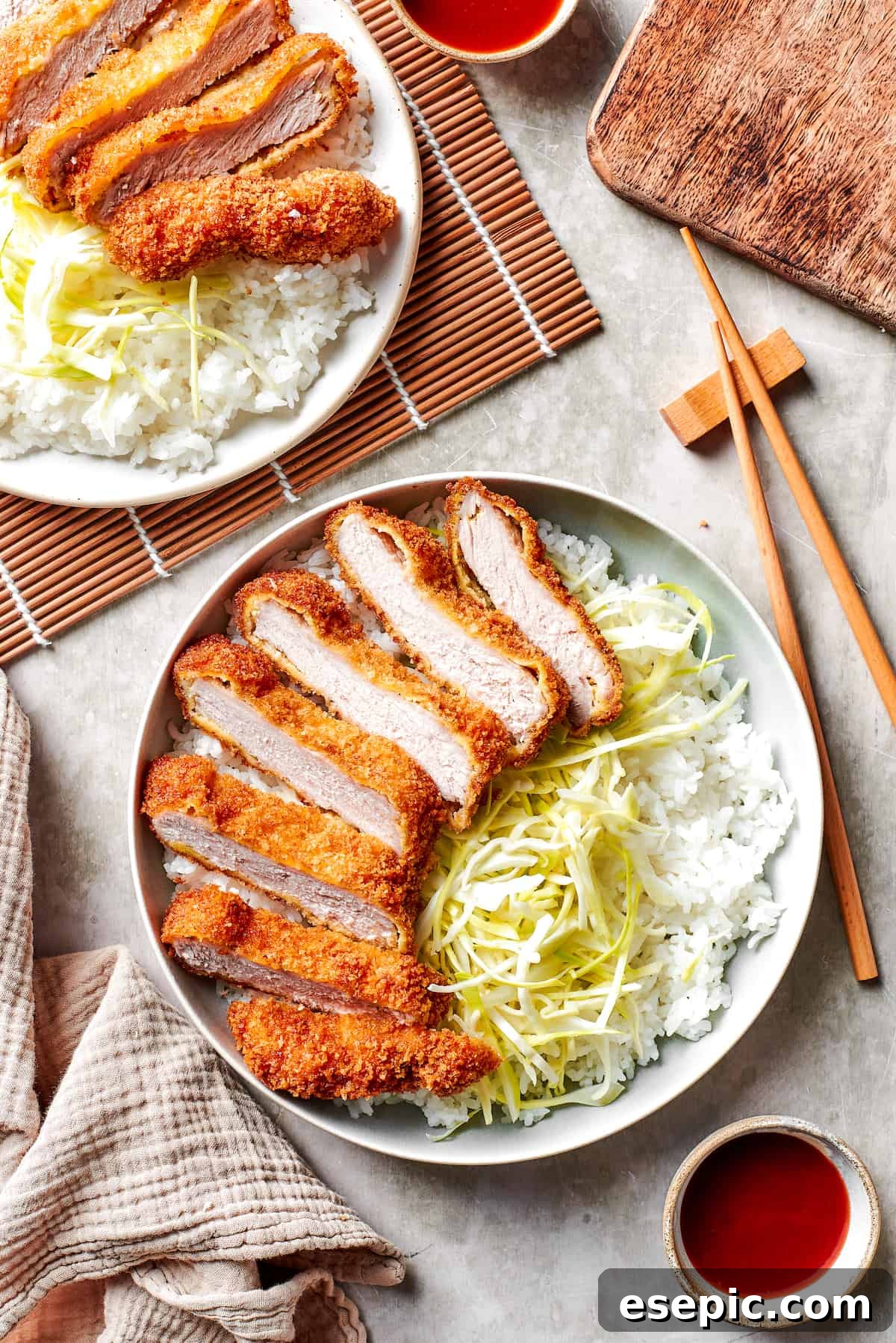
- Slice and Serve: Once rested slightly, slice the pork katsu into ½ to ¾ inch strips. Serve immediately while hot, accompanied by a generous portion of cooked white rice and thinly shredded green cabbage. Drizzle the homemade Tonkatsu sauce generously over the sliced katsu just before serving, or offer it on the side for dipping.
Mastering Your Pork Katsu: Expert Tips for Success
Achieving truly exceptional Pork Katsu is all about attention to detail. Here are some invaluable tips to ensure your dish is perfectly tender, incredibly crispy, and bursting with flavor every time:
- Tenderize the Pork for Ultimate Juiciness: Before you even start the breading process, take the time to tenderize your pork chops. Place each chop between two sheets of plastic wrap or in a large zip-top bag and pound it evenly with a meat mallet (the flat side) until it’s about ½ inch thick. This not only tenderizes the meat but also ensures more even cooking, preventing one part from drying out while another is still cooking. The result will be a uniformly tender and juicy cutlet.
- Ensure Thorough Cooking with a Thermometer: Safety and perfect texture go hand-in-hand. Always use an instant-read meat thermometer to verify that your pork has reached a safe internal temperature. For juicy pork, aim for a temperature between 134°F to 140°F (57°C to 60°C). Remember that the temperature will continue to rise slightly after the pork is removed from the oil (carryover cooking).
- Panko Breadcrumbs are Non-Negotiable: The secret to that signature, incredibly crispy and light crust in katsu lies almost entirely in using Panko breadcrumbs. Made from crustless white bread, Panko has a larger, flakier structure than regular breadcrumbs. This unique texture prevents it from absorbing too much oil during frying, resulting in a significantly crisper and lighter coating. Do not substitute regular breadcrumbs if you want authentic katsu texture. You can find Panko breadcrumbs in the international aisle of most grocery stores or online.
- Explore Other Protein Substitutions: The katsu method is incredibly versatile and can be applied to other proteins. To make delicious Chicken Katsu, simply use thin, boneless, skinless chicken breasts or chicken tenderloins in place of pork. For Seafood Katsu, firm white fish fillets like cod or snapper, or even salmon, can be breaded and fried using the same technique. Adjust cooking times accordingly based on the thickness of the protein.
- Double the Recipe (or More) with Care: This recipe is designed for two servings, but it’s easily scalable. If you’re cooking for a larger group and decide to double or triple the recipe, be mindful of your frying oil. After frying each batch of katsu, use a slotted spoon or fine-mesh skimmer to remove any stray breadcrumb bits from the hot oil. This prevents them from burning and imparting an unpleasant taste to subsequent batches, keeping your oil clean and your katsu perfectly golden.
- Always Serve with Fresh Lemon Wedges: A squeeze of fresh lemon juice is the ultimate finishing touch for Pork Katsu. The bright, acidic burst of citrus cuts through the richness of the fried pork and the sweet-savory Tonkatsu sauce, elevating all the flavors and adding a refreshing zing. Always place a bowl of lemon wedges on the table for easy drizzling when serving.
- Maintain Optimal Oil Temperature: Consistency is key when frying. If your oil is too cool, the katsu will absorb too much oil and become greasy. If it’s too hot, the breading will burn before the pork cooks through. Use a thermometer and adjust your heat as needed to maintain a steady 350°F (175°C).
- Don’t Overcrowd the Pan: Fry the pork katsu in batches if necessary. Overcrowding the pan will lower the oil temperature significantly, leading to soggy rather than crispy results. Give each cutlet enough space to fry properly.
Making it a Complete Meal: Perfect Pairings for Pork Katsu
Pork Katsu is a satisfying dish on its own, but pairing it with the right accompaniments transforms it into a truly wholesome and delightful meal. As traditionally served, a fresh pot of fluffy white rice and thinly shredded green cabbage are the perfect starting points. To further round out your dinner, consider these complementary side dishes:
- Rice Variations: While classic white rice is superb, don’t hesitate to experiment. Long-grain varieties like Jasmine or Basmati rice offer a fragrant alternative. For a healthier and nuttier option, short or long-grain brown rice pairs wonderfully. If you’re feeling adventurous and want a different flavor profile, try my Garlic Butter Parmesan Rice, simply omitting the cheese to keep it aligned with Japanese flavors.
- Essential Green Vegetables: A vibrant side of green vegetables is a must to balance the richness of the katsu. My Sautéed Green Beans offer a simple yet flavorful option, or try garlicky Romano Beans for a slightly different texture. For a sweet and savory contrast, Roasted Carrots are always a hit. Steamed broccoli or asparagus with a dash of soy sauce also make excellent, quick additions.
- Fresh and Crisp Salads: A light and refreshing salad provides a welcome contrast to the fried pork. An Avocado Tomato Salad offers creamy textures and bright flavors, while a creamy Cucumber Salad can be adapted with a Japanese-inspired sesame dressing for a perfect match. A simple green salad with a ginger-sesame vinaigrette is also fantastic.
- Juicy Fruit Salad: For a sweet and refreshing palate cleanser, a fruit salad is an excellent choice. My easy Fruit Salad with Honey Lime Dressing provides a burst of fresh, zesty flavors that beautifully complement the meal. Consider tropical fruits like mango or pineapple for an exotic touch.
- Miso Soup: A classic Japanese pairing, a warm bowl of miso soup offers a light, savory, and comforting start or side to your Katsu meal.
Storing & Reheating Leftover Pork Katsu for Best Results
While Pork Katsu is best enjoyed fresh, you can certainly save and reheat leftovers. Proper storage and reheating methods are key to maintaining its delicious flavor and texture:
- Storage: Once cooled, place any leftover pork katsu in an airtight container. It will keep well in the refrigerator for up to 3 days. For longer storage, you can freeze the cooked katsu for up to 3 months. When ready to use, thaw frozen pork katsu in the refrigerator overnight before reheating.
- Reheating for Crispiness: The biggest challenge with reheating katsu is often preserving its crispness. I highly recommend using your air fryer for the best results; it’s excellent for bringing back that satisfying crunch. Air fry the katsu at 350°F (175°C) for about 5-7 minutes, or until it’s heated through and the crust is crispy again. Alternatively, you can reheat it in a conventional oven at 375°F (190°C) for about 10-15 minutes. While convenient, reheating in the microwave is generally not recommended as it tends to make the breading soft and can result in a less enjoyable texture. If using a microwave, reheat in short bursts until just hot to avoid overcooking.
More Delicious Pork Recipes to Explore
If you enjoyed this Pork Katsu recipe and are looking for more ways to incorporate versatile pork into your weeknight dinners, here are some other fantastic and easy recipes to try:
- Pork Loin Roast with Vegetables: A hearty and comforting meal, perfect for family gatherings.
- Juicy Grilled Pork Chops: Simple yet incredibly flavorful, ideal for barbecue season.
- Honey Garlic Pork Chops: A sweet and savory glaze makes these chops an instant favorite.
Nutritional information is an estimate and provided as a courtesy. Values may vary according to the ingredients and tools used. Please use your preferred nutritional calculator for more detailed information.