
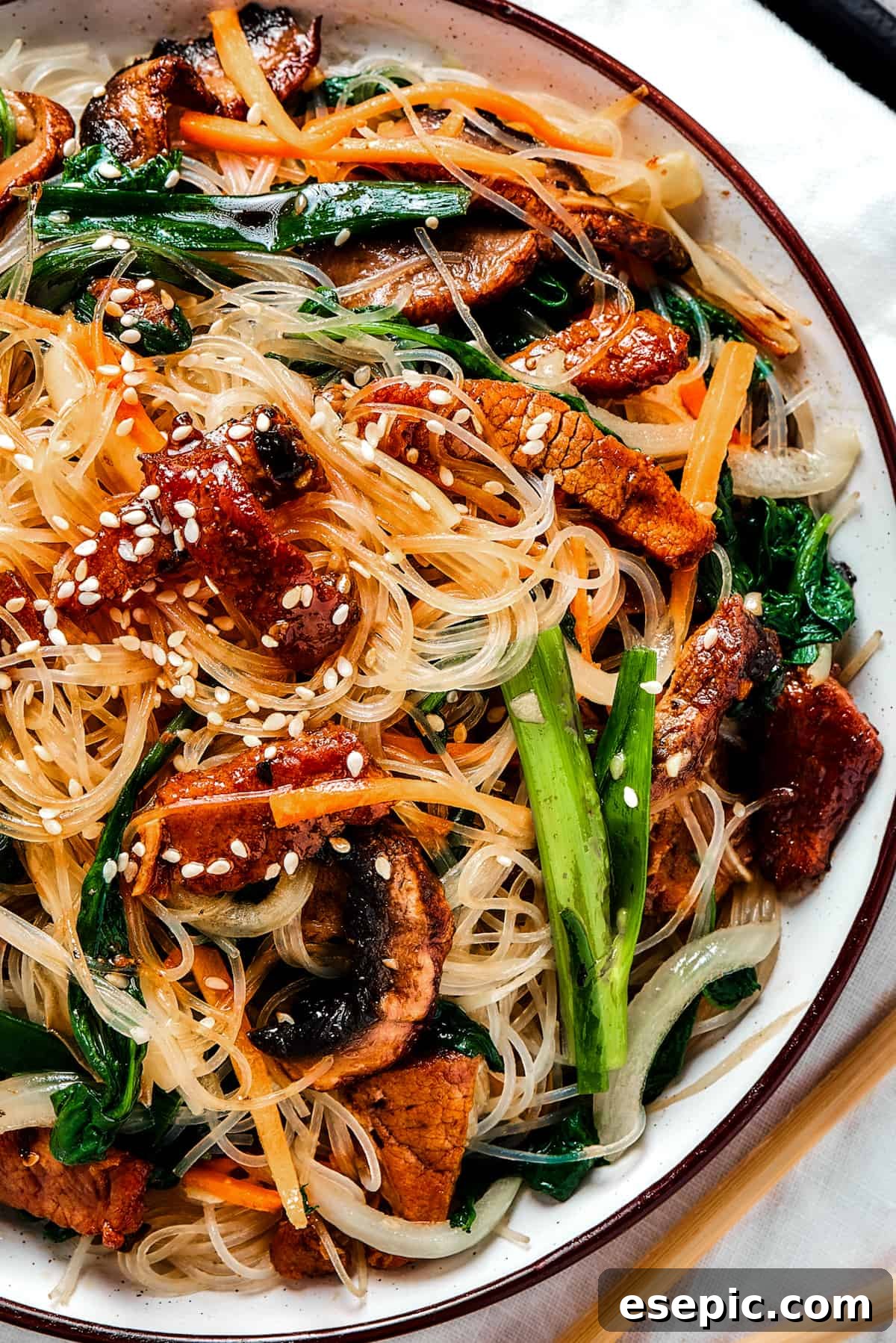
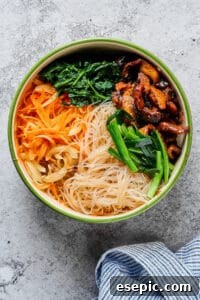
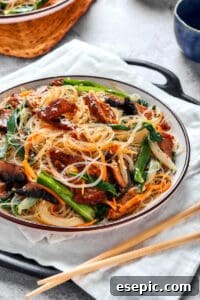
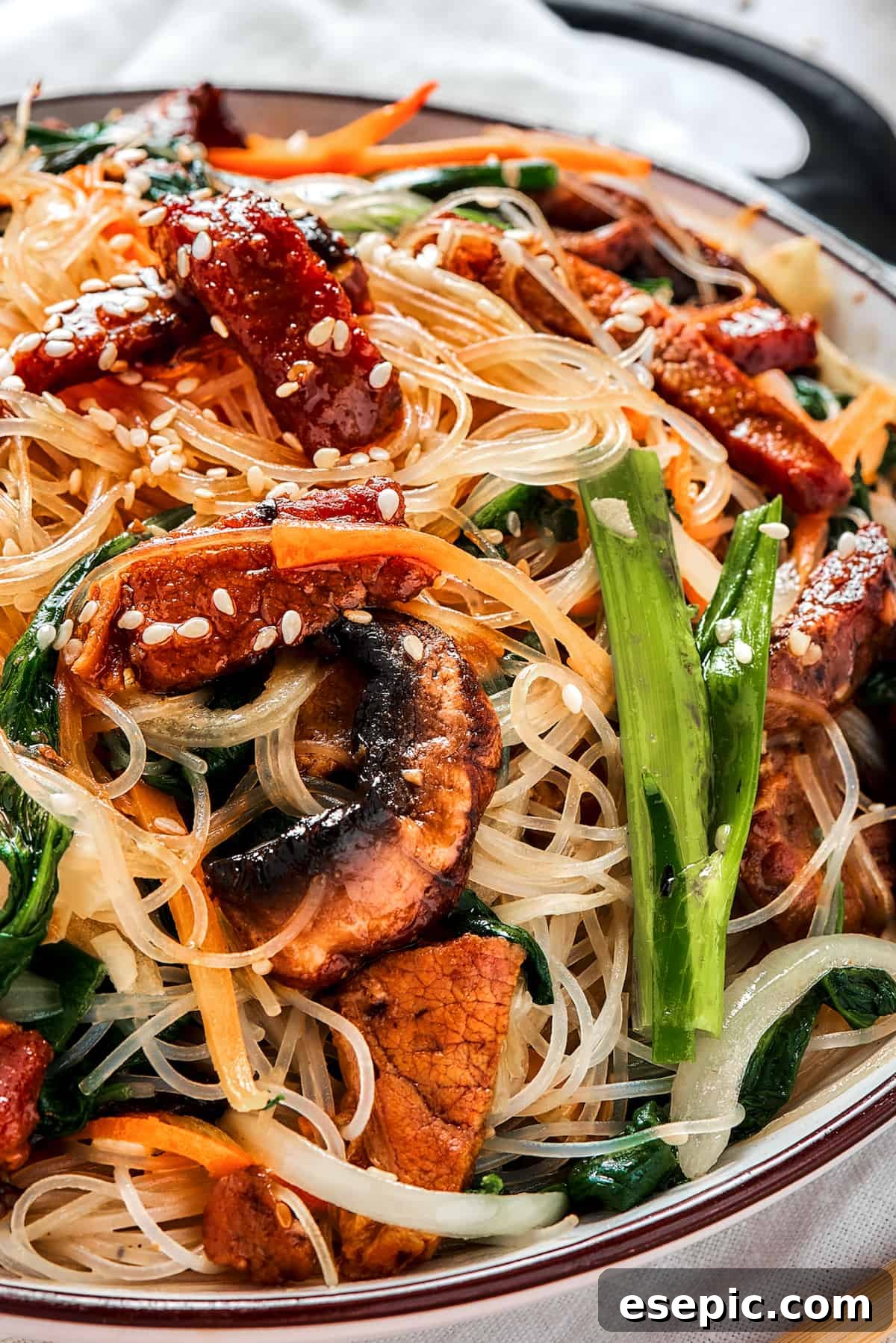
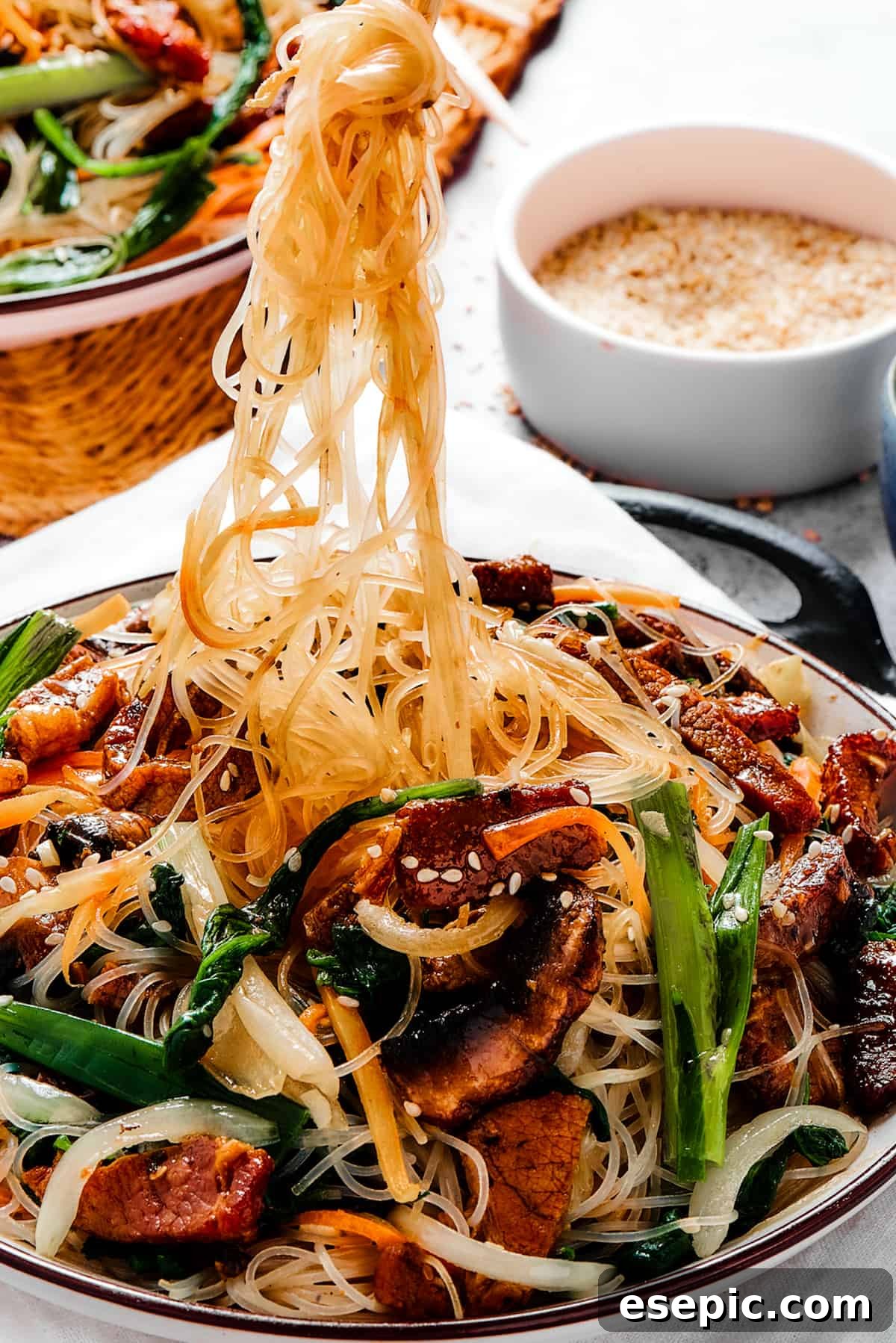
Beef Stir Fry with Glass Noodles (Japchae) is more than just a dish; it’s a celebration of Korean culinary artistry, known for its vibrant colors, dynamic textures, and an irresistible sweet-and-savory sauce. This beloved classic harmoniously combines tender slices of steak, a medley of fresh vegetables, and the uniquely springy, translucent glass noodles, all coated in a rich, flavorful dressing that requires just five simple ingredients. It’s a dish that delights the senses and promises an authentic taste of Korea, perfect for any occasion from festive holidays to cozy family dinners.
The Enchanting World of Japchae: A Korean Culinary Gem
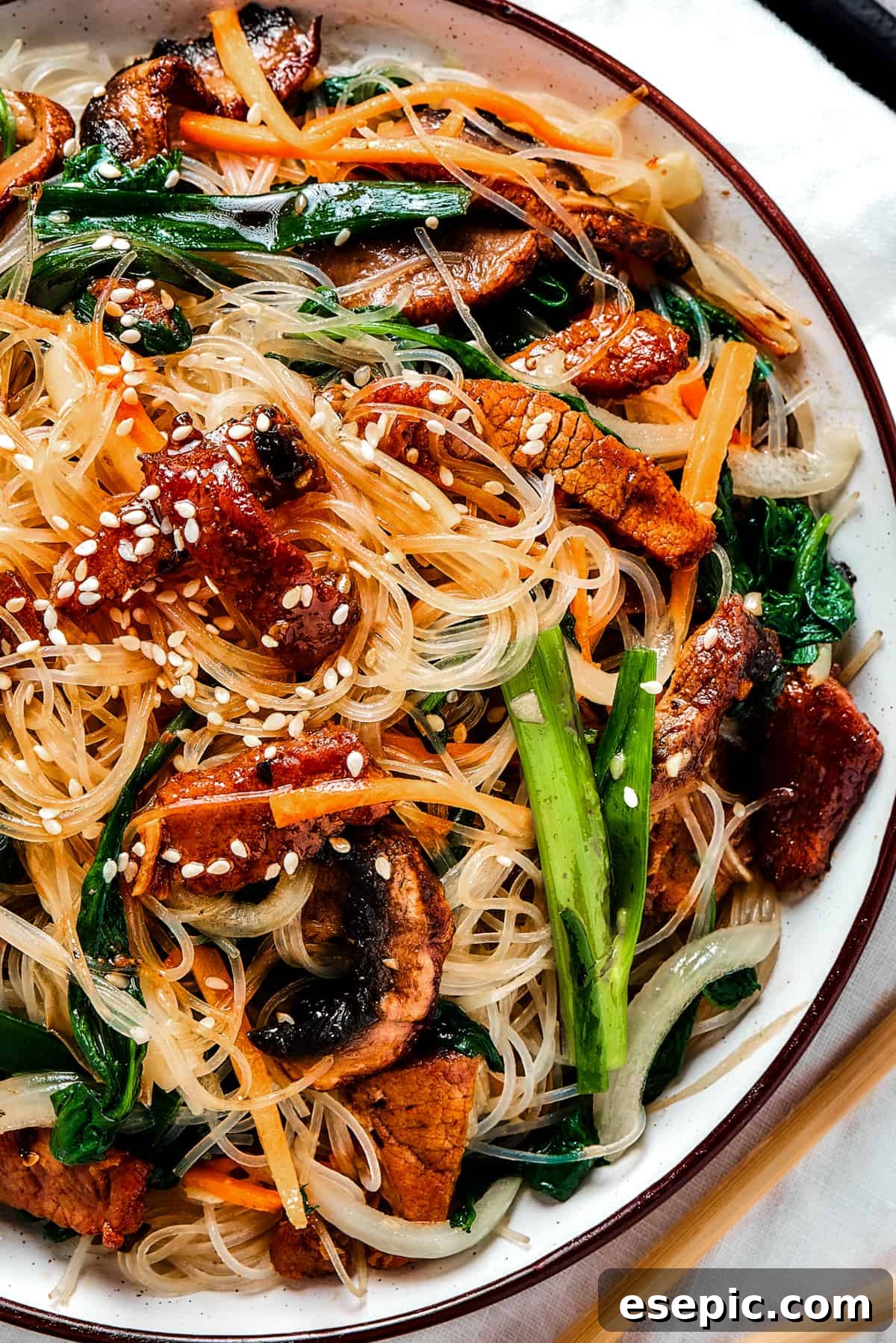
Known affectionately as Japchae, this stir-fried noodle dish holds a cherished place in Korean culture. Its popularity spans every aspect of Korean life, from being a staple at major holidays and significant family gatherings to being a comforting presence at everyday dinners. Once you experience its intricate layers of flavor and texture, you’ll quickly understand its universal appeal. Japchae truly has it all: an incredible array of ingredients that come together to create a symphony for the palate.
At its heart are the unique glass noodles, or dangmyeon. These clear, springy noodles, often made from sweet potato starch, are exceptionally adept at absorbing the rich, complex flavors of the sauce. Their distinct chewy yet tender texture is addictively delicious and unlike any other noodle. If you’re new to glass noodles, prepare to be captivated by their unique mouthfeel and subtle, earthy flavor that beautifully complements the other components of the dish. They are the perfect canvas for the vibrant sauce, ensuring every bite is packed with goodness.
Then there’s the masterful sauce – a cornerstone of authentic Japchae. It strikes a remarkable balance of salty, savory, and subtly sweet notes, creating a deeply satisfying umami experience. This carefully crafted sauce allows each individual vegetable to retain its distinct character and crispness, while highlighting the succulence of the tender beef. The result is a harmonious blend of flavors, elevated by a distinctive sesame-soy aroma that makes your mouth water even before the first bite.
And let’s not forget the star protein: the beef. This recipe champions the use of high-quality grilling steak, meticulously sliced to ensure maximum tenderness and flavor. While some traditional recipes might opt for premium cuts like filet mignon, thinly-sliced flank steak or sirloin steak perform exceptionally well, offering a rich, beefy flavor and a texture that melts in your mouth when prepared correctly. The choice of beef cut contributes significantly to the overall luxuriousness of the dish, making each forkful a truly memorable experience.
The Nutritional Profile of Glass Noodles: What You Need to Know
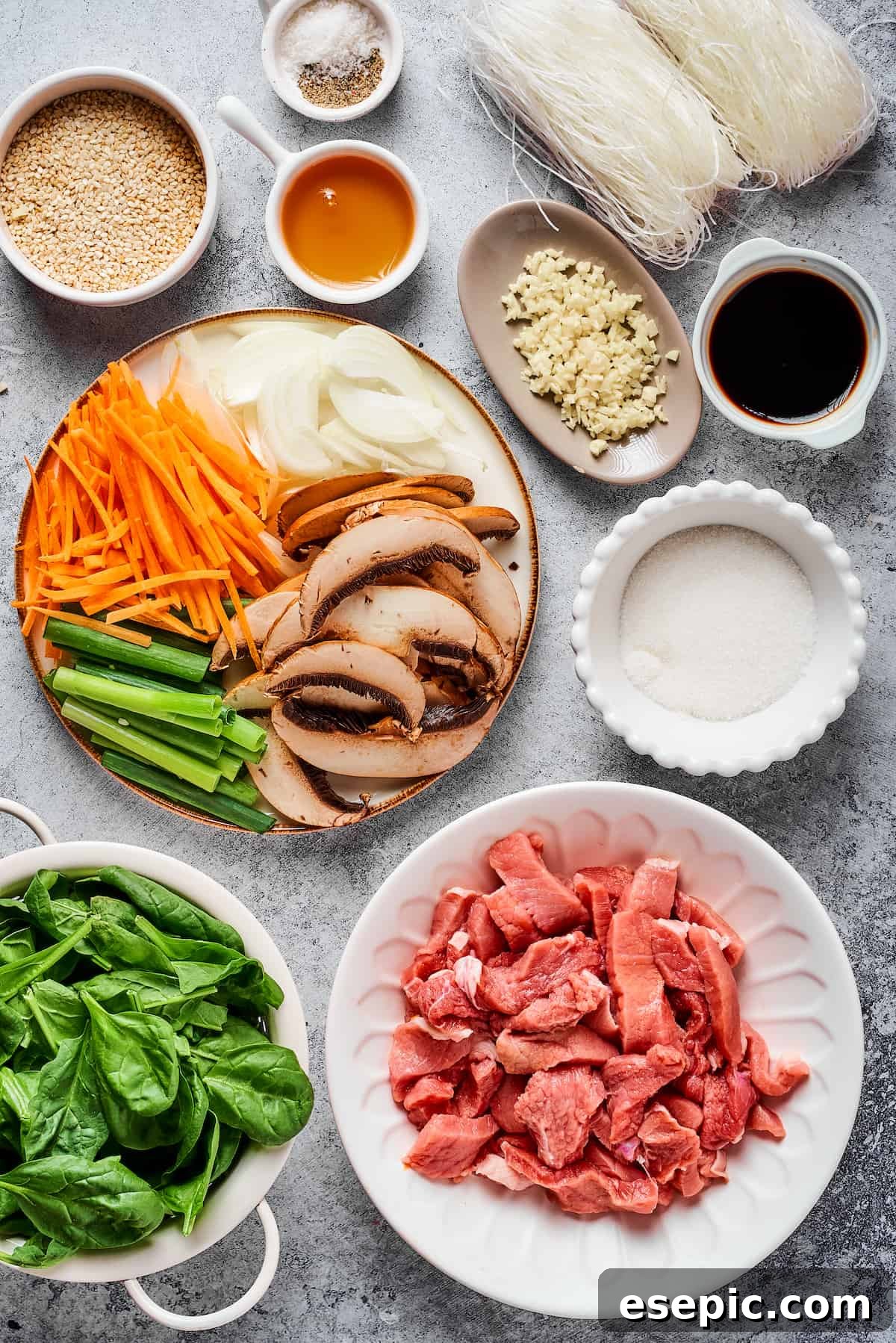
For those mindful of their dietary choices, it’s natural to wonder about the health aspects of glass noodles. Surprisingly, these unique noodles share a nutritional profile that is quite similar to traditional wheat pasta. They generally contain a comparable amount of carbohydrates but often boast slightly fewer overall calories, though this difference is usually not a deal-breaker for most healthy diets. If you’re seeking a noodle dish that offers a refreshing departure from everyday pasta, this Japchae recipe provides an excellent and flavorful alternative.
One significant advantage of glass noodles is that they are most often gluten-free, as they are traditionally made from starches like sweet potato, mung bean, or tapioca, rather than wheat. This makes Japchae a fantastic option for individuals with gluten sensitivities or those adhering to a gluten-free diet. However, due diligence is always advised: it’s crucial to always double-check the ingredient list on your specific package of glass noodles to confirm they are indeed wheat-free and certified gluten-free, especially if cross-contamination is a concern.
While glass noodles are a healthier alternative to some pasta varieties, it’s important to remember that they are still carbohydrate-rich. If you are following a low-carb diet, glass noodles should be consumed in moderation, or you might consider replacing them with low-carb vegetable alternatives like zucchini noodles or spaghetti squash for a similar stir-fry experience while managing carbohydrate intake.
Unveiling the Ingredients: What Makes Japchae So Delicious?
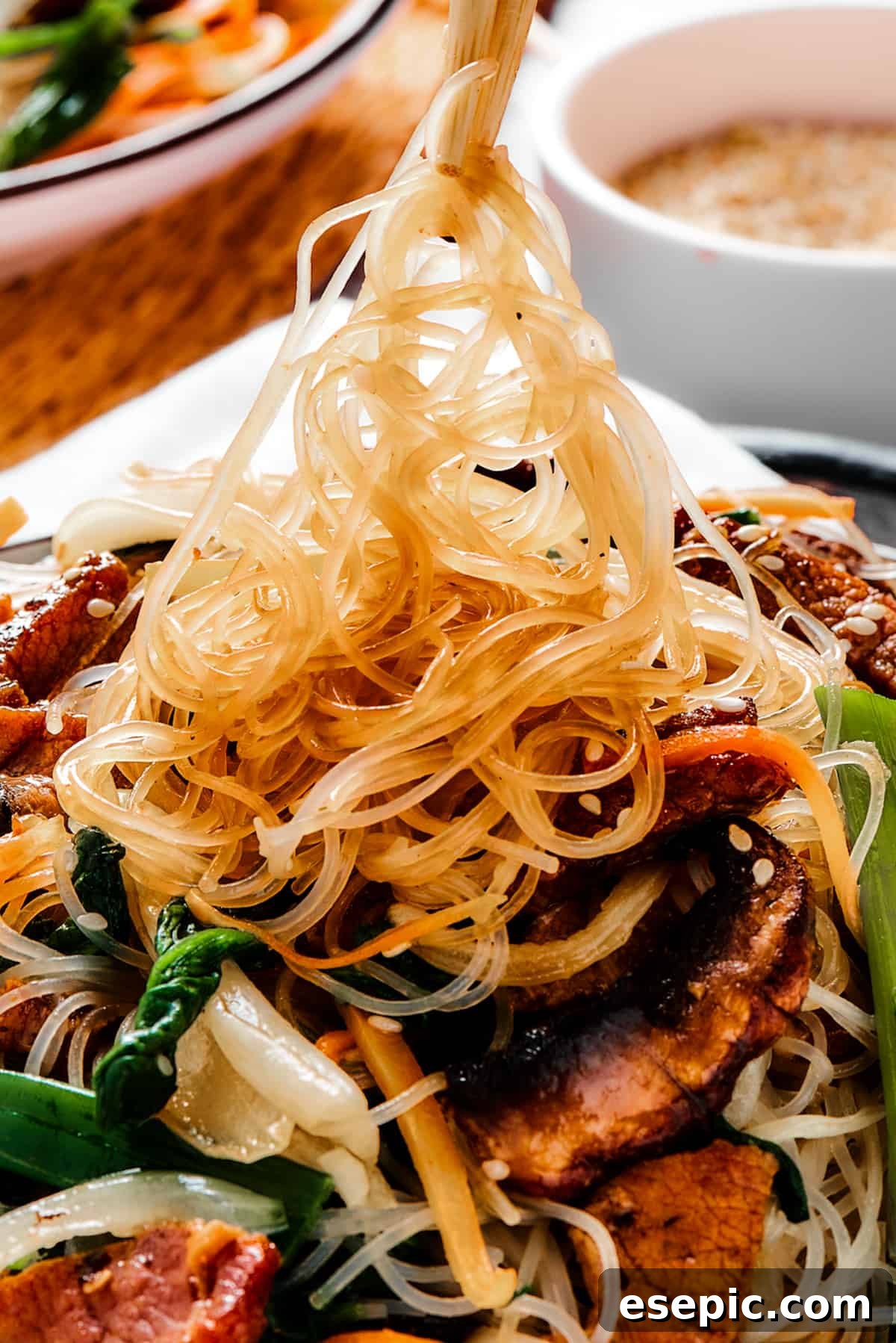
Despite its sophisticated appearance and complex flavors, Beef Stir Fry with Glass Noodles (Japchae) is built upon a foundation of surprisingly simple and accessible ingredients. The magic lies in how these components are prepared and combined, especially the remarkably easy-to-assemble sauce that requires just a handful of basic items. No fancy or hard-to-find ingredients are needed to create this exquisite dish.
For the Flavorful Stir Fry
- Glass Noodles (Dangmyeon): The star of the show! While glass noodles can be made from various starches like mung bean, for this authentic Korean recipe, we specifically use Korean potato starch noodles. Their ideal chewiness and ability to absorb flavor are paramount.
- Beef: A lean yet flavorful cut is key. You’ll need about one pound of high-quality grilling steak, such as flank steak or sirloin. Slicing it thinly and against the grain ensures maximum tenderness.
- Carrots: These add a touch of natural sweetness and a vibrant splash of color. Cutting them into thin matchsticks ensures even cooking and a pleasant crunch. Pre-cut matchsticks are a convenient time-saver.
- Onion: A small yellow onion, thinly sliced, provides a foundational aromatic sweetness that mellows beautifully during stir-frying.
- Mushrooms: Earthy and savory, mushrooms contribute a wonderful umami depth. Portobello mushrooms are a fantastic choice for their meaty texture, but shiitake or oyster mushrooms would also be excellent alternatives, each adding its own unique nuance.
- Spinach: Fresh spinach not only adds a beautiful green hue but also a delicate, slightly bitter note that balances the dish. Baby spinach is ideal as its small leaves rarely require cutting. If using larger spinach, be sure to tear or cut it into bite-sized pieces.
- Green Onions: These provide a fresh, pungent accent and a final burst of color. Ensure the root ends are removed and any withered tips are trimmed before chopping them into bite-sized segments.
- Cooking Oil: A neutral, high-smoke-point oil is essential for stir-frying. Olive oil is a good choice, but peanut oil, vegetable oil, or avocado oil also work wonderfully, each imparting a slightly different background flavor.
- Salt and Pepper: Basic seasonings used to enhance the natural flavors of the beef and vegetables during cooking, and for final taste adjustments.
For the Signature Sweet-and-Savory Seasoning
- Soy Sauce: The cornerstone of the savory umami flavor. Low-sodium soy sauce is recommended for better control over the overall saltiness. For gluten-free alternatives, tamari or coconut aminos can be substituted.
- Sesame Oil: This ingredient is non-negotiable for authentic Japchae, imparting its characteristic nutty, deeply aromatic fragrance and flavor. Look for it in the international foods aisle or alongside other specialty oils.
- Sugar: Just a few spoonfuls are needed to balance the savory and salty elements, creating that signature sweet-and-savory profile without making the dish overly sweet.
- Garlic: Freshly minced or pressed garlic adds a pungent, aromatic kick that is integral to Korean cuisine.
- Toasted Sesame Seeds: These provide a delightful textural contrast and an additional layer of nutty flavor. They are mixed into the seasoning sauce and also used generously as a garnish for a beautiful presentation.
Mastering Japchae: A Step-by-Step Guide to Beef Stir Fry with Glass Noodles
Crafting this iconic Korean dish, while seemingly intricate due to its various components, is quite manageable with a little planning and organization. The key to successful Japchae lies in preparing each ingredient separately to preserve its unique texture and flavor, then combining them harmoniously at the end. To ensure a smooth cooking process, we highly recommend reading through the entire recipe a few times before you begin, allowing you to familiarize yourself with each step. Here’s a detailed guide to creating your perfect Beef Stir Fry with Glass Noodles:
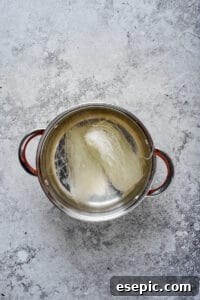
- Prepare the Glass Noodles: Begin by bringing a large pot of generously salted water to a rolling boil. Once it reaches a vigorous boil, remove the pot from the heat. Carefully submerge the dried glass noodles into the hot water, allowing them to soak for approximately 7 to 8 minutes, or precisely according to the package directions – this ensures they become perfectly springy. Once softened, drain the noodles thoroughly and rinse them briefly under cold water to prevent sticking and halt the cooking process. Set them aside while you prepare other ingredients.
- Marinate the Beef and Noodles: In a small mixing bowl, place your bite-sized pieces of beef. Now, in a separate bowl or measuring cup, whisk together all the seasoning ingredients (soy sauce, sesame oil, sugar, minced garlic, and toasted sesame seeds) until well combined. Take about three tablespoons of this prepared seasoning mixture and add it to the beef, tossing gently to ensure every piece is evenly coated. Allow the beef to marinate as you continue with the recipe. Next, add two tablespoons of the same seasoning mixture to the drained glass noodles, tossing them well until they are beautifully coated in the flavorful sauce. Set the seasoned noodles aside.
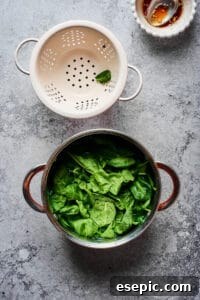
- Blanch the Spinach: If you haven’t already, prepare your spinach. Bring a small amount of water to a boil in a saucepan. Add the spinach to the boiling water, pressing it down to ensure it wilts evenly. Add a small pinch of salt to the spinach while it cooks, for about 30 seconds, to enhance its flavor and maintain its vibrant green color. Promptly drain the blanched spinach, rinse it thoroughly with cold water to stop the cooking, and squeeze out any excess moisture very well. Set aside.
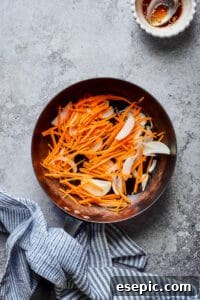
- Initiate the Stir-Frying – Carrots and Onions First: Heat 1 tablespoon of cooking oil in a large skillet or wok over medium heat. Add the thinly sliced onions and matchstick carrots to the skillet along with a pinch of salt. Stir-fry for about 2 to 3 minutes, or until the vegetables are aromatic and slightly softened but still retain a pleasant crispness. Transfer the cooked carrots and onions to a plate and set them aside.
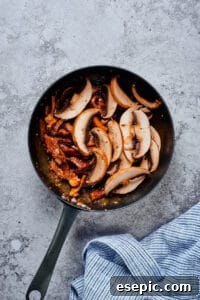
- Stir-Fry the Beef and Mushrooms: Add a little more oil (about 1 tablespoon) to the same skillet and increase the heat to medium-high. Add the marinated beef pieces and stir-fry them for approximately 4 to 5 minutes, or until they are fully cooked through and beautifully browned. Next, add the thinly sliced mushrooms to the skillet with the beef. Cover the skillet and cook for an additional 2 to 4 minutes, allowing the mushrooms to tenderize and release their rich flavors.
- Combine Noodles and Remaining Seasoning: With the beef and mushrooms cooked, it’s time to bring in the noodles. Pour the seasoned glass noodles and the remaining seasoning mixture directly into the skillet with the beef and mushrooms. Stir and toss everything vigorously to ensure the noodles are evenly coated and absorb all the delicious sauce. Continue to stir until the sauce is fully absorbed into the noodles. Once absorbed, remove the skillet from the heat and carefully transfer the entire mixture into a large, clean mixing bowl.
- Final Assembly and Seasoning Adjustment: To the large mixing bowl, add the blanched spinach, the stir-fried carrots and onions, and the chopped green onions. Sprinkle with salt and freshly ground black pepper to taste. Toss the mixture thoroughly to distribute all the ingredients evenly throughout the noodles. Sometimes, using your hands (once the mixture has cooled slightly) can be the easiest way to achieve an even distribution. Taste the Japchae and adjust the seasoning with more salt, pepper, sesame oil, or soy sauce as desired, until it perfectly suits your preference.
- Garnish and Serve: Garnish generously with additional toasted sesame seeds. If you desire an extra depth of flavor, a final drizzle of sesame oil or a splash of soy sauce can be added before serving. Serve your homemade Japchae warm, or if you prefer, chill it and serve it cold – it’s delicious either way! Enjoy the rich, complex flavors of this Korean masterpiece.
Pro Tips for Japchae Success: Making Your Dish Shine
While making Japchae is an incredibly rewarding culinary adventure, its multi-component nature means a bit of thoughtful preparation goes a long way. Since various ingredients are cooked separately to achieve their optimal texture and flavor, a strategic approach will ensure a smooth and enjoyable cooking experience. Consider these helpful hints to elevate your Japchae to restaurant-quality perfection:
- Embrace “Mise en Place”: This French culinary term, meaning “everything in its place,” is your best friend when making Japchae. Since this stir-fry involves cooking several ingredients individually, dedicating time to prepare all your components beforehand is crucial. Get all your slicing, chopping, and measuring out of the way before you even turn on the stove. This streamlined process will dramatically reduce cooking stress and ensure that your stir-frying steps flow effortlessly.
- Optimize Your Cooking Time: To be efficient, consider cooking the spinach and glass noodles simultaneously. While they absolutely require separate pots (one for the noodles, one for the spinach blanching), if you have sufficient stovetop space, tackling both at the same time is a fantastic time-saver. This allows both components to be cooked, drained, and ready for mixing around the same time, preventing delays.
- Prioritize Quality Steak: The tenderness of the beef is paramount to an outstanding Japchae. Avoid cuts with excessive gristle. We highly recommend using a good-quality flank steak, sirloin, or even a tenderloin for a more luxurious touch. Crucially, always remember to slice the beef against the grain into thin, bite-sized pieces. This technique breaks up the muscle fibers, resulting in melt-in-your-mouth tender beef that perfectly complements the soft noodles and crisp vegetables.
- Don’t Overcook Your Veggies: The beauty of Japchae lies in the varied textures. Stir-fry your vegetables just until they are crisp-tender and vibrant in color, not soft or mushy. Overcooked vegetables can detract from the overall appeal of the dish.
- Season in Layers: While the main seasoning blend is fantastic, remember to season the individual ingredients (like beef, spinach, carrots, and onions) with a pinch of salt during their separate cooking stages. This builds flavor from the ground up, rather than relying solely on the final sauce.
- Adjust Sweetness to Taste: The sweetness in Japchae is a delicate balance. Feel free to adjust the amount of sugar in the seasoning blend to suit your personal preference. Some prefer a slightly sweeter profile, while others might lean towards a more savory dish.
Perfect Pairings: Delightful Side Dish Ideas for Japchae
Japchae is a wonderfully complete meal on its own, offering a balanced mix of protein, carbohydrates, and vegetables. Often, all you truly need to enjoy it is a trusty pair of chopsticks (or a fork, if that’s your preference!). However, if you’re looking to expand your Korean culinary experience or simply want to add a delightful accompaniment, there are several fantastic side dishes that complement the rich flavors of Japchae beautifully. Here are some highly recommended pairings:
- Egg Drop Soup: For a warm, comforting, and incredibly simple start to your meal, a classic Egg Drop Soup is an excellent choice. Its delicate flavors and silky texture provide a gentle contrast to the hearty stir-fry. This recipe demonstrates just how effortless it is to create this soothing soup right in your own kitchen.
- Potstickers (Mandu): Who could possibly resist the allure of savory, perfectly pan-fried dumplings? Easy Chicken Potstickers are not only fun to prepare but also utterly scrumptious to eat. Filled with a delectable mixture of cabbage, scallions, ground chicken, and an array of other savory ingredients, they offer a textural and flavor contrast that enhances the entire dining experience.
- Crispy Spring Rolls: Another beloved takeout favorite, Golden Veggie Spring Rolls bring an irresistible crispy, crunchy element to your table. Packed with fresh vegetables and fried to golden perfection, these craveable rolls provide a satisfying crunch that plays wonderfully against the soft noodles of Japchae. This recipe is guaranteed to bring smiles all around.
- Kimchi: No Korean meal is complete without kimchi! The fermented, spicy, and tangy cabbage offers a refreshing counterpoint to the sweet and savory notes of Japchae, cutting through the richness and awakening the palate.
- Pickled Radish (Danmuji): Thinly sliced, bright yellow pickled radish offers a crisp texture and a sweet-tart flavor that cleanses the palate and adds a burst of freshness.
Storing and Reheating Japchae: Maintaining Flavor and Texture
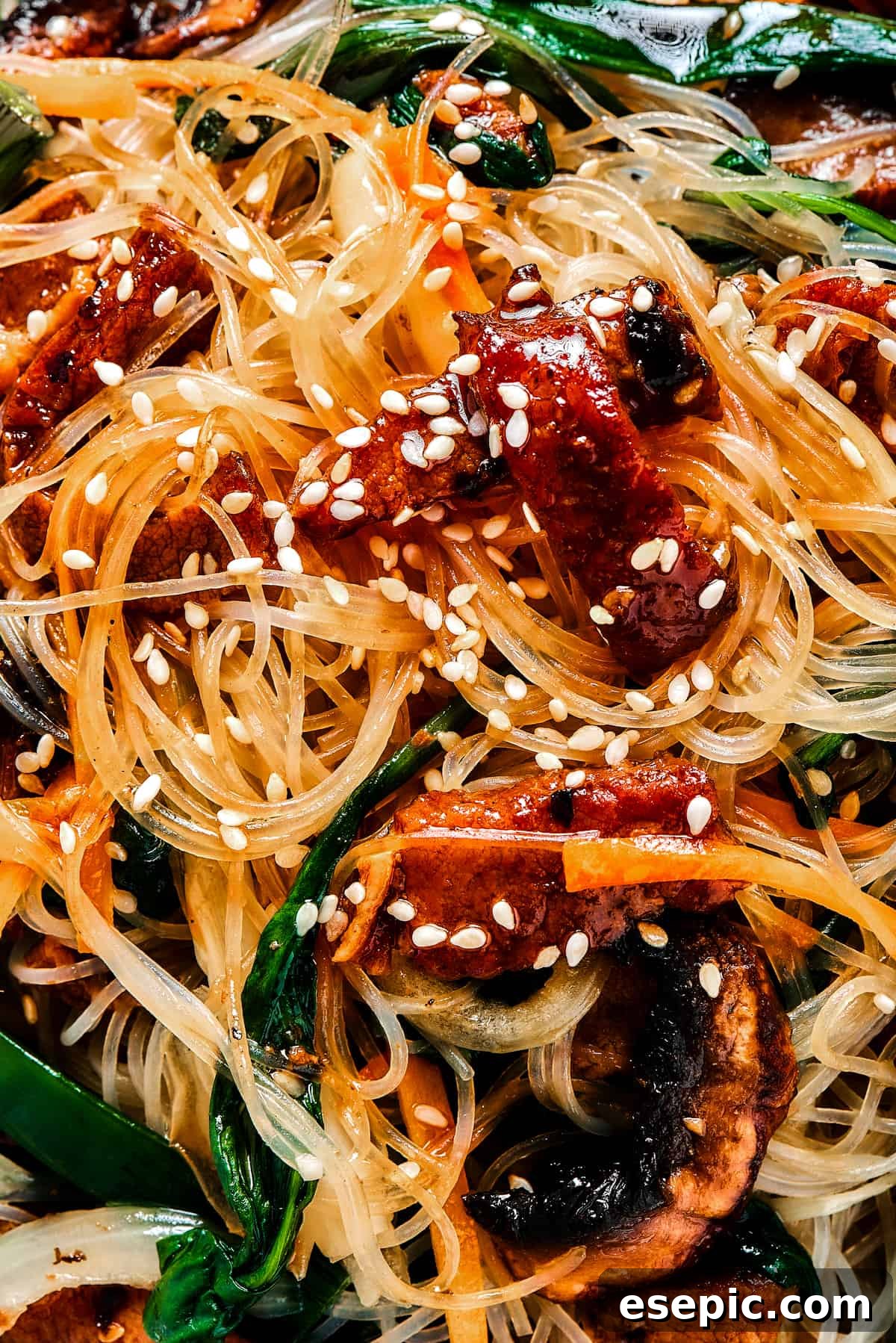
While Japchae is undeniably at its peak when enjoyed fresh off the wok, it also makes for delightful leftovers. With proper storage and reheating techniques, you can extend the enjoyment of this flavorful dish. It’s worth noting that the texture of the glass noodles and some vegetables might become slightly softer after refrigeration and reheating, but the delicious taste will certainly remain.
- To Store: Once your beef stir fry with glass noodles has cooled completely to room temperature, transfer it to a clean, resealable bag or an airtight container. Ensure it’s sealed tightly to prevent air exposure, which can dry out the noodles. Refrigerate for up to two days. Beyond this, the quality, particularly the noodle texture, may begin to diminish.
- To Reheat: For best results, place the desired portion of Japchae in a lightly-oiled skillet over medium heat. Add a tablespoon or two of water or broth to create some steam, then cover the skillet. Cook, stirring gently and occasionally, for a few minutes until the beef pieces and vegetables are heated through. Be cautious not to stir too vigorously or cook for too long, as this can cause the delicate glass noodles to become overly soggy and lose their appealing springy texture. Gently warming is key.
Can You Freeze Japchae? Preserving Your Korean Delight
Yes, you absolutely can freeze leftover beef stir fry with glass noodles, making it a convenient option for meal prep or enjoying at a later date. While freezing and thawing may subtly alter the texture of the vegetables and noodles, making them a bit softer, the dish will remain safe and delicious to eat if properly stored and reheated. Consider these guidelines for successful freezing:
- To Freeze: Allow the Japchae to cool completely after cooking. Divide the leftovers into individual or family-sized portions. Place them into freezer-safe bags, ensuring to press out as much air as possible before sealing, or use airtight containers specifically designed for freezing. Label each container or bag with the date to keep track of freshness. Japchae can be safely frozen for up to 2 months.
- To Thaw and Reheat: When you’re ready to enjoy your frozen Japchae, transfer it from the freezer to the refrigerator and allow it to thaw overnight. Once thawed, reheat it using the same method as refrigerated leftovers: in a lightly-oiled skillet over medium heat, with a splash of water or broth, covered, and stirred gently until heated through. As with reheating refrigerated Japchae, be mindful not to overcook to preserve the noodle texture as much as possible.
Print Recipe
Beef Stir Fry with Glass Noodles (Japchae)
Ingredients
For Seasoning:
- 6 tablespoons low sodium soy sauce
- 4 tablespoons sesame oil
- 3 tablespoons sugar
- 3 cloves garlic,, minced
- toasted sesame seeds,, plus more for garnish
For the Stir Fry:
- 7 ounces Korean potato starch noodles,, (glass noodles)
- 1 pound flank steak,, cut into bite-sized pieces
- 2 cups bunch baby spinach
- 3 tablespoons vegetable oil,, divided
- 1 yellow onion,, thinly sliced
- 2 medium carrots,, cut into matchsticks
- 2 green onions,, root ends removed, cut into bite-sized pieces
- 4 to 5 fresh portobello mushrooms,, thinly sliced
- salt and freshly ground black pepper,, to taste
Instructions
-
Mix all seasoning ingredients together in a small bowl.
-
Bring a large pot of salted water to boil. When the water has come to a boil, remove it from the heat and place the noodles in it. Leave them in the hot water for 7 to 8 minutes, or follow the instructions on the package. Drain the water, and rinse briefly with cold water. Set aside.
-
Place the beef pieces in a separate bowl, and season with about 3 tablespoons of your seasoning mixture. Set aside to marinate.
-
Add 2 tablespoons of the seasoning to the drained and rinsed glass noodles. Mix well, until the noodles are evenly coated in the sauce. Set aside.
-
Lightly blanch the spinach by adding it to a pot of boiling water with a pinch of salt, for about 30 seconds. Rinse under cold running water to stop the cooking process and preserve the spinach’s nutritional value. Drain and set them aside.
-
Heat 1 tablespoon vegetable oil in a large skillet or wok set over medium heat; stir in the sliced onions, carrots, and green onions. Add couple pinches of salt, and cook for about 2 to 3 minutes, or until aromatic but still crisp; transfer to a plate and set aside.
-
Pour a little more oil in the skillet, increase the heat to medium-high, and stir in the beef chunks; cook for about 4 to 5 minutes, or until cooked through.
-
Next, add the sliced mushrooms to the beef. Cover and cook for 3 minutes, or until the mushrooms are tender and cooked.
-
To the skillet, add the cooked noodles and the remaining seasoning mixture. Stir and toss to coat the noodles evenly. Once the sauce is absorbed into the noodles, remove the skillet from the heat. Transfer the ingredients to a large, clean mixing bowl.
-
Add the prepared vegetables to the same bowl, along with salt and pepper to taste. Toss well to distribute the ingredients evenly. Taste and season accordingly.
-
Garnish with toasted sesame seeds, adding more sesame oil and soy sauce as needed.
-
Serve warm, or chill and serve cold.
Notes
Nutrition
Carbohydrates: 42g |
Protein: 20g |
Fat: 14g |
Saturated Fat: 3g |
Polyunsaturated Fat: 4g |
Monounsaturated Fat: 5g |
Trans Fat: 0.002g |
Cholesterol: 45mg |
Sodium: 648mg |
Potassium: 686mg |
Fiber: 2g |
Sugar: 9g |
Vitamin A: 4375IU |
Vitamin C: 7mg |
Calcium: 57mg |
Iron: 3mg
Nutritional info is an estimate and provided as courtesy. Values may vary according to the ingredients and tools used. Please use your preferred nutritional calculator for more detailed info.
Did you make this recipe? Leave a rating
Explore More Savory Stir Fry Recipes
If you’ve enjoyed the delightful experience of making and tasting this Beef Stir Fry with Glass Noodles, you’re in for a treat! The world of stir-fries is vast and full of incredible flavors waiting to be discovered. Here are a few more savory stir-fry recipes from around the globe that are sure to tantalize your taste buds and add variety to your weeknight meals:
- Honey Balsamic Beef Stir Fry: A delectable fusion of sweet and tangy, this stir-fry features tender beef strips coated in a rich honey balsamic glaze, alongside crisp vegetables. It’s a quick and flavorful dish perfect for a busy evening.
- Szechuan Chicken: For those who appreciate a kick of spice, this Szechuan Chicken recipe delivers bold, fiery flavors characteristic of Chinese Szechuan cuisine. Juicy chicken pieces are stir-fried with vibrant vegetables in a piquant sauce.
- Pad See Ew: Transport your palate to Thailand with this popular noodle dish. Wide, flat rice noodles are stir-fried with tender meat (often beef or chicken), Chinese broccoli, and egg in a savory, slightly sweet, and tangy dark soy sauce. It’s a comforting and incredibly satisfying meal.