
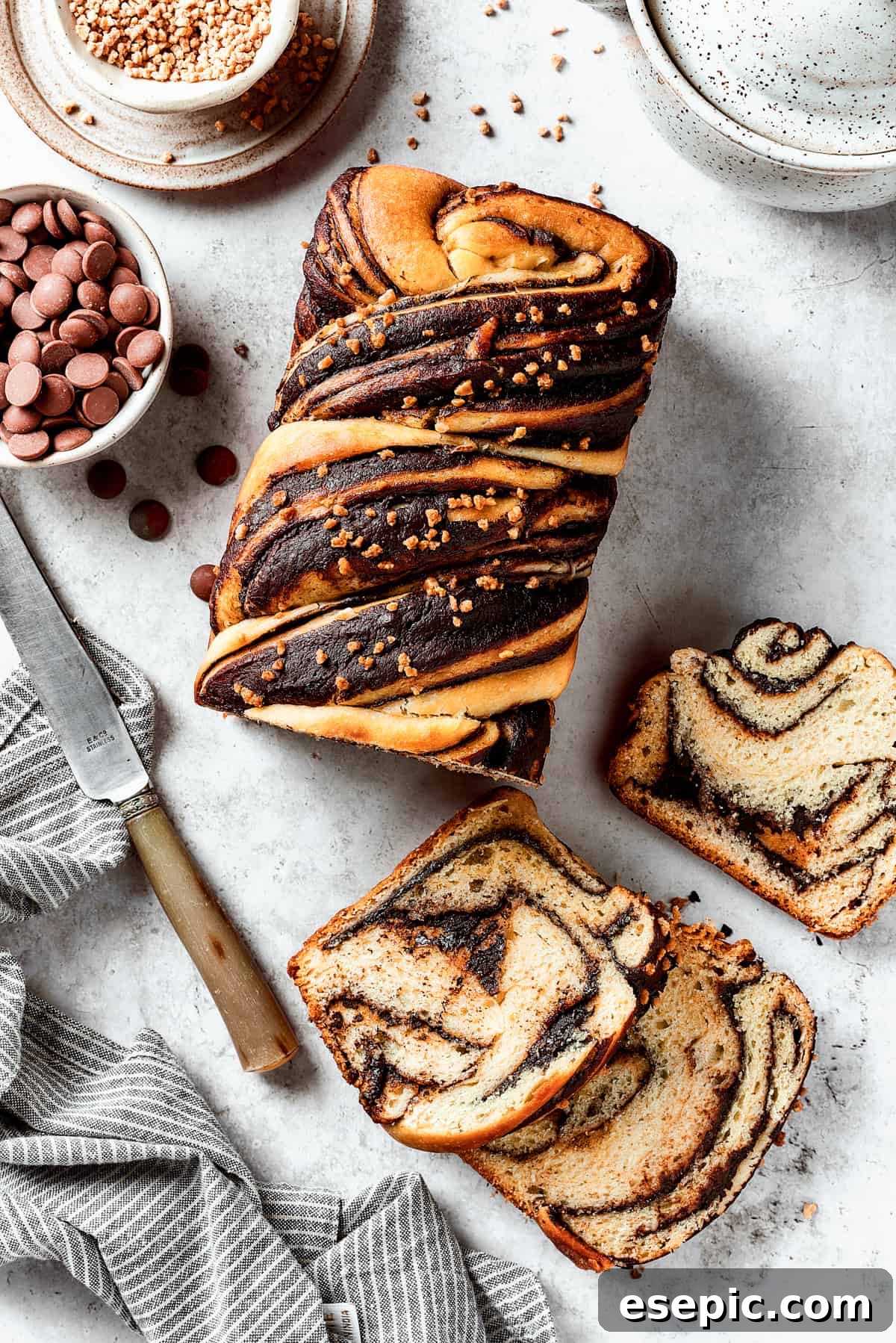
Indulge in the sweet, comforting embrace of homemade Chocolate Babka – a truly classic, old-fashioned bake that transforms any occasion into a celebration. This tender, rich yeast bread, generously swirled with decadent real chocolate, promises a taste experience that is both sophisticated and deeply satisfying. Perfect for a special breakfast, an elegant dessert, or a luxurious afternoon treat, our detailed guide will help you recreate this bakery-quality masterpiece in your own kitchen.
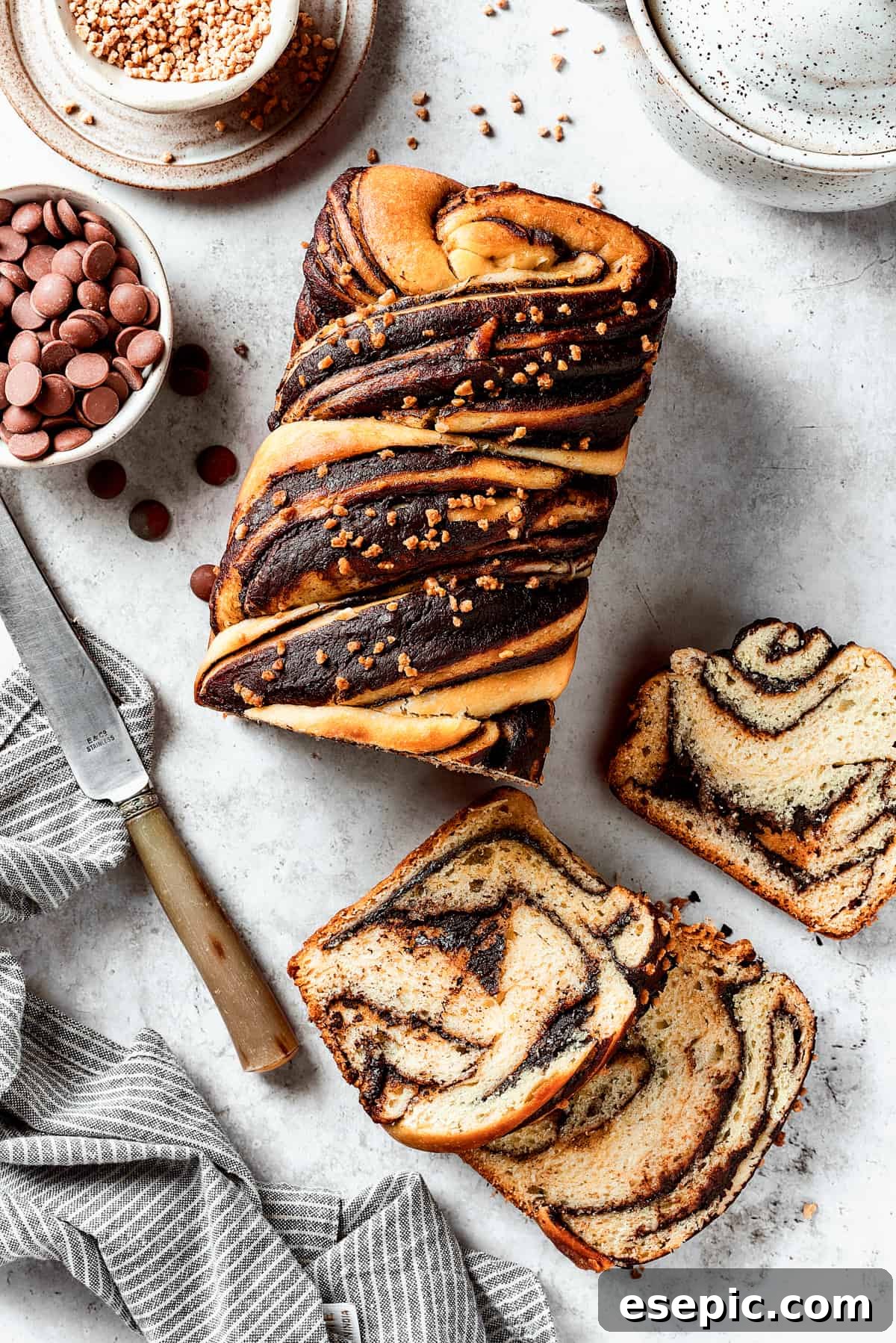
The Timeless Allure of Traditional Chocolate Babka: A Sweet Yeast Bread with Enchanting Chocolate Swirls
For those yet to experience the magic of chocolate babka, prepare for a culinary revelation. This isn’t just a loaf of bread; it’s an edible work of art, a symphony of textures and flavors that has captivated palates worldwide for generations. Traditional babka, with its signature twisted layers of soft, buttery dough and rich chocolate filling, is a staple in bakeries across continents, cherished for its unique combination of simplicity and indulgence.
Originating from the Jewish communities of Eastern Europe, babka translates to “grandmother” or “old woman,” a nod to the loving, artisanal care often associated with its preparation. It started as a humble bread enriched with eggs and sugar, often with fruit jams or cinnamon. However, the chocolate version, particularly popularized in North American bakeries, has become arguably the most iconic. Its evolution into the chocolate-laden marvel we know today speaks to a universal love for this comforting sweet bread. Learning to bake this beloved treat in your own kitchen is a rewarding journey, surprisingly accessible even for novice bakers. The process involves crafting a simple yet enriched yeast dough, rolling it out, spreading a luscious chocolate filling, and then performing a distinctive twist that creates the beautiful, marbled effect you see in every slice. The result is a homemade chocolate swirl bread that will undoubtedly earn you rave reviews and bring warmth to any gathering.
Babka Versatility: Breakfast, Dessert, or Anytime Delight?
The beauty of chocolate babka lies in its incredible versatility. Is it a dessert? Absolutely. Is it a breakfast item? Without a doubt! It defies strict categorization, effortlessly transitioning from a morning pastry alongside your coffee to an elegant after-dinner indulgence. Imagine a slice with your weekend brunch, a comforting snack during a chilly afternoon, or a delightful addition to any lunchbox. Babka truly is whatever you desire it to be – a sweet companion for any moment, perfect for sharing with loved ones or savoring by yourself.
Serving Temperatures: Warm or Cold, The Ultimate Babka Experience
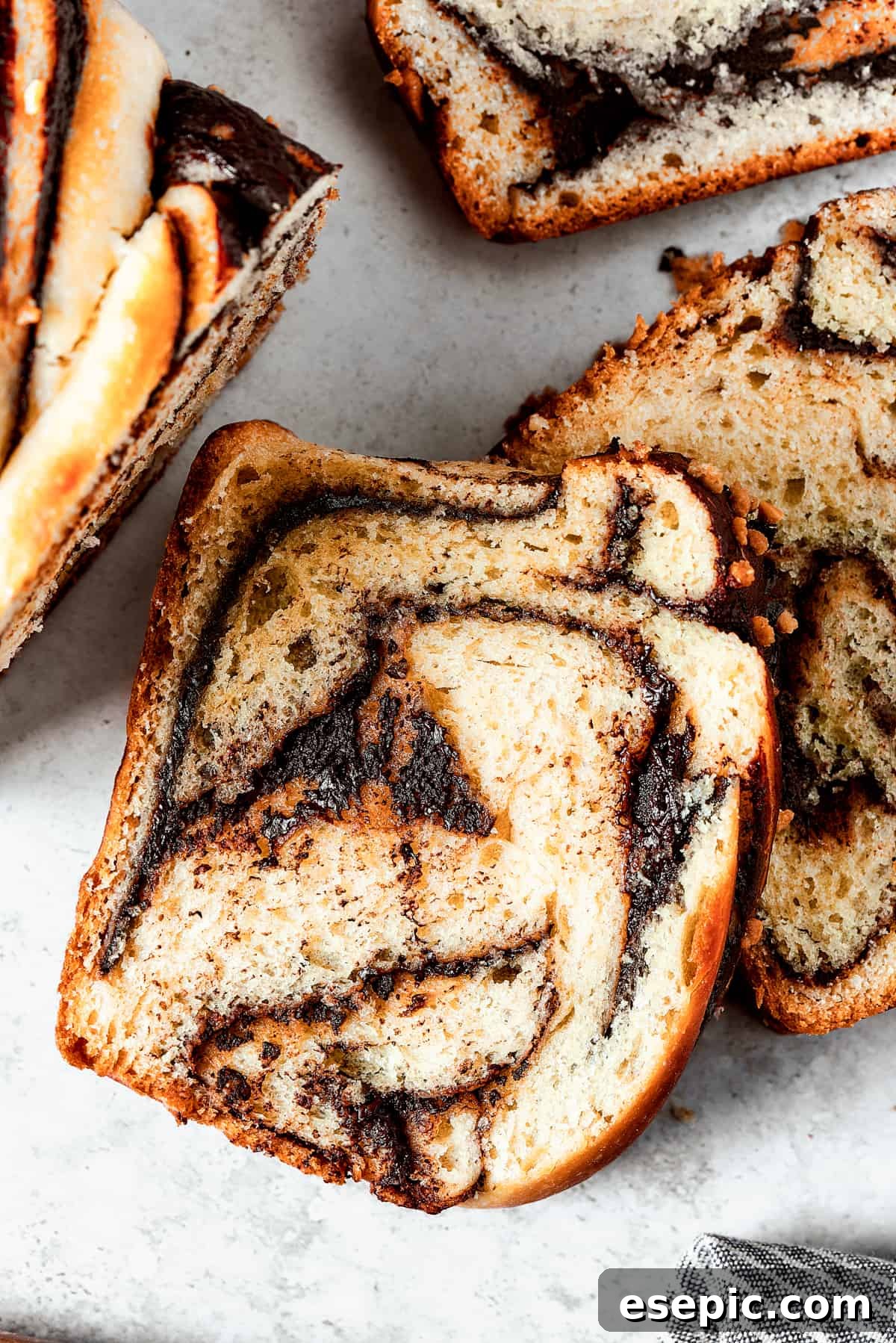
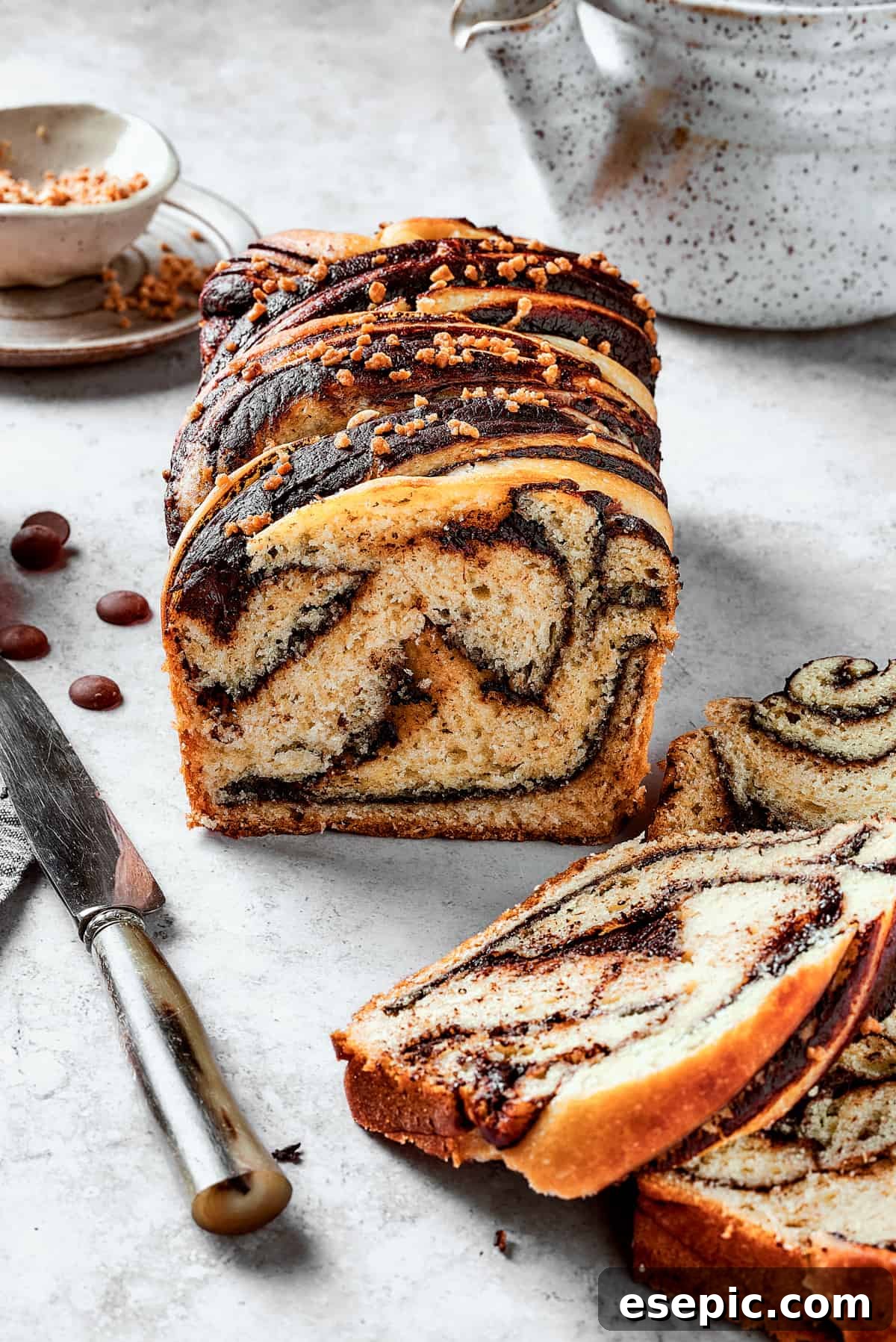
When it comes to serving this delightful sweet bread, there’s truly no wrong way. Chocolate babka is wonderful whether enjoyed warm, at room temperature, or even chilled. However, to experience its full potential, we highly recommend warming it slightly. A gently warmed slice reveals a molten, gooey chocolate core that contrasts beautifully with the soft, fluffy dough, creating an unparalleled sensory experience. The warmth enhances the chocolate’s aroma and melts the butter in the dough, making each bite incredibly moist and tender. While still delicious, a colder babka might present a slightly firmer texture, and the chocolate filling will be less yielding. For an optimal experience, a quick zap in the microwave or a few minutes in a warm oven can transform a good slice of babka into an extraordinary one.
Essential Ingredients for Your Homemade Chocolate Babka
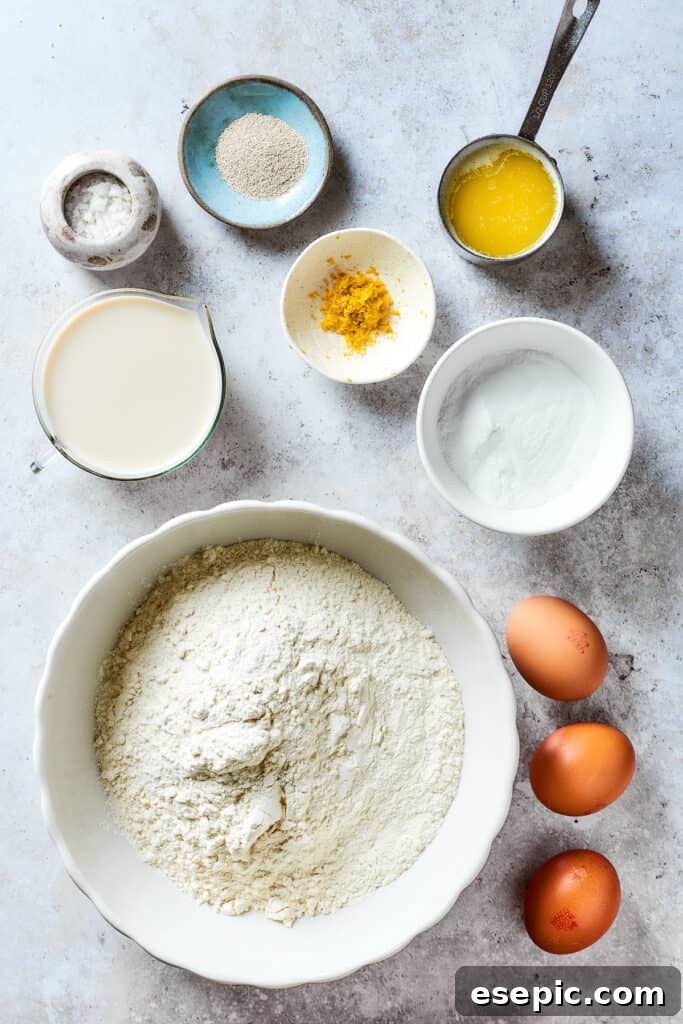
Crafting this exquisite bread requires a selection of simple, everyday ingredients, most of which you likely already have in your pantry. The quality of your ingredients, however, can make a significant difference in the final taste and texture of your babka. Below is a comprehensive list, with notes on why each component plays a crucial role in creating the perfect tender, chocolate-swirled loaf.
For the Enriched Dough
- All-Purpose Flour: This provides the fundamental structure for our babka. While bread flour can also be used for a chewier texture, all-purpose flour strikes a perfect balance, yielding a tender yet robust crumb that can hold up to the rich filling. For best results, measure flour accurately, ideally by weight or using the spoon-and-level method.
- Large Eggs: Eggs are key to an enriched yeast dough, contributing to its richness, golden color, and delicate texture. They also add structure and help bind the dough, ensuring a soft and moist interior. Ensure your eggs are at room temperature for better incorporation into the dough.
- Warm Milk: Milk not only adds tenderness and flavor but is crucial for activating the yeast. It needs to be warm, ideally between 105°F and 115°F (40-46°C). Too cold, and the yeast won’t activate; too hot, and it will kill the yeast, preventing your dough from rising.
- Active Dry Yeast: The leavening agent that gives babka its characteristic airy and fluffy texture. Always check the expiration date and ensure your yeast is fresh for a successful rise. Active dry yeast needs to be activated in warm liquid, unlike instant yeast which can be mixed directly with dry ingredients.
- Lemon Zest: A secret ingredient that truly elevates the babka’s flavor profile. The bright, citrusy notes of lemon zest cut through the richness of the chocolate and butter, adding a subtle tang and an incredibly fresh aroma that makes the babka taste even more vibrant and complex.
- Granulated Sugar: Sweetens the dough just enough to complement the chocolate, but also feeds the yeast, helping it activate and produce carbon dioxide for rising. You can experiment with other sweeteners like light brown sugar for a slightly deeper, molasses-like flavor, or even a touch of maple syrup, though liquid sweeteners may require a small adjustment in flour quantity.
- Salt: Essential for balancing the sweetness and enhancing all the other flavors in the dough. It also plays a role in regulating yeast activity and strengthening the gluten structure. Don’t skip it!
- Unsalted Butter, Melted: Butter enriches the dough, making it incredibly tender, flavorful, and soft. Using unsalted butter gives you control over the overall salt content of your recipe. Make sure it’s melted but not hot when adding to the dough.
For the Rich Chocolate Filling
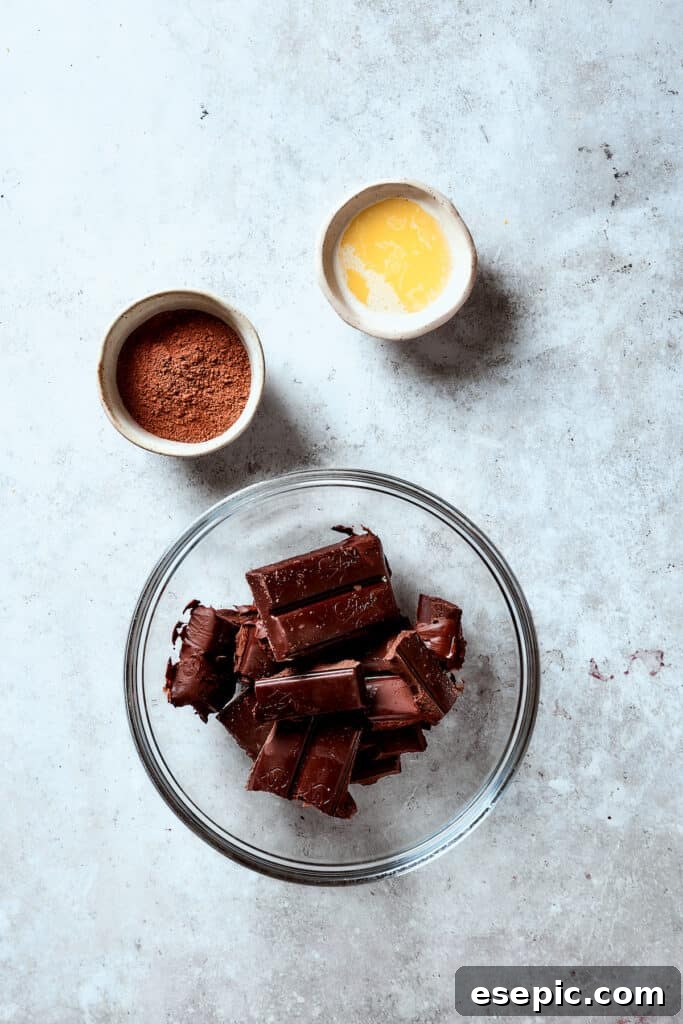
- Semisweet Chocolate Chips: The heart of our chocolate babka! Semisweet chocolate chips offer a perfect balance of sweetness and deep cocoa flavor, ensuring the filling is rich but not overly cloying. You could certainly use milk chocolate for a sweeter, creamier filling or dark chocolate for a more intense, sophisticated flavor, depending on your preference. High-quality chocolate will yield the best results.
- Unsalted Butter: Adds richness and helps create a smooth, spreadable consistency for the chocolate filling. It also contributes to the gooey texture once the babka is baked and warmed.
- Cocoa Powder: Whether natural or Dutch-processed, cocoa powder intensifies the chocolate flavor of the filling, giving it a deeper, more robust profile. It also helps to slightly thicken the filling, preventing it from oozing out during baking.
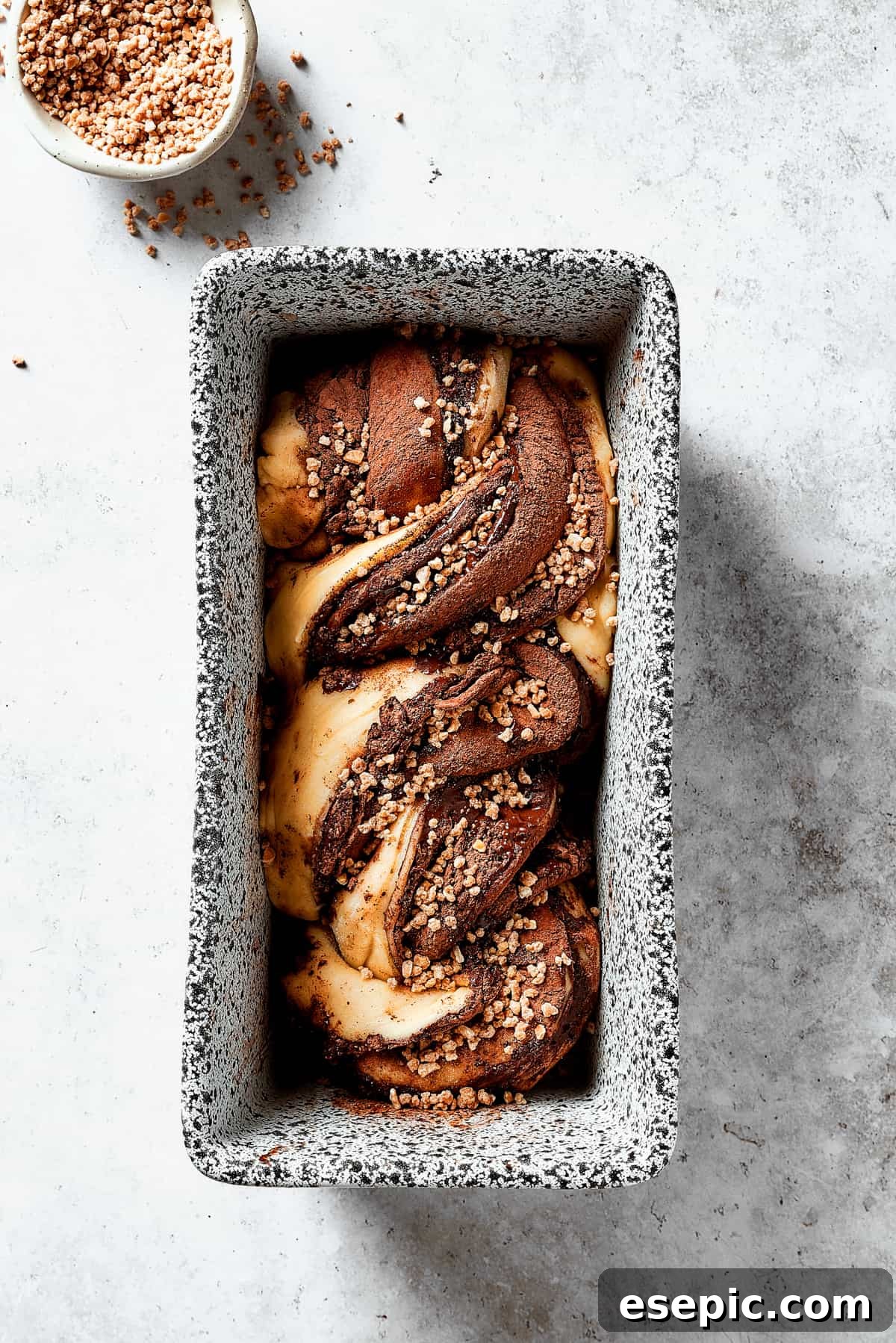
- Roasted, Diced Almonds (Optional): Sprinkling roasted, diced almonds on top of the babka before baking adds a delightful crunch and nutty flavor, providing a wonderful textural contrast to the soft bread and gooey chocolate. Feel free to substitute with other nuts like walnuts or pecans, or omit entirely for a pure chocolate experience.
How to Bake the Perfect Chocolate Babka!
Embarking on the journey of baking chocolate babka is a delightful experience that requires a bit of patience, but the rewards are immeasurable. While the process involves several steps, none are overly complicated, and the result is a stunning, delicious loaf that will impress everyone. Be sure to allocate ample time for both preparation and the crucial rising periods – approximately an hour and a half for rising alone. Here’s your comprehensive guide to crafting this exquisite sweet bread:
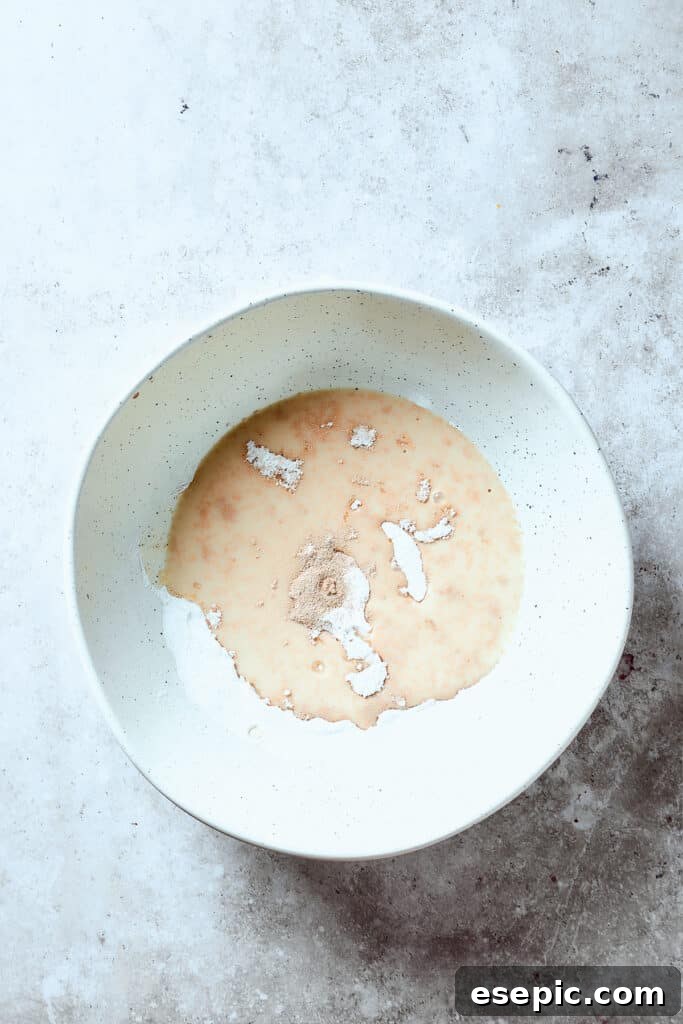
- Activate the Yeast for a Lively Dough. In a large mixing bowl, combine your warm milk, three tablespoons of sugar, a teaspoon of flour, and the active dry yeast. Give it a gentle stir to combine, then let this mixture sit undisturbed for about 5 to 10 minutes. This period is vital for the yeast to activate. You’ll know it’s ready when the mixture becomes bubbly and foamy on the surface. If you don’t see any activity, it likely means your milk was either too hot (killing the yeast) or too cold (inhibiting activation), or your yeast is past its prime. In such a case, it’s best to discard and start fresh with new ingredients to ensure your babka rises beautifully.
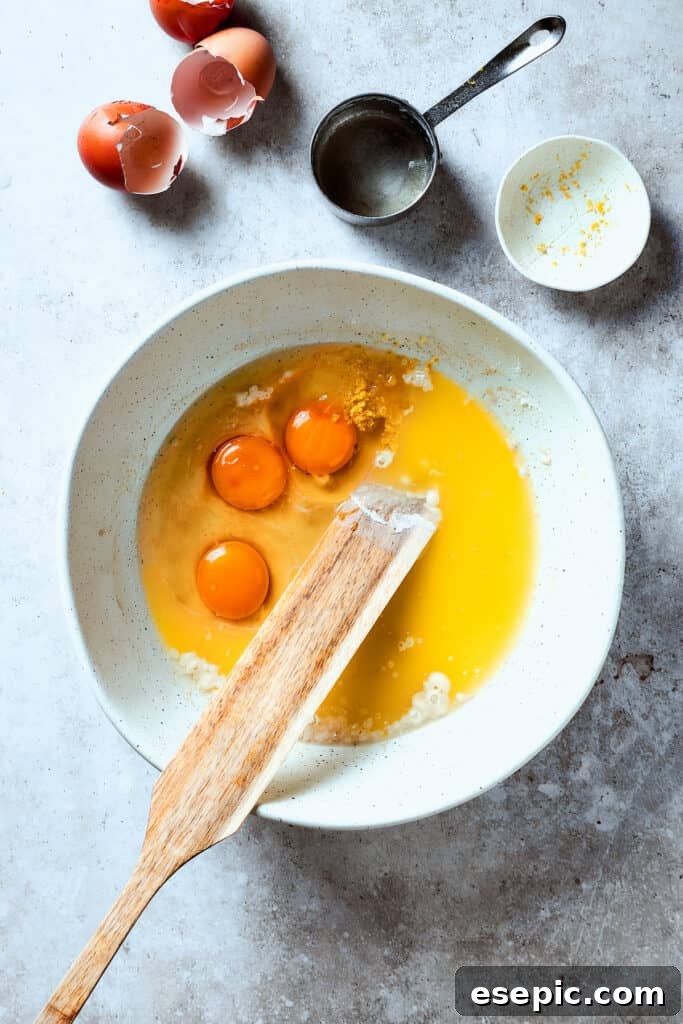
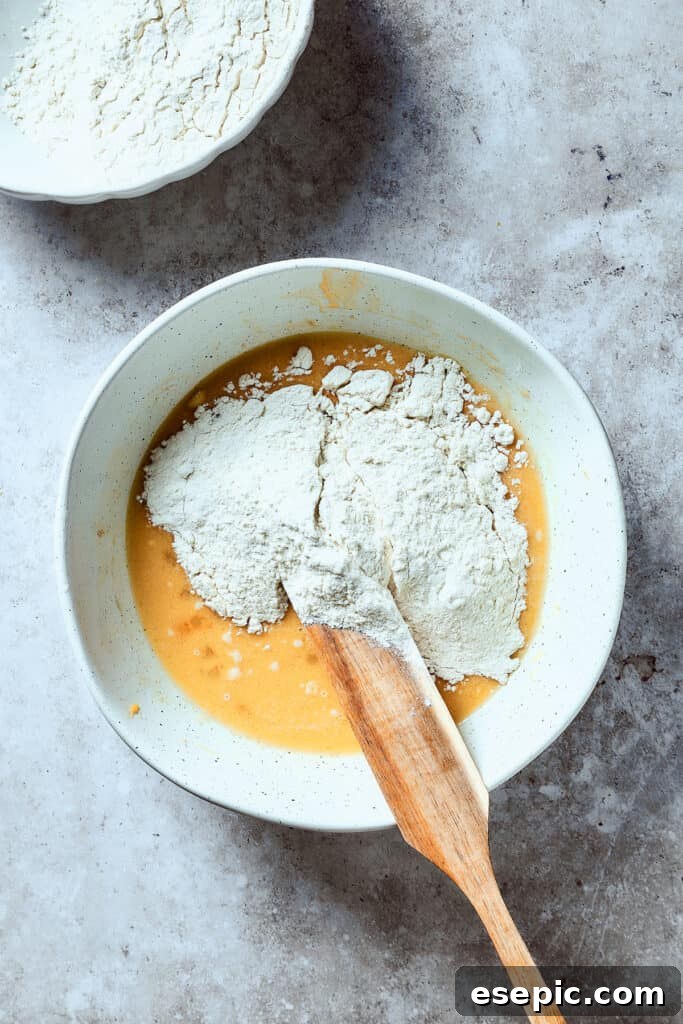
- Form the Rich Dough. Once your yeast is visibly active, add all the remaining dough ingredients (except for the flour) into the bowl. Whisk everything together thoroughly until well combined. Then, gradually incorporate the flour, adding it a little at a time. Mix with a sturdy wooden spoon or use a stand mixer with a dough hook on low speed. Knead the dough for about 5-7 minutes until it comes together into a soft, slightly sticky, yet manageable dough. Avoid overworking, but ensure all ingredients are fully integrated.
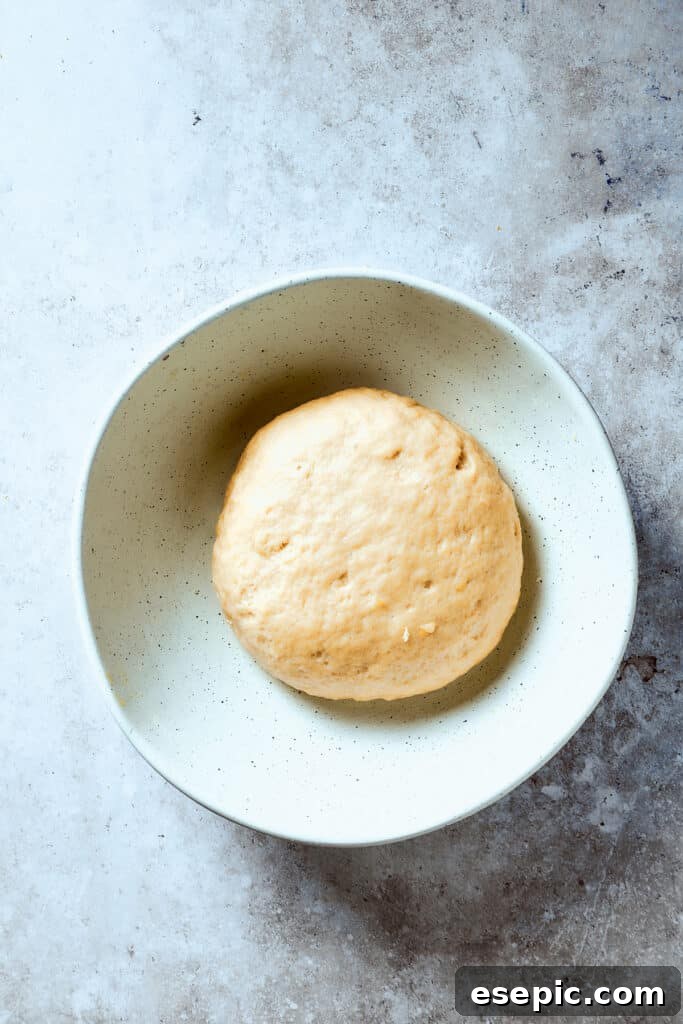
- First Rise: Developing Flavor and Texture. Lightly grease a clean bowl with oil, transfer the dough into it, turning it once to coat. Cover the bowl tightly with plastic wrap or a clean kitchen towel. Allow the dough to rise in a warm, draft-free place for approximately 1 hour, or until it has noticeably doubled in size. This slow rise is essential for developing the bread’s complex flavor and tender texture.
- Prepare the Decadent Chocolate Filling. While the dough is rising, prepare your filling. In a small saucepan or a heatproof bowl set over a pot of simmering water (double boiler method), melt the chocolate chips and butter together. Stir frequently until the mixture is smooth, glossy, and completely melted. Alternatively, you can microwave in 30-second intervals, stirring between each, until smooth. Set the filling aside to cool slightly, making it easier to spread later.
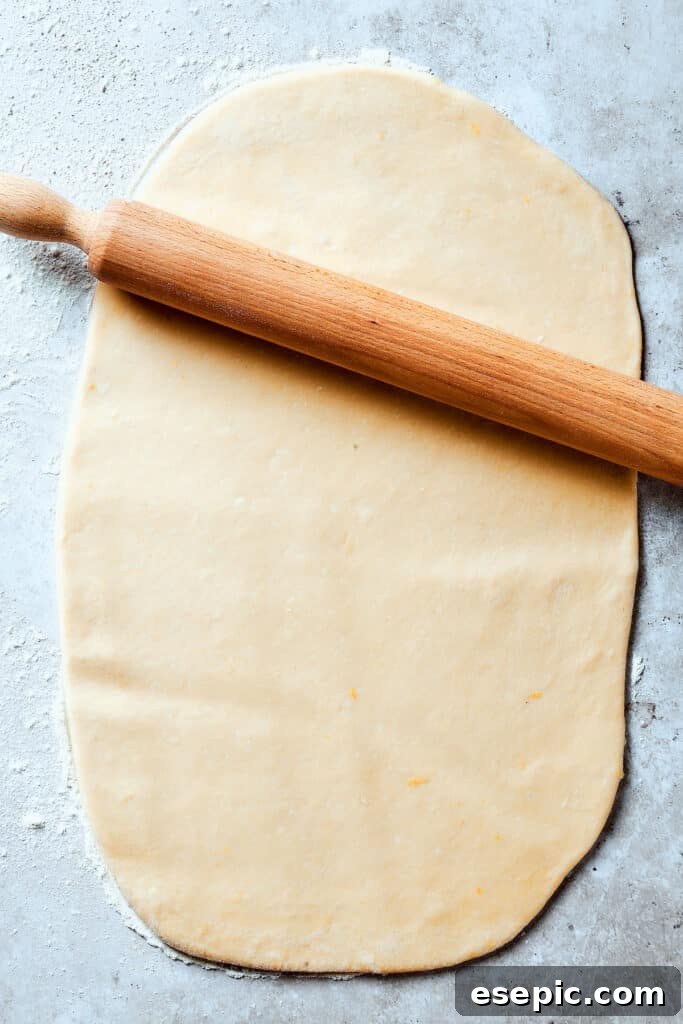
- Roll Out the Dough to Perfection. Once the dough has completed its first rise, gently punch it down to release the air. Lightly flour your work surface, then transfer the dough onto it. Using a rolling pin, roll the dough out into a large, thin rectangle, aiming for a thickness of about ⅛ to ¼ inch. The thinner the dough, the more intricate the swirls in your finished babka.
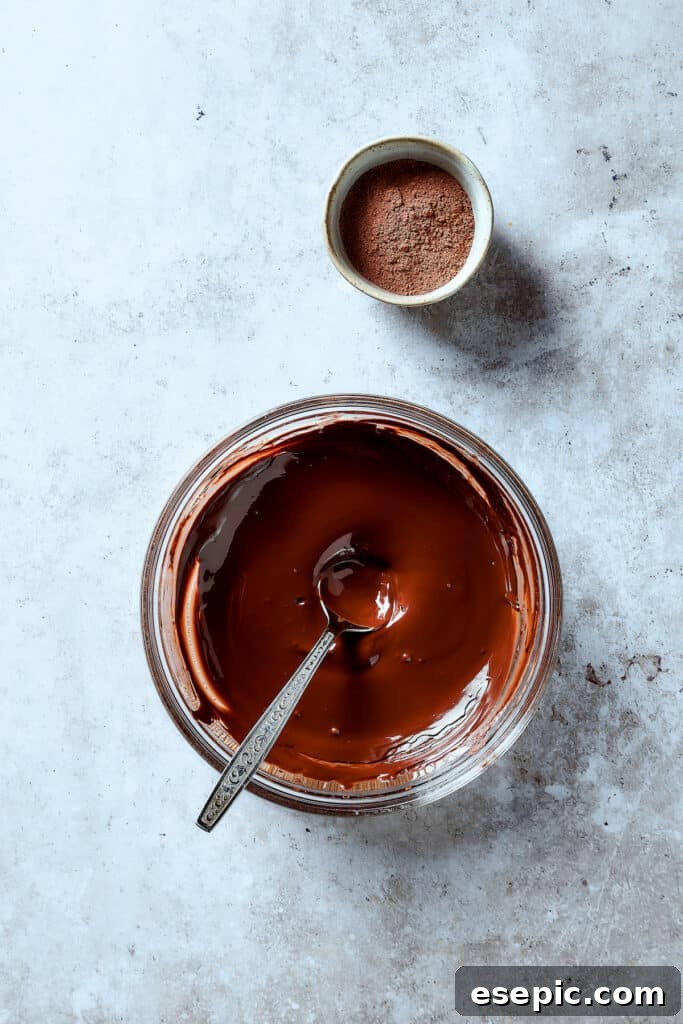
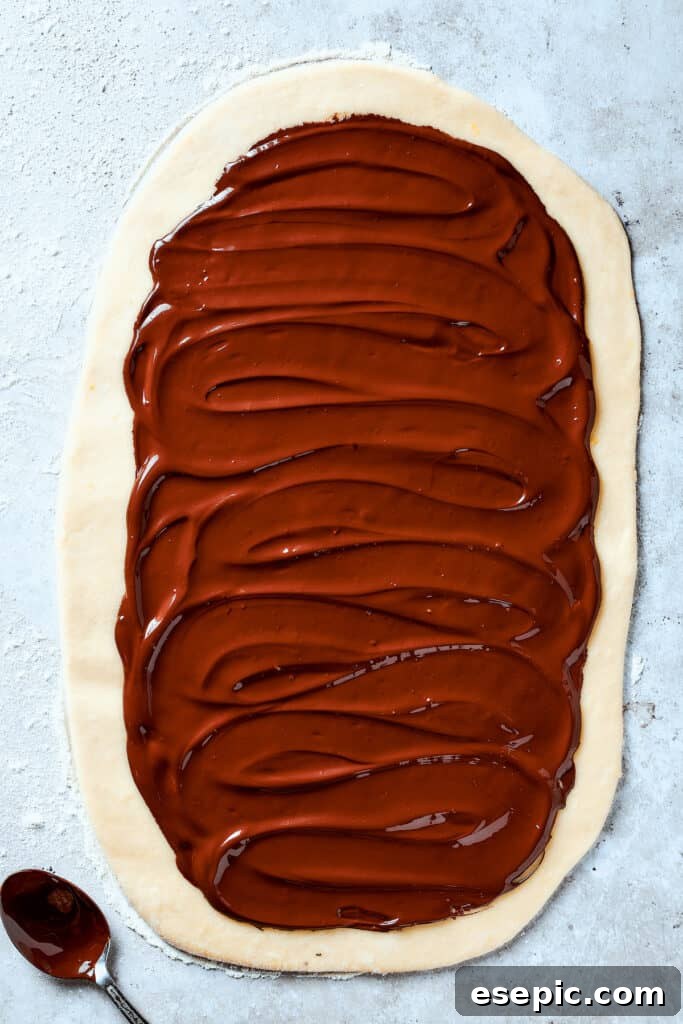
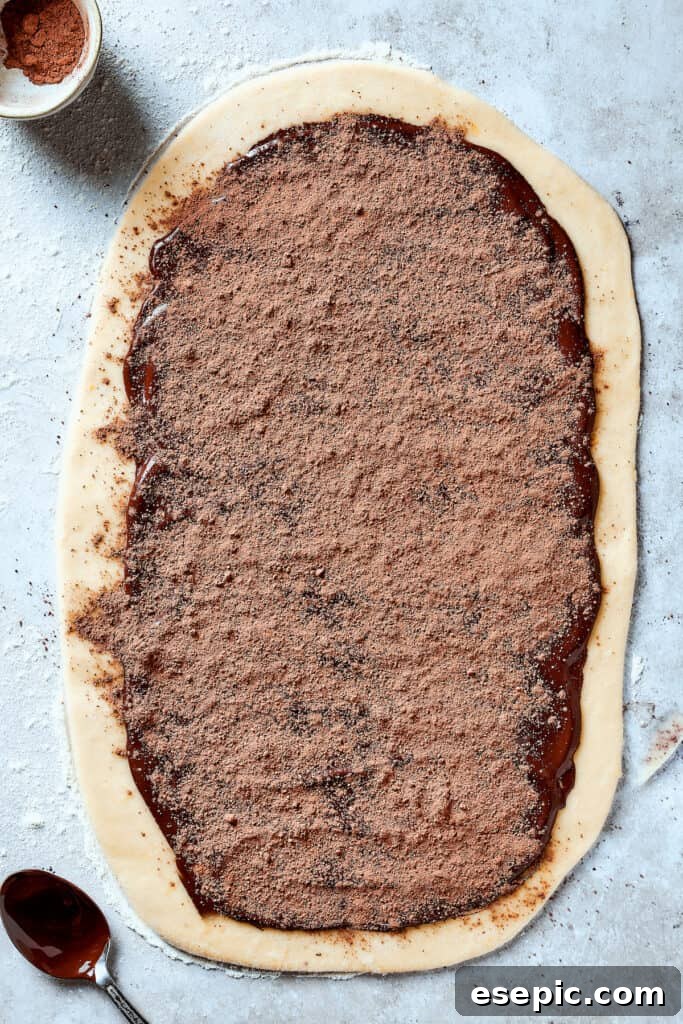
- Spread the Filling and Cocoa Powder. Evenly spread the slightly cooled melted chocolate filling over the entire surface of the rolled-out dough, leaving a small border (about ½ inch) along one long edge. This small border will help seal the roll. Then, generously sprinkle the cocoa powder over the chocolate layer. This extra cocoa intensifies the chocolate flavor and enhances the visual contrast in the swirls.
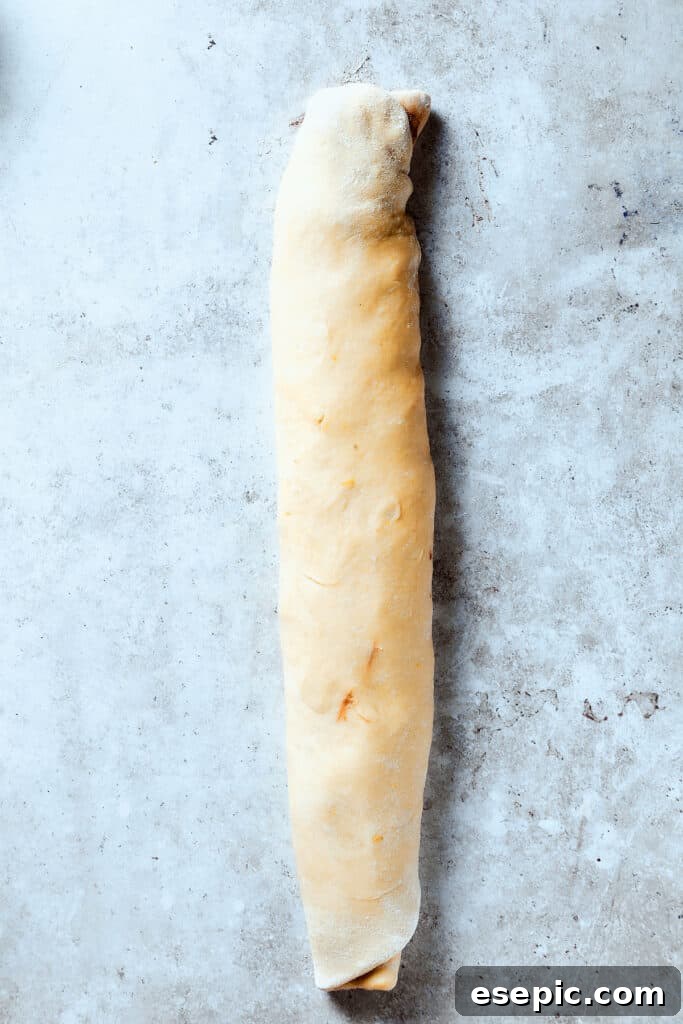
- Roll Up and Prepare for Twisting. Starting from one of the long edges, tightly roll up the dough into a cylinder. Pinch the seam closed firmly. Using a sharp knife or a bench scraper, carefully cut the cylinder in half lengthwise, creating two long strips that expose the beautiful chocolate layers.
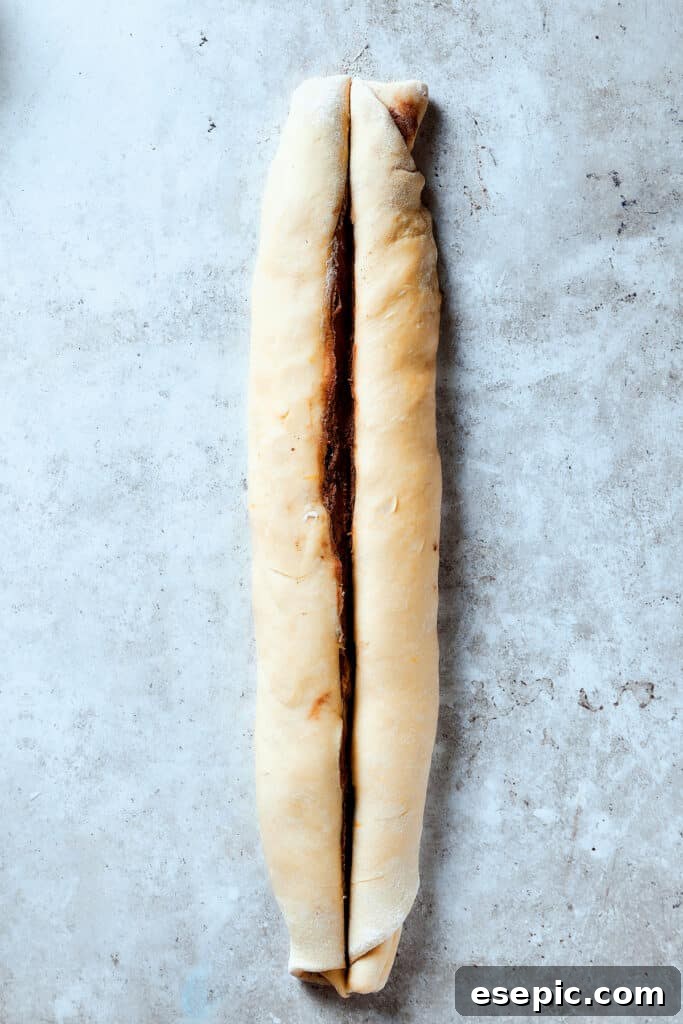
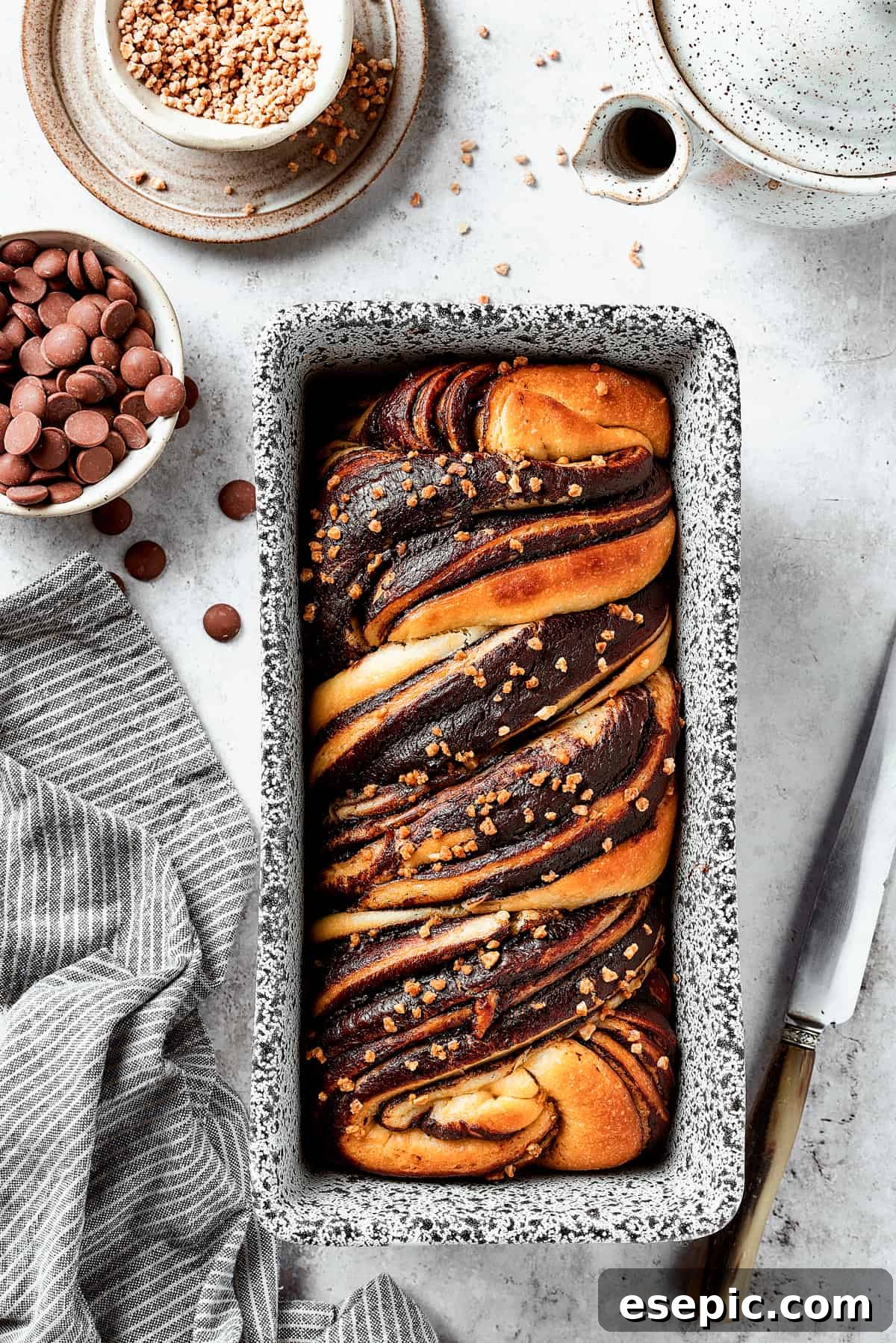
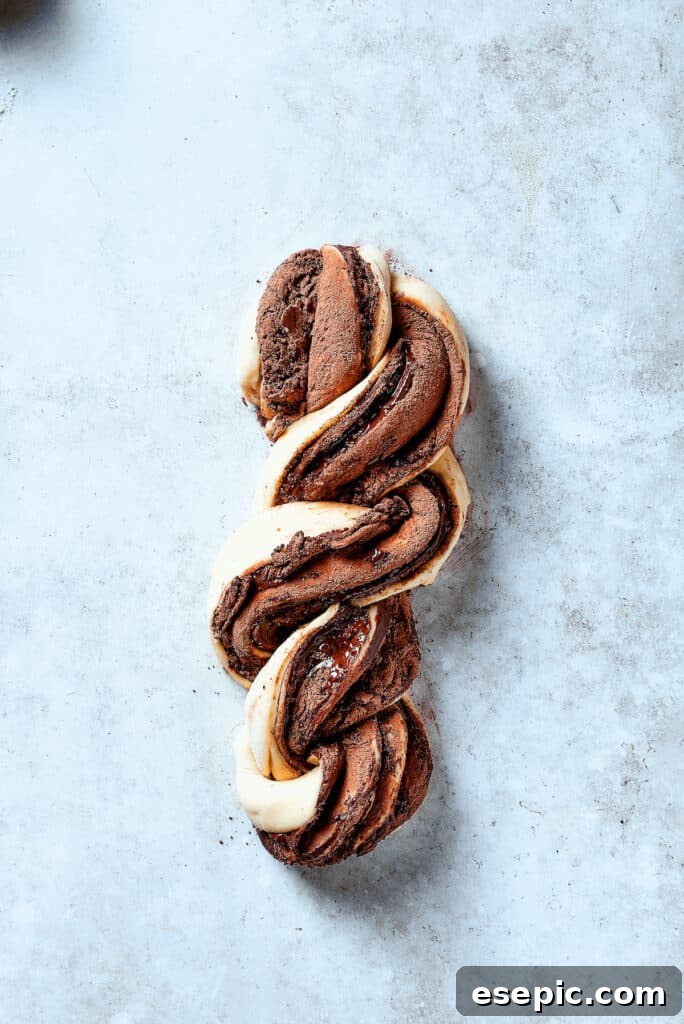
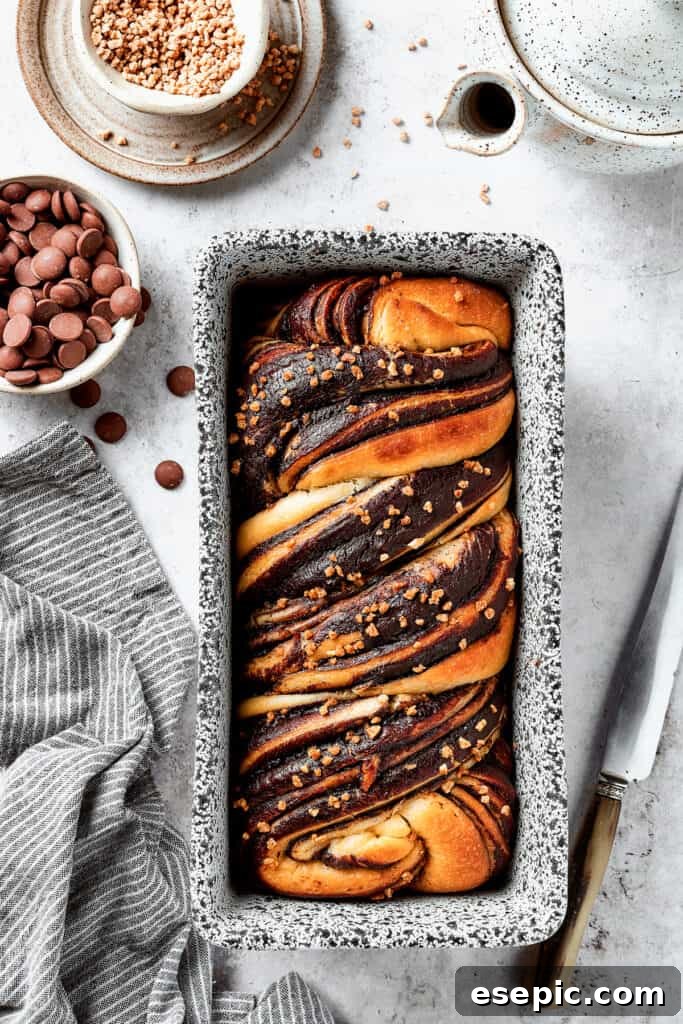
- Twist the Dough into a Beautiful Braid. Turn the two dough halves so their cut, layered sides are facing upwards. Carefully pinch the ends of the dough strips together at one end to secure them. Then, gently twist the two pieces around each other, mimicking a braid. As you twist, make sure to keep the exposed chocolate layers facing upwards to maximize the visual appeal of the finished babka. This distinctive twist is what gives babka its iconic marbled pattern.
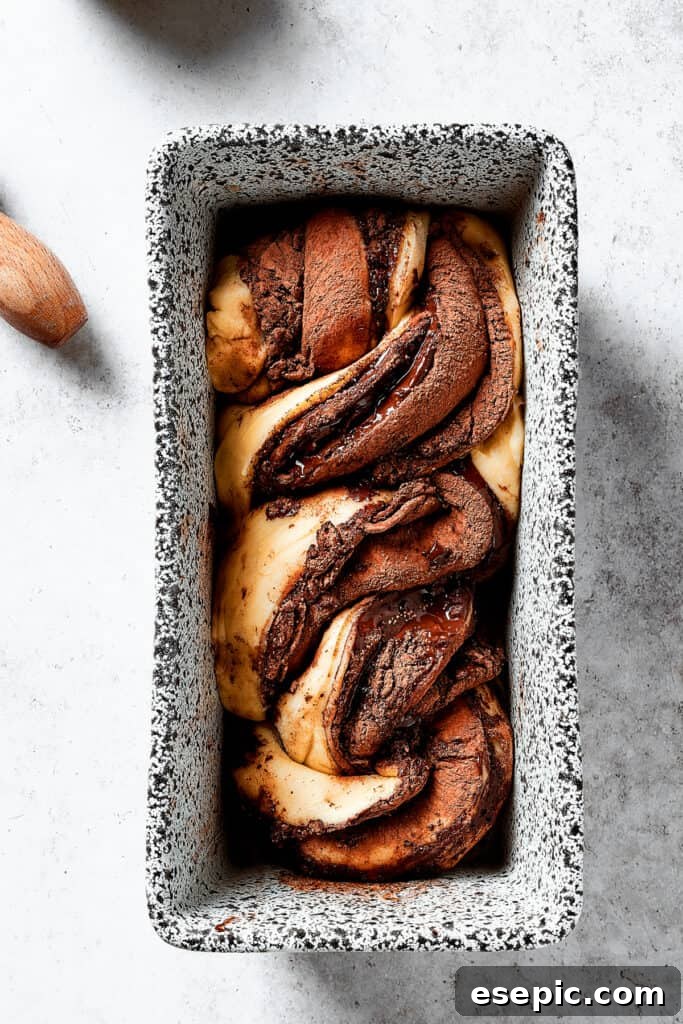
- Second Rise and Preheat. Carefully transfer the braided dough into a greased 9×5-inch loaf pan. If you’re using almonds, sprinkle them evenly over the top of the braided dough at this stage. Cover the loaf pan lightly with plastic wrap or a clean towel and let it rest for another 20 minutes in a warm spot. During this time, preheat your oven to 350°F (175°C). This final short rise ensures a light and airy texture.
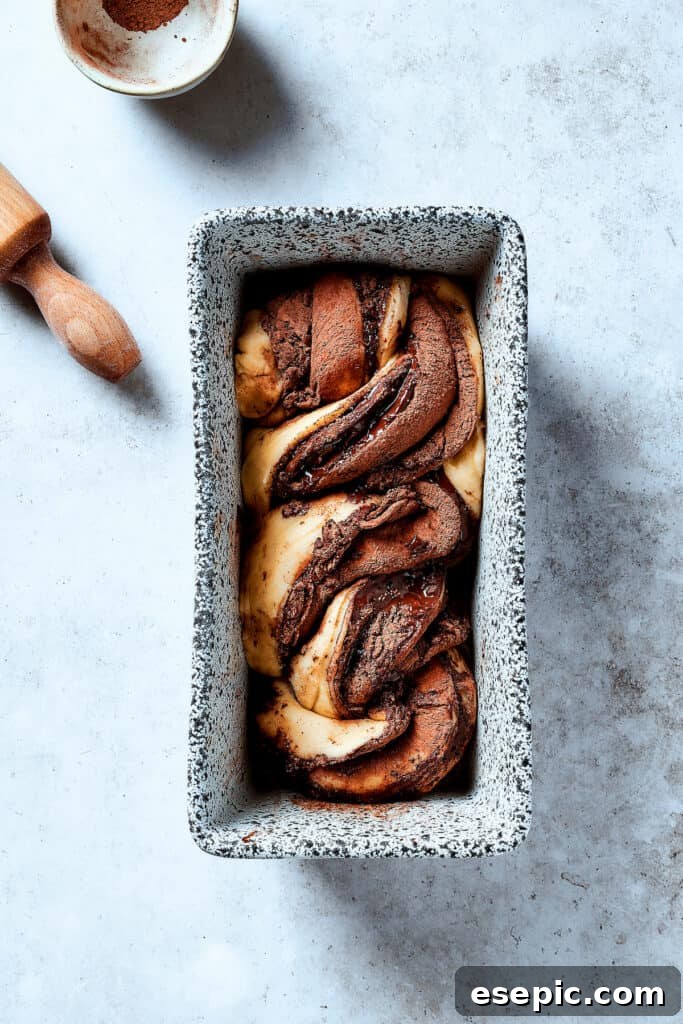
- Bake to Golden Perfection. Place the loaf pan in the preheated oven and bake for approximately 45-50 minutes. The babka should be beautifully golden brown on top, and an instant-read thermometer inserted into the center of the loaf should register around 190°F (88°C) for perfect doneness. To prevent the top from browning too quickly or burning, you can loosely cover the pan with aluminum foil for the first 25-30 minutes of baking, then remove it to allow for final browning.
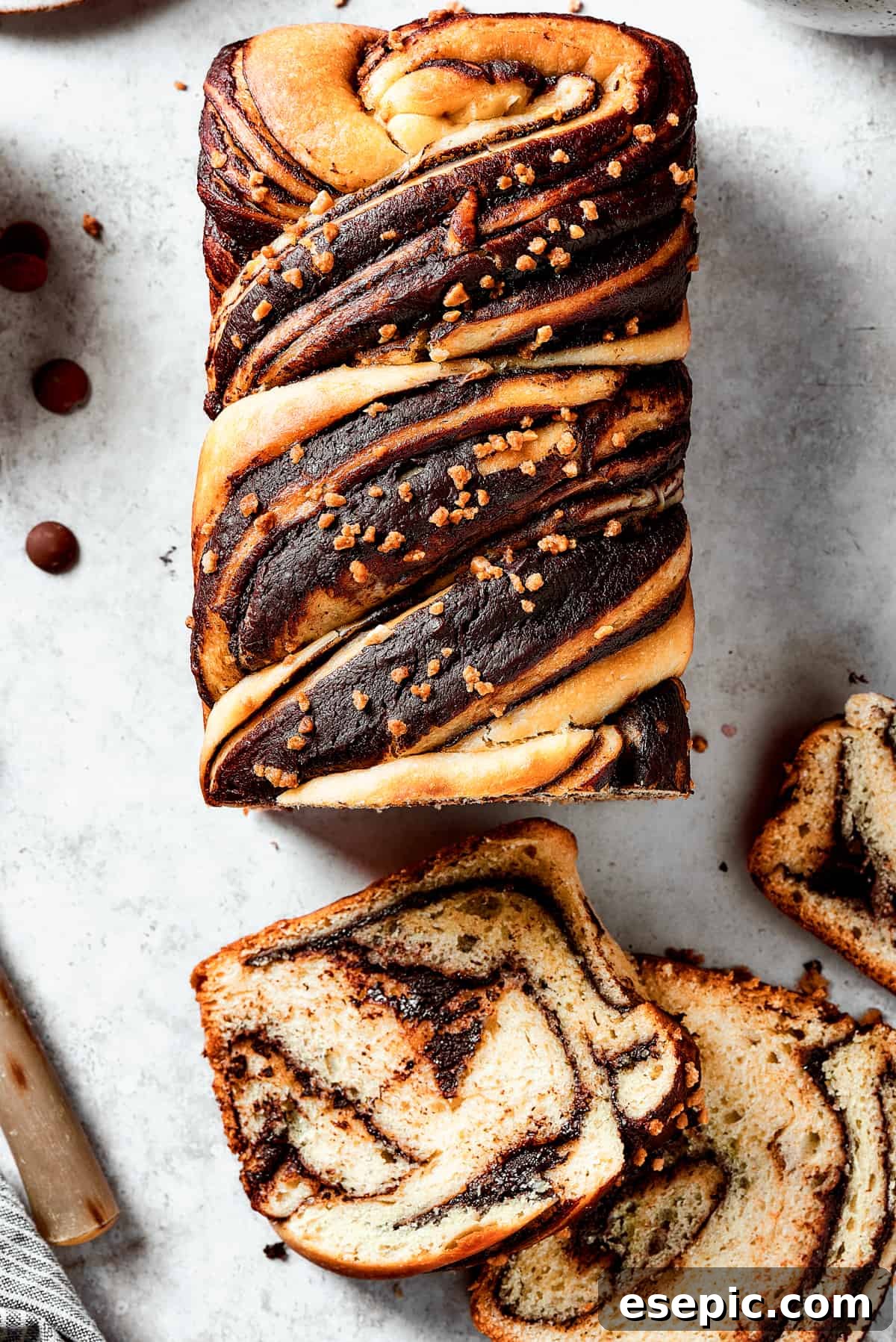
- Cool and Savor. Once baked, remove the babka from the oven and let it cool in the loaf pan for about 15 minutes. This cooling period allows the internal structure to set and makes it easier to remove from the pan without tearing. After 15 minutes, carefully transfer the babka to a wire rack to cool completely before slicing and serving. While it’s tempting to cut into it immediately, cooling allows the chocolate filling to set slightly, preventing it from oozing out and ensuring clean, beautiful slices.
Baking Babka Mastery: Helpful Tips and Tricks
Baking a yeast bread, especially one as visually stunning as babka with its intricate filling, might seem daunting at first. However, with a few expert tips, you can navigate the process smoothly and achieve consistently delicious results. These insights will help you troubleshoot common challenges and enhance your overall baking experience:
- Precision in Flour Measurement: Achieving the correct dough consistency – neither too dry nor too wet – is paramount. While weighing your flour is the most accurate method for professional results, many home bakers rely on measuring cups. The “spoon and level” technique is crucial: lightly spoon flour into your measuring cup until it overflows, then use a straight edge (like the back of a knife) to level off the excess without packing. Never scoop flour directly from the bag with your measuring cup, as this can compact it, leading to significantly more flour than intended and a dense, dry dough.
- Temperature is Everything with Yeast: Yeast is a living organism, and its activity is highly sensitive to temperature. When activating yeast, ensure your milk and other dough ingredients are comfortably warm, typically between 105°F and 115°F (40-46°C). Water that’s too cold will cause the yeast to remain dormant, resulting in no rise. Conversely, liquid that’s too hot (above 120°F / 49°C) will kill the yeast, rendering it ineffective. Always check the temperature with a thermometer to guarantee optimal yeast activity and a beautifully risen dough.
- Plan Ahead: Overnight Babka for Fresh Morning Treats: For maximum convenience, you can prepare your babka dough the night before and enjoy a freshly baked loaf in the morning. After you’ve made and shaped the loaf (just before the second rise), cover the loaf pan tightly with plastic wrap and refrigerate it overnight. The cold temperature will significantly slow down the yeast activity. The next morning, take the babka out of the fridge and let it come to room temperature and complete its second rise (this might take 1-2 hours depending on your kitchen’s temperature) before baking it as instructed. This trick allows you to enjoy warm, homemade babka with minimal morning effort.
- Achieving the Perfect Swirl: The key to a visually stunning babka lies in rolling the dough tightly and ensuring the cut sides of the twisted dough face upwards when placed in the loaf pan. A tight roll prevents large gaps and ensures multiple layers of chocolate. Twisting with the cut side up exposes these layers, creating the gorgeous marbled effect. Don’t be afraid to adjust the twists in the pan if needed to maximize the chocolate exposure.
- Don’t Overbake: Overbaking can lead to a dry babka. Keep an eye on the internal temperature, aiming for 190°F (88°C). A golden-brown crust is a good visual indicator, but the internal temperature confirms doneness while preserving moisture.
Delectable Serving Suggestions for Chocolate Babka
Chocolate babka is a star on its own, but its versatility means it pairs beautifully with a variety of accompaniments, enhancing its charm for any meal or snack. Whether you’re serving it for breakfast, brunch, or dessert, here are some delightful suggestions:
- The Classic Coffee Companion: There’s an undeniable harmony between a warm slice of chocolate babka and a freshly brewed cup of coffee. The rich, deep flavors of the chocolate and the subtle sweetness of the bread are perfectly complemented by the robust bitterness of coffee, creating a comforting and invigorating experience, whether morning or night.
- An Elegant Brunch Centerpiece: Elevate your brunch spread by making chocolate babka the star. Pair it with lighter, savory options to create a balanced meal.
- Eggs Benedict Casserole: For a crowd-pleasing brunch, serve your babka alongside an easy Eggs Benedict Casserole. This make-ahead dish captures all the flavors of classic Eggs Benny – eggs, English muffins, Canadian bacon, and rich Hollandaise sauce – with minimal fuss, offering a savory contrast to the babka’s sweetness.
- Savory Egg Salad with Pickles: Another fantastic brunch or breakfast option is a vibrant Egg Salad with Pickles. Serve this flavorful egg salad with a basket of freshly toasted bagels, allowing guests to assemble their own sandwiches. The tangy, creamy egg salad offers a refreshing counterpoint to the sweet babka.
- Indulgent Mocha Iced Coffee: While hot coffee is a timeless pairing, a tall, frosty glass of Mocha Iced Coffee is a special treat that truly enhances the chocolate babka experience. The rich mocha notes in the coffee beautifully echo the chocolate swirls in the bread, creating a decadent and cohesive flavor profile.
- Dessert Delights: For a truly indulgent dessert, serve babka à la mode with a scoop of vanilla bean ice cream, or drizzle it with a warm raspberry coulis for a touch of fruitiness. A light dusting of powdered sugar can also add a simple, elegant finish.
Storing and Reheating Your Chocolate Babka
- If by some miracle your delicious babka isn’t devoured immediately, you’re in for a treat with the leftovers! Properly stored, chocolate babka remains wonderfully fresh and moist for about three days at room temperature. To maintain its freshness, ensure it’s completely cooled before storing it in an airtight container or wrapping it tightly in a layer of plastic wrap. This prevents it from drying out and keeps the chocolate gooey.
Can I Freeze This? Yes! How to Freeze and Thaw Babka
- Absolutely! Chocolate babka is an excellent candidate for freezing, making it perfect for meal prep or enjoying a homemade treat whenever a craving strikes. Freezing allows you to extend its shelf life significantly without compromising on taste or texture.
- To Freeze: For optimal freshness and to prevent freezer burn, ensure the babka is completely cool. You can freeze it whole or sliced. Wrap the babka tightly first in a layer of plastic wrap, pressing it firmly against the surface to eliminate as much air as possible. Follow this with a layer of aluminum foil, or place it in a heavy-duty freezer bag. Air is the enemy of frozen baked goods, so a tight seal is key. Babka freezes beautifully for 1 to 2 months.
- To Thaw and Reheat: When you’re ready to enjoy your frozen babka, simply remove it from the freezer and let it thaw on the counter at room temperature for several hours (or overnight in the refrigerator). Once thawed, you can warm individual slices in a microwave for 15-30 seconds, or heat the whole loaf in a preheated oven at 300°F (150°C) for about 10-15 minutes, until warmed through and the chocolate is gooey again.
Chocolate Babka
Ingredients
For the Dough
- 1 cup warm milk
- 3 tablespoons granulated sugar
- 3½ cups all-purpose flour,, divided
- 1½ teaspoons active dry yeast
- 3 eggs
- 2 teaspoons lemon zest
- pinch of salt
- ½ cup unsalted butter,, melted
For the Filling
- 1½ cups semi-sweet chocolate chips
- 1 tablespoon unsalted butter
- 1 tablespoon cocoa powder
For Crunch (Optional)
- 2 tablespoons roasted almonds,, finely chopped
Instructions
-
In a large mixing bowl, pour in the warm milk, sugar, a teaspoon of flour, and yeast, then whisk them together. Let the mixture sit for a few minutes for the yeast to activate.
-
When yeast has been activated, add all other ingredients for the dough except for the flour; whisk them well.
-
Gradually add the flour and stir with a wooden spoon until everything is well incorporated, and all the flour is absorbed. The dough should be wet and moderately soft.
-
Cover the dough and let it rest for 1 hour.
-
In the meantime, to prepare the filling, melt the chocolate and butter in a small saucepan or pot. Set aside.
-
Roll out the dough thinly on a floured surface. Spread the prepared chocolate filling evenly over the dough, and then sift cocoa powder over it.
-
Roll up the dough tightly into a long cylinder, and then cut the cylinder in half longwise. Turn each half of the dough so that the layered part is facing upwards.
-
Press the tops of the two dough pieces together tightly, and then start braiding the dough by crossing one end over the other while making sure the layered part is always facing upwards.
-
Place the braided dough in a greased 9×5-inch loaf pan, sprinkle with almonds (if using), and let it rest for 20 minutes.
-
Meanwhile, preheat the oven to 350°F.
-
Bake the babka in the preheated oven for about 45 to 50 minutes or until golden brown. On an instant-read thermometer, the baked babka should register at 190°F in the center of the loaf.
You can cover the pan with foil for the first 25 minutes of baking to prevent the top of the bread from browning too fast.
-
Once it’s done, remove the bread from the oven and let it cool in the pan for 15 minutes, then turn out onto a wire rack and cool it completely before slicing.
Equipment
-
Loaf Pan
-
Stand Mixer
-
Whisks
-
Saucepan
Notes
- Measuring Flour: You don’t want the dough to be too dry or too wet, and so it’s important to measure your flour correctly. The best way to measure is by weight, but a lot of home bakers don’t use a scale, so the next best thing (and the easiest, for a lot of us) is to simply measure into a measuring cup. But there’s a “right” way to do that: spoon the flour into the cup, and level it off with a knife or by shaking the cup gently from side to side. Don’t pack the flour into the cup or dig it out of the bag with the cup.
- Temperature Counts: When you’re working with yeast, make sure to have your milk and other dough ingredients somewhere between room-temperature and warm. Cold ingredients won’t activate the yeast, while hot ingredients can kill the yeast. Both will stop the dough from rising.
- Make It Ahead: This is a little bonus tip – you can make the babka the night before, and bake it in the morning. Just make and shape the loaf, and then store it in your fridge overnight. Take it out and let it rise the next morning, and then bake it up!
Nutrition
Nutritional info is an estimate and provided as courtesy. Values may vary according to the ingredients and tools used. Please use your preferred nutritional calculator for more detailed info.
More Irresistible Chocolate Treats
If you’re a devoted chocolate lover and enjoyed the magic of homemade babka, you’ll be thrilled to discover more delightful chocolate creations to add to your baking repertoire. Each recipe offers a unique way to enjoy the rich, comforting flavor of chocolate, perfect for satisfying any sweet craving or impressing guests.
- Easy Chocolate Cake: A foolproof recipe for a moist, tender chocolate cake that’s perfect for birthdays, celebrations, or simply a comforting treat on any day. This classic will quickly become a family favorite.
- Mint Chocolate Skillet Cookie: Indulge in a warm, gooey skillet cookie combining the refreshing flavor of mint with rich chocolate chips. Baked and served right in a cast-iron skillet, it’s an ultimate shareable dessert, especially delicious with a scoop of vanilla ice cream.
- Cream Cheese Brownies: Experience the best of both worlds with these decadent brownies featuring a rich, fudgy chocolate base swirled with a tangy, creamy cheesecake layer. It’s a delightful twist on a classic, offering a sophisticated dessert that’s surprisingly easy to make.