
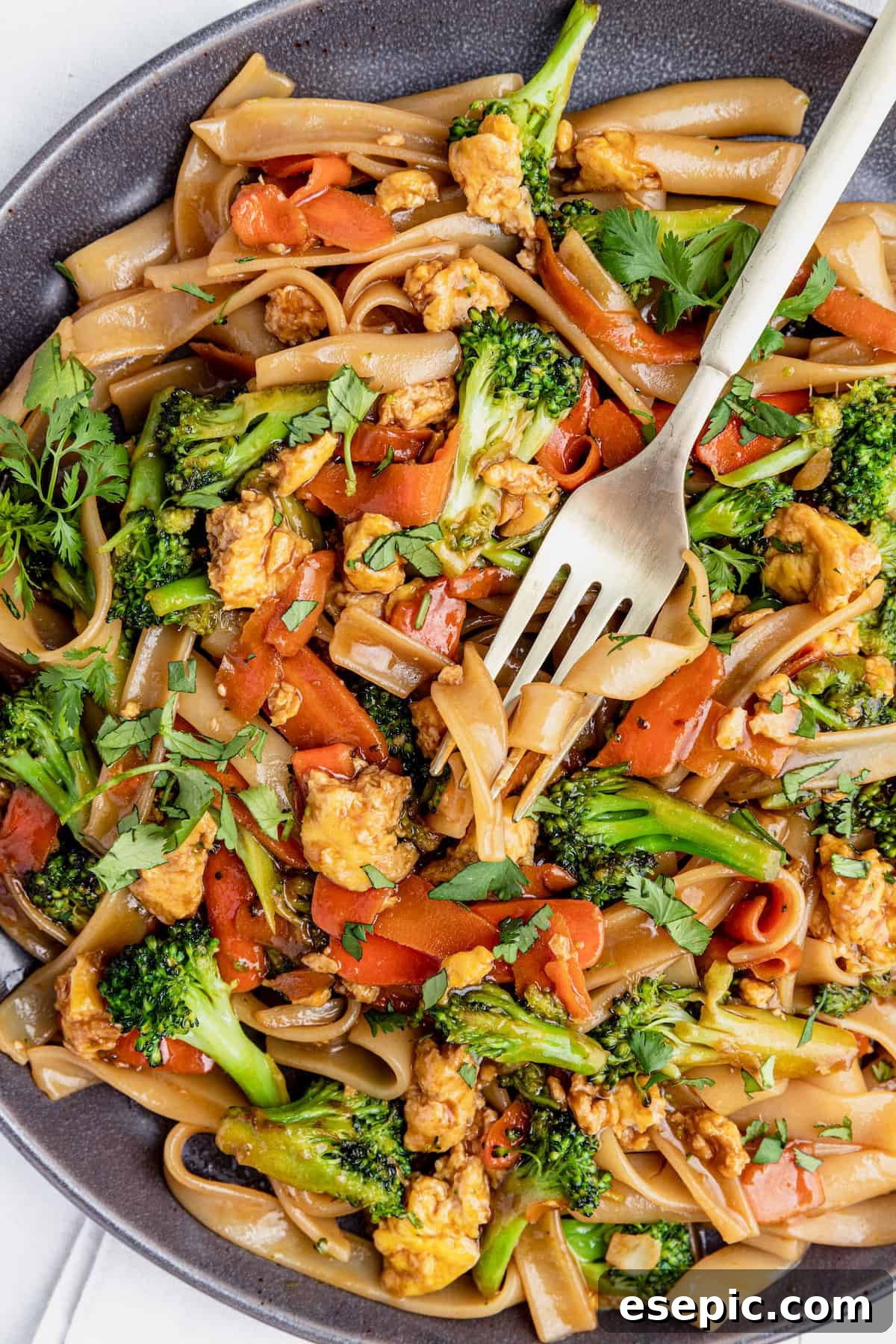
Once you try this amazingly easy Pad See Ew, you’ll want to make it every day! This classic Thai stir-fried noodle dish delivers a delightful symphony of sweet, salty, and tangy flavors, transforming simple ingredients like wide rice noodles, tender broccoli, and fluffy scrambled eggs into an unforgettable culinary experience. Get ready to master a takeout favorite right in your own kitchen.
Craving more authentic Asian-inspired recipes for your weeknight rotation? Don’t miss this Easy Pad Thai!
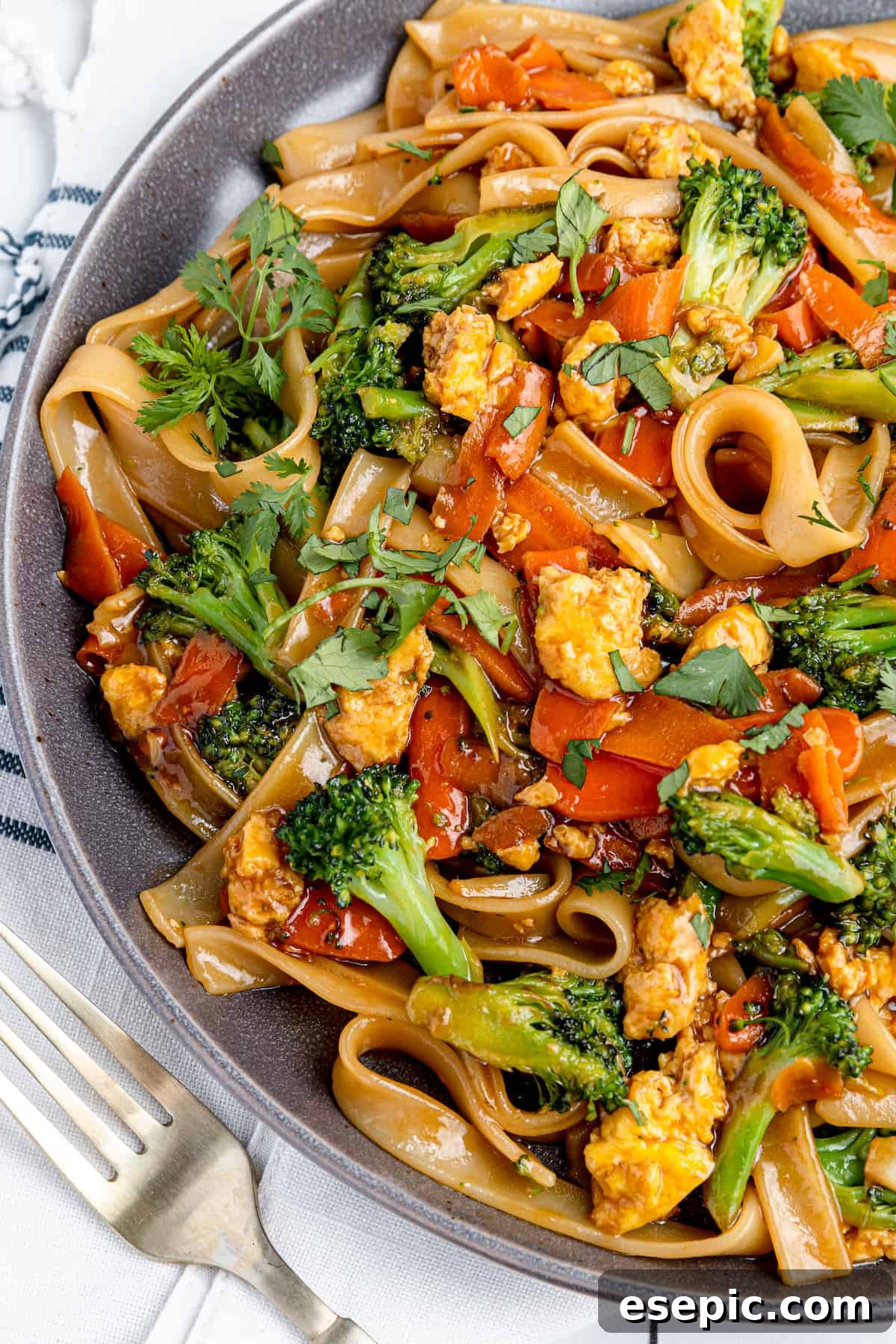
Master the Art of Thai Street Food at Home: Easy Pad See Ew Recipe
Easy Homemade Pad See Ew: Your Passport to Thai Flavors
When the craving for exotic and comforting flavors strikes, my mind often drifts to the vibrant culinary landscape of Thailand. There’s something truly magical about Thai food – the bold, aromatic sauces, the perfectly balanced flavor profiles, and the surprisingly straightforward, healthy recipes. Among my absolute favorites is this incredible homemade Pad See Ew, a dish that consistently transports me to a bustling Bangkok street stall with every delicious bite.
Pronounced “Pat-See-You,” this scrumptious pan-fried noodle dish is remarkably simple to prepare, whether you use a traditional wok or a heavy-bottomed skillet. It comes together in a flash, making it an ideal choice for a quick yet impressive weeknight meal. I have a genuine soft spot for hearty noodle bowls, and this particular dish earns extra points for its signature caramelized noodles, coated in a savory, slightly sweet sauce primarily made from oyster sauce and soy sauce. This caramelization creates a “wok char” that adds an unparalleled depth of flavor and a delightful texture.
What makes Pad See Ew truly special is its broad appeal. Despite its distinctly exotic origins, the ingredients are familiar and comforting: tender rice noodles, crisp broccoli, sweet carrots, and scrambled eggs, all bathed in a rich brown sauce. This makes it a fantastic option even for the pickiest of eaters, who might be hesitant to try new cuisines but will readily embrace these universally loved components.
What Exactly is Pad See Ew?
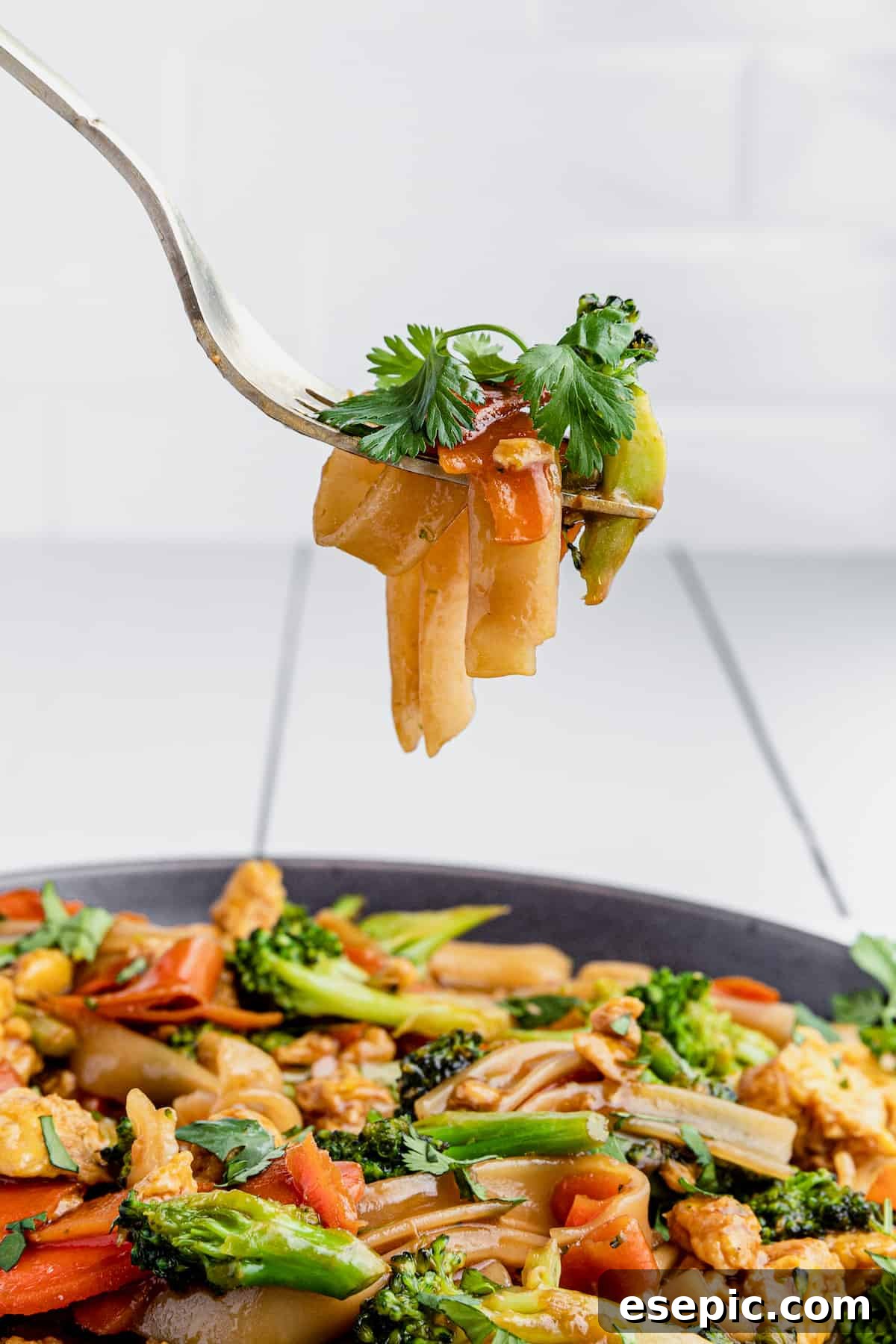
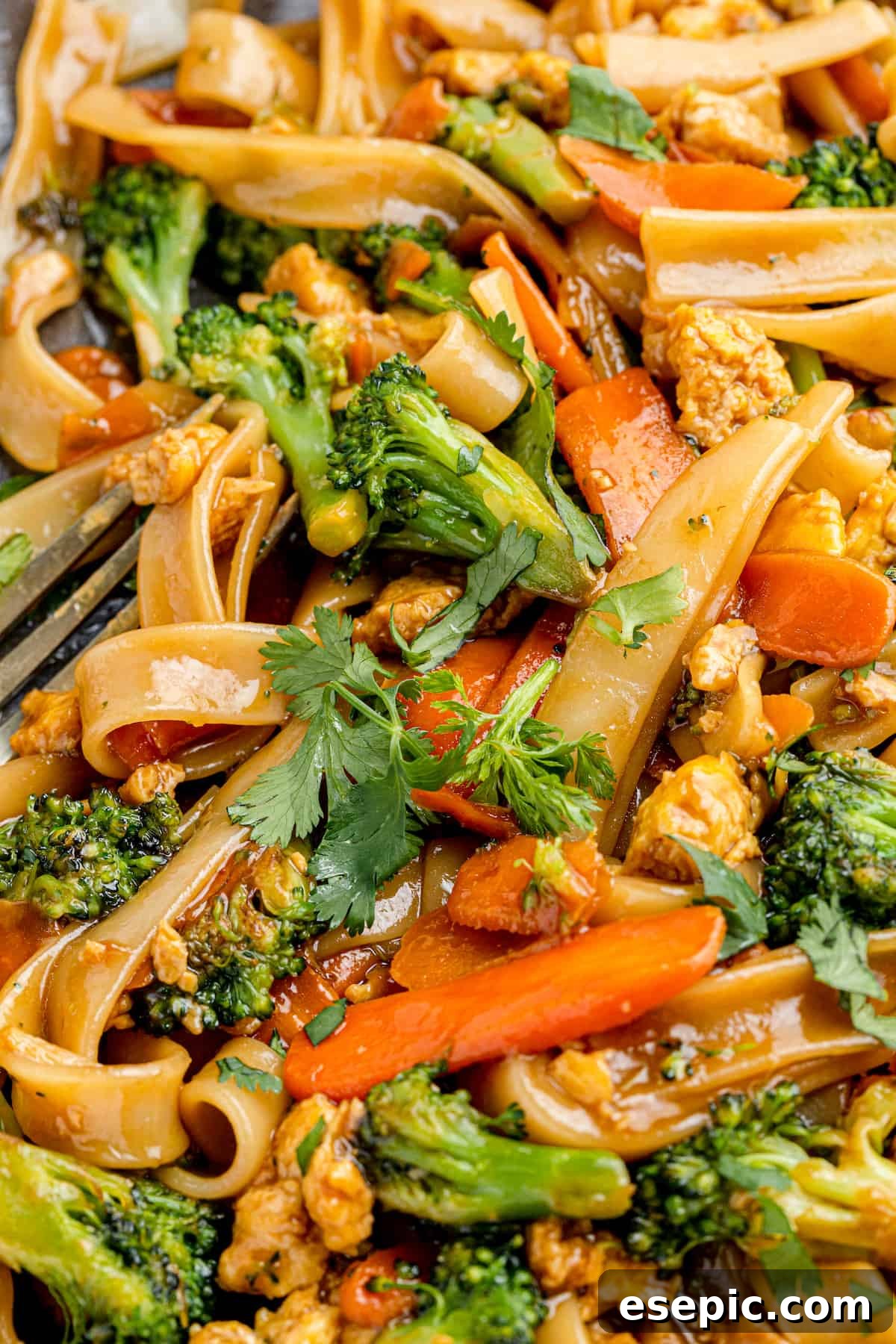
Pad See Ew is a beloved Thai street food staple, often found sizzling in woks at bustling markets across Thailand. Its name literally translates to “fried with soy sauce,” which perfectly encapsulates the essence of this delectable dish. At its core, Pad See Ew features wide, flat rice noodles stir-fried with Chinese broccoli (or regular broccoli), scrambled egg, and a distinctive sauce that artfully balances sweet, sour, and salty notes.
The hallmark of an authentic Pad See Ew lies in its noodles. They are typically allowed to sit and lightly char against the hot surface of the wok, creating a beautiful caramelization and a smoky flavor known as “wok char” or “wok hei.” This technique is crucial for developing the complex flavors and unique texture that differentiate Pad See Ew from other noodle dishes. The slight crispness on some noodles contrasted with their inherent chewiness is truly addictive.
While the core components are noodles, broccoli, and eggs for protein, Pad See Ew is highly customizable. Many versions include various meats such as thinly sliced chicken, succulent shrimp, or tender pork. It’s also commonly served with a spicy chili vinegar, made from chopped chilis steeped in rice wine vinegar, allowing diners to adjust the heat to their preference. Feel free to experiment with other vegetables like bell peppers or snap peas to add more color and nutrients to your dish.
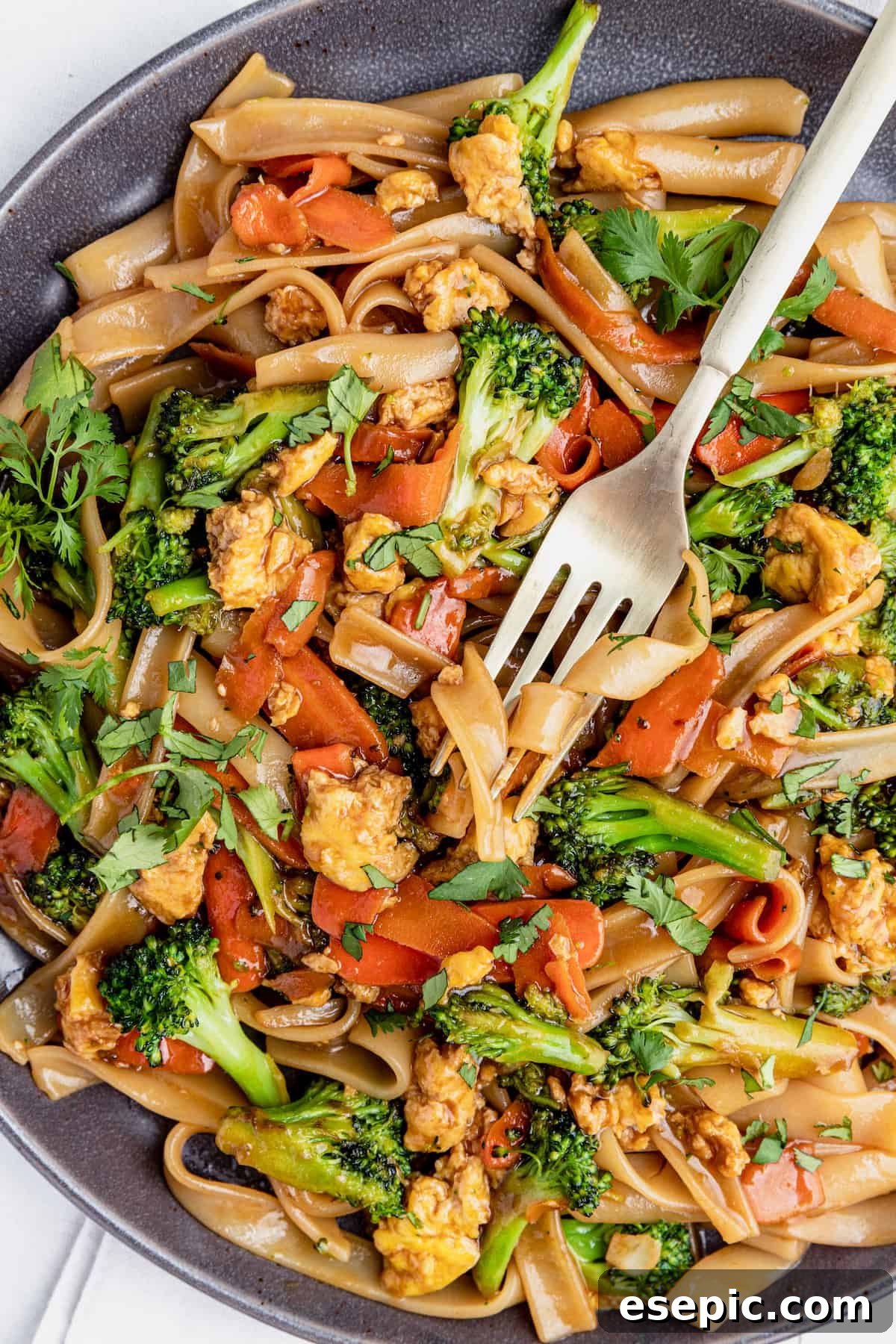
Gather Your Ingredients: What You’ll Need
Unlike some stir-fry recipes that call for obscure ingredients, Pad See Ew is wonderfully accessible. Most of the items can now be found in standard grocery stores, ensuring you can whip up this Thai delight whenever the craving strikes!
For the Pad See Ew Stir-Fry
- Rice Noodles: For an authentic experience, seek out wide, flat rice noodles (sometimes labeled as “chan sen yai”). These broad noodles are perfect for soaking up the savory sauce and getting that desirable char. If wide noodles are hard to find, flat pad thai noodles make an excellent and equally delicious substitute. Ensure you follow package directions for cooking, usually involving a quick soak or boil, and then drain them well to prevent stickiness.
- Olive Oil: A good quality olive oil is my go-to for stir-frying, providing a neutral base. However, feel free to use other high-smoke point oils like coconut oil, avocado oil, or even grapeseed oil, depending on your preference and what you have on hand.
- Garlic: Freshly minced garlic is absolutely essential for building a robust flavor foundation. The pungent aroma and taste of fresh garlic truly elevate this dish. A garlic press can save you time, or simply finely mince several cloves.
- Eggs: Two large eggs, lightly beaten, add a lovely richness and textural contrast to the noodles and vegetables. They scramble quickly in the wok and integrate beautifully into the dish.
- Broccoli: While traditional Pad See Ew uses Chinese broccoli (gai lan), which has slightly bitter stems and tender leaves, ordinary broccoli florets are a fantastic and readily available alternative. Chop them into bite-sized pieces so they cook evenly and can be easily incorporated into the stir-fry.
- Carrots: Fresh matchsticks, thin shreds, or very thin slices of carrot add a touch of sweetness, vibrant color, and a pleasant crunch. They cook quickly and contribute to the dish’s overall texture.
- Cilantro: A sprinkle of fresh chopped cilantro as a garnish offers a bright, herbaceous finish that complements the rich flavors of the stir-fry. While optional, it adds a wonderful fresh note.
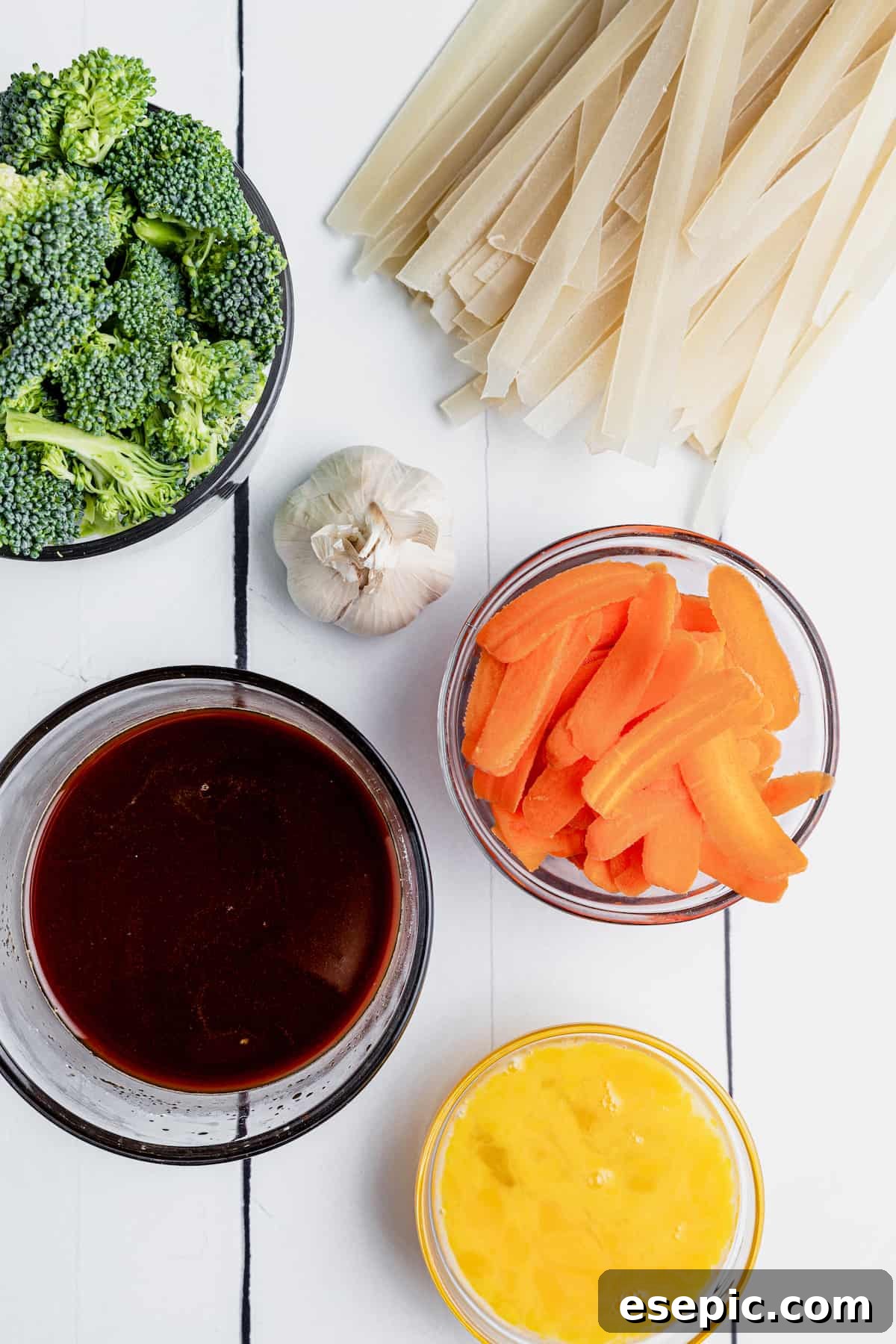
Crafting the Perfect Pad See Ew Sauce
The sauce is the heart and soul of Pad See Ew, delivering that irresistible sweet, salty, and tangy balance. Each ingredient plays a vital role:
- Oyster Sauce: This thick, dark condiment is a cornerstone of Thai and Chinese cuisine, providing a deep umami richness and a subtle sweetness. Don’t skip it; it’s key to the authentic flavor profile.
- Olive Oil: A couple of tablespoons are used in the sauce mixture itself, helping to emulsify and distribute the flavors evenly.
- Soy Sauce: I recommend low-sodium soy sauce to control the overall saltiness, as oyster sauce is also quite salty. For gluten-free options, tamari or coconut aminos work perfectly as substitutes, offering similar savory notes.
- Brown Sugar: Dark brown sugar is preferred here for its molasses-rich flavor, which contributes to the characteristic sweetness and helps achieve that beautiful caramelization on the noodles. Honey or pure maple syrup can also be used as natural sweeteners.
- Rice Wine Vinegar: This light, crisp, and slightly sweet vinegar provides the essential tangy counterpoint, balancing the richness of the other sauce ingredients. It’s also a versatile staple for many other Asian dressings and marinades.
- Arrowroot Powder or Cornstarch: A small amount of either thickener ensures the sauce coats the noodles beautifully, giving the dish a glossy finish and preventing it from being watery.
How to Make Easy Homemade Pad See Ew: A Step-by-Step Guide
Creating this beloved street food is surprisingly straightforward and incredibly rewarding. The key is to prepare your ingredients (mise en place!) and then execute the stir-fry quickly and efficiently. You’ll simply mix the sauce, cook your noodles, and then stir-fry the components in the correct sequence to build layers of flavor.
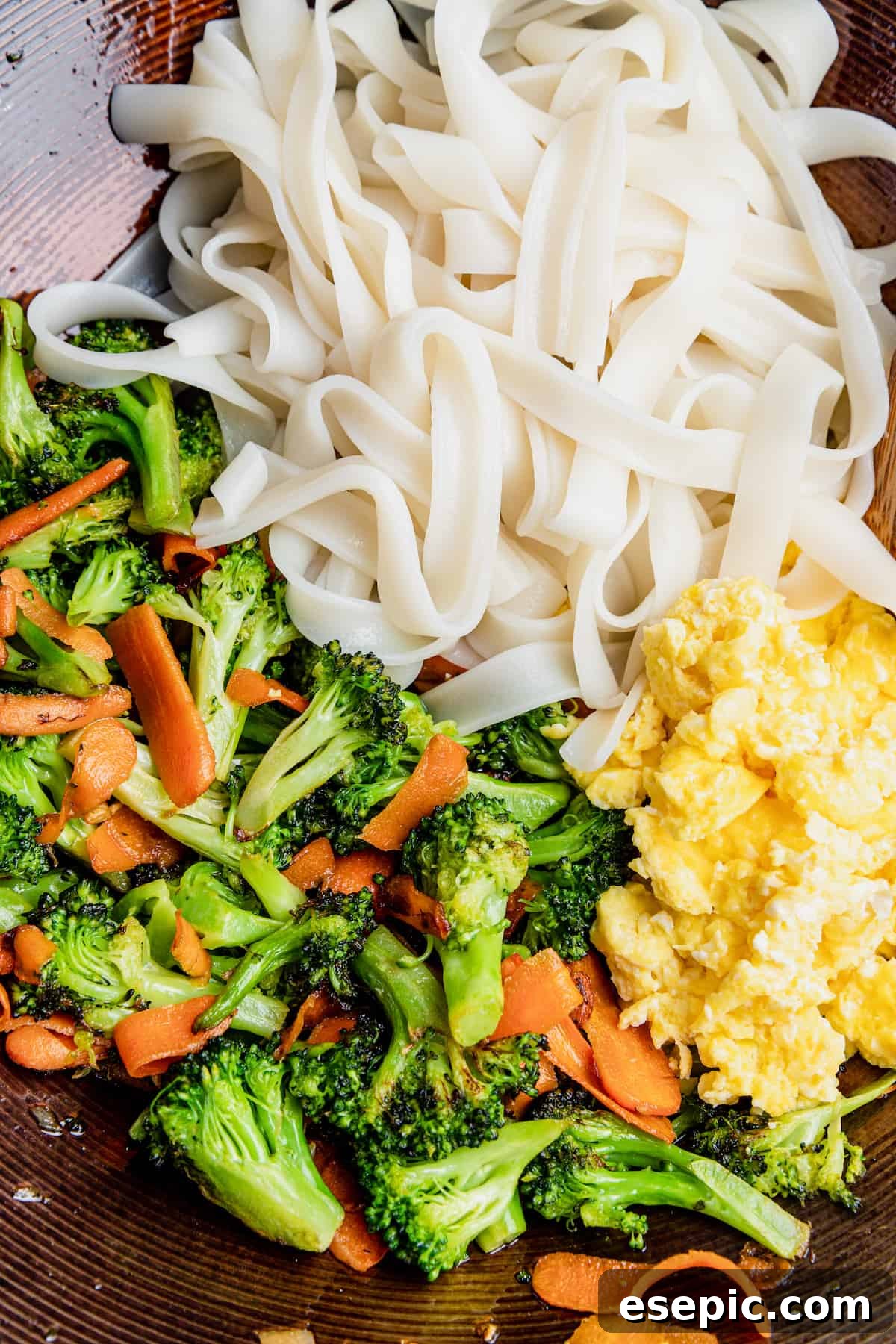
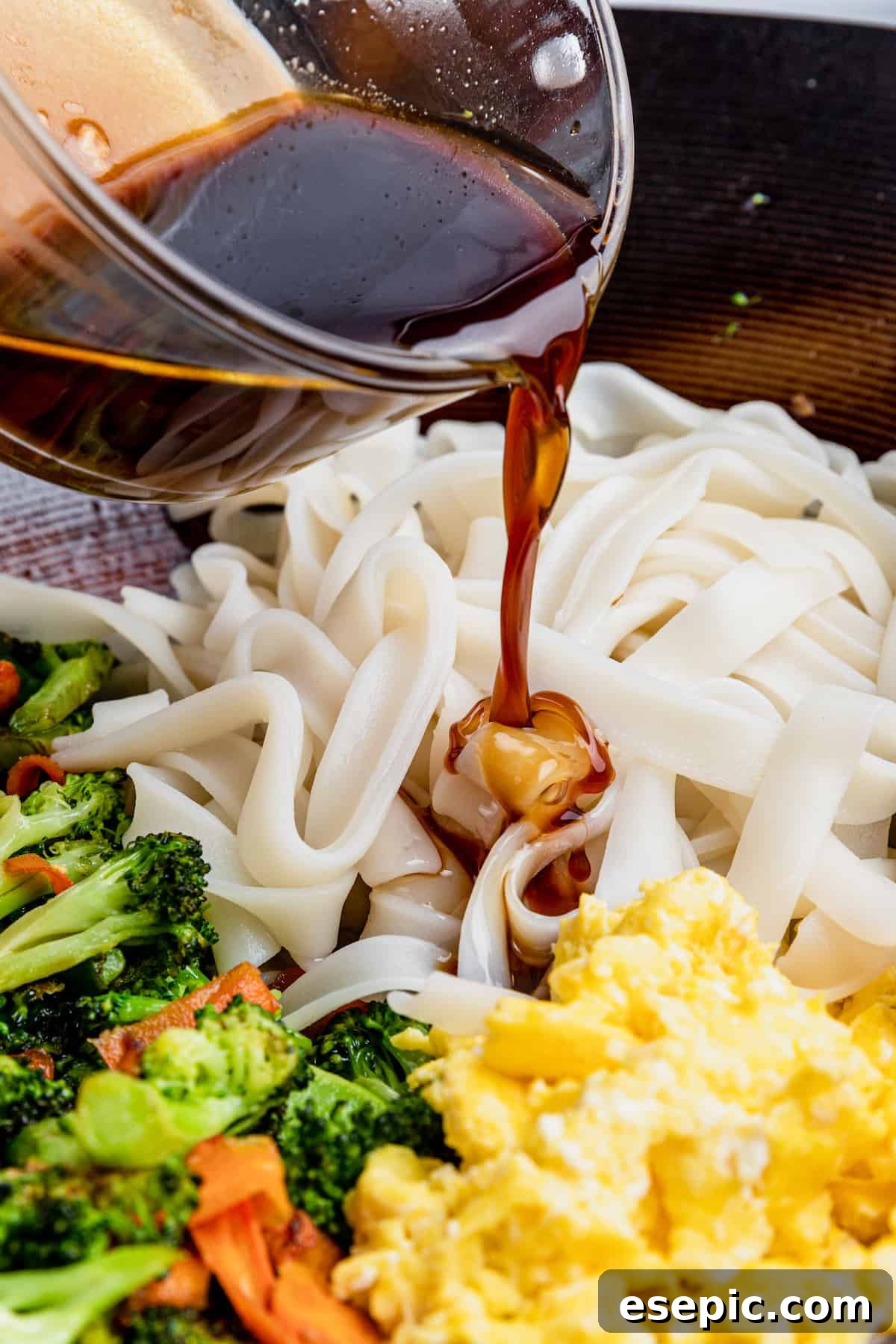
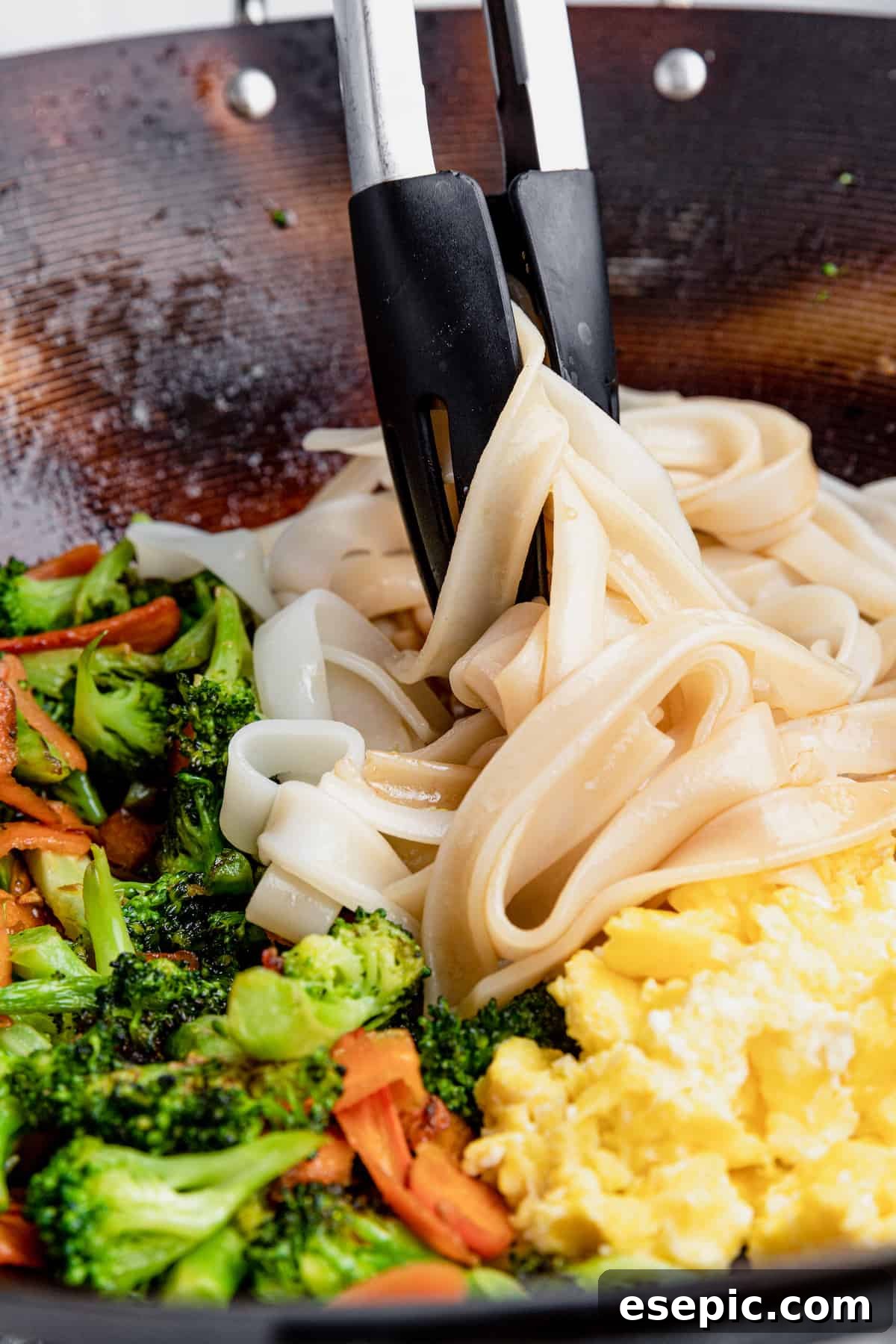
- Prepare the Sauce: In a small bowl, combine all the sauce ingredients: oyster sauce, olive oil, low-sodium soy sauce, dark brown sugar, rice wine vinegar, and arrowroot powder or cornstarch. Whisk them together thoroughly with a fork or spoon until well combined and the thickener is dissolved. Set this flavorful mixture aside.
- Cook the Rice Noodles: Bring several cups of water to a rolling boil in a medium pot. Add the rice noodles and cook them according to the package instructions. Be careful not to overcook them; they should be al dente, firm but pliable. Once cooked, drain them immediately and rinse briefly with cold water to prevent sticking, then set aside.
- Stir-Fry the Vegetables: While the noodles are cooking, heat two tablespoons of olive oil in your wok or heavy skillet over medium-high heat. Add the minced garlic and sauté for about 20-30 seconds until it becomes fragrant – be careful not to burn it! Next, add the chopped broccoli and sliced carrots. Stir-fry for 6-8 minutes, or until the vegetables are tender-crisp. Stir frequently to ensure even cooking.
- Stir-Fry the Eggs: Once the vegetables are cooked, push them to one side of the wok to create an empty space. Pour the beaten eggs into the cleared area. Allow them to set for a moment, then scramble them with your spatula, breaking them into small pieces as they cook through.
- Combine Noodles and Sauce: Finally, add the cooked and drained rice noodles and the prepared sauce to the wok. Using tongs or two spatulas, toss everything gently to combine, ensuring the noodles, vegetables, and eggs are thoroughly coated in the sauce. Continue to cook for another 1-2 minutes. Resist the urge to stir constantly; you want some of the noodles to come into direct contact with the hot wok surface to develop that delicious “wok char” and caramelization.
- Serve Immediately: Once everything is heated through and well combined, transfer your homemade Pad See Ew to serving bowls or a large platter. Garnish with fresh chopped cilantro, if desired, for an extra burst of freshness. Serve hot and enjoy!
Pro Tips for Pad See Ew Success
Ready to impress with your Pad See Ew skills? Here are some expert tips and ideas to ensure your stir-fry is restaurant-quality every time!
- Mise en Place is Key: “Mise en place” (everything in its place) is crucial for stir-frying. Chop all your vegetables, mince your garlic, beat your eggs, and mix your sauce *before* you even turn on the heat. Stir-frying is a very quick process, and you won’t have time to prep ingredients once cooking begins.
- Don’t Overcrowd the Wok: This is perhaps the most important tip for achieving that coveted “wok char.” If your wok or pan is too full, the ingredients will steam instead of fry, preventing caramelization. If you’re making a large batch, consider cooking the vegetables and noodles in two separate batches, combining them at the very end. This ensures ample space for proper searing and caramelization.
- High Heat, Quick Cooking: Stir-frying demands high heat. Make sure your wok or skillet is screaming hot before you add any oil or ingredients. This allows for quick cooking and helps develop those rich, charred flavors without overcooking the components.
- Perfect Noodle Prep: Avoid mushy noodles by cooking them just until al dente. Overcooked noodles will break apart and become soggy in the stir-fry. If using fresh wide rice noodles, they often only need a quick soak in hot water rather than boiling.
- Add Protein for a Heartier Meal: While delicious as a vegetarian dish, Pad See Ew pairs wonderfully with added protein. Thinly sliced chicken, beef, pork, or shrimp can be stir-fried first and then set aside, or cooked alongside the vegetables before adding the eggs. Ensure any raw meat is fully cooked before mixing with other ingredients.
- Garnish for Flavor and Presentation: Thai cuisine is celebrated for its balance. Beyond cilantro, consider garnishing your Pad See Ew with chopped roasted peanuts for crunch, sliced green onions for a mild oniony bite, or a drizzle of spicy chili oil or vinegar for an extra kick.
Serving Suggestions for Your Thai Feast
When I serve up a generous platter of Pad See Ew, I often like to complement it with a few extra dishes to create a complete and satisfying Thai-inspired meal. A side of juicy Cajun chicken thighs might seem unconventional but is always a surprising hit, adding a different flavor dimension. For more classic Asian pairings, consider:
- Crispy Shrimp Tempura for a delightful crunch.
- A warm, comforting bowl of Egg Drop Soup to start the meal.
- Savory Chicken Potstickers, which are always a fun, interactive addition to dinner, especially with kids.
- A light, refreshing cucumber salad to balance the richness of the noodles.
It’s simple, incredibly tasty, and guarantees everyone leaves the table happy and satisfied.
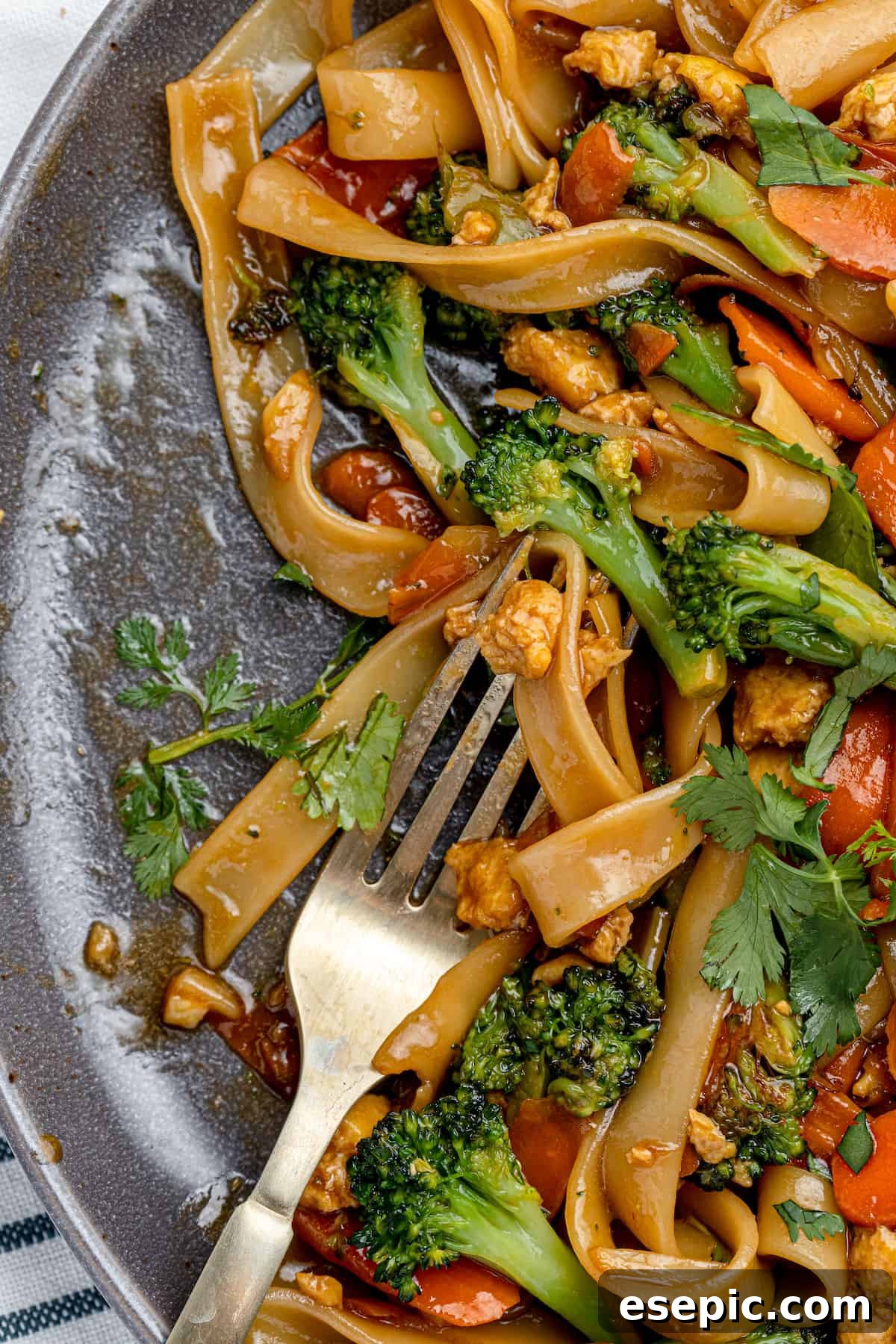
Pad See Ew
Ingredients
For the Pad See Ew
- 10 ounces flat wide rice noodles, or substitute flat pad thai noodles
- 2 tablespoons olive oil
- 4 cloves garlic, minced
- 2 large eggs, beaten
- 2 cups broccoli florets, chopped (or substitute Chinese broccoli, if available)
- ½ cup carrot shreds or very thin sliced carrot
- Fresh chopped cilantro, for garnish, optional
For the Sauce
- 6 tablespoons oyster sauce
- 2 tablespoons olive oil
- ¼ cup low sodium soy sauce
- 1 tablespoon dark brown sugar
- 4 teaspoons rice wine vinegar
- 1 teaspoon arrowroot powder or cornstarch (for thickening)
Instructions
- Make the sauce. Combine all sauce ingredients (oyster sauce, olive oil, low sodium soy sauce, dark brown sugar, rice wine vinegar, and thickener) in a small bowl and mix together thoroughly until smooth. Set aside.
- Cook the noodles. In a medium pot, bring several cups of water to a boil. Add the rice noodles and cook according to package directions until al dente. Drain well and set aside.
- Sauté the vegetables. Meanwhile, heat two tablespoons of olive oil in a wok or heavy skillet over medium-high heat. Add the minced garlic and sauté for 20-30 seconds, or until fragrant. Add the chopped broccoli and sliced carrots, and cook for 6-8 minutes, stirring often, until they are tender-crisp.
- Add the eggs. Push the cooked vegetables to one side of the wok. Pour the beaten eggs into the empty side and scramble them, breaking them into small pieces as they cook.
- Toss in the noodles and sauce. Add the cooked noodles and the previously prepared sauce to the wok. Using tongs or two spatulas, toss gently to combine all ingredients thoroughly. Continue cooking for 1 to 2 minutes, allowing the noodles to caramelize slightly on the hot surface of the wok.
- Serve. Transfer your Pad See Ew to bowls or a serving dish. Garnish with fresh chopped cilantro, if using, and serve immediately while hot.
Equipment
-
Large Skillet or Wok
Nutrition
Calories: 474kcal | Carbohydrates: 72g | Protein: 8g | Fat: 17g | Saturated Fat: 3g | Polyunsaturated Fat: 2g | Monounsaturated Fat: 11g | Trans Fat: 1g | Cholesterol: 82mg | Sodium: 1457mg | Potassium: 306mg | Fiber: 3g | Sugar: 5g | Vitamin A: 3075IU | Vitamin C: 42mg | Calcium: 71mg | Iron: 2mg
Nutritional info is an estimate and provided as courtesy. Values may vary according to the ingredients and tools used. Please use your preferred nutritional calculator for more detailed info.
How to Store and Reheat Leftovers
Pad See Ew is often best enjoyed fresh, but leftovers are still incredibly delicious and easy to manage:
- Fridge Storage: To store your leftover Pad See Ew, allow it to cool completely before transferring it to an airtight container. Refrigerate promptly for up to 3 days. This prevents bacterial growth and keeps your noodles fresh.
- Reheating Instructions: For best results, place leftovers in a covered skillet or wok over low to medium-low heat. Add a splash of water or a tiny bit of chicken broth (about 1-2 tablespoons) if the dish appears dry; this will help rehydrate the noodles and sauce without overcooking. Gently heat, stirring occasionally, until the vegetables, eggs, and noodles are hot all the way through, and any sauce is simmering. Avoid high heat during reheating to prevent the noodles from becoming dry or rubbery. You can also microwave individual portions, covering them loosely to retain moisture.
More Asian-Inspired Weeknight Dinners You’ll Love
If you’re looking to expand your repertoire of delicious, easy-to-make Asian dishes at home, here are some of my other favorite recipes that bring takeout flavors to your kitchen:
- Beef Stir Fry with Glass Noodles (Japchae)
- Classic Chicken Lo Mein
- Crispy General Tso’s Chicken
- Savory Steak Fried Rice
Frequently Asked Questions About Pad See Ew
- Can I use different types of noodles? While wide, flat rice noodles are traditional, you can experiment with other flat rice noodles like Pad Thai noodles. Just be sure to cook them according to package directions to ensure they’re not overcooked or too sticky. Egg noodles or even fettuccine can be used in a pinch, though the texture and flavor will be different from the authentic dish.
- What if I can’t find Chinese broccoli (Gai Lan)? No problem! Regular broccoli florets are an excellent and widely available substitute. Just chop them into bite-sized pieces so they cook quickly and evenly. You can also use bok choy, kale, or even spinach for a similar leafy green component.
- Can I make Pad See Ew vegetarian or vegan? Absolutely! To make it vegetarian, simply omit any added meat (if using) and ensure your oyster sauce is vegetarian-friendly (made from mushrooms). For a fully vegan version, use a mushroom-based “oyster sauce” substitute, tamari or coconut aminos instead of soy sauce (if preferred), and replace the scrambled eggs with crumbled firm tofu that has been pressed and lightly pan-fried for texture.
- How do I get the “wok char” if I don’t have a wok? A heavy-bottomed skillet, ideally cast iron, can mimic the high heat retention of a wok. The key is to get your pan smoking hot before adding ingredients and to avoid overcrowding it. Cook in batches if necessary, allowing ingredients to sear against the hot surface without steaming. Don’t stir too frequently in the final step with the noodles and sauce, letting them sit for 30 seconds to a minute at a time to develop that char.
- Is Pad See Ew spicy? Traditionally, Pad See Ew is not inherently spicy; its flavor profile focuses on sweet, salty, and tangy notes. However, it’s often served with a side of chili vinegar or dried chili flakes, allowing individuals to add heat to their liking. You can incorporate a touch of sriracha or red pepper flakes into your sauce if you prefer a spicier dish.
This easy homemade Pad See Ew recipe proves that you don’t need to travel far to enjoy the rich, complex flavors of authentic Thai cuisine. With its satisfying noodles, tender vegetables, and perfectly balanced sauce, it’s a dish you’ll want to revisit again and again. So grab your wok, gather your ingredients, and get ready to create a truly delicious and memorable meal!