
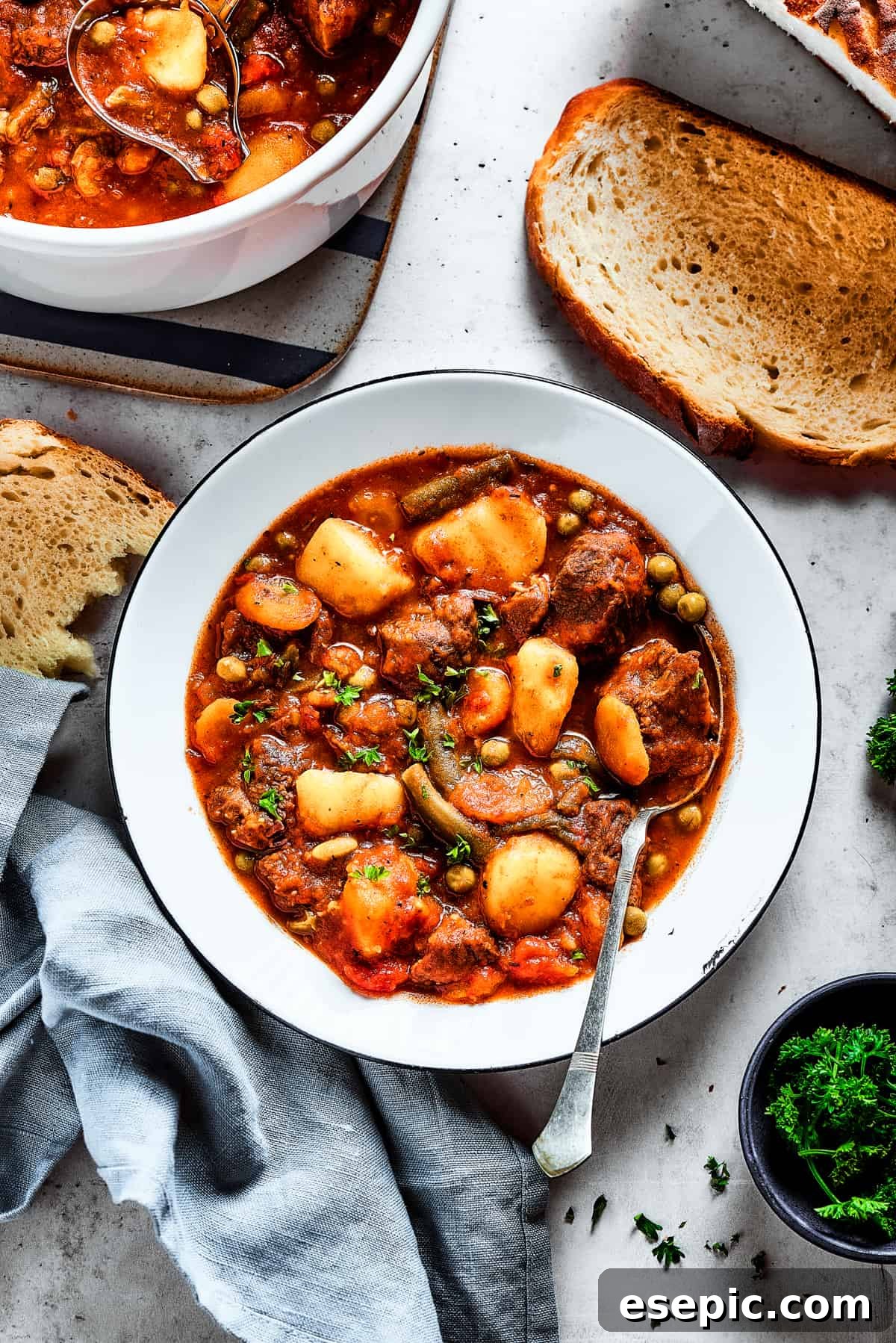
As the air turns crisp and leaves transform into a vibrant tapestry of gold and crimson, it’s the perfect time to embrace the ultimate in culinary comfort. This old-fashioned Mulligan Stew offers a hearty, rib-sticking experience that’s both incredibly satisfying and surprisingly simple to prepare. It’s more than just a meal; it’s a warm hug in a bowl, promising delicious flavors that evoke cherished memories and create new ones.
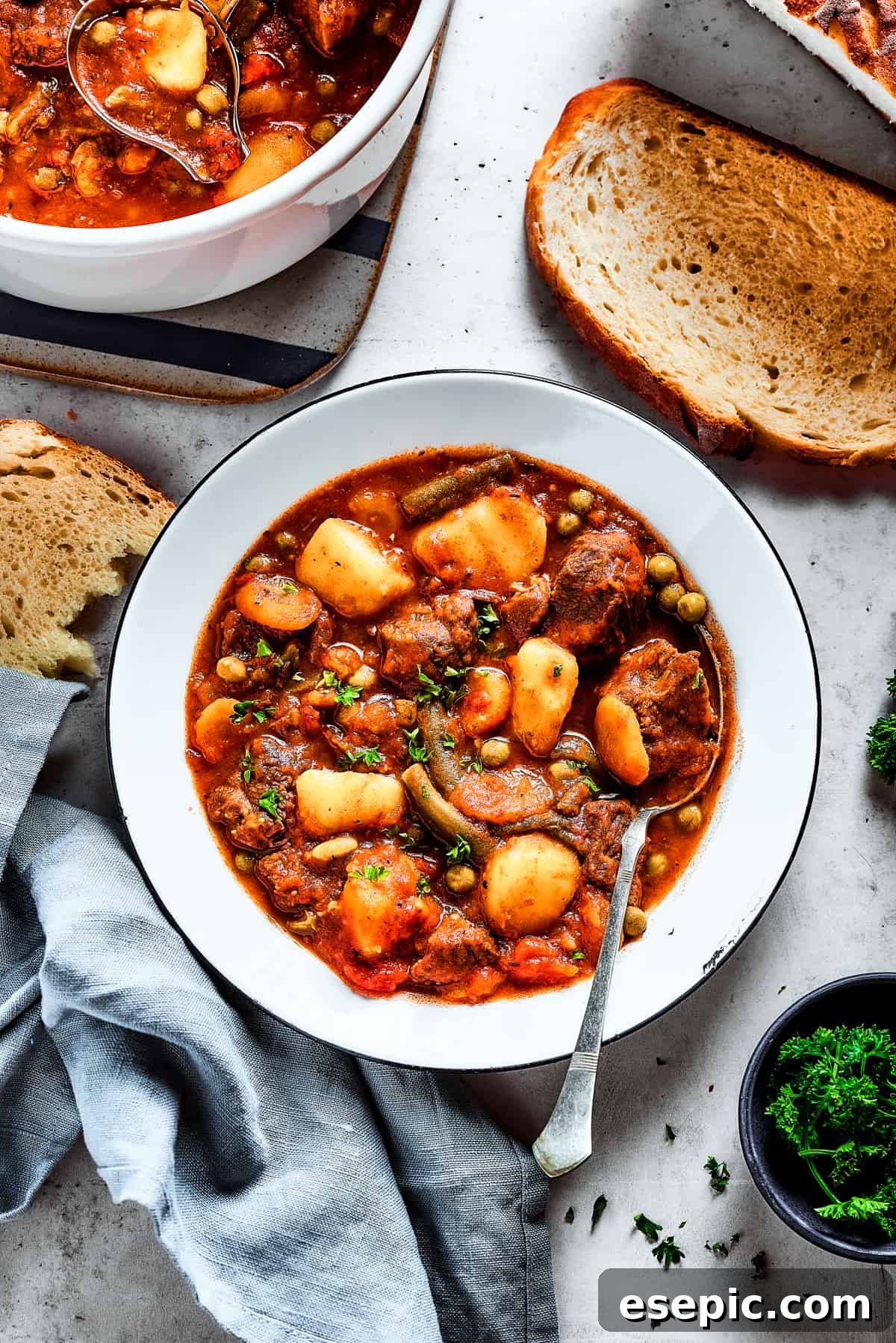
Embrace Autumn with The Best Old-Fashioned Mulligan Stew
Are you searching for a one-pot meal that breaks away from the usual beef stew or chili routine? Then you absolutely must give this classic Mulligan Stew a try. If you’ve never experienced the wholesome goodness of this traditional dish, prepare to welcome a new favorite into your kitchen repertoire. Mulligan Stew masterfully blends tender chunks of succulent beef with the bright acidity of tomatoes, the sweet crunch of peas, the earthy goodness of green beans, and a medley of other flavorful vegetables. It stands as a perfect marriage between a robust vegetable soup and a thick, savory beef stew. Serving this on a chilly evening promises a truly heavenly and deeply satisfying dining experience for family and friends.
Mulligan Stew holds a special place in culinary history, often associated with vagabond cooks who would gather whatever ingredients they could find, creating a communal and hearty meal. This “hobo stew” tradition means no two Mulligan Stews are exactly alike, making it wonderfully adaptable to your pantry and preferences. Our recipe captures the spirit of this resourceful cooking while elevating it into a truly gourmet-yet-approachable comfort food. It’s a testament to how simple, honest ingredients can come together to create something extraordinary, perfect for a cozy fall or winter night.
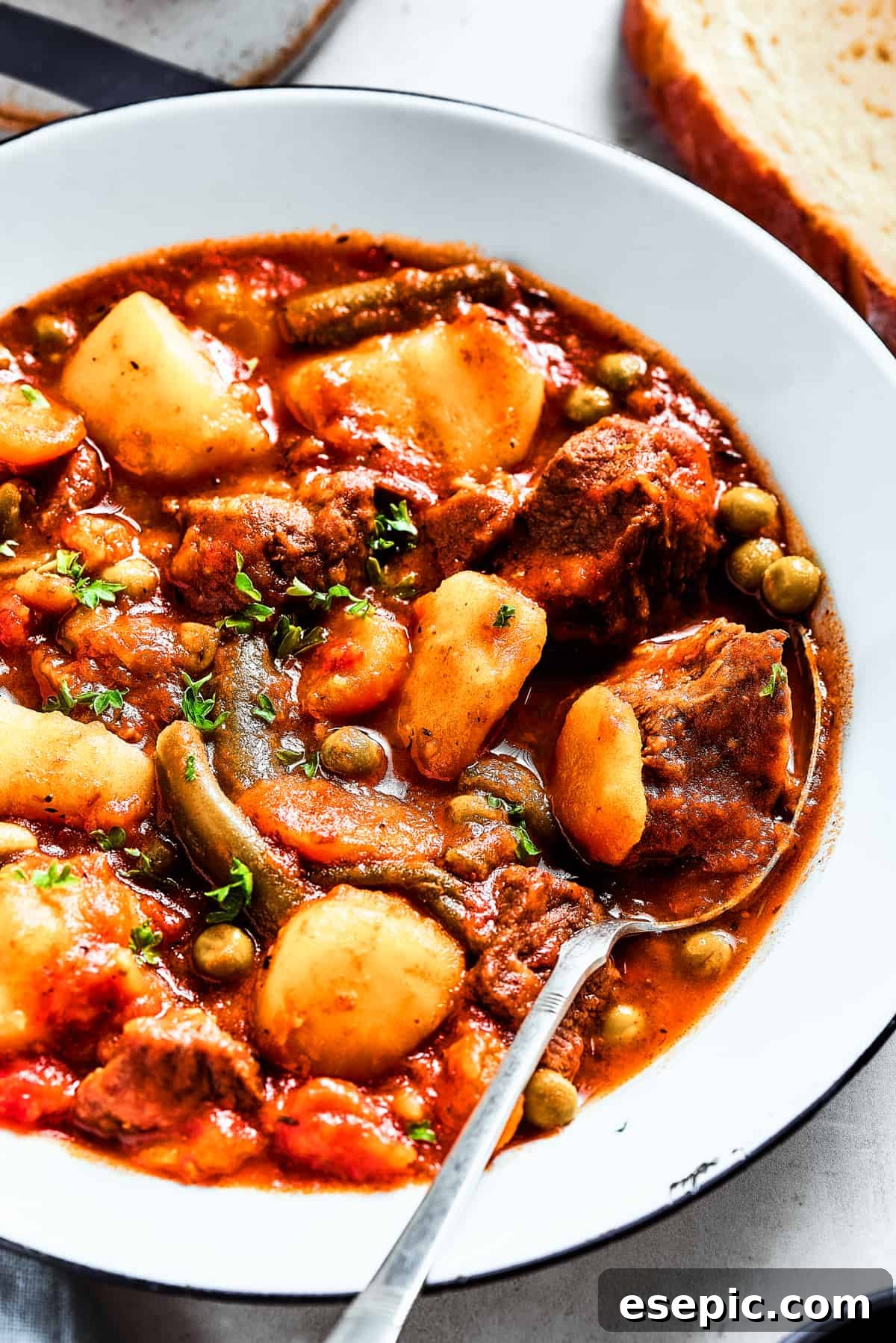
Why This Mulligan Stew Will Become Your Go-To Recipe
There are countless reasons to fall in love with making Mulligan Stew, making it an indispensable part of your cold-weather cooking collection:
- Nostalgic Comfort: Mulligan Stew is the epitome of old-fashioned comfort food. Its rustic, “campfire-style” character transports you back to simpler times, evoking cherished memories of home-cooked meals. It’s the kind of dish that warms you from the inside out, making it a beloved family favorite for generations. Every spoonful feels like a comforting embrace, perfect for sharing with loved ones around the dinner table.
- Budget-Friendly & Frugal: This stew is a champion of resourcefulness. Historically, Mulligan Stew was created by using whatever ingredients were on hand, and that tradition continues today. It’s an excellent way to utilize leftover vegetables, small cuts of meat, or pantry staples, significantly reducing food waste. This adaptability makes it not only delicious but also incredibly economical, allowing you to create a satisfying meal without a hefty grocery bill.
- Ultimate Coziness: When the temperatures drop and you crave something deeply warming, stews are the answer, and Mulligan Stew is no exception. Its rich, savory broth, tender meat, and abundance of vegetables create a profoundly satisfying classic. It’s the ideal dish to chase away the chill, providing warmth, nourishment, and a sense of contentment that only a truly well-made stew can deliver.
- Effortlessly Simple: Despite its complex flavors and hearty nature, Mulligan Stew is surprisingly easy to make. Who knew you could achieve such depth and richness from a few basic, readily available ingredients? The cooking process is straightforward, requiring minimal fuss for maximum flavor, making it perfect for weeknight dinners or leisurely weekend cooking.
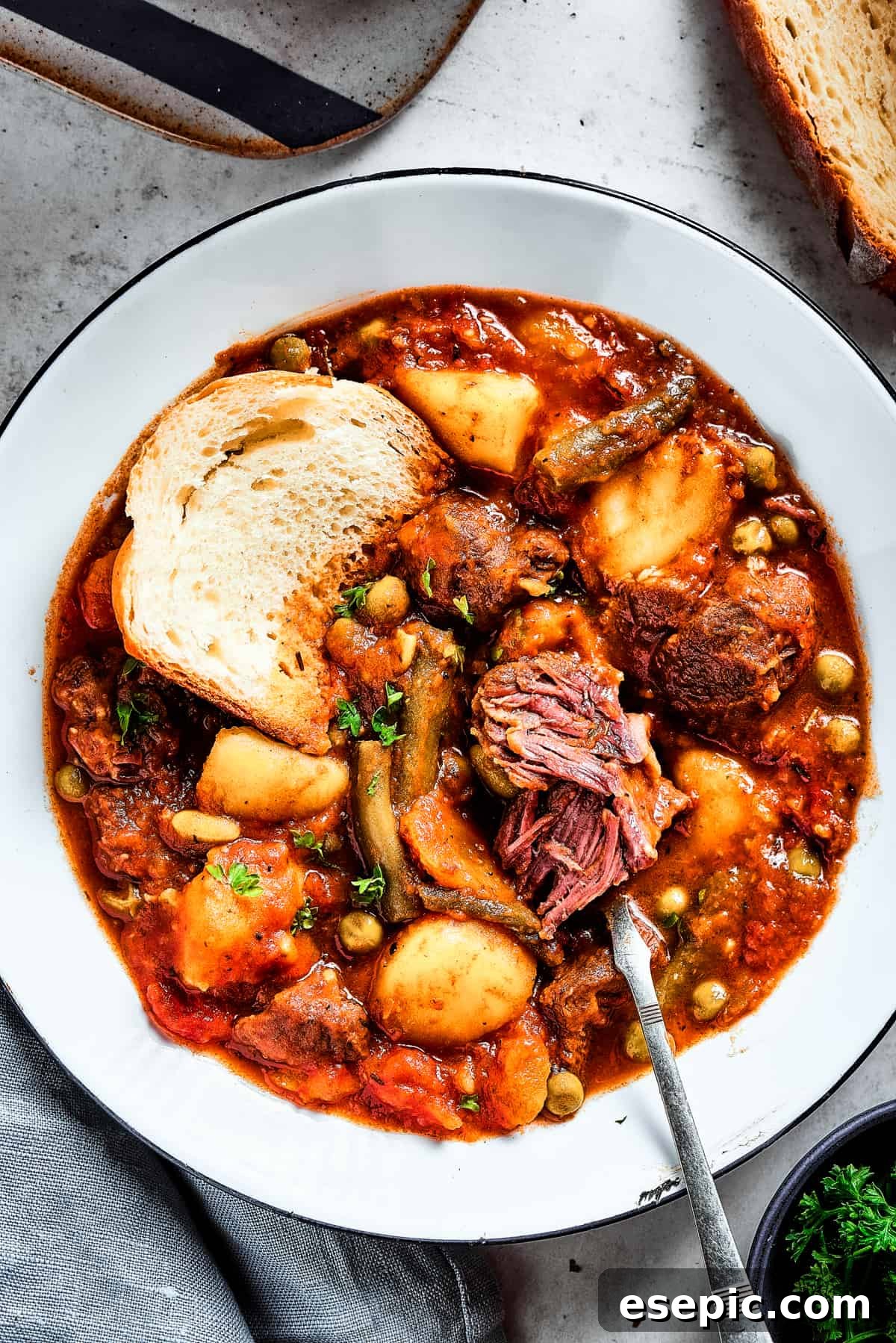
Mulligan Stew vs. Irish Stew: A Delicious Distinction
While both Irish Stew and Mulligan Stew are celebrated for their hearty, traditional appeal, they possess distinct characteristics that set them apart. Understanding these differences can deepen your appreciation for each dish.
Irish Stew is renowned for its simplicity and historical roots. Traditionally, it’s a humble dish often featuring lamb (though beef is also common), potatoes, onions, and carrots. Its charm lies in the purity of its ingredients, allowing their natural flavors to meld beautifully in a clear, comforting broth. It’s a dish tied to the specific produce and livestock of Ireland, reflecting a more consistent, albeit simple, ingredient list.
Mulligan Stew, on the other hand, embraces a more eclectic and flexible philosophy. Its origins are often attributed to migrant workers and homeless individuals (sometimes referred to as “hobo stew”), who would pool whatever ingredients they could acquire. This means Mulligan Stew is inherently a colorful combination of various meats, seasonal vegetables, and seasonings. You might find anything from summer squashes to winter root vegetables, different cuts of meat, and an array of herbs and spices. This recipe exemplifies a fantastic basic version of Mulligan Stew, allowing for easy preparation even if your pantry isn’t brimming with “leftovers.” It celebrates improvisation and variety, making each pot potentially unique and always a delightful surprise.
In essence, Irish Stew is about tradition and consistency, while Mulligan Stew is about adaptability and abundance, a true celebration of culinary resourcefulness.
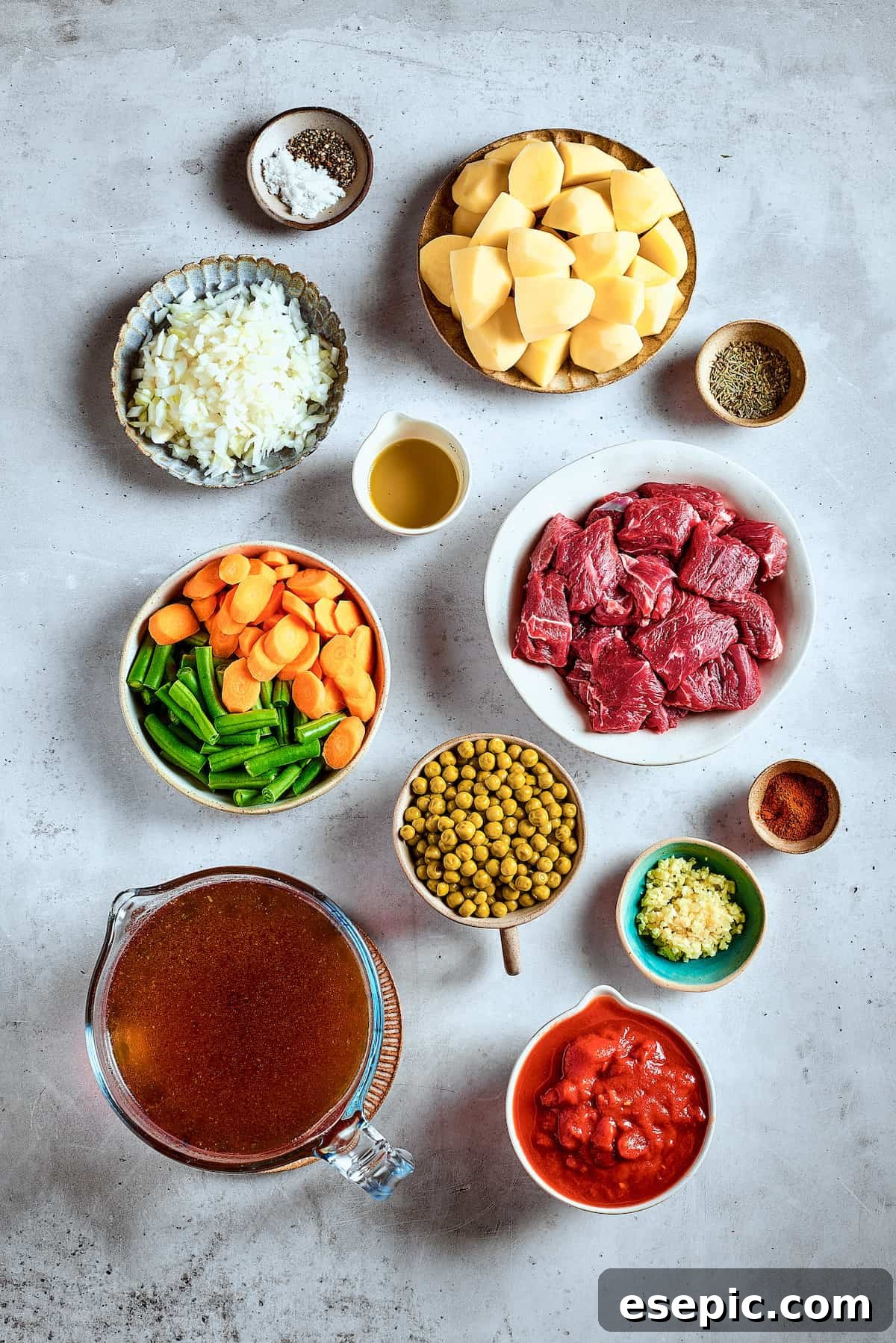
Essential Ingredients for a Perfect Mulligan Stew
Curious about what goes into creating this magnificent version of classic Mulligan Stew? Our recipe is packed with tender, flavorful chunks of beef, a vibrant array of nourishing vegetables, and a harmonious blend of savory seasonings. Here’s a detailed look at the ingredients you’ll need, along with some helpful tips:
- Olive Oil: Essential for sautéing and building the initial flavor base. Any neutral cooking oil, such as canola or vegetable oil, will also work well.
- Beef: Opt for stew beef or a chuck roast, cut into uniform cubes. These cuts are perfect for stewing as they become incredibly tender and flavorful during the slow cooking process. Look for good marbling for the best results.
- Salt and Pepper: Basic seasonings that are crucial for enhancing the natural flavors of the beef and vegetables. We recommend kosher salt for its balanced flavor.
- Onion and Garlic: The aromatic foundation of nearly any good stew. Dice the onion and mince or press the garlic to release their pungent, sweet flavors that deepen as they cook down.
- Paprika: A vital spice for adding color and a subtle smoky depth. We highly recommend using smoked paprika to impart that authentic rustic, campfire vibe. Sweet paprika is also an acceptable substitute if you prefer a milder flavor.
- Beef Broth: The liquid base that brings all the flavors together. Using good quality beef broth is key to achieving a deep, rich color and robust flavor. While vegetable or chicken broth can be substituted in a pinch, they will result in a lighter color and a less intense beef flavor.
- Carrots: Cut into one-inch chunks. Carrots add natural sweetness and vibrant color, becoming beautifully tender after simmering.
- Potatoes: Cubed Yukon gold potatoes are ideal for stews because they hold their shape well while becoming creamy and soft. You can also use red potatoes or even russets, just be mindful that russets might break down more easily.
- Tomatoes: Canned crushed tomatoes are a convenient and consistent choice, adding a tangy sweetness and thickening the stew. If you have fresh, ripe tomatoes on hand, feel free to use them – about 3-4 medium tomatoes, chopped.
- Green Beans: Fresh green beans offer a crisp-tender texture and bright green color. Frozen green beans are also a perfectly acceptable and convenient alternative; simply add them directly from the freezer without thawing.
- Peas: Frozen peas are best here, added towards the end of cooking to maintain their vibrant color and sweet flavor. They cook quickly and add a lovely pop to the stew.
- Herbs: Dried oregano and rosemary contribute classic savory notes that complement the beef beautifully. Finish with some freshly chopped parsley for a burst of freshness and color just before serving.
Mastering Mulligan Stew: A Step-by-Step Guide
Creating a delicious Mulligan Stew is incredibly rewarding and surprisingly straightforward. The key lies in building layers of flavor, starting with perfectly browned beef and allowing all the ingredients to meld together in a slow, comforting simmer. Follow these simple steps for a truly exceptional result:
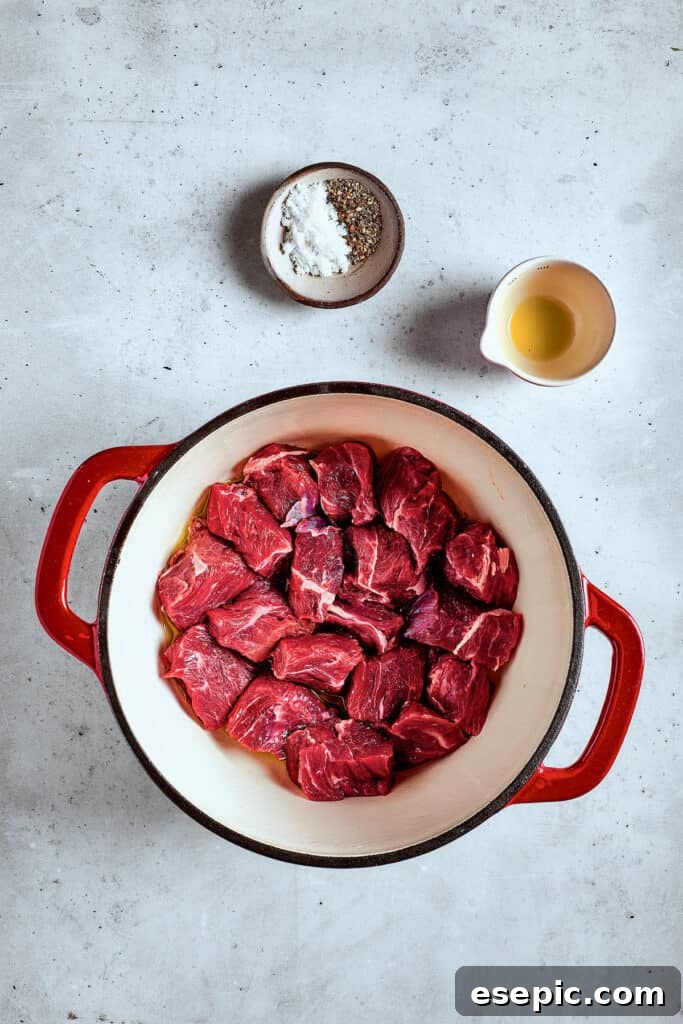
- Prepare the Beef: Begin by heating the olive oil in a large soup pot or a sturdy Dutch oven over medium-high heat. While the oil heats, season your cubed beef generously with salt and freshly ground black pepper. Once the oil is shimmering, add the seasoned beef in batches, if necessary, to avoid overcrowding the pot. Brown the beef on all sides until a beautiful crust forms, about 5-7 minutes per batch. This crucial step develops deep, savory notes and rich color. Once browned, remove the beef from the pot and set it aside on a clean plate.
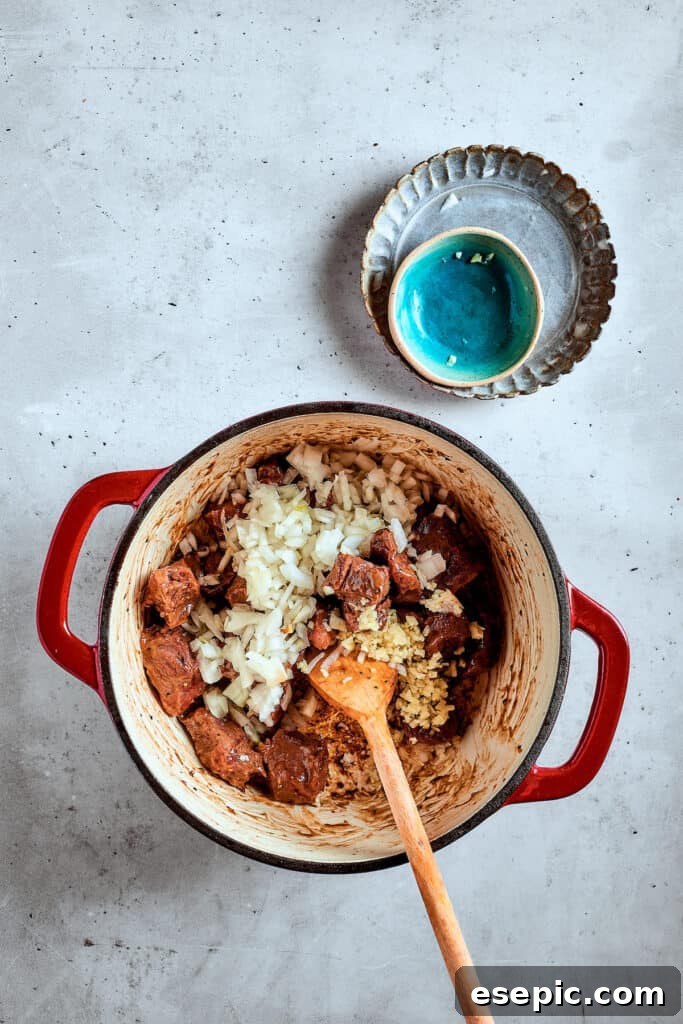
- Build the Flavor Base: Reduce the heat to medium. Add the diced onion to the same pot, scraping up any browned bits from the bottom – these are packed with flavor! Cook the onion until it becomes translucent and fragrant, typically about 2-3 minutes. Then, add the minced garlic and cook for another minute until fragrant, being careful not to burn it. Finally, stir in the smoked paprika, cooking for just one minute more to allow its flavors and aroma to fully develop.
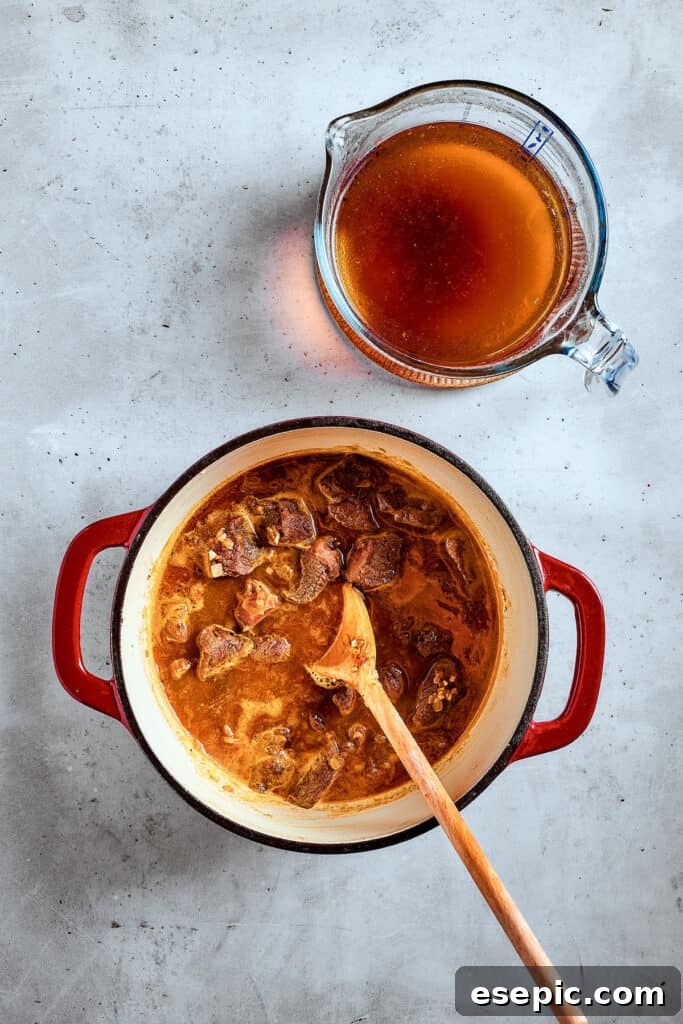
- Simmer the Beef to Tenderness: Return the browned beef to the pot. Pour in the beef broth, ensuring that the beef is fully submerged. Gently scrape the bottom of the pot one more time to loosen any remaining flavorful bits. Bring the mixture to a gentle boil, then reduce the heat to low, cover the pot, and let the stew simmer patiently for about one hour, or until the beef is wonderfully tender and easily pierced with a fork. This slow simmer is crucial for developing deep flavors and a meltingly tender texture.
- Integrate the Vegetables: After the beef has simmered for an hour, it’s time to add the heartier vegetables. Stir in the cubed potatoes, carrot pieces, and green beans. Continue to simmer the stew, covered, for an additional 30 minutes, or until these vegetables are tender but still hold their shape. Next, add the crushed tomatoes and mix well, allowing the stew to simmer for another 15 minutes to fully incorporate the tangy tomato flavor. Finally, stir in the frozen peas, dried oregano, and dried rosemary. Cook for just 5-10 more minutes, until the peas are heated through and the vegetables reach your desired tenderness.
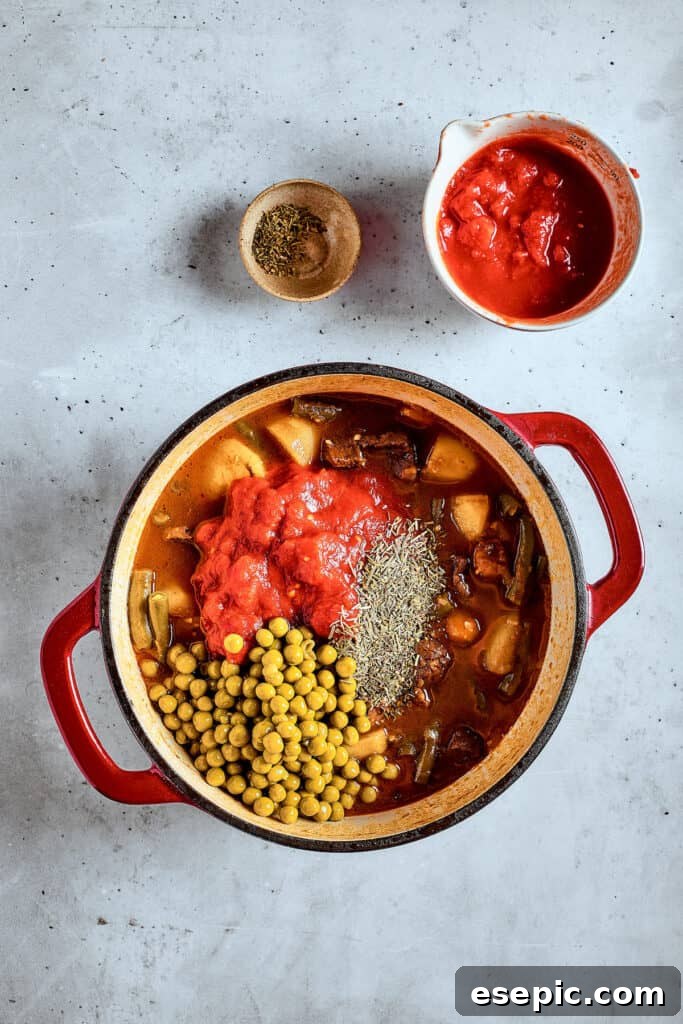
- Final Touches and Serve: Once all the vegetables are tender and the flavors are perfectly melded, taste the stew and adjust the seasonings as needed. You may want to add a little more salt, pepper, or a pinch of your favorite herb. Stir in the freshly chopped parsley just before serving for a burst of fresh flavor and color. Serve your steaming hot Mulligan Stew with your favorite crusty bread or side dishes, and prepare to enjoy a truly comforting and satisfying meal!
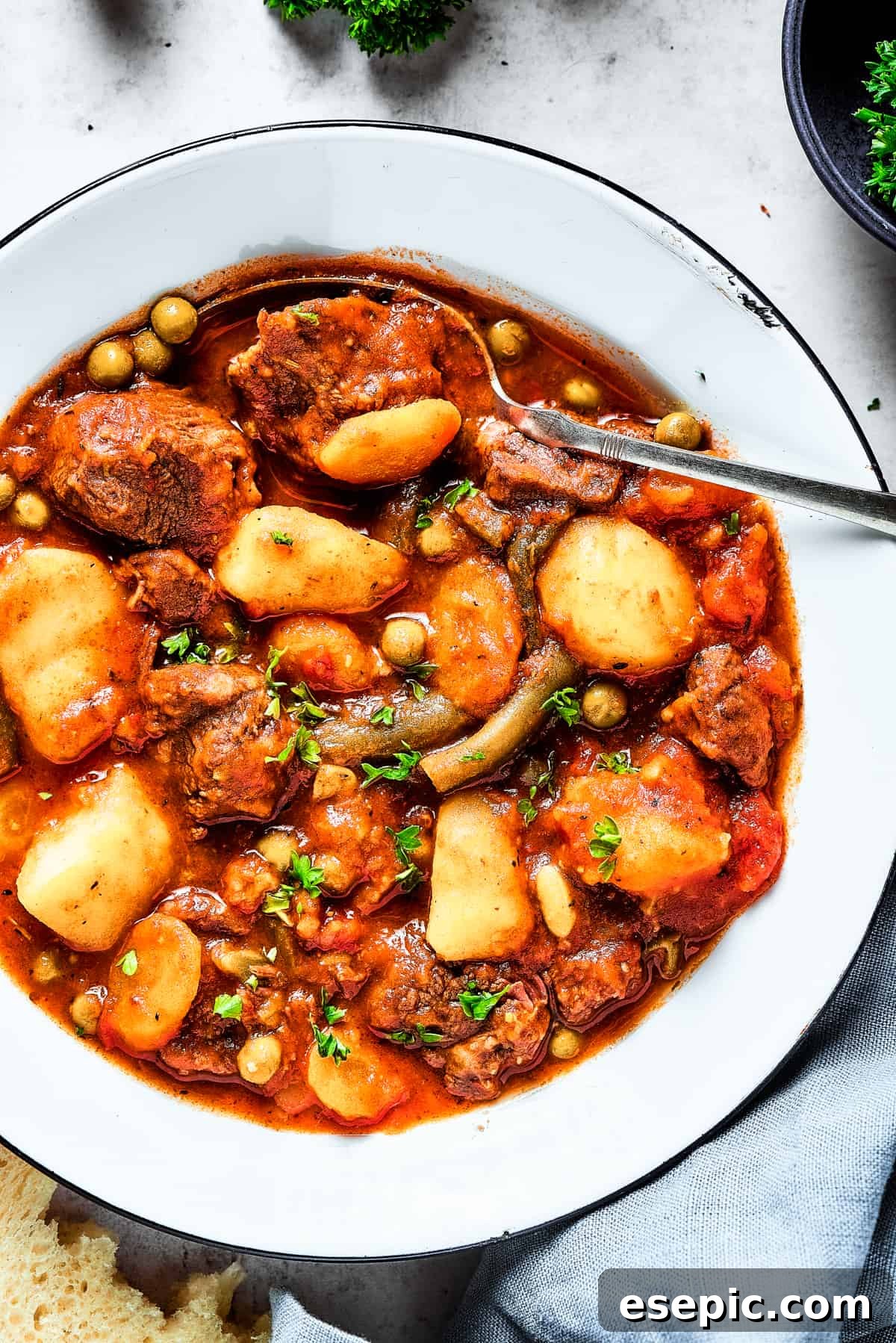
Expert Tips for a Truly Successful Mulligan Stew
Crafting the perfect Mulligan Stew is an art, but with these expert tips, you can ensure every batch is a masterpiece of flavor and texture:
- Layer Those Flavors: The secret to a deeply flavorful stew begins with proper searing. Start by browning your meat – be it beef, lamb, or even poultry – in batches. This process creates a rich, caramelized crust on the surface of the meat, which translates into an incredible depth of flavor for your stew. Don’t rush this step; those browned bits are pure gold!
- Deglaze the Pot for Maximum Taste: After you’ve sautéed your aromatics (onions, garlic) and cooked the paprika, the bottom of your pot will have accumulated flavorful browned bits, known as “fond.” Deglaze the pot by adding a splash of broth, wine, or even beer, and scrape up these delicious morsels with a wooden spoon. This releases all that concentrated flavor back into the liquid, forming an even richer base for your stew.
- Embrace a Variety of Veggies: Mulligan Stew is all about flexibility and using what you have. While potatoes, carrots, and peas are staples, don’t hesitate to include a wider array of vegetables. Consider adding corn, bell peppers, celery, mushrooms, or even parsnips. Pay attention to what’s in season for the freshest taste, or utilize frozen options for convenience. Adding a diverse mix not only enhances flavor but also adds beautiful color and varied textures.
- Adjust Consistency to Your Liking: If your stew seems too thin, you can thicken it by mashing some of the cooked potatoes against the side of the pot, or by mixing a tablespoon of cornstarch with an equal amount of cold water and stirring it into the simmering stew until it thickens. If it’s too thick, simply add a bit more beef broth until it reaches your desired consistency.
- Season Generously and Taste Often: Don’t be shy with your seasonings! Stews benefit from bold flavors. Beyond salt and pepper, consider a bay leaf, a pinch of thyme, or a dash of Worcestershire sauce for extra umami. Always taste your stew towards the end of cooking and adjust the seasoning as needed. Remember, flavors deepen as the stew simmers, so it’s often best to make final adjustments just before serving.
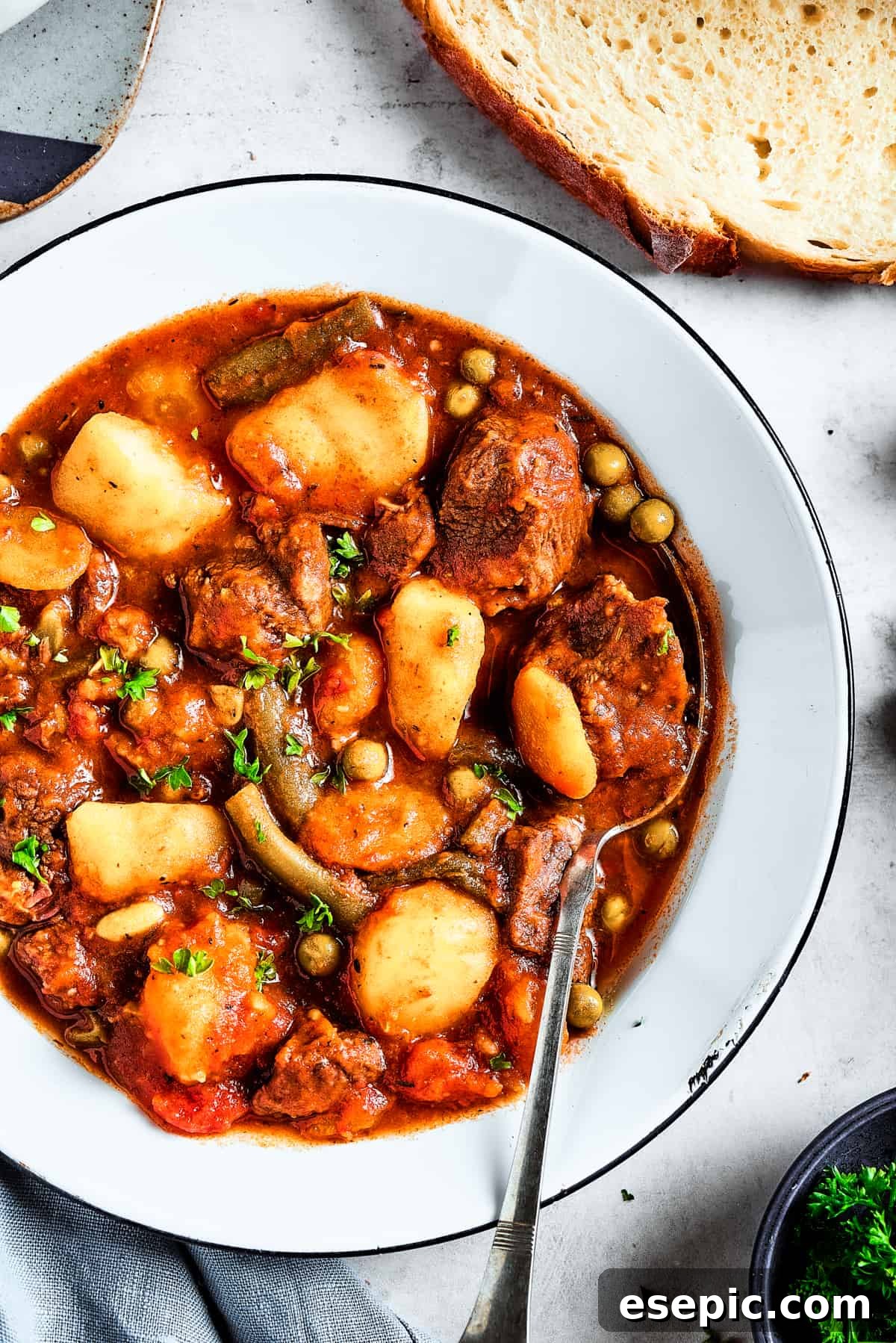
Perfect Pairings: Serving Suggestions for Mulligan Stew
While this beef stew is a complete meal on its own, it truly shines when served with complementary side dishes that can soak up its rich, flavorful broth. Here are a few ideas to elevate your Mulligan Stew experience:
- Warm Cornbread: Few things pair as perfectly with a hearty stew as warm, slightly sweet cornbread. Whether you dunk it directly into your bowl to soak up every drop of that savory broth or crumble it on top for added texture, you’ll adore this combination. Try our Homemade Cornbread Recipe, perhaps with a drizzle of honey, served hot alongside your Mulligan Stew. The slight sweetness of the cornbread offers a wonderful contrast to the savory stew.
- Flaky Crescent Rolls: For a truly irresistible pairing, bake up a batch of homemade crescent rolls. Their buttery, flaky layers are perfect for scooping up the rich broth. They are so good, you might want to make a double batch and freeze some for later – trust us, they’re worth the effort! These Homemade Crescent Rolls (also known as butterhorn rolls) are simply divine alongside this rustic stew.
- Fresh Side Salad: If you’re looking for something a little lighter to balance the richness of the stew, a crisp, refreshing side salad is an excellent choice. A simple garden salad with mixed greens, cherry tomatoes, and cucumber would be fantastic. Alternatively, you could prepare our Cucumber Salad with Sour Cream Dressing for a creamy, zesty, and effortlessly simple dish that provides a lovely counterpoint to the robust flavors of the stew.
- Crusty Bread: A classic choice, a warm loaf of crusty sourdough, baguette, or rustic Italian bread is always a winner. Its firm crust and soft interior are ideal for soaking up every last bit of that delicious stew.
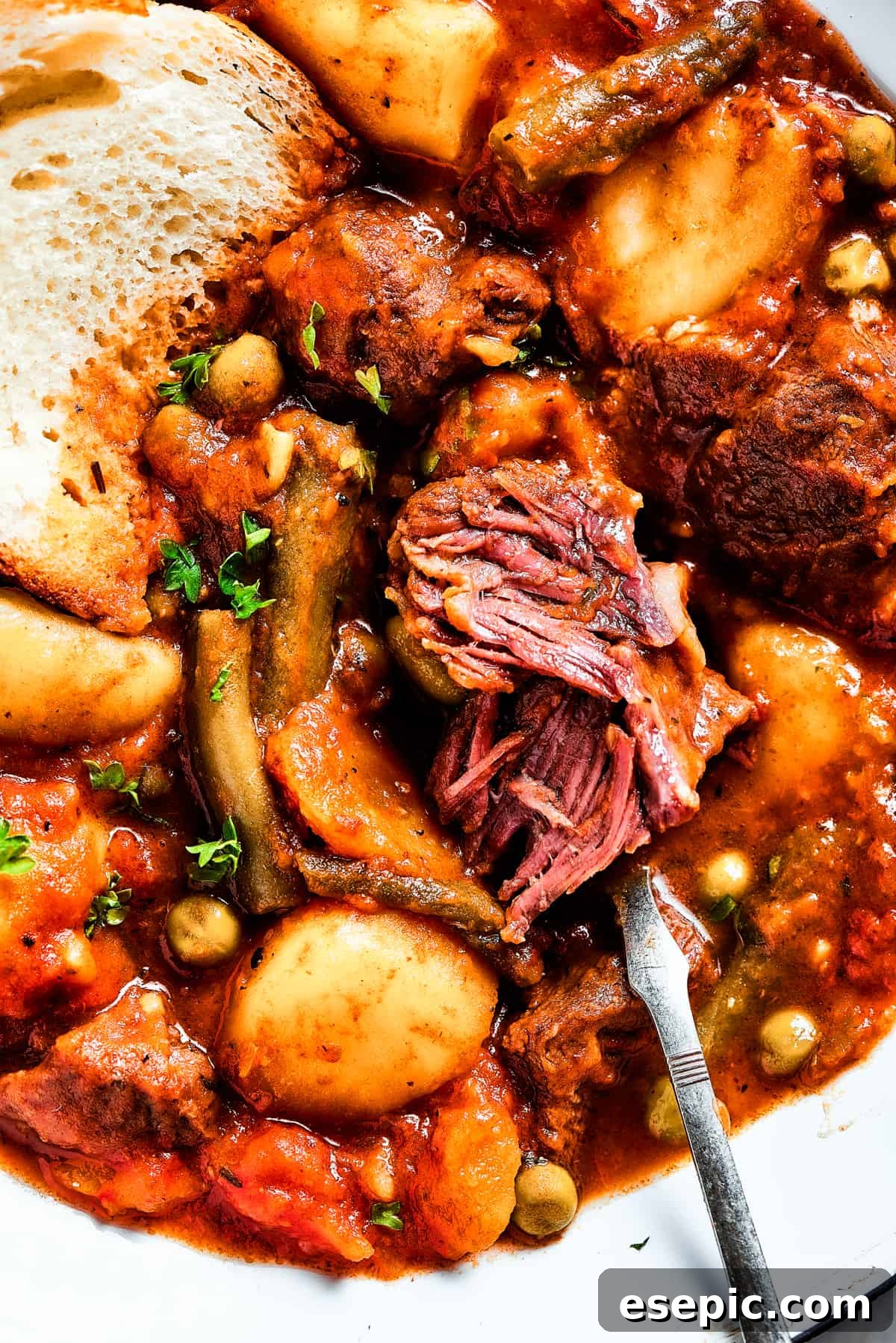
Storing and Reheating Your Delicious Mulligan Stew Leftovers
One of the many beautiful things about Mulligan Stew, much like most soups and stews, is that it often tastes even better the next day as the flavors have more time to meld and deepen. Proper storage and reheating will ensure you can enjoy this comforting meal for days to come.
- Refrigeration: To store your Mulligan Stew, allow it to cool completely to room temperature first. Then, transfer the stew to an airtight container. It will keep beautifully in the refrigerator for 3 to 4 days. When you’re ready to enjoy it again, simply reheat it on the stovetop over low heat, stirring occasionally. If the stew has thickened too much in the fridge, add a splash of beef broth or water to achieve your desired consistency.
- Freezing for Longer Storage: Mulligan Stew freezes exceptionally well, making it a perfect candidate for meal prepping or saving for a busy day. To freeze, divide the cooled stew into individual freezer-safe containers or heavy-duty freezer bags. Be sure to leave a little space at the top of the container (about an inch) to allow for expansion during freezing. It can be stored in the freezer for up to 3 months. When you’re ready to enjoy it, thaw the stew in the refrigerator overnight before reheating it on the stovetop as described above. You can also gently reheat it from frozen on very low heat, adding liquid as needed, though thawing first is generally recommended for best results.
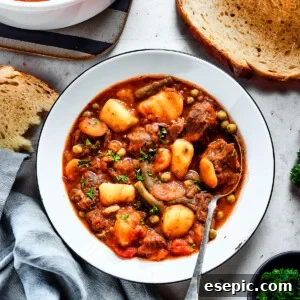
Mulligan Stew
by Katerina | Easy Weeknight Recipes
It’s time to cozy up with a bowl of pure comfort with this Mulligan Stew! Get ready for a rib-sticking dish that’s easy, warm, and scrumptious.
Prep Time: 20 minutes
Cook Time: 2 hours 30 minutes
Total Time: 2 hours 50 minutes
Servings: 6
Ingredients
- 3 tablespoons olive oil
- 1 pound beef stew meat, or use chuck roast cut into cubes
- 2 teaspoons kosher salt
- ½ teaspoon freshly ground black pepper
- 1 large onion, diced
- 3 cloves garlic, minced
- 1 teaspoon smoked paprika
- 6 cups beef broth
- 4 carrots, cut into about 1 inch chunks
- 4 medium Yukon gold potatoes, peeled and cubed
- 28 ounce can crushed tomatoes
- 2 cups fresh green beans
- 1 cup frozen peas
- 1 teaspoon dried oregano
- ½ teaspoon dried rosemary
- ¼ cup chopped fresh parsley
Instructions
- In a large pot or Dutch oven, heat the olive oil over medium-high heat.
- Season the cubed beef with 1 teaspoon of kosher salt and 1/4 teaspoon of freshly ground black pepper.
- Add the seasoned beef to the pot and brown it on all sides, stirring occasionally. This will take about 5 to 7 minutes. Once browned, remove the beef from the pot and set aside.
- In the same pot, add the diced onion and minced garlic. Cook until the onions are translucent and fragrant, about 2 minutes.
- Stir in the smoked paprika and cook for another minute to release its flavor.
- Add the browned beef back to the pot. Pour in the beef broth while stirring all the browned bits from the bottom of the pan and ensuring that the beef is fully covered with the liquid. Bring the mixture to a boil.
- Once boiling, reduce the heat to low, cover the pot, and let the stew simmer for 1 hour.
- After an hour, add the cubed potatoes, carrot pieces, and green beans to the pot. Stir everything together and continue to simmer for 30 minutes or until the vegetables are softened.
- Next, add the crushed tomatoes to the stew and mix well. Allow the stew to simmer for 15 minutes to incorporate the flavors.
- Add the peas, dried oregano, and dried rosemary to the pot. Stir everything together and let the stew simmer for another 10 minutes or until the vegetables are tender.
- Taste the stew and adjust the seasoning with the remaining 1 teaspoon of kosher salt and 1/4 teaspoon of black pepper, or to taste.
- Finally, stir in the chopped parsley.
- Remove the pot from the heat and serve hot.
Equipment
- Dutch Oven
- Measuring Cups and Spoons
- Wooden Spoons
Notes
- Flavor Building: Sear the meat (beef, lamb, or poultry) in stages to enrich the stew’s flavor.
- Pot Deglazing: After sautéing, use broth, wine, or beer to deglaze the bottom of the pot.
- Veggie Selection: Use root vegetables and mushrooms, too, keeping in mind seasonal availability or whatever you have on hand.
- Storage: To store, transfer the stew to an airtight container and keep it in the fridge for three to four days. To serve it again, simply reheat it on the stovetop over low heat, adding a splash of broth if the stew seems too thick.
- Freezing: Mulligan stew freezes wonderfully, so if you want to save it for a longer period of time, you can portion it out into freezer-safe containers (leaving a little space for expansion) and keep it in the freezer for up to 3 months. Thaw in the fridge before reheating on the stove.
Nutrition
Calories: 424kcal | Carbohydrates: 46g | Protein: 26g | Fat: 17g | Saturated Fat: 5g | Polyunsaturated Fat: 2g | Monounsaturated Fat: 10g | Trans Fat: 1g | Cholesterol: 52mg | Sodium: 1945mg | Potassium: 1637mg | Fiber: 11g | Sugar: 12g | Vitamin A: 7798IU | Vitamin C: 48mg | Calcium: 136mg | Iron: 6mg
Nutritional info is an estimate and provided as courtesy. Values may vary according to the ingredients and tools used. Please use your preferred nutritional calculator for more detailed info.
Explore More Satisfying Soups and Stews
If you loved this comforting Mulligan Stew, you’ll surely enjoy these other hearty and flavorful recipes:
- Hearty Guinness Beef Stew: A rich and robust stew, deeply flavored with Guinness stout.
- Classic Pasta Fagioli Recipe: A beloved Italian soup brimming with pasta, beans, and vegetables.
- Quick and Easy Chicken Chili: A lighter yet equally satisfying chili option, perfect for any weeknight.