
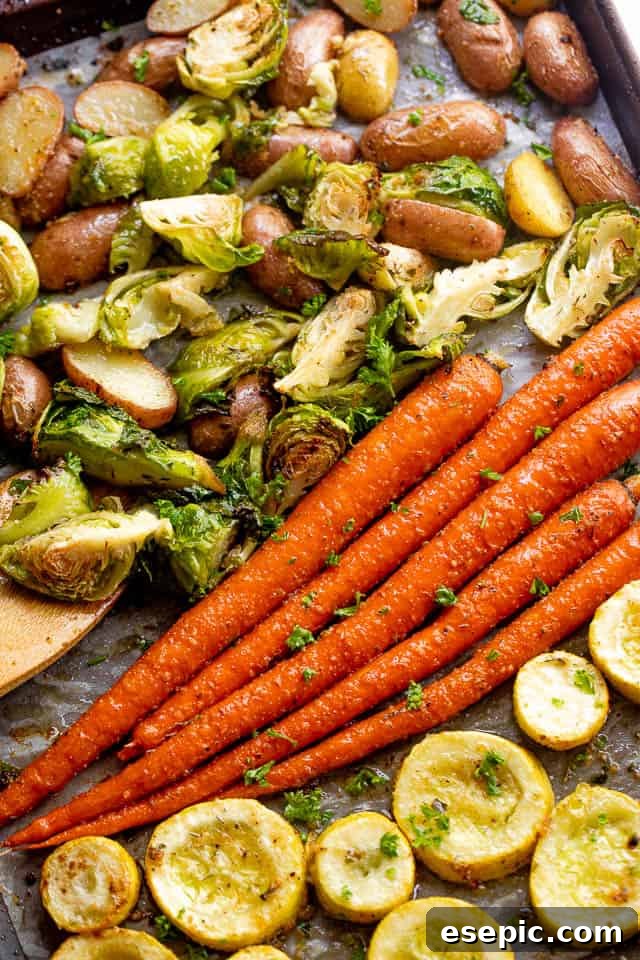
Welcome to the ultimate guide for creating the most delicious, healthy, and incredibly easy Oven Roasted Vegetables! This recipe isn’t just a side dish; it’s a vibrant celebration of flavor, texture, and wholesome goodness that will quickly become a weeknight staple. Imagine tender-crisp vegetables, caramelized to perfection, infused with a zesty balsamic vinaigrette that elevates every bite. The beauty of this sheet pan method lies in its simplicity and minimal cleanup, making it a dream for busy evenings or elegant holiday gatherings alike.
Why You Will Love This Easy Oven Roasted Vegetables Recipe
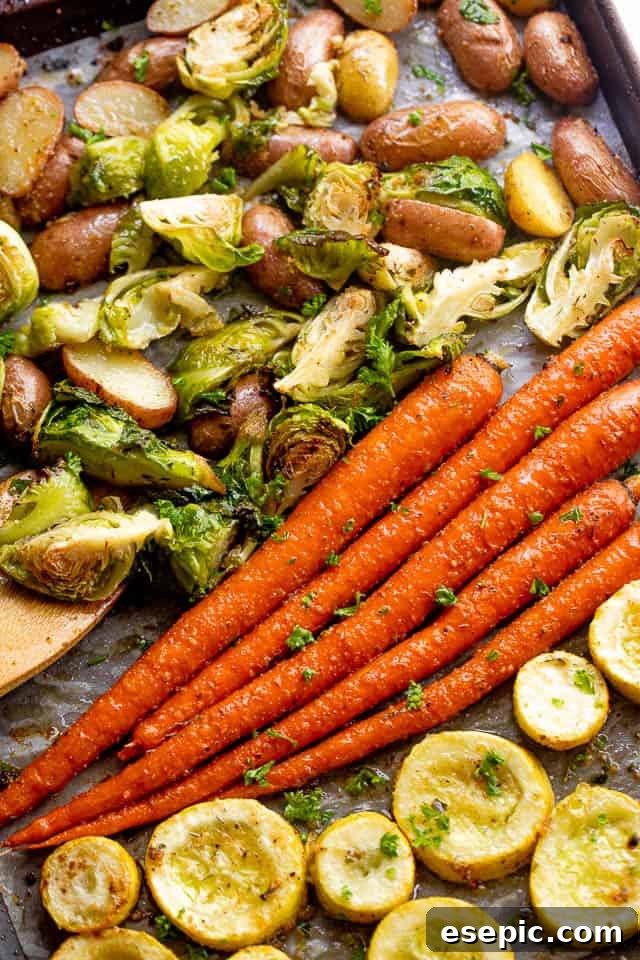
There’s something truly magical about roasted vegetables that steaming or boiling simply can’t replicate. Roasting brings out their natural sweetness, intensifying their flavors and creating wonderfully crispy edges and tender interiors. This particular recipe takes that magic to the next level with a tangy balsamic vinaigrette that caramelizes in the oven, imparting a rich, savory-sweet, and slightly earthy depth to every piece.
Beyond the incredible taste, this recipe stands out for its sheer simplicity and health benefits. It’s a fantastic way to incorporate more nutrient-dense vegetables into your diet, offering a delicious alternative to heavier side dishes. The sheet pan method means less fuss and fewer dishes, making it ideal for anyone looking for a wholesome meal solution without spending hours in the kitchen. Whether you’re a seasoned chef or a beginner, you’ll appreciate how effortlessly this dish comes together. It’s truly a versatile side that complements almost any main course, from a simple weeknight chicken to an elaborate holiday roast.
Essential Ingredients for Perfectly Roasted Vegetables
The beauty of this recipe lies in its simple yet flavorful ingredients. Each component plays a crucial role in creating a harmonious and utterly delicious side dish.
- Extra Virgin Olive Oil: Approximately ¼ cup. This isn’t just a cooking agent; it’s a flavor enhancer. Extra virgin olive oil offers a rich, fruity note that complements the vegetables and forms the base of our vinaigrette. While lighter oils can be used, they won’t provide the same depth of flavor.
- Balsamic Vinegar: About 3 tablespoons. Balsamic vinegar is the star of our dressing, bringing a wonderful tang and a subtle sweetness that caramelizes beautifully in the oven. Choose a good quality balsamic for the best results; its pungency will truly shine through.
- Fresh Garlic: About 4 cloves, minced. Freshly minced garlic provides an aromatic foundation, infusing the vegetables with its savory essence. If you don’t have a garlic press, finely chopping by hand works perfectly.
- Aromatic Spices: This blend includes 1 tablespoon dried oregano, 1 tablespoon dried crushed rosemary, 1½ teaspoons dried thyme, and 1½ teaspoons dried basil. The crushed rosemary is key here, as its smaller pieces distribute more evenly and are more pleasant to eat than whole, woody sprigs. These Mediterranean herbs bring warmth, depth, and an irresistible aroma to the dish.
- Salt and Freshly Ground Black Pepper: Essential for seasoning to taste. Don’t underestimate the power of proper seasoning to bring all the flavors together.
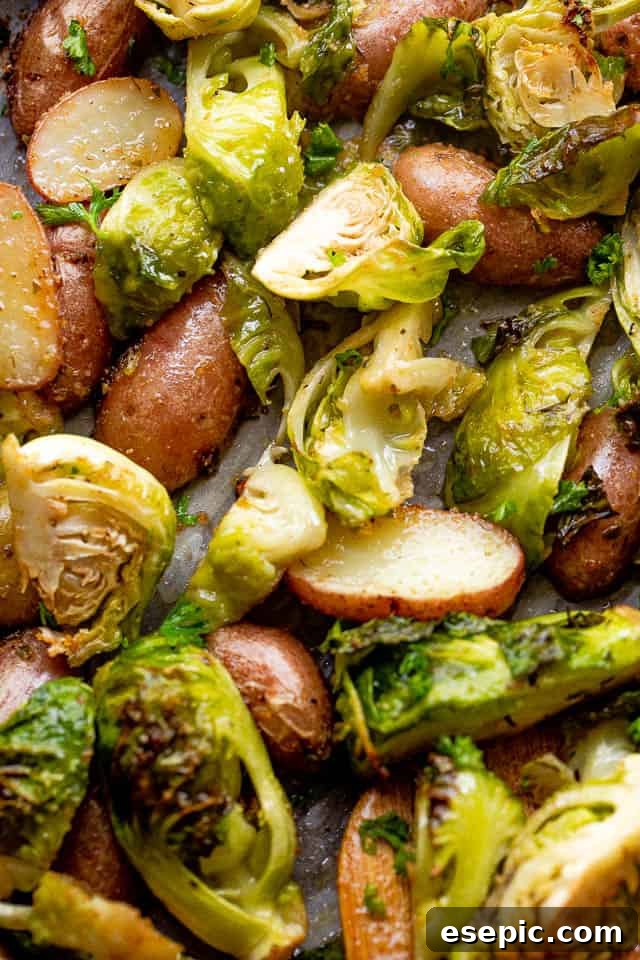
- Brussels Sprouts: 1 pound, washed, peeled, and halved. These miniature cabbages become delightfully tender on the inside and crispy on the outside when roasted, with a slightly nutty flavor.
- Yellow Squash: 1 pound, cut into 2-inch thick slices. Yellow squash adds a delicate sweetness and a soft texture that contrasts beautifully with the other vegetables. Its vibrant color also adds visual appeal.
- Carrots: 4 carrots, cut into 1.5-inch chunks. Long, thin carrots work best, but if you have thicker carrots, simply halve the thicker ends lengthwise to ensure even cooking. Carrots contribute natural sweetness and a hearty texture.
- Fingerling Potatoes: 4 cups, halved lengthwise. These small, elongated potatoes boast a creamy interior and thin skin that crisps up wonderfully. Baby red potatoes, halved or quartered if large, can be an excellent substitute for similar even cooking.
Simple Steps to Make the Best Oven Roasted Vegetables
Creating these irresistible roasted vegetables is remarkably straightforward. Even aspiring young chefs can lend a hand, from measuring ingredients for the sauce to assisting with vegetable prep (always under adult supervision, of course, with an emphasis on kitchen safety!).
- Preheat Your Oven: Begin by preheating your oven to a consistent 400°F (200°C). This high heat is crucial for achieving that coveted caramelization and crisp texture.
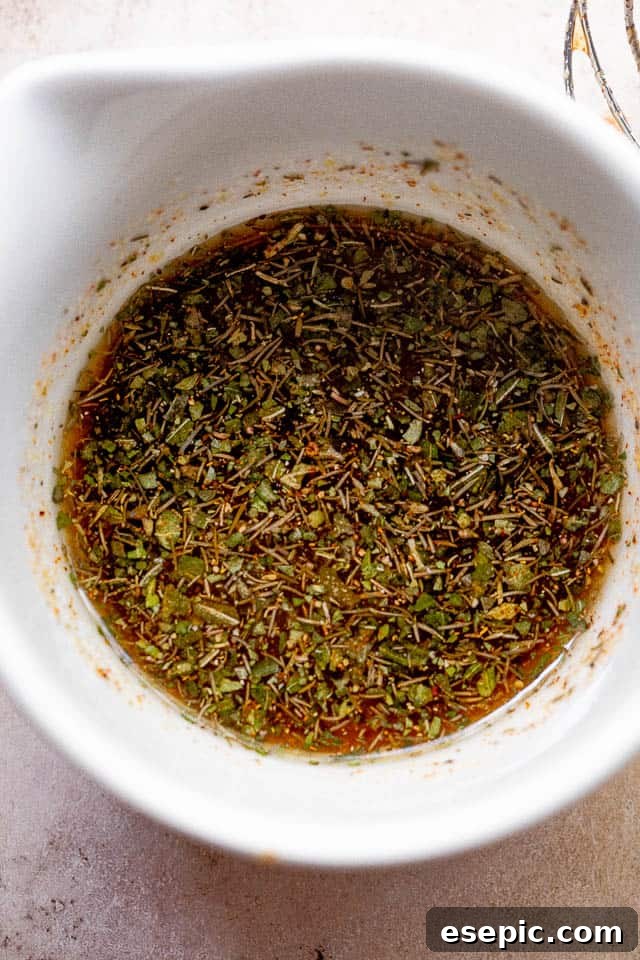
- Prepare the Balsamic Vinaigrette: In a medium-sized mixing bowl, combine the ¼ cup of extra virgin olive oil, 3 tablespoons of balsamic vinegar, 4 cloves of minced garlic, 1 tablespoon dried oregano, 1 tablespoon dried crushed rosemary, 1½ teaspoons dried thyme, 1½ teaspoons dried basil, and a generous pinch of salt and pepper. Whisk these ingredients vigorously until they are thoroughly incorporated and slightly emulsified. Set this flavorful dressing aside.
- Prepare the Vegetables: Wash and thoroughly dry all your chosen vegetables. For the Brussels sprouts, trim the ends, remove any loose outer leaves, and halve them. Cut the yellow squash into 2-inch thick slices. Slice the carrots into 1.5-inch chunks, ensuring to halve thicker pieces for even cooking. Halve the fingerling potatoes lengthwise. The key to evenly roasted vegetables is uniform sizing, so take a moment to ensure your cuts are consistent.
- Arrange on Baking Sheets: Spread the prepared vegetables out in a single layer on a large, 11×17 inch baking sheet. If your baking sheet isn’t large enough to accommodate all the vegetables in a single layer without crowding, use a second smaller baking sheet. Overcrowding will steam the vegetables instead of roasting them, preventing them from getting crispy. For easy cleanup, consider lining your baking sheets with parchment paper.
- Coat with Vinaigrette: Pour the whisked balsamic vinaigrette evenly over the vegetables on the baking sheet(s). Using your hands or a large spatula, toss the vegetables thoroughly until every piece is uniformly coated in the dressing. If the vegetables appear too dry, you can add a little more olive oil.
- Roast to Perfection: Place the baking sheet(s) on a middle rack in your preheated oven. Bake for 35 to 40 minutes. Halfway through the cooking time (around 17-20 minutes), remove the sheets from the oven and give the vegetables a good stir or toss to ensure even browning and cooking.
- Season and Serve: Once the vegetables are tender-crisp and beautifully caramelized, remove them from the oven. Taste a piece and adjust the seasoning with additional salt and pepper if needed. Serve immediately and enjoy the delightful flavors!
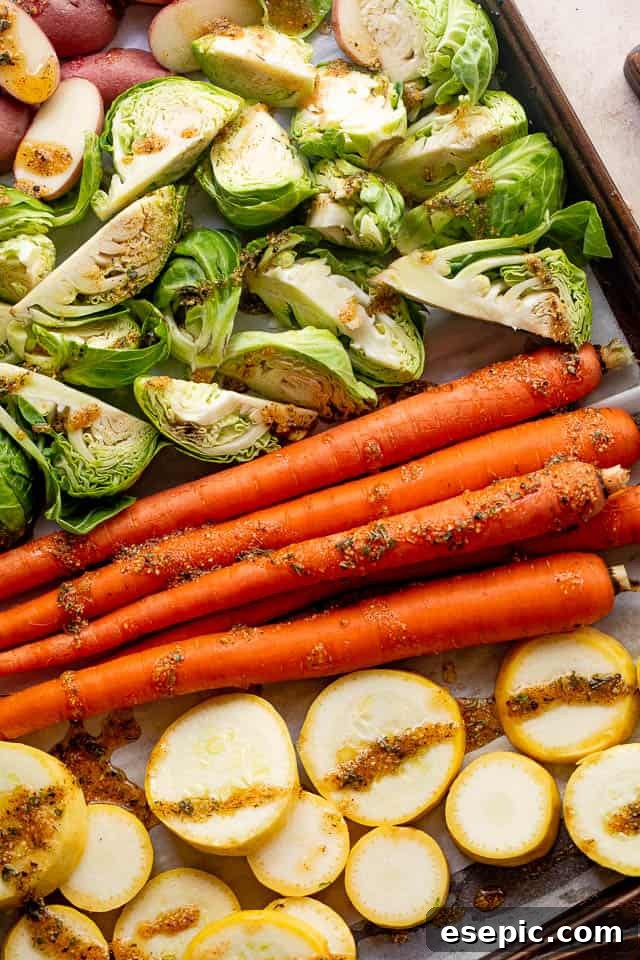
Pro Tips for the Best Roasted Fall Vegetables
Achieving perfectly roasted vegetables is an art, but with these expert tips, you’ll master it every time.
- Don’t Crowd the Pan: This is arguably the most important rule for crispy roasted vegetables. If you pile too many veggies onto one sheet, they will steam rather than roast, resulting in a soft, soggy texture. Always ensure they are spread in a single layer with a little space between each piece. If necessary, use two baking sheets.
- Cut Vegetables Evenly: Uniformity in size is key to uniform cooking. If some pieces are larger than others, they will cook at different rates, leaving you with some undercooked and some overcooked pieces. Take your time to chop everything to a similar size.
- Dry Your Veggies: Excess moisture on the surface of your vegetables can also lead to steaming. After washing, thoroughly pat your vegetables dry with a clean kitchen towel or paper towels before tossing them with oil and seasonings.
- High Heat is Your Friend: Roasting at 400°F (200°C) ensures that the vegetables get beautifully browned and caramelized, developing complex, sweet, and savory flavors. Don’t be tempted to lower the temperature for faster cooking.
- Not Crispy Enough? Broil! Oven temperatures can vary, and sometimes your veggies might not achieve that desired crispness within the allotted time. Instead of overcooking them, simply switch your oven to broil for 1-3 minutes. Keep a close eye on them, as they can burn quickly under the broiler. This quick burst of intense heat will give them perfect brown, crispy edges.
- Use Parchment Paper for Easy Cleanup: For a hassle-free cleanup, line your baking sheets with parchment paper before arranging the vegetables. This prevents sticking and makes washing your pans a breeze, allowing you more time to enjoy your meal.
- Cover as Needed for Tenderizing: If you find that certain vegetables, like thicker potatoes or carrots, are browning too quickly on the outside but are still firm in the center, you can lightly cover the baking sheet with aluminum foil. This traps heat and moisture, helping them cook through without burning. Remove the foil for the last 5-10 minutes of cooking to allow them to crisp up again.
- Rotate Your Pan: Ovens often have hot spots. To ensure even roasting, consider rotating your baking sheet halfway through the cooking time when you stir the vegetables.
Serving Suggestions for a Complete Meal
These versatile oven-roasted vegetables are the perfect complement to a wide array of main dishes. Here are some delicious ideas to create a complete and satisfying meal:
- Hearty Pasta Bake: Roasted vegetables, with their comforting appeal, pair exceptionally well with a rich baked pasta dish. Imagine them alongside a creamy baked pasta with zucchini and mushrooms for a vegetarian feast that’s both hearty and flavorful. The earthy notes of the roasted veggies will perfectly balance the richness of the pasta.
- Sizzling Salmon Entree: For a healthy and quick weeknight dinner, serve these vibrant vegetables with pan-seared salmon finished with a fresh dill sauce. The tender, flaky salmon and bright sauce create a dynamic contrast with the caramelized vegetables, offering a nutrient-packed meal that feels gourmet.
- Classic Chicken Dinner: Simple yet satisfying, perfectly juicy oven-baked chicken breasts are a natural partner for this robust side. This pairing is not only delicious but also fantastic for meal prepping. Cook a double batch of both the chicken and vegetables at the beginning of the week for effortless weekday lunches and dinners.
- Grilled Steak or Pork Chops: The savory char of grilled meats finds its perfect match in the sweet and tangy notes of these roasted vegetables. The balsamic vinaigrette complements the richness of steak or pork beautifully.
- Grain Bowls: For a lighter, plant-forward meal, toss the roasted vegetables with cooked quinoa or brown rice, a handful of fresh greens, and a drizzle of extra dressing. Add some crumbled feta or goat cheese for an extra layer of flavor.
- As a Main Course: These vegetables are so flavorful, they can easily stand alone as a light vegetarian meal, perhaps with a crusty piece of bread or a dollop of hummus.
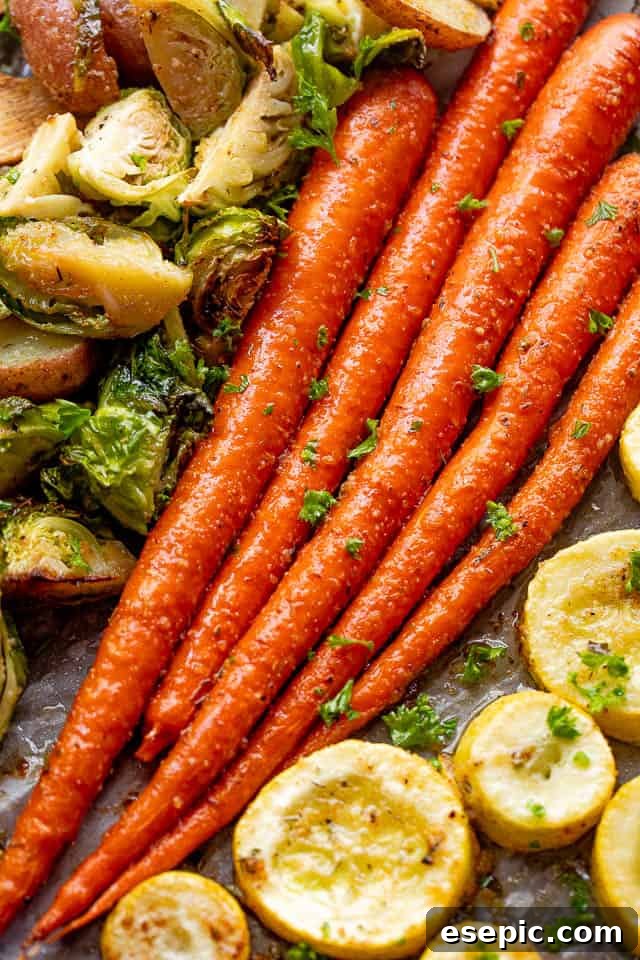
How to Store and Reheat Leftovers Like a Pro
Roasted vegetables make excellent leftovers, perfect for meal prep or quick additions to future meals.
- To Refrigerate: Once completely cooled, transfer any leftover roasted vegetables to airtight containers or heavy-duty food storage bags. Properly stored, they will maintain their quality and flavor for up to 3 days in the refrigerator. This makes them fantastic for preparing ahead of time for lunch or dinner throughout the week.
- To Reheat: The best way to reheat roasted vegetables to revive their crispy texture is in the oven. Spread the cooled vegetables evenly on a baking sheet and bake at 400°F (200°C) for about 5 to 10 minutes, or until they are heated through and slightly re-crisped. You can also use an air fryer at 375°F (190°C) for 3-5 minutes for an even quicker crisping. While you can microwave them, this method often results in a softer texture.
- Freezing is Not Recommended: It is generally not recommended to freeze roasted vegetables. The high water content in most vegetables means that upon thawing and reheating, their texture can become quite mushy and unappealing. The delicate crispness achieved through roasting is typically lost, making them less enjoyable.
The Health Benefits of Roasted Vegetables
Beyond their delicious taste, oven-roasted vegetables are packed with incredible health benefits, making them a cornerstone of any balanced diet. This recipe, in particular, showcases a vibrant array of nutrient-dense produce:
- Rich in Vitamins and Minerals: Carrots are bursting with Vitamin A, essential for vision and immune function. Brussels sprouts are a powerhouse of Vitamin C and K, aiding in immunity and bone health. Potatoes offer potassium and complex carbohydrates for sustained energy, while yellow squash provides Vitamin C and manganese.
- High in Fiber: All the vegetables in this dish are excellent sources of dietary fiber. Fiber is crucial for digestive health, helps regulate blood sugar levels, and contributes to a feeling of fullness, which can aid in weight management.
- Antioxidant Powerhouse: The various vegetables and herbs in this recipe are rich in antioxidants, which combat free radicals in the body, potentially reducing the risk of chronic diseases and supporting overall cellular health.
- Heart-Healthy Fats: Using extra virgin olive oil provides monounsaturated fats, known to be beneficial for heart health and cholesterol levels.
- Low in Calories, High in Satisfaction: Roasted vegetables offer a lot of flavor and bulk for relatively few calories, making them a satisfying and guilt-free addition to any meal.
Variations and Customizations for Your Roasted Veggies
One of the best things about this roasted vegetable recipe is its incredible adaptability. Feel free to experiment with different vegetables and seasonings to suit your taste or what you have on hand:
-
Seasonal Vegetable Swaps:
- Spring: Asparagus, radishes, green beans.
- Summer: Zucchini, bell peppers, cherry tomatoes, red onion.
- Fall: Butternut squash, sweet potatoes, parsnips, turnips.
- Winter: Root vegetables like beets, celeriac, or even hearty kale.
-
Herb and Spice Alternatives:
- Try a sprinkle of smoked paprika for a smoky depth.
- Add a pinch of red pepper flakes for a subtle kick.
- Fresh rosemary or thyme sprigs can be added directly to the pan for intensified flavor.
- A squeeze of fresh lemon juice after roasting brightens all the flavors.
- For a different flavor profile, consider Italian seasoning, a touch of cumin, or even curry powder.
-
Add-ins for Extra Flavor/Texture:
- Toss in some chopped onions or shallots.
- Sprinkle with grated Parmesan cheese during the last 10 minutes of roasting for a cheesy crust.
- Add toasted nuts (like pecans or walnuts) or pumpkin seeds after roasting for extra crunch.
- Drizzle with a touch of maple syrup or honey before roasting for enhanced sweetness and caramelization.
-
Make it a Meal:
- Add chickpeas or cannellini beans to the pan for added protein and fiber, turning it into a complete vegetarian dish.
- Roast alongside chicken sausages or firm tofu for an all-in-one sheet pan dinner.
Frequently Asked Questions About Easy Oven Roasted Vegetables
Here are answers to some common questions about making the perfect batch of roasted vegetables:
-
Can I use frozen vegetables?
Yes, you can, but fresh is generally preferred for the best texture. If using frozen, do not thaw them beforehand. Spread them in a single layer on the baking sheet (you might need more than one) and roast directly from frozen. They may require a slightly longer cooking time and might not get as crispy as fresh vegetables due to their higher water content. -
What other vegetables roast well?
Many vegetables are excellent for roasting! Bell peppers, zucchini, eggplant, onions, sweet potatoes, parsnips, broccoli florets, cauliflower florets, and even cherry tomatoes are all fantastic choices. Just ensure they are cut to a similar size for even cooking. -
How do I prevent my roasted vegetables from being soggy?
The key is high heat, not overcrowding the pan, and ensuring your vegetables are thoroughly dry before tossing with oil. Excess moisture and too many vegetables on one sheet will cause them to steam instead of roast, leading to a soggy texture. -
Can I prepare the vegetables ahead of time?
You can chop most of the vegetables a day in advance and store them in an airtight container in the refrigerator. However, it’s best to mix them with the oil and seasoning just before roasting to prevent them from becoming watery. -
Is this recipe healthy?
Absolutely! This recipe is packed with vitamins, minerals, and fiber from the variety of fresh vegetables. It uses heart-healthy olive oil and avoids excessive unhealthy fats, making it a nutritious and delicious addition to your diet.
Easy Roasted Vegetables
A medley of brussels sprouts, yellow squash, carrots, and fingerling potatoes tossed in a balsamic vinaigrette and roasted to crispy perfection!
Prep Time: 10 minutes
Cook Time: 40 minutes
Servings: 6
Ingredients
- ¼ cup extra virgin olive oil
- 3 tablespoons balsamic vinegar
- 4 cloves garlic, minced
- 1 tablespoon dried oregano
- 1 tablespoon dried crushed rosemary
- 1 ½ teaspoons dried thyme
- 1 ½ teaspoons dried basil
- Salt and freshly ground black pepper (to taste)
- 1 pound brussel sprouts, halved
- 1 pound yellow squash, cut into 2-inch thick slices
- 4 carrots, cut into 1.5-inch chunks
- 4 cups fingerling potatoes, halved lengthwise
Instructions
- Preheat oven to 400˚F (200°C).
- In a mixing bowl, combine olive oil, balsamic vinegar, minced garlic, oregano, rosemary, thyme, basil, salt, and pepper; whisk until thoroughly incorporated and set aside.
- Prepare the vegetables: wash, dry, and cut Brussels sprouts, yellow squash, carrots, and fingerling potatoes as specified in the ingredients list, ensuring uniform sizes.
- Spread the prepared vegetables out on a large 11×17 inch baking sheet in a single layer. If needed, use two smaller baking sheets to avoid overcrowding.
- Pour the prepared balsamic vinaigrette over the vegetables and toss until thoroughly combined and every piece is evenly coated. Add more oil if the vegetables appear too dry.
- Place the baking sheet(s) on a middle rack in the preheated oven and bake for 35 to 40 minutes. Stir the vegetables halfway through the cooking time to ensure even browning.
- Remove from the oven, taste for salt and pepper, and adjust the seasoning accordingly.
- Serve immediately and enjoy your perfectly roasted vegetables.
Embrace the simplicity and incredible flavor of these Easy Oven Roasted Vegetables. Whether you’re a seasoned cook or just starting your culinary journey, this recipe promises delicious results with minimal effort. It’s a versatile, healthy, and satisfying dish that proves good food doesn’t have to be complicated. So, preheat your oven, gather your favorite seasonal produce, and get ready to enjoy a truly delightful meal!