
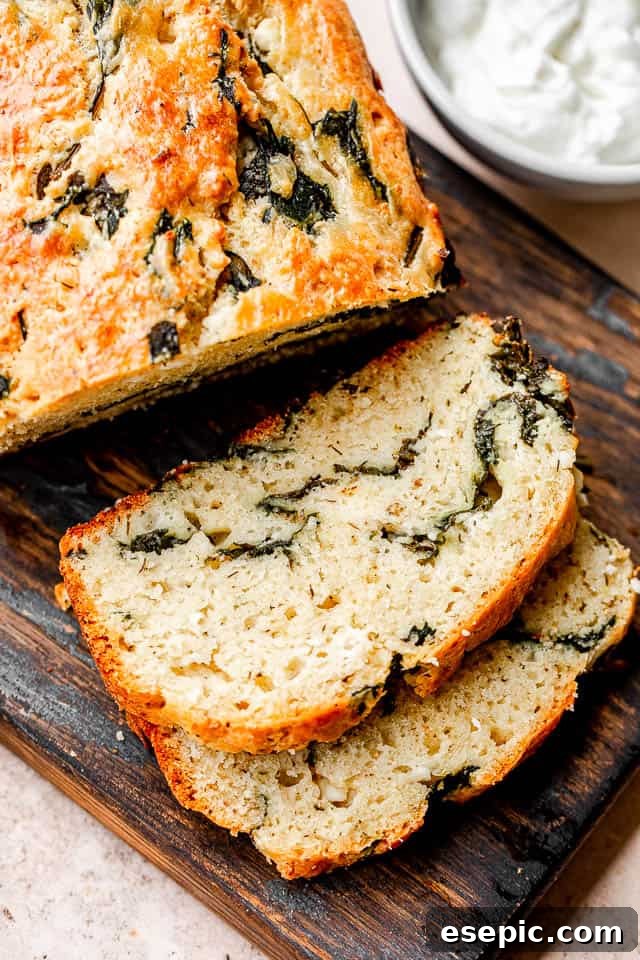
Unlock the joy of homemade baking with this incredibly easy and utterly delicious Spinach and Feta No-Yeast Bread. Perfect for those moments when you crave fresh bread but are short on time or yeast, this savory quick bread comes together effortlessly. With its rich flavors of vibrant spinach, tangy feta, and aromatic herbs, it’s a delightful addition to any meal, whether served as a hearty breakfast, a satisfying snack, or a flavorful side dish. Forget the long waits for dough to rise; this recipe delivers a tender, moist loaf with minimal fuss, making it a staple in any busy kitchen.
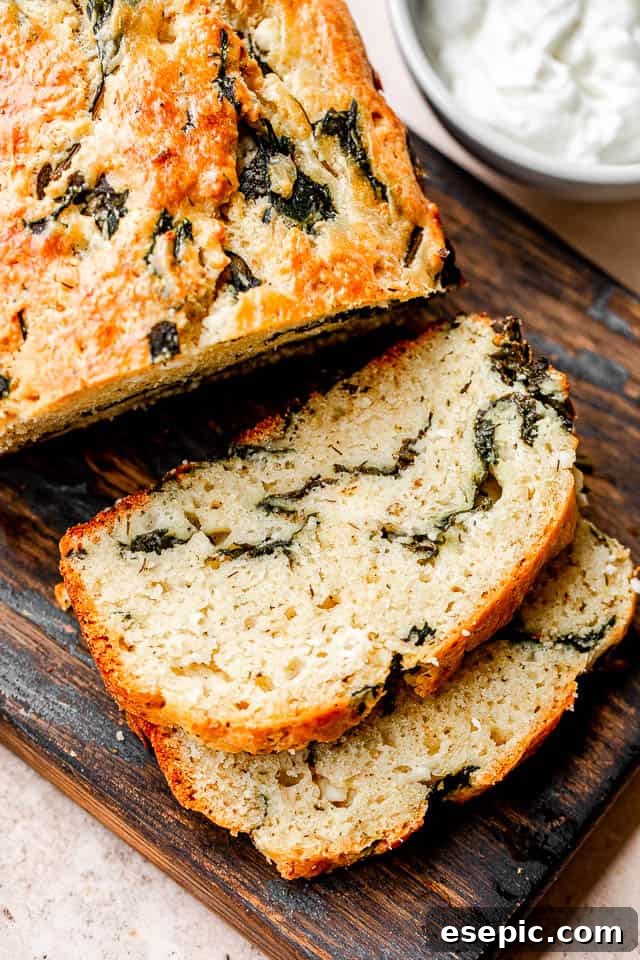
The Magic of No-Yeast Bread: Why You’ll Love This Recipe
There’s a special satisfaction that comes from baking your own bread, filling your home with its comforting aroma. However, traditional yeast breads often demand patience and precise timing, requiring multiple rises that can deter even the most enthusiastic home bakers. This is where the beauty of a no-yeast bread recipe shines.
Our Spinach and Feta No-Yeast Bread is designed for instant gratification. It completely bypasses the need for yeast, meaning no lengthy proofing times. Instead, it relies on the dynamic duo of baking powder and baking soda, activated by the acidity of sour cream, to create a beautifully risen and tender loaf. This chemical leavening process allows you to mix, bake, and enjoy your homemade bread in a fraction of the time compared to its yeast-leavened counterparts.
Beyond its incredible speed, this quick bread offers a distinct texture. While yeast breads are known for their airy, open crumb, no-yeast breads often boast a denser, more substantial texture, reminiscent of delicious Irish soda bread or even a savory scone. This makes it wonderfully robust for sandwiches, perfect for dipping into soups, or simply enjoyed with a generous spread of butter. It’s the ideal solution for last-minute meal planning or when a craving for fresh, savory bread strikes without warning.
A Culinary Canvas: The Irresistible Flavors of Spinach and Feta
What truly elevates this no-yeast bread is its vibrant flavor profile. The combination of fresh spinach and salty feta cheese is a classic Mediterranean pairing, bringing a delightful balance of earthy and tangy notes to every slice. This isn’t just a plain loaf; it’s an exciting culinary experience.
The gentle sweetness of the sautéed baby spinach provides a lovely contrast to the sharp, briny character of the crumbled feta. Infused with aromatic fresh thyme and rosemary, along with pungent garlic, the bread boasts a depth of flavor that is both comforting and sophisticated. Each bite offers a harmonious blend of savory goodness, making it incredibly versatile for various culinary applications. Whether you’re serving it alongside a hearty dinner, bringing it to a potluck, or simply enjoying it on its own, its distinctive taste is sure to impress.
Essential Ingredients for Your Savory Loaf
Crafting this flavorful bread requires a simple list of readily available ingredients. Each component plays a crucial role in achieving the perfect balance of taste and texture. Here’s a closer look at what you’ll need and why:
- Olive Oil: Used to sauté the spinach and garlic, it adds a rich, fruity base note that complements the Mediterranean flavors.
- Baby Spinach: Fresh baby spinach provides a tender texture and a burst of vibrant color, along with essential nutrients. Wilting it first is key to removing excess moisture, preventing a soggy loaf.
- Garlic: Minced garlic is a flavor powerhouse, infusing the bread with its aromatic and savory notes throughout every bite.
- All-Purpose Flour: The foundational ingredient for the bread’s structure. Ensure you measure it correctly by spooning it into a measuring cup and leveling it off for the best results.
- Sugar: Just a touch of sugar balances the savory elements and helps with the bread’s golden-brown crust, without making it sweet.
- Baking Powder + Baking Soda: These are your primary leavening agents. Baking powder reacts with liquid and heat, while baking soda requires an acidic component (like sour cream) to activate and create lift, resulting in a tender crumb.
- Fresh Thyme & Fresh Rosemary: These classic herbs lend an earthy, fragrant aroma and robust flavor that pairs beautifully with spinach and feta. Fresh herbs are highly recommended for their superior taste.
- Salt: Essential for enhancing all the other flavors in the bread and for proper seasoning.
- Fresh Ground Black Pepper: Adds a subtle kick and aromatic depth that rounds out the savory profile.
- Sour Cream: A hero ingredient in this no-yeast bread! Sour cream provides moisture, richness, and its acidity is vital for activating the baking soda, contributing to the bread’s rise and tender texture.
- Vegetable Oil: Adds additional moisture and tenderness to the loaf, ensuring it remains soft and not dry.
- Eggs: Act as a binder, helping to hold the bread together and adding to its overall richness and structure.
- Crumbled Feta Cheese: The star of the show! Feta cheese brings a delightful salty, tangy, and slightly creamy element that melts into the batter, creating pockets of irresistible flavor.
Baking Your Spinach and Feta No-Yeast Bread: A Simple Step-by-Step Guide
Making this bread is incredibly straightforward, even for novice bakers. Follow these detailed steps to achieve a perfect, golden-brown loaf:
- Prepare for Baking: Begin by preheating your oven to 350˚F (175˚C). This ensures the oven is at the correct temperature when the bread goes in, promoting an even rise and bake. Line a standard 9 x 5 inch loaf pan with parchment paper, leaving an overhang on the sides to easily lift the bread out later. Generously coat the parchment paper with cooking spray to prevent sticking. Set the prepared pan aside.
- Sauté the Spinach and Garlic: In a medium skillet, heat one tablespoon of olive oil over medium heat. Add the baby spinach and minced garlic, cooking for just 2 minutes, or until the spinach has fully wilted and most of its moisture has evaporated. This step is crucial for concentrated flavor and to avoid excess water in your bread. Remove the skillet from the heat and allow the spinach mixture to cool completely before incorporating it into the batter.
- Combine Dry Ingredients: In a large mixing bowl, whisk together the all-purpose flour, sugar, baking powder, fresh thyme, fresh rosemary, salt, fresh ground black pepper, and baking soda. Whisk thoroughly for about 30 seconds to ensure all the leavening agents and seasonings are evenly distributed throughout the flour. This prevents uneven pockets of leavening. Set this dry mixture aside.
- Prepare Wet Ingredients: In a separate, medium-sized mixing bowl, combine the sour cream, vegetable oil, and eggs. Whisk these ingredients together until they are well combined and smooth.
- Integrate Wet and Dry Mixtures: Pour the wet sour cream mixture into the bowl with the dry flour mixture. Using a spatula or wooden spoon, gently fold the ingredients together until just combined. Be careful not to overmix at this stage; a few lumps are perfectly fine. Overmixing can lead to a tough, dense bread.
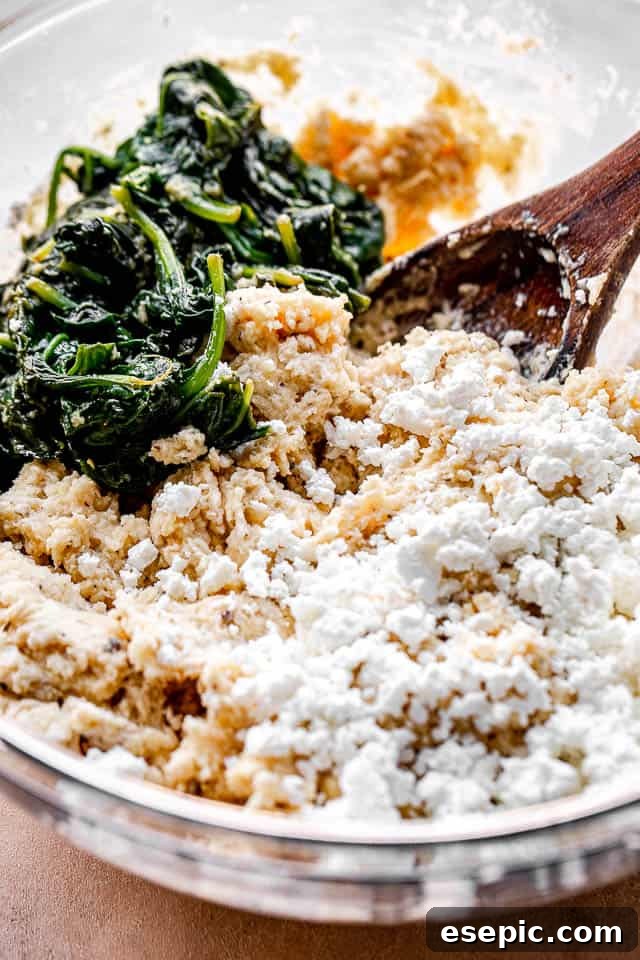
- Add Spinach & Feta: Once the wet and dry ingredients are mostly combined, fold in the cooled spinach and garlic mixture, along with the crumbled feta cheese. Gently stir until the spinach and feta are evenly distributed throughout the batter. Again, avoid overmixing.
- Bake the Loaf: Carefully pour the finished batter into your previously prepared loaf pan. Smooth the top with a spatula if needed. Transfer the pan to the preheated oven and bake for 40 to 50 minutes. The bread is done when a wooden toothpick inserted into the center comes out clean, and the top is golden brown.
- Cool Completely: Remove the bread from the oven and let it cool in the loaf pan for about 1 hour on a wire rack. This initial cooling in the pan helps the bread set. After an hour, use the parchment paper overhang to lift the loaf out of the pan and transfer it directly to a wire rack to cool completely. Cooling completely on a rack is essential to prevent the bottom from becoming soggy and to allow the internal structure to finalize. Slice and serve once fully cooled for the best texture and flavor.
Unlock Perfection: Expert Baking Tips & Tricks
While this no-yeast bread is inherently easy, a few expert tips can elevate your baking experience and ensure a consistently perfect loaf every time:
- Double-Layer Pan Preparation: It might seem like overkill to both line and grease your loaf pan, but for this dense quick bread, it’s a game-changer. The parchment paper acts as a sling, making it incredibly easy to lift the entire loaf out of the pan once baked. The cooking spray on the parchment ensures the bread doesn’t stick to the paper itself. This simple step saves you from frustrating moments trying to release your beautiful creation.
- Cooling on a Wire Rack is Crucial: After the initial cooling in the pan, transferring your bread to a wire rack to cool completely is non-negotiable. Placing a hot loaf directly on a solid surface traps steam, leading to a soggy bottom. A wire rack allows air to circulate around all sides of the bread, ensuring an even cool-down and preserving that delightful crust.
- Never Overmix the Batter: This is arguably the most important rule for any quick bread. Once you combine the wet and dry ingredients, mix them only until they are just moistened. Overmixing develops the gluten in the flour too much, resulting in a tough, rubbery, and dense bread. A few lumps in the batter are perfectly acceptable and often indicate a properly mixed quick bread. Remember, you’ll be stirring again when you fold in the spinach and feta, so light mixing initially is key.
- Room Temperature Ingredients: While not as critical as with yeast breads or cakes, having your eggs and sour cream at room temperature can help them incorporate more smoothly into the batter, leading to a more uniform mixture. If you forget, you can quickly warm eggs in a bowl of warm water for a few minutes.
- Accurate Flour Measurement: For quick breads, precision in flour measurement prevents a dry or overly dense loaf. Avoid scooping flour directly from the bag with your measuring cup, as this compacts it, leading to too much flour. Instead, spoon the flour lightly into your measuring cup and then level it off with the back of a knife.
- Fresh Herbs Make a Difference: While dried herbs can be substituted in a pinch (use 1/3 the amount of fresh), fresh thyme and rosemary contribute a brighter, more vibrant flavor and aroma to this bread. They truly enhance the Mediterranean profile.
- Don’t Rush the Cooling Process: It’s tempting to cut into warm bread, but allowing it to cool completely is vital. As the bread cools, its internal structure sets, and flavors meld. Slicing too early can result in a crumbly texture.
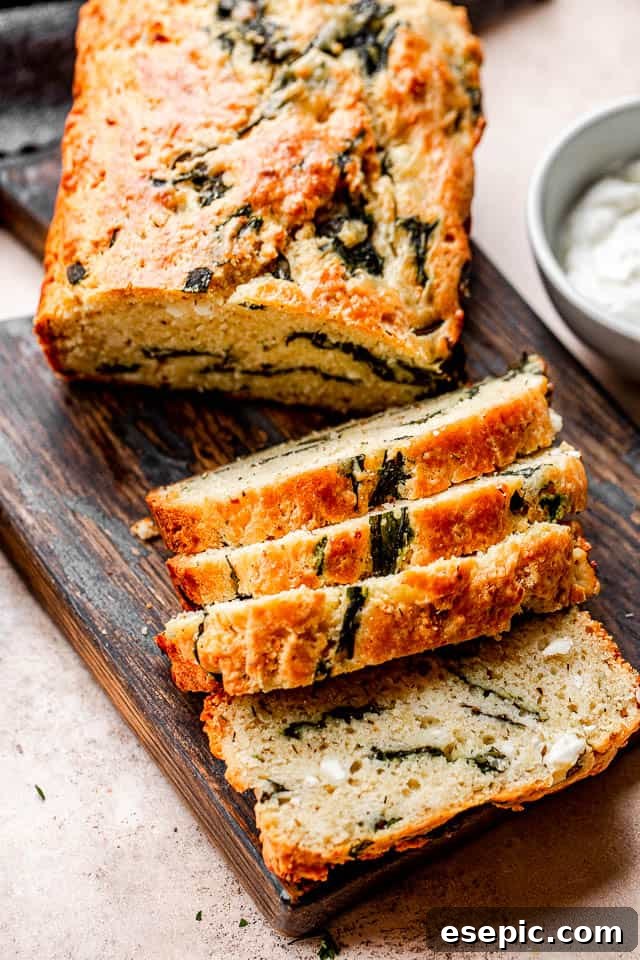
Versatile Servings: Enjoying Your Spinach and Feta Bread
The beauty of this Spinach and Feta No-Yeast Bread lies not only in its ease of preparation but also in its incredible versatility. Its savory, herbaceous flavor profile makes it suitable for a multitude of occasions and pairings:
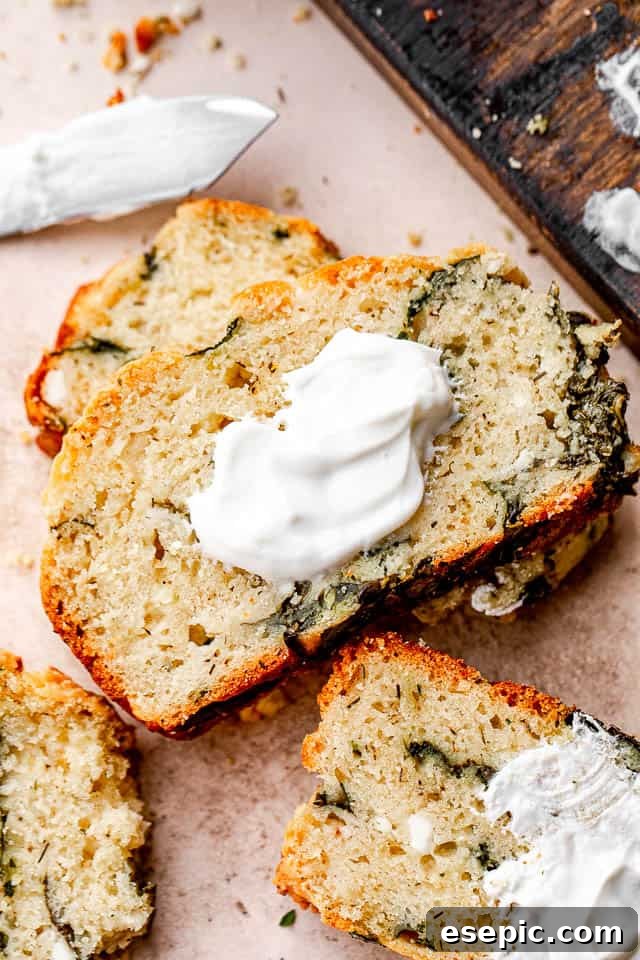
- Breakfast or Brunch Staple: Enjoy a thick slice toasted to perfection, perhaps slathered with creamy butter, a dollop of Greek yogurt, or even a fried egg on top for a truly satisfying start to your day. It pairs wonderfully with a cup of coffee or tea.
- Delicious Side Dish: This bread is an exceptional accompaniment to a wide range of main courses.
- Pasta: Elevate your Italian night by serving this savory bread alongside rich pasta dishes. It’s fantastic with a classic Easy Cheesy Baked Ziti, or any tomato-based sauce.
- Soup: There’s nothing quite like dipping a slice of warm, savory bread into a comforting bowl of soup. Try it with a creamy vegetable soup, a hearty lentil soup, or my personal favorite, Creamy Ravioli Soup.
- Chicken: A simple chicken dinner can be transformed with this flavorful side. It pairs beautifully with lighter chicken dishes like my Crispy Honey Sesame Chicken, or as a robust accompaniment to Oven Baked Chicken Tenders.
- Salads: Serve it alongside a fresh green salad for a light yet fulfilling meal.
- Perfect Snack: A slice of this bread, warmed slightly, makes for a delightful and wholesome snack anytime. It’s hearty enough to tide you over between meals.
- Savory Sandwich Base: Its sturdy yet tender crumb makes it an excellent base for savory sandwiches. Fill it with grilled vegetables, deli meats, or even a simple spread of hummus and sliced cucumbers for a unique lunch option.
- Appetizer for Entertaining: Cut the loaf into smaller squares or triangles and serve it on a platter for your next gathering. It’s a sophisticated and crowd-pleasing appetizer, especially when served with a complementary dip like tzatziki or olive tapenade.
- With Eggs: Beyond breakfast, enjoy it with scrambled eggs, an omelet, or a frittata for a complete and satisfying meal.
Storing Your Homemade Bread for Lasting Freshness
Proper storage is key to extending the life of your delicious homemade bread, ensuring you can enjoy its fresh taste for days to come. Here’s how to keep it at its best:
- Room Temperature Storage: For immediate enjoyment, store your Spinach and Feta No-Yeast Bread in a resealable airtight bag or container with as much air squeezed out as possible. Kept at room temperature, it will maintain its freshness and flavor for up to 3 days. Ensure it’s stored in a cool, dry place away from direct sunlight.
- Refrigeration: If you need to store your bread for a longer period, transferring it to the refrigerator can extend its shelf life. Place it in an airtight container or bag, and it will remain fresh for up to a week. Be aware that refrigeration can sometimes alter the texture of bread, making it slightly firmer, but a quick toast can easily revive it.
- Freezing for Long-Term Storage: This bread freezes exceptionally well, making it perfect for meal prepping or simply having a delicious homemade option ready whenever you need it.
- Whole Loaf: Once the loaf has completely cooled, wrap it tightly in plastic wrap, followed by a layer of aluminum foil. Place it in a freezer-safe bag.
- Individual Slices: For convenience, slice the cooled bread and place parchment paper between each slice to prevent them from sticking together. Stack the slices, then wrap them tightly in plastic wrap and foil before placing them in a freezer bag.
When stored properly in the freezer, your bread will last for up to 3 months. To enjoy, simply thaw slices or the whole loaf at room temperature, or toast individual slices directly from frozen for a quick treat.
Frequently Asked Questions (FAQ) About No-Yeast Bread
Here are some common questions about making and enjoying Spinach and Feta No-Yeast Bread:
Q: Can I substitute other cheeses for feta?
A: Absolutely! While feta offers a unique salty tang, you can experiment with other crumbly or shredded cheeses. Goat cheese, Parmesan, or even a sharp cheddar could offer interesting variations. Just keep in mind that the flavor profile will change.
Q: My bread came out dense and heavy. What went wrong?
A: The most common culprit for dense quick bread is overmixing the batter. Overmixing develops gluten, which can make the bread tough. Mix only until the wet and dry ingredients are just combined. Also, ensure your baking powder and baking soda are fresh and active, as expired leavening agents won’t provide the necessary lift.
Q: Can I use dried herbs instead of fresh?
A: Yes, you can. As a general rule, use about one-third the amount of dried herbs compared to fresh. So, if the recipe calls for 1 teaspoon of fresh thyme, use about 1/3 teaspoon of dried thyme. However, fresh herbs will always provide a more vibrant flavor.
Q: What if I don’t have sour cream? Can I use yogurt?
A: Full-fat plain Greek yogurt can be a good substitute for sour cream due to its similar acidity and thickness. Choose a plain, unsweetened variety to maintain the savory profile of the bread. But note that the flavor might be slightly different.
Q: Can I add other vegetables to this bread?
A: Yes, this recipe is quite adaptable! Finely chopped roasted red peppers, sun-dried tomatoes (well-drained), or even finely diced Kalamata olives could be wonderful additions. Just be mindful of adding too much moisture, which could affect the bread’s texture.
Q: How do I know if my baking powder and baking soda are still good?
A: To test baking powder, mix a teaspoon with a small amount of hot water; it should bubble vigorously. To test baking soda, mix a teaspoon with a tablespoon of vinegar or lemon juice; it should also bubble immediately. If there’s no fizz, it’s time to replace them.
Q: Is this bread suitable for sandwiches?
A: Absolutely! Its slightly dense and sturdy texture makes it excellent for holding various sandwich fillings. It’s especially delicious with savory ingredients like turkey, ham, or roasted vegetables.
Bake, Savor, and Share!
This Spinach and Feta No-Yeast Bread is more than just a recipe; it’s an invitation to enjoy the simple pleasures of homemade baking without the typical time commitment. Its rich, savory flavors and tender crumb make it an instant favorite for any meal or moment. Whether you’re a seasoned baker or just starting your culinary journey, this quick and easy recipe promises delicious results every time. So, preheat your oven, gather your ingredients, and prepare to delight your senses with this unforgettable bread. Bake a loaf, savor its warmth, and don’t forget to share the joy with friends and family!
Spinach and Feta No-Yeast Bread
This flavorful homemade Spinach and Feta No-Yeast Bread is super easy to make, and it makes for a great breakfast, side dish, or snack option!
Ingredients
- 1 tablespoon olive oil
- 6 ounces baby spinach
- 2 cloves garlic, minced
- 1 3/4 cups all purpose flour
- 1 tablespoon sugar
- 1 1/2 teaspoons baking powder
- 1 teaspoon chopped fresh thyme
- 1 teaspoon chopped fresh rosemary
- 1/2 teaspoon salt
- 1/2 teaspoon fresh ground black pepper
- 1/4 teaspoon baking soda
- 3/4 cups sour cream
- 1/2 cup vegetable oil
- 2 large eggs
- 4 ounces crumbled feta cheese
Instructions
- Preheat oven to 350˚F (175˚C).
- Line a 9 x 5 inch loaf pan with parchment paper and coat well with cooking spray. Set aside.
- Heat olive oil in a skillet; add spinach and garlic and cook for 2 minutes, or until spinach is wilted.
- Remove from heat and set aside to cool.
- In a large mixing bowl, whisk together the flour, sugar, baking powder, thyme, rosemary, salt, pepper, and baking soda. Whisk until thoroughly combined and set aside.
- In a separate mixing bowl, combine sour cream, vegetable oil and eggs; whisk to combine.
- Fold the sour cream mixture into the flour mixture.
- Add the spinach mixture and cheese to the batter; gently stir around to combine.
- Pour the batter into previously prepared loaf pan and bake for 40 to 50 minutes, or until a toothpick inserted into the center of the bread comes out clean.
- Remove from oven and let cool for about 1 hour; remove loaf from pan and transfer to a rack to cool completely.
- Cut and serve.
Equipment
- Oven
- 9×5 inch Loaf Pan
- Skillet
- Parchment Paper
- Wire Rack
Nutrition
Calories: 228kcal |
Carbohydrates: 17g |
Protein: 5g |
Fat: 16g |
Saturated Fat: 11g |
Cholesterol: 47mg |
Sodium: 313mg |
Potassium: 136mg |
Fiber: 1g |
Sugar: 2g |
Vitamin A: 1512IU |
Vitamin C: 5mg |
Calcium: 114mg |
Iron: 2mg
Nutritional info is an estimate and provided as courtesy. Values may vary according to the ingredients and tools used. Please use your preferred nutritional calculator for more detailed info.