
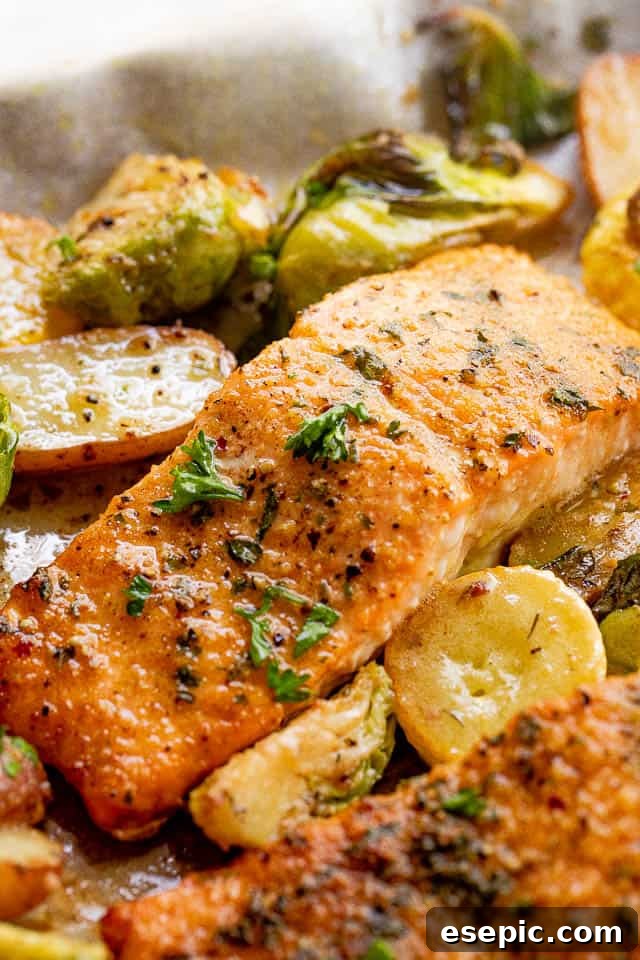
Get ready to add this incredible Old Bay Salmon to your regular dinner rotation! Infused with the iconic flavor of classic Old Bay seasoning, this fresh salmon recipe is an absolute delight. The simple oven-roasting method ensures a perfectly cooked fish every time, making it an ideal choice for busy weeknights or special occasions.
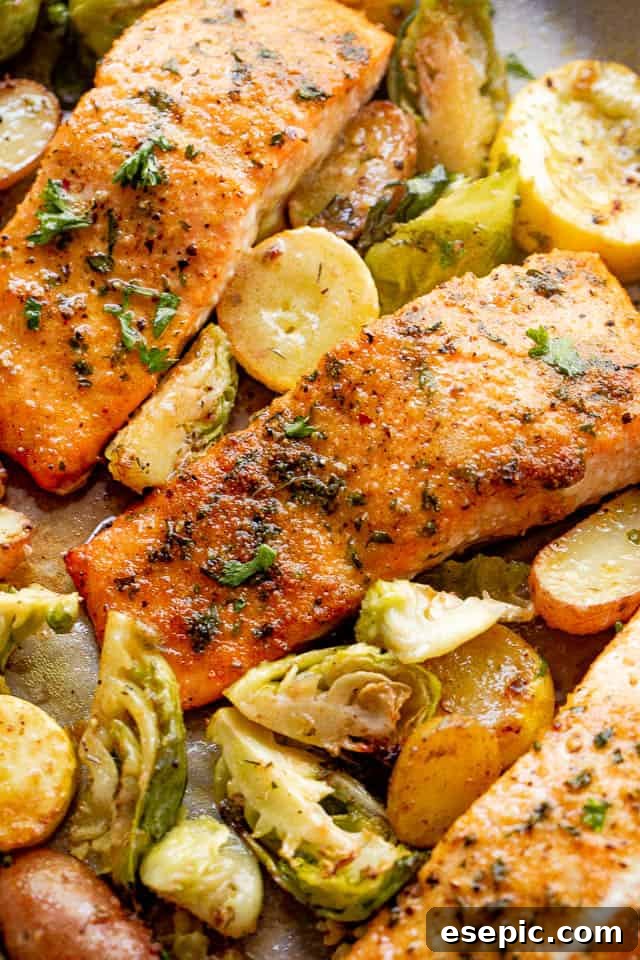
This easy roasted salmon with Old Bay seasoning is truly a culinary game-changer. The dish brings together tender, flaky salmon fillets with a vibrant blend of spices that tantalize the taste buds. If you’re a salmon enthusiast, you’ll be amazed at how this versatile spice mix enhances the natural richness of the fish. Each bite offers a delightful contrast: a wonderfully crisp exterior that gives way to a succulent, buttery interior. This isn’t just a meal; it’s an experience that proves preparing delicious, healthy seafood at home can be effortless. Requiring only a handful of pantry staples, you can have a wholesome, family-friendly dinner on the table in under 30 minutes – perfect for any day of the week.
Why You’ll Love This Old Bay Salmon Recipe
This Old Bay Salmon recipe isn’t just another fish dish; it’s a testament to how simple ingredients can create extraordinary flavor. Here’s why this recipe deserves a permanent spot in your cookbook:
- Unforgettable Flavor: The bold, distinctive taste of Old Bay seasoning, combined with complementary herbs and spices, elevates plain salmon into something truly special.
- Effortlessly Easy: With minimal prep and a quick roast in the oven, this recipe is incredibly straightforward, even for novice cooks. No complex techniques or fancy equipment required!
- Speedy Weeknight Solution: From start to finish, you’re looking at less than 30 minutes, making it the ultimate solution for a healthy, satisfying meal when time is of the essence.
- Healthy & Nutritious: Salmon is packed with lean protein and omega-3 fatty acids, offering a delicious way to boost your nutritional intake.
- Versatile & Adaptable: While perfect as is, this recipe serves as an excellent base for various culinary adventures, easily pairing with countless side dishes and capable of slight flavor modifications.
- Minimal Cleanup: Roasting on a lined baking sheet means less mess and more time to enjoy your evening.
What Is Old Bay Seasoning? Unveiling the Iconic Blend
Old Bay is more than just a seasoning; it’s a culinary legend with a rich history, gracing seafood dishes for decades. While its precise formula remains a closely guarded secret, the unmistakable flavor profile comes from a harmonious blend of 18 spices and herbs. Key components include robust black pepper, a fiery kick from red pepper, earthy paprika, and pungent dry mustard, which collectively deliver a bold and savory punch. It’s this unique combination that makes Old Bay indispensable, especially when cooking seafood, enhancing its natural taste without overpowering it.
Beyond the known ingredients, there’s a delicate herbaceousness, largely attributed to celery salt and perhaps a hint of bay leaf, which adds a refreshing undertone. You might also detect subtle spicy notes, possibly from cardamom or nutmeg, contributing to its complex character. The genius of Old Bay lies in its balanced profile, capable of transforming simple ingredients into a dish bursting with vibrant, layered flavors. While its roots are firmly planted in the seafood traditions of the Chesapeake Bay region, its versatility extends far beyond, proving itself a fantastic addition to chicken, vegetables, and even popcorn.
Selecting the Perfect Salmon for Roasting
The success of your Old Bay Salmon begins with choosing the right fillets. For this recipe, we recommend using high-quality salmon to ensure the best flavor and texture. Here’s what to look for:
- Type of Salmon: While any salmon will work, wild-caught varieties like Sockeye or King salmon often offer a richer flavor and firmer texture compared to farmed salmon. However, sustainably farmed Atlantic salmon is also an excellent and widely available option.
- Fresh vs. Frozen: Fresh salmon fillets are ideal for optimal taste and texture. Look for bright, moist flesh and a fresh, mild scent. If using frozen, ensure it is completely thawed before cooking.
Can You Use Frozen Salmon? Absolutely!
Yes, frozen salmon fillets are a perfectly acceptable alternative, offering convenience and often great quality. While some culinary experts suggest cooking salmon directly from frozen, for this recipe, I find that thawing the fillets beforehand yields a superior texture and ensures even cooking. This simple step helps the salmon absorb the seasoning better and results in a more tender, less watery finish.
To quickly thaw frozen salmon, place the vacuum-sealed fillets (or transfer them into sealed food storage bags if they’re not already packaged) into a large bowl or basin of cold water. Let them sit for approximately one hour, remembering to replace the water with fresh cold water halfway through the process. This method ensures a safe and relatively quick thaw, preparing your salmon perfectly for seasoning and roasting.
Essential Recipe Ingredients
This oven-baked Old Bay Salmon is designed for ease and consistently delivers a perfectly golden-brown, flavorful result. The beauty of this recipe lies in its simplicity, requiring just a few staple ingredients you likely already have on hand. For precise measurements and comprehensive step-by-step instructions, please refer to the detailed recipe card below.
- Salmon Fillets: The star of our dish. This recipe typically calls for about 1.5 pounds of salmon, ideally divided into 4 individual fillets, ensuring even cooking and generous portions.
- Olive Oil: A foundational ingredient for brushing the fillets. About 2 tablespoons of good quality olive oil will help achieve that desirable crisp exterior and prevent sticking. Extra virgin olive oil offers a richer flavor, while avocado oil is another excellent choice for its high smoke point and neutral taste.
- Old Bay Seasoning: The secret to our signature flavor. You’ll need 1 teaspoon of this classic, bold seasoning mix. If you’re feeling adventurous or want a slightly different profile, feel free to explore homemade seafood seasoning blends.
- Garlic Powder & Onion Powder: These aromatic powders are crucial for adding a deep, savory intensity that complements the rich flavor of salmon without overpowering the Old Bay. They create a robust base for the other spices to shine.
- Dried Dill Weed & Dried Parsley: These classic herbs contribute a bright, fresh contrast to the salmon’s natural richness and the warm spices of Old Bay. Dill, in particular, has a time-honored affinity for salmon, enhancing its delicate taste.
- Fresh Herbs (for garnish, optional): A final flourish of fresh herbs, such as chopped parsley or cilantro, can be sprinkled over the cooked salmon just before serving. This adds a burst of color and a touch of fresh aroma, elevating the dish’s presentation and freshness.
How to Make Perfect Old Bay Salmon: A Simple Guide
Preparing roasted Old Bay Salmon is incredibly simple and remarkably fast, making it the perfect candidate for an effortless weeknight meal. The method essentially involves three quick steps: preheating your oven, seasoning the salmon fillets, and letting the oven do the rest! Here’s how to achieve perfectly flaky, flavorful salmon:
- Prepare Your Workspace: Begin by preheating your oven to a hot 450˚F (232˚C). While the oven heats, generously grease a baking sheet or oven-safe pan with cooking spray. For even easier cleanup, you can line the pan with parchment paper. Arrange your salmon fillets, skin-side down, on the prepared baking sheet. Lightly brush the tops and sides of each fillet with olive oil. This not only helps the seasoning adhere but also promotes a beautiful golden crust.
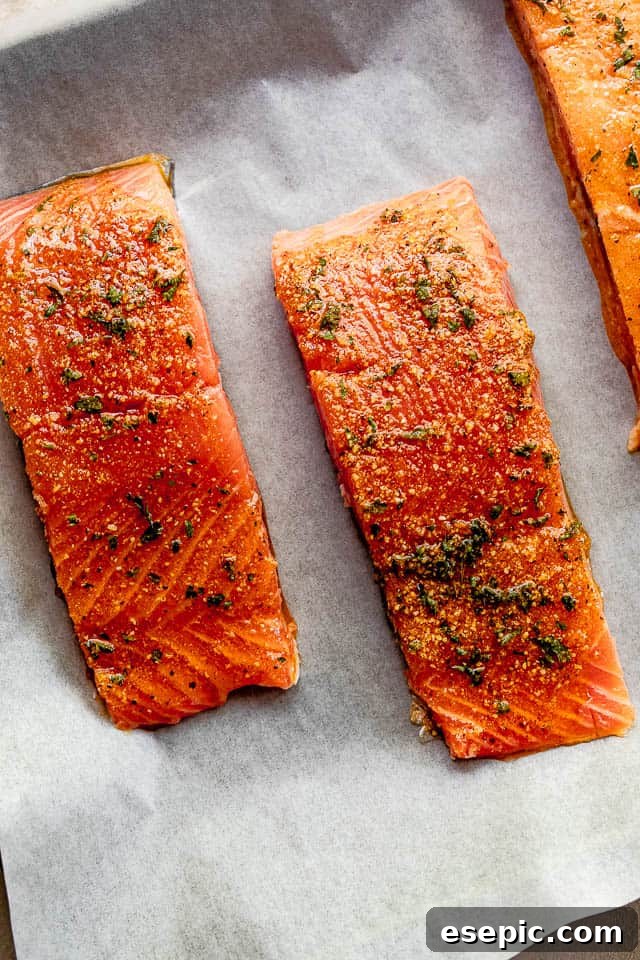
- Season with Precision: In a small mixing bowl, combine the Old Bay seasoning, garlic powder, onion powder, dried dill weed, and dried parsley. Mix these spices thoroughly to ensure an even blend. Take this aromatic spice mixture and gently rub it all over the top and sides of the salmon fillets. There’s no need to season the skin side, as it acts as a natural barrier during roasting. Distributing the seasoning evenly will ensure every bite is bursting with flavor.
- Roast to Perfection: Transfer the seasoned salmon fillets to the preheated oven. Bake for approximately 8 to 10 minutes. The cooking time may vary slightly depending on the thickness of your fillets and your oven. The salmon is perfectly cooked when it flakes easily with a fork in the thickest part. For ultimate precision, use an instant-read thermometer; salmon is done when its internal temperature reaches 145˚F (63˚C). Avoid overcooking to maintain its moist, tender texture. Once cooked, remove from the oven and let the salmon rest for a couple of minutes before serving to allow the juices to redistribute.
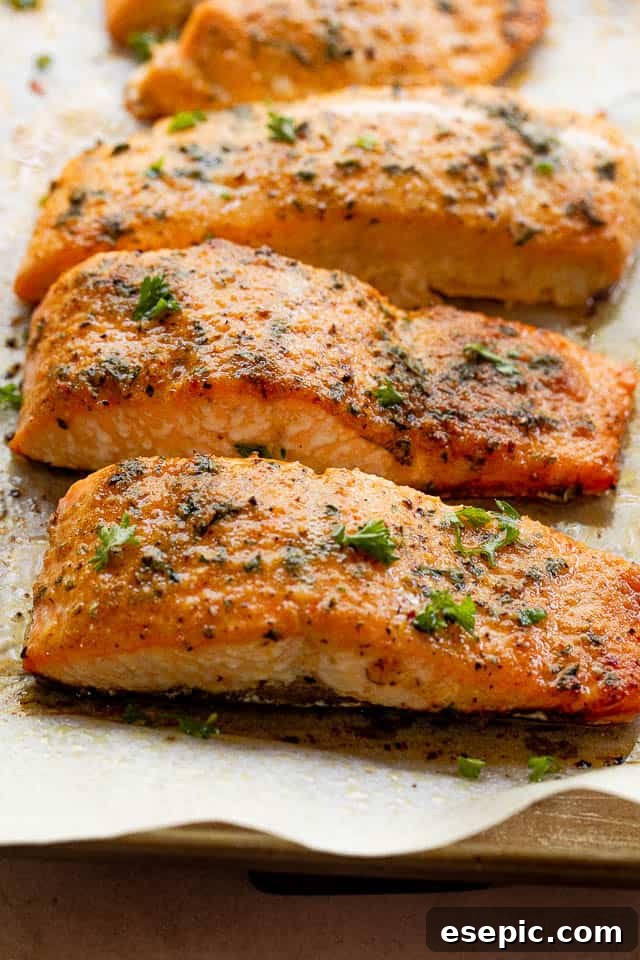
Expert Tips for the Best Old Bay Salmon
While this recipe is incredibly straightforward, a few clever tips can elevate your Old Bay Salmon from delicious to absolutely perfect. These insights will help you achieve maximum flavor, ideal texture, and effortless cooking.
- Embrace Parchment Paper for Easy Cleanup: While you can certainly cook salmon directly on a greased baking sheet, lining your pan with a large piece of parchment paper is a game-changer for cleanup. It prevents sticking and makes washing the pan a breeze, letting you enjoy your meal without the dread of scrubbing.
- Prioritize Wild-Caught Salmon for Superior Flavor: Whenever possible, opt for wild-caught salmon fillets, whether fresh or frozen. Many culinary enthusiasts agree that wild-caught varieties possess a deeper, richer flavor and a more desirable texture compared to their farmed counterparts. It’s a small change that can make a big difference in the final taste.
- Ensure Even Cooking by Selecting Uniform Fillets: To guarantee that all your salmon fillets cook evenly, it’s best to choose pieces that are roughly the same size and thickness. Unlike some recipes where varying chunks might be acceptable (like a teriyaki salmon stir-fry), uniform fillets ensure no piece is overcooked while another remains undercooked. If your fillets vary significantly, consider trimming larger pieces to match the smaller ones or adjusting cooking times for individual pieces.
- Pat Your Salmon Dry: Before applying any oil or seasoning, use paper towels to thoroughly pat your salmon fillets dry. Removing excess moisture from the surface allows the skin (if left on) to crisp up beautifully and helps the seasoning adhere better, contributing to a more flavorful crust.
- Don’t Overcook: Salmon cooks quickly, and overcooked salmon can become dry and tough. Use a meat thermometer to pull it from the oven as soon as it reaches 145˚F (63˚C). It will continue to cook slightly from residual heat.
- A Squeeze of Fresh Lemon: A finishing squeeze of fresh lemon juice after roasting brightens the flavors of the Old Bay seasoning and cuts through the richness of the salmon. It’s a simple addition that adds a burst of freshness.
Serving Suggestions for a Complete Meal
This Old Bay Salmon is wonderfully versatile and pairs beautifully with a variety of sides, allowing you to create a complete and satisfying meal. Here are some suggestions to complement its rich, savory flavor:
To start your culinary journey, consider a warming appetizer like my quick and easy instant pot corn chowder. The subtle sweetness and smoky notes from bacon in the chowder make it an ideal prelude to the savory seafood, creating a delightful balance of flavors. Follow this with some crusty, buttery bread; my no-knead dinner rolls are fast, incredibly easy to make, and utterly delicious for soaking up any flavorful juices.
For a refreshing and light accompaniment, a simple salad is always a fantastic choice. You can opt for a timeless classic like a garden salad with a vinaigrette or a creamy Caesar salad. Alternatively, venture into something a little different with my crisp and tangy cucumber salad with sour cream dressing, which provides a cooling contrast to the spiced salmon. To perfectly round out your main course, always add a generous squeeze of fresh lemon juice over your Old Bay salmon just before serving. Pair it with vibrant sautéed fresh green beans for a pop of color and healthy crunch, and for a truly comforting touch, a side of crispy French fries or indulgent chili cheese fries makes for a delightful, complete dinner.
Storage and Reheating Leftovers
Properly storing and reheating your Old Bay Salmon ensures you can enjoy its delicious flavors for days to come. Here’s how to best handle your leftovers:
- To Refrigerate: Allow any leftover salmon fillets to cool completely to room temperature. Once cooled, transfer them to airtight food storage bags or containers. Stored this way, your salmon fillets will maintain their quality and freshness in the refrigerator for approximately 3-4 days. It’s important to consume them within this timeframe for optimal taste and food safety.
- To Reheat: The best method for reheating salmon without drying it out is in the oven. Place the leftover fillets in an oven-safe dish and loosely cover them with aluminum foil. Bake at a low temperature, around 275˚F (135˚C), until the salmon is heated through, which typically takes about 15 minutes. This gentle heat helps to warm the fish evenly while preserving its moisture and tender texture. Avoid high heat or prolonged reheating, as this can easily lead to dry, rubbery salmon.
- Freezing Recommendation: I generally do not recommend freezing leftover cooked salmon. While technically possible, salmon tends to undergo changes in texture when frozen, thawed, and reheated. It can often become dry, mushy, or stringy, losing much of its original appeal. For the best culinary experience, enjoy your Old Bay Salmon fresh or within a few days of refrigeration.
Health Benefits of Incorporating Salmon into Your Diet
Beyond its delicious taste, salmon is a nutritional powerhouse that offers a wealth of health benefits, making it an excellent choice for a balanced diet. It’s widely celebrated for its high content of omega-3 fatty acids, particularly EPA and DHA, which are crucial for heart health, brain function, and reducing inflammation throughout the body. Regular consumption of salmon can help lower blood pressure, reduce the risk of heart disease, and support cognitive health.
Salmon is also an outstanding source of high-quality protein, essential for muscle repair, growth, and overall body function. Furthermore, it’s packed with a variety of essential vitamins and minerals, including Vitamin D, which is vital for bone health and immune function; B vitamins (B3, B5, B6, B12), which play a key role in energy production; and selenium, an antioxidant that helps protect cells from damage. Incorporating Old Bay Salmon into your meals is not just about enjoying a flavorful dish, but also about nourishing your body with these invaluable nutrients.
More Easy Fish Recipes to Explore
If you loved this Old Bay Salmon and are looking for more delicious and easy fish and seafood recipes to add to your repertoire, you’ve come to the right place! Diversifying your seafood meals can be both exciting and incredibly rewarding. Explore these other fantastic options:
- Beer Battered Fish: A classic, crispy favorite that’s perfect for a satisfying dinner.
- Blackened Balsamic Tuna Steaks: A flavorful and sophisticated option for tuna lovers, combining a spicy crust with a tangy glaze.
- Air Fryer Parmesan Tilapia: Quick, healthy, and incredibly crispy, this tilapia recipe is a weeknight winner.
- Salmon Florentine: Indulge in a creamy, spinach-infused salmon dish that feels gourmet but is surprisingly simple to make.
Old Bay Salmon Recipe
Old Bay Salmon
This simple and easy roast salmon recipe features fillets seasoned with dried herbs, spices, and Old Bay seasoning, and then quickly roasted in the oven for a superior flavor and texture.
Rating: 4.83 out of 5 from 17 votes
Prep Time: 10 minutes
Cook Time: 15 minutes
Total Time: 25 minutes
Servings: 4
Author: Katerina | Easy Weeknight Recipes
Pin Recipe | Print Recipe
Ingredients
- 1½ pounds salmon fillets (use 4 fillets)
- 2 tablespoons olive oil (or extra virgin olive oil or avocado oil)
- 1 teaspoon Old Bay seasoning
- ½ teaspoon garlic powder
- ½ teaspoon onion powder
- ½ teaspoon dried dill weed
- ½ teaspoon dried parsley
Instructions
- Preheat the oven to 450˚F (232˚C).
- Generously grease a baking sheet or pan with cooking spray. Place the salmon fillets, skin side down, on the baking sheet and brush them with olive oil.
- In a small mixing bowl, combine Old Bay seasoning, garlic powder, onion powder, dill weed, and parsley; mix well to combine.
- Add the spice mixture to the fillets and rub it all around the top and sides.
- Bake for 10 minutes, or until the fish flakes easily with a fork. You can also use an instant-read thermometer to check for doneness; salmon is cooked through when its internal temperature registers at 145˚F (63˚C).
- Remove from oven and let stand a couple of minutes before serving.
To Make with Roasted Vegetables (optional)
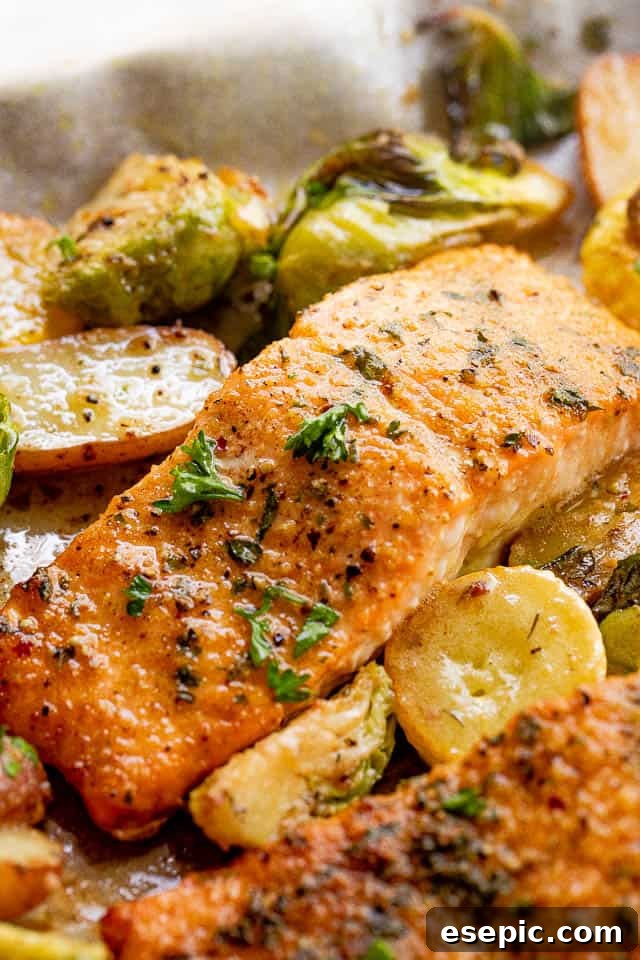
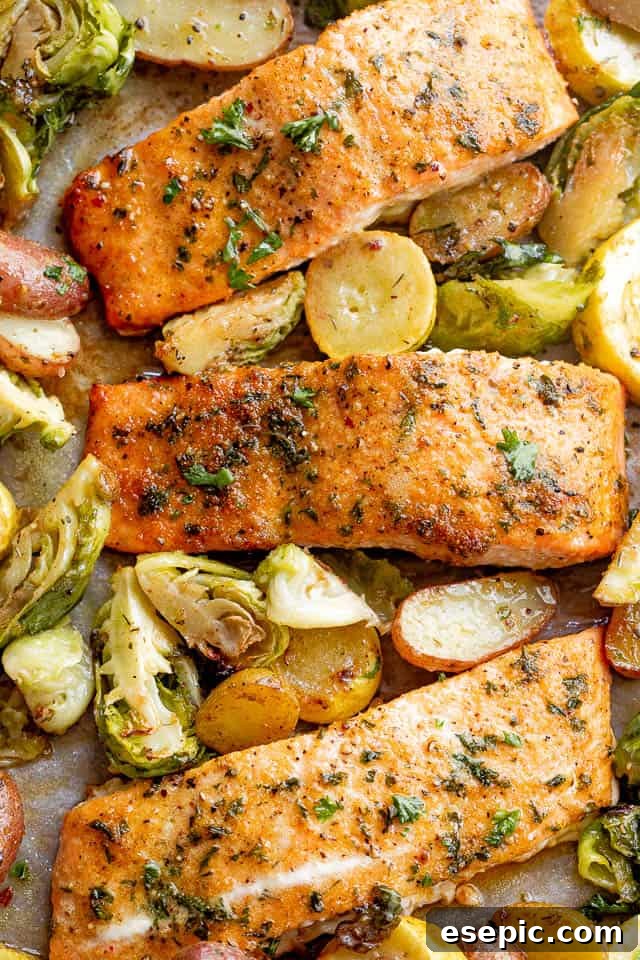
- Prepare halved brussel sprouts and slices of yellow squash with a drizzle of olive oil, salt, and pepper; arrange on a baking sheet and roast for 10 minutes. Then, add raw salmon fillets around the veggies and continue to roast for 10 more minutes, or until the salmon is cooked through.
Nutrition
Calories: 307kcal | Carbohydrates: 1g | Protein: 34g | Fat: 18g | Saturated Fat: 3g | Cholesterol: 94mg | Sodium: 76mg | Potassium: 833mg | Sugar: 1g | Vitamin A: 81IU | Calcium: 25mg | Iron: 2mg
Nutritional info is an estimate and provided as courtesy. Values may vary according to the ingredients and tools used. Please use your preferred nutritional calculator for more detailed info.