
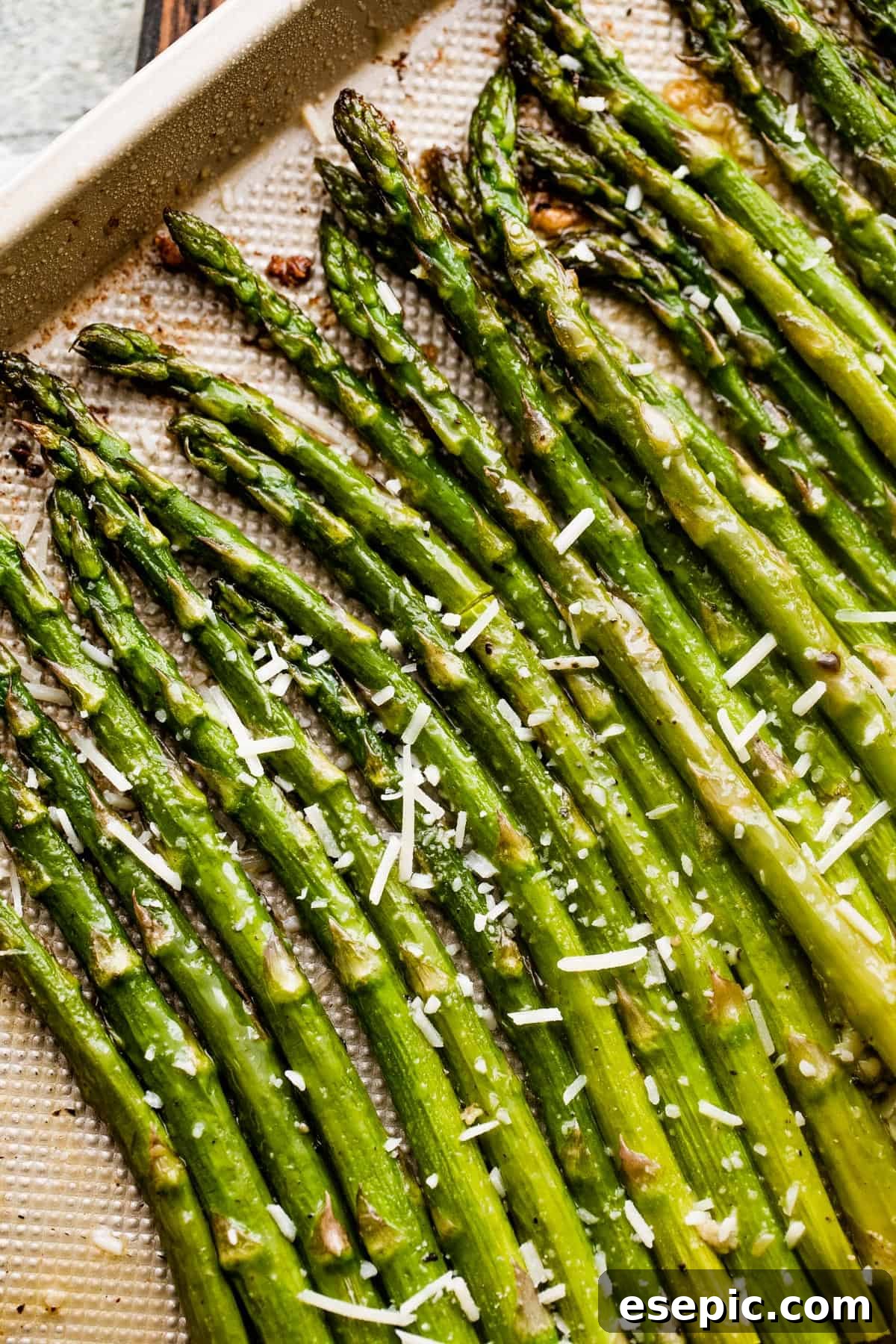
Unlock a world of vibrant flavor and effortless elegance with this ultimate guide to Garlic Butter Roasted Asparagus. This simple yet incredibly satisfying recipe promises spears that are perfectly savory, exquisitely crisp, and infused with rich, buttery goodness. It’s the ideal side dish to complement any meal, transforming fresh spring asparagus into a melt-in-your-mouth tender treat with deliciously caramelized edges. Get ready to elevate your weeknight dinners and special occasions alike with this irresistible vegetable preparation.
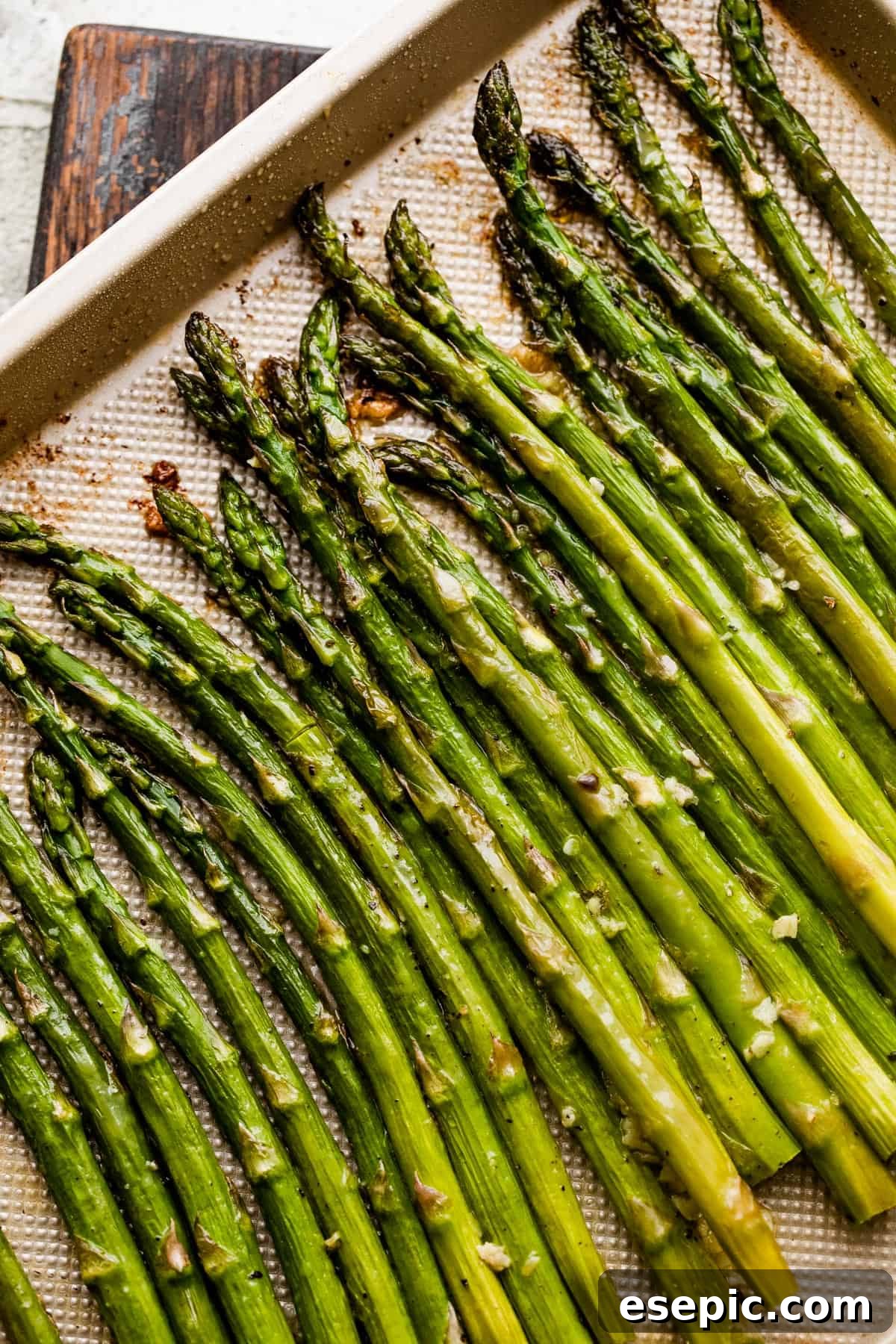
An Ultra-Flavorful, Ultra-Easy Veggie Side Dish!
As the days grow longer and the weather warms, spring brings with it an abundance of fresh, seasonal produce, and leading the charge is the magnificent asparagus. This bright-green vegetable, with its distinct earthy flavor and delightful crisp-tender texture, is an undisputed springtime favorite for good reason. Its versatility in the kitchen is unmatched, lending itself beautifully to a myriad of culinary creations, from light salads to hearty mains.
While asparagus can be enjoyed in countless ways—steamed, grilled, blanched, or sautéed—one of the absolute best methods for preparation is quick oven roasting. This technique is a game-changer, as the high heat of the oven works wonders to deepen the asparagus’s natural flavor, enhance its crisp texture, and coax out a subtle, hidden sweetness that transforms each spear into a truly gourmet experience. Roasting allows for a slight caramelization on the exterior, adding layers of complexity that boiling or steaming simply cannot achieve.
Many recipes rely on olive oil for roasting, and while it’s a fantastic healthy fat, there’s a certain indulgence that comes with incorporating garlic butter. And when it comes to fresh asparagus, garlic butter isn’t just good; it’s absolutely phenomenal! The rich, creamy notes of butter combine with the pungent, aromatic kick of fresh garlic to create a symphony of flavors that perfectly complements the delicate taste of the asparagus. If you can get your hands on high-quality grass-fed butter, even better – its superior flavor profile will elevate this dish to new heights. With such a powerful duo as real butter and fresh garlic, you’ll find yourself needing very little else. This roasted asparagus isn’t just good; it’s so incredibly delicious, it’s truly finger-lickin’ good.
This recipe is designed for maximum flavor with minimal effort, making it the perfect choice for busy weeknights when you crave something wholesome and delicious, or as an elegant addition to a more elaborate weekend meal. The simplicity of the ingredients combined with the transformative power of roasting means you’re just minutes away from a side dish that everyone will rave about. Say goodbye to bland vegetables and hello to your new favorite way to enjoy asparagus!
Is Roasted Asparagus Healthy?
Absolutely! Asparagus is a nutritional powerhouse, making roasted asparagus an incredibly healthy addition to almost any diet. While it would be challenging (though perhaps tempting!) to make an entire meal solely out of asparagus, it serves as an excellent low-carb, low-calorie side dish packed with essential vitamins and minerals. Each vibrant green spear delivers a significant dose of folate, crucial for cell growth and DNA formation, along with vitamin C, a powerful antioxidant that supports immune function, and vitamin A, vital for vision and skin health. It’s also an exceptional source of vitamin K, which plays a key role in blood clotting and bone health.
By pairing roasted asparagus with healthy fats, like the butter used in this recipe (especially if opting for grass-fed butter, which contains beneficial omega-3 fatty acids and conjugated linoleic acid, or CLA), you enhance the absorption of fat-soluble vitamins such as Vitamin A and K. Adding lean protein, such as chicken or fish, and perhaps some quality complex carbohydrates like quinoa or sweet potato, transforms this simple side into a well-rounded and remarkably healthy meal. Asparagus also boasts a good amount of dietary fiber, aiding in digestion and promoting a feeling of fullness, which can be beneficial for weight management. Its natural diuretic properties can also assist with reducing bloating.
In short, incorporating roasted asparagus into your diet is a delicious and effortless way to boost your nutrient intake, contribute to overall well-being, and enjoy a flavorful vegetable without compromising your health goals. It’s a testament to how simple ingredients can create both culinary delight and significant nutritional value.
What You’ll Need
One of the many charms of this garlic butter roasted asparagus recipe is its minimal ingredient list. You don’t need a pantry full of exotic items to create something truly delicious. With just a handful of fresh components, you’re well on your way to an unforgettable side dish. Here’s a closer look at what you’ll need and some tips for selection:
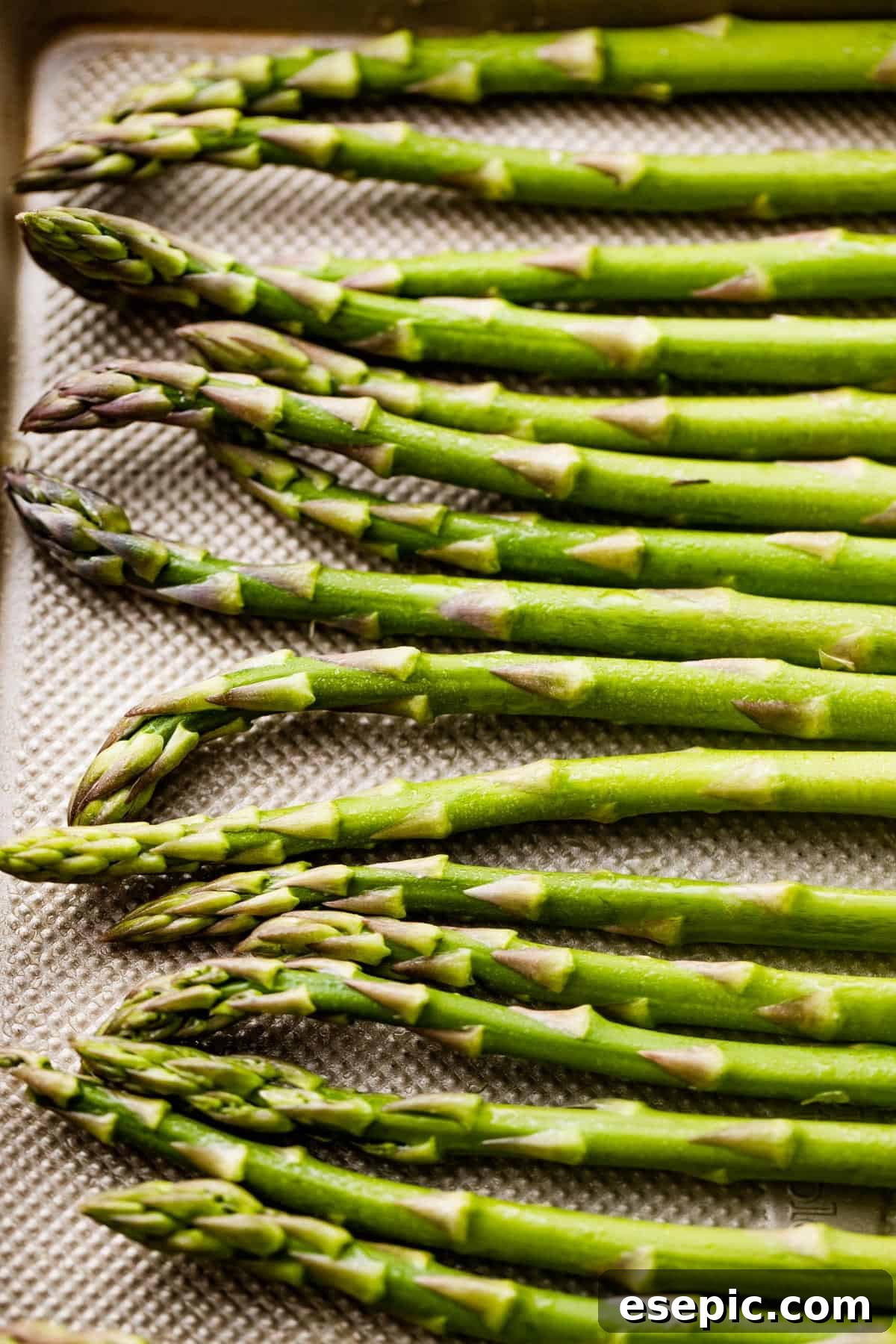
- Asparagus Spears: This is, naturally, the star of our dish. When selecting asparagus, look for firm, bright green spears with tightly closed, compact tips. Avoid any spears that appear limp, withered, or have soft, open tips. Thicker spears tend to be more tender and less woody when roasted, though thinner ones will cook faster. Before cooking, gently snap or cut off the tough, woody ends. A good trick is to hold a spear by both ends and bend it; it will naturally break where the tender part begins. Give them a quick rinse under cold water to remove any dirt, then drain them well and pat thoroughly dry with paper towels. Excess moisture can steam the asparagus instead of roasting it, preventing those delicious caramelized edges.
- Butter: We recommend using unsalted butter for this recipe. This gives you complete control over the final salt content of your dish. However, if salted butter is all you have on hand, simply adjust the amount of added salt to taste. For an even richer flavor and added nutritional benefits, consider using grass-fed butter. Its creamy texture and slightly nuttier flavor truly complement the asparagus and garlic.
- Garlic: Fresh garlic is paramount for this recipe to achieve its full aromatic potential. Four cloves are a great starting point, but feel free to adjust the quantity based on your personal preference – garlic lovers might opt for a couple more, while those who prefer a milder hint can reduce it slightly. Mincing or pressing the garlic ensures that its potent flavor is evenly distributed throughout the butter, creating that irresistible garlic butter coating.
- Parsley: Fresh chopped parsley adds a beautiful pop of color and a subtle, fresh herbaceous note that brightens the entire dish. While fresh is ideal for both flavor and aesthetic, dried parsley can certainly be used in a pinch (use about one-third the amount of dried for fresh). If parsley isn’t your favorite, or you simply don’t have any on hand, you could omit it entirely or experiment with other fresh herbs like dill or chives for a different flavor profile.
- Salt and Pepper: These essential seasonings are crucial for bringing out the best in our ingredients. Use good quality salt, such as fine sea salt or kosher salt, and freshly ground black pepper for the most impactful flavor. Always season to taste, remembering that you can always add more, but you can’t take it away.
- Parmesan Cheese: Freshly grated Parmesan cheese is listed as an optional garnish, but it’s highly recommended! Its salty, umami-rich flavor and slightly nutty aroma perfectly complement the garlic, butter, and asparagus. Grate it freshly just before serving for the best texture and flavor; pre-grated varieties often contain anti-caking agents that can affect melting and taste.
Let’s Make Roasted Asparagus!
Preparing your own batch of perfectly roasted garlic butter asparagus is remarkably straightforward, requiring minimal effort for maximum flavor. This method is so simple and effective, you’ll find yourself using it for all sorts of other wonderful roasted vegetables too! Follow these easy step-by-step instructions to achieve tender, flavorful asparagus every time:
- Prep the Oven, Baking Sheet, and Asparagus: Begin by preheating your oven to a robust 400˚F (200˚C). This high temperature is key to achieving that desirable crisp-tender texture and slight caramelization without overcooking the asparagus. While the oven heats, line a large baking sheet with foil or parchment paper. This step is a secret weapon for incredibly easy cleanup, saving you from scrubbing sticky pans later. Next, prepare your fresh asparagus. Take each spear and snap off the tough, woody lower portion – it will naturally break where the tender part begins. Alternatively, you can line them up and cut off the bottom inch or two. Once trimmed, arrange the asparagus spears on the prepared baking sheet in a single layer. It’s crucial not to overcrowd the pan, as this can lead to steaming rather than roasting, preventing those beautiful crispy edges. Give them a little space to breathe!
- Make the Garlic Butter: Now it’s time to create the flavor magic. In a small microwave-safe bowl or a small skillet on the stovetop, melt the butter. Whichever method you choose, melt it gently until just liquid. Once melted, stir in your freshly minced garlic and the chopped parsley. The warmth of the butter will start to release the garlic’s aromatic oils. Season this fragrant mixture generously with salt and pepper to taste. Remember, this is the main flavoring for your asparagus, so ensure it’s seasoned just right.
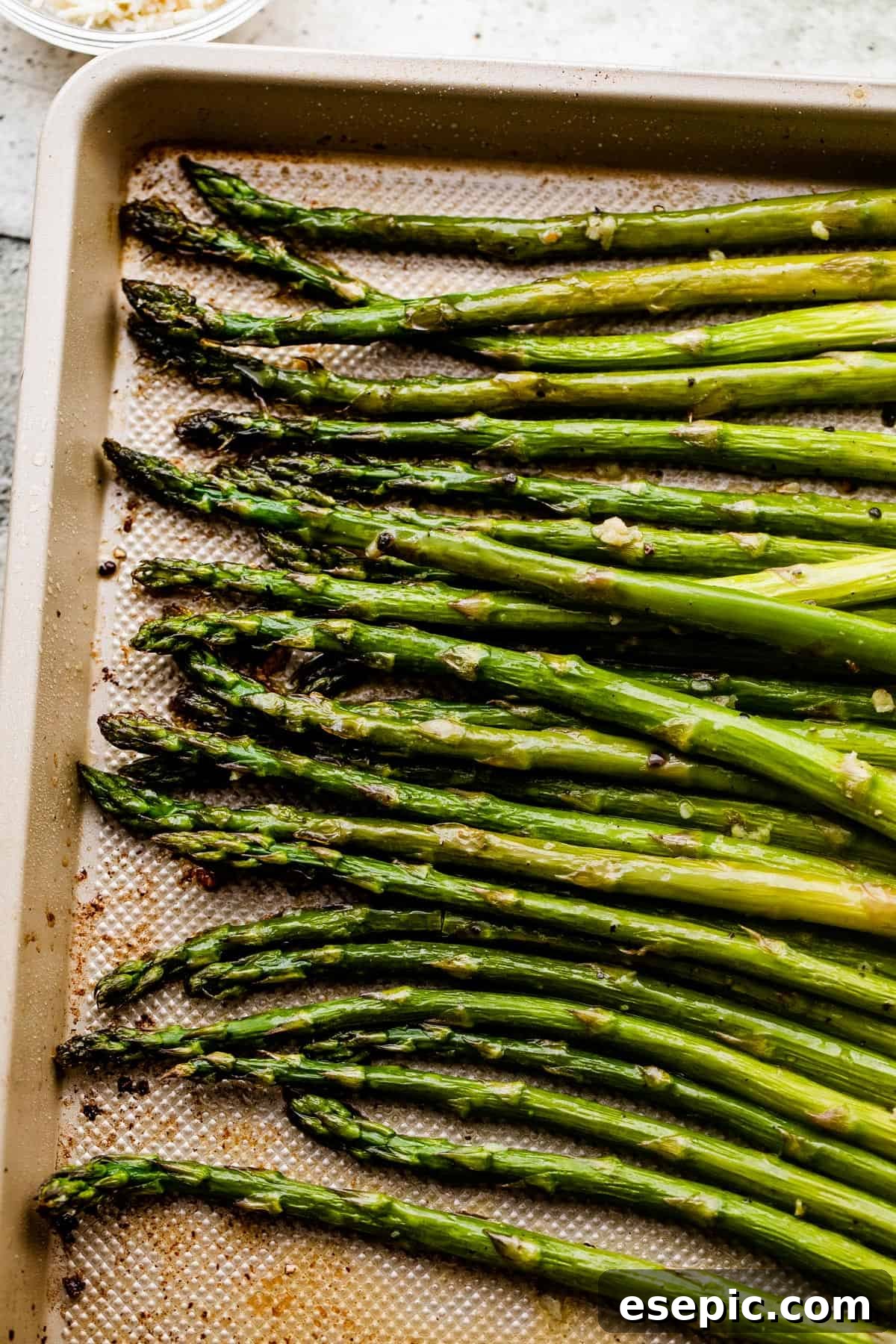
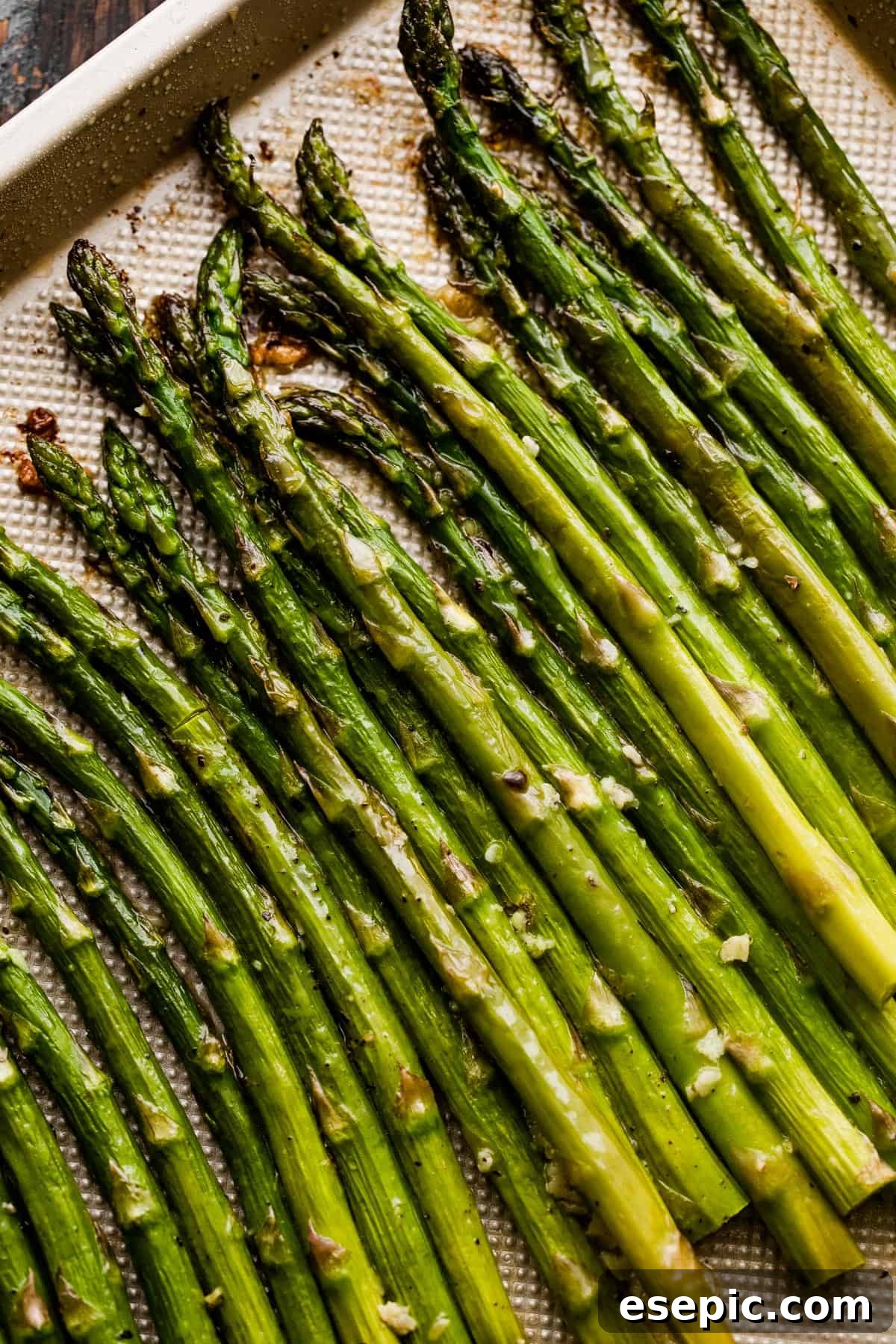
- Roast to Perfection: Pour the prepared garlic butter sauce evenly over the asparagus spears on the baking sheet. Using your hands or tongs, gently toss the asparagus to ensure every single spear is thoroughly coated in the delectable garlic butter. Once coated, spread the asparagus out again into a single layer on the baking sheet, making sure no spears are overlapping. Transfer the baking sheet to your preheated oven and roast for approximately 15 to 18 minutes. The exact cooking time will vary depending on the thickness of your asparagus spears and the specific quirks of your oven. You’re looking for asparagus that is tender when pierced with a fork but still retains a slight crispness and a vibrant green color, with possibly some lightly browned, caramelized tips. Begin checking for doneness around the 15-minute mark to prevent overcooking, which can lead to mushy asparagus.
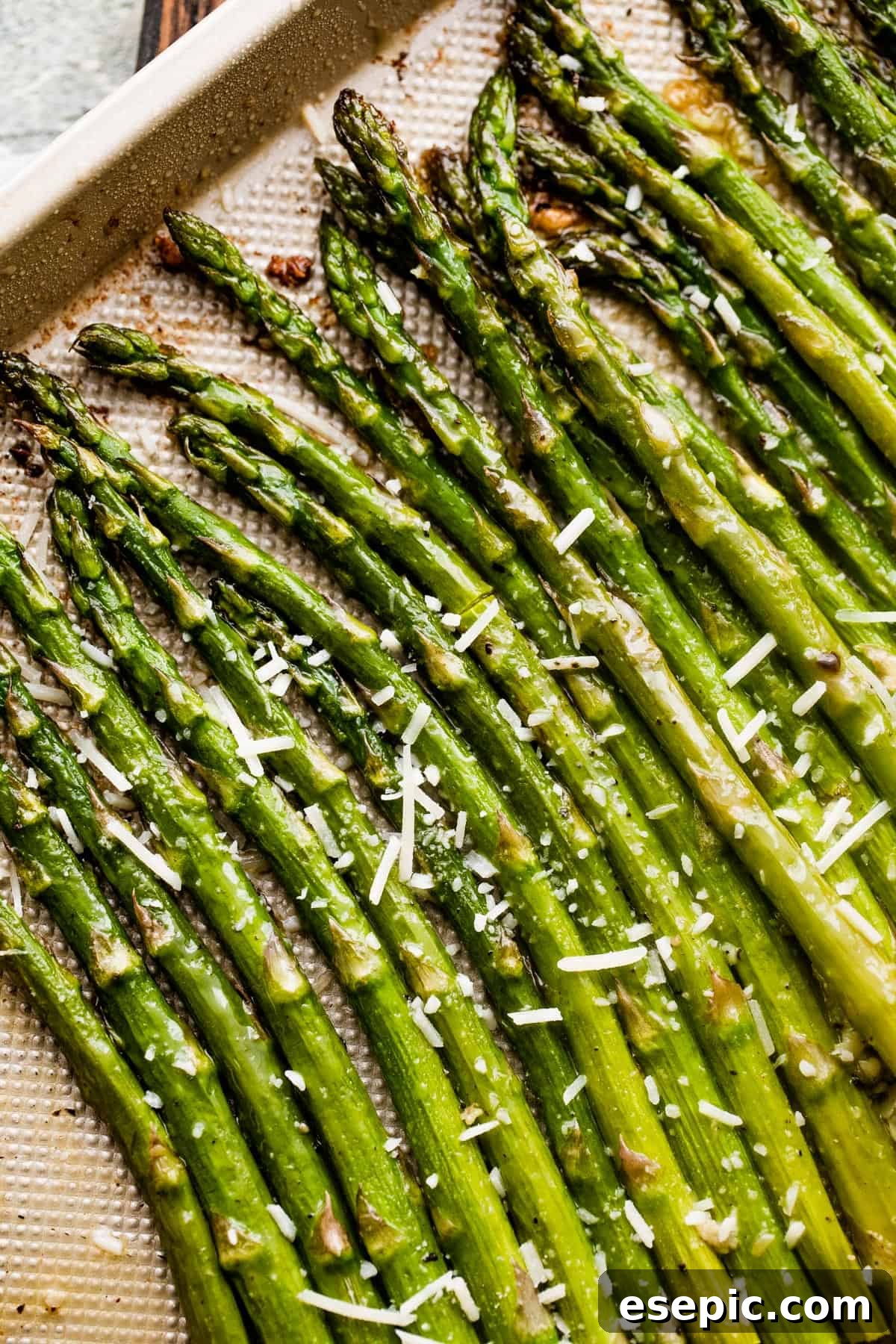
- Add Parmesan and Enjoy! As soon as the asparagus reaches your desired level of tenderness and crispness, carefully remove the baking sheet from the oven. While still hot, generously sprinkle the freshly grated Parmesan cheese over the roasted spears. The residual heat will slightly melt the cheese, creating a wonderfully savory coating. Serve your Garlic Butter Roasted Asparagus immediately as a delicious and vibrant side dish.
Should I Soak Asparagus Before Roasting?
In most cases, soaking asparagus before roasting is not necessary. The primary reason for soaking fresh produce is often to loosen any hidden grit or dirt, especially common in leafy greens. For asparagus, any potential grit or sand tends to accumulate in the tight tips and small leaves along the stalk. I find that a quick, thorough rinse under cold running water is usually more than sufficient to remove any lingering impurities.
After rinsing, it’s far more important to ensure your asparagus is thoroughly dried. Patting it dry with paper towels or spinning it in a salad spinner will remove excess moisture. This is crucial for successful roasting because moisture creates steam in the hot oven, which can lead to soggy asparagus rather than the desired crisp-tender texture and delightful caramelization. So, while a good wash is always recommended for produce hygiene, don’t worry about prolonged soaking unless you specifically prefer that method or if your asparagus appears exceptionally dirty due to its packaging or harvest conditions.
Garlic Butter Roasted Asparagus
Ingredients
- 1 pound fresh asparagus spears,, ends trimmed and discarded
- 4 tablespoons unsalted butter
- 4 cloves garlic,, minced
- ¼ cup chopped fresh parsley
- ½ teaspoon salt,, or to taste
- ¼ teaspoon fresh ground black pepper,, or to taste
- freshly grated parmesan cheese,, for serving, optional
Instructions
-
Preheat oven to 400˚F (200°C).
-
Line a baking sheet with foil or parchment paper for easy cleanup.
-
Snap off the tough, woody ends of the asparagus spears and arrange them on the baking sheet, ensuring they are in a single layer; set aside.
-
Melt the butter in a small microwave-safe bowl or a small skillet over low heat.
-
Stir the minced garlic and chopped parsley into the melted butter; season with salt and pepper to taste.
-
Pour the garlic butter sauce evenly over the asparagus, then gently toss the asparagus to coat all spears thoroughly.
-
Roast for 15 to 18 minutes, or until the asparagus is tender-crisp and vibrant green, with slight caramelization. Cooking time will depend on the thickness of the asparagus spears. Begin checking for doneness at around the 15-minute mark.
-
Carefully remove the baking sheet from the oven.
-
Sprinkle generously with freshly grated Parmesan cheese.
-
Serve immediately and enjoy!
Nutrition
Carbohydrates: 6g |
Protein: 3g |
Fat: 12g |
Saturated Fat: 7g |
Polyunsaturated Fat: 1g |
Monounsaturated Fat: 3g |
Trans Fat: 1g |
Cholesterol: 30mg |
Sodium: 302mg |
Potassium: 288mg |
Fiber: 3g |
Sugar: 2g |
Vitamin A: 1238IU |
Vitamin C: 9mg |
Calcium: 55mg |
Iron: 3mg
Nutritional info is an estimate and provided as courtesy. Values may vary according to the ingredients and tools used. Please use your preferred nutritional calculator for more detailed info.
Tips for Success
Mastering roasted asparagus is all about understanding a few key principles. If you’re looking to achieve that perfect crisp-tender texture and maximize flavor, these FAQs and expert tips will guide you to culinary success, ensuring your roasted veggies are the best they can be:
- Cooking Time is an Art, Not a Science: The precise cooking time for asparagus is highly variable and often depends on several factors. The most significant factor is the thickness of your asparagus spears; thinner spears will cook much faster than thicker ones. Additionally, ovens can vary in their actual temperature, even if set to the same degree, so your oven might cook faster or slower than average. To get your asparagus just right, it’s essential to check them frequently. Begin checking around the 12-15 minute mark. The ideal doneness is when the spears are fork-tender—meaning a fork can easily slide into them—but they still have a slight snap to them and remain a vibrant green color. Avoid overcooking, which results in dull, mushy asparagus.
- Embrace Easy Cleanup Solutions: While it might seem like an extra step, lining your baking sheet with parchment paper or aluminum foil is a game-changer for cleanup. The garlic butter tends to caramelize and can stick to the pan, but with a liner, you can simply toss it away after cooking, leaving you with a virtually clean baking sheet. If you prefer not to use liners, a plain oiled baking sheet or a heavy-duty cast-iron skillet (which also imparts a lovely char) will work perfectly fine. Just be prepared for a bit more scrubbing!
- To Peel or Not to Peel: Historically, some recipes, particularly older ones, would suggest peeling asparagus. However, in modern cooking, peeling asparagus is generally not necessary. The skin of asparagus spears is tender and flavorful when cooked properly. If you happen to have exceptionally thick asparagus spears, you might consider peeling the lower half of the stalks with a vegetable peeler. This can help achieve a more uniform thickness from top to bottom, ensuring even cooking, as the thicker parts might otherwise remain slightly tougher. For most standard asparagus, though, leaving them as they are is perfectly acceptable and saves time.
- Don’t Overcrowd the Pan: This is a crucial tip for successful roasting of any vegetable, including asparagus. If you pile the asparagus too high on the baking sheet, the spears will steam rather than roast. This happens because the moisture released from the vegetables gets trapped, preventing the dry heat needed for caramelization and crisping. Always ensure the asparagus is spread in a single layer with a little space between each spear. If you have a large batch, it’s better to use two baking sheets or roast in batches.
- Add a Splash of Citrus: For an extra layer of brightness and to cut through the richness of the butter, consider adding a squeeze of fresh lemon juice or a sprinkle of lemon zest over the roasted asparagus just before serving. The acidity complements the earthy flavor of the asparagus beautifully.
- Experiment with Seasonings: While salt, pepper, and parsley are classic, feel free to experiment with other seasonings. A pinch of red pepper flakes can add a subtle kick, a dash of onion powder can deepen the savory notes, or a sprinkle of nutritional yeast can add a cheesy, umami flavor.
My Favorite Serving Suggestions
Garlic Butter Roasted Asparagus is incredibly versatile and makes a fantastic side dish for almost any meal. Whether you’re planning a casual brunch or an elegant dinner party, these savory, crisp spears can easily find their place. Simply pair it with your favorite main course, from a simple plate of scrambled eggs to a sophisticated Beef Wellington. Here are a few specific ideas to get you started:
- Steak and Potatoes: This is a classic, unbeatable trio. The rich, savory flavors of steak and potatoes are perfectly complemented by the fresh, garlicky crispness of roasted asparagus. For an elevated yet easy take, try serving your asparagus alongside Garlic Steak Bites with Potatoes cooked in a cast-iron skillet. Each savory bite of steak and potato, paired with tender asparagus, is sure to please even the most discerning palate.
- Chicken Schnitzel: For a meal that feels both comforting and special, pair your roasted asparagus with satisfyingly simple Chicken Schnitzel. Made with juicy chicken cutlets, lightly breaded and pan-fried to golden perfection, the schnitzel’s tender interior and crispy exterior create a wonderful textural contrast with the asparagus. It’s an amazing main course that comes together quickly for a weeknight.
- Roasted Pork Tenderloin: Another hearty and elegant main dish that pairs beautifully with roasted asparagus is Roasted Pork Tenderloin, especially when served with potatoes. This dish is both simple to prepare and scrumptiously flavorful, making it a natural and harmonious fit with the bright, garlicky notes of your easy roasted asparagus. The lean pork provides a substantial anchor, while the asparagus adds freshness and a pop of color.
- Lemon Herb Salmon: For a lighter, healthier meal, consider pairing your garlic butter asparagus with baked or pan-seared salmon. The rich omega-3s of the fish, especially when flavored with lemon and herbs, create a Mediterranean-inspired plate that is both nourishing and incredibly flavorful. The asparagus adds a wonderful texture and a fresh counterpoint to the salmon.
- Breakfast or Brunch Staple: Don’t limit roasted asparagus to dinner! It’s fantastic alongside scrambled eggs, a frittata, or even as part of a breakfast burrito. The savory notes of garlic butter make it a delightful addition to any morning meal, elevating your breakfast into something truly special.
How to Store and Reheat Your Leftovers
While freshly roasted asparagus is always best, sometimes you might find yourself with delicious leftovers. Here’s how to properly store and reheat your garlic butter roasted asparagus to enjoy it again:
- To Store: Once your roasted asparagus has cooled completely to room temperature, transfer it to an airtight container or a resealable food storage bag. Removing as much air as possible from the bag will help preserve its freshness. Place the container or bag in the refrigerator. Properly stored, leftover roasted asparagus will maintain its quality for 3 to 5 days.
- To Reheat: The key to reheating asparagus is to warm it through without making it mushy or dry.
- Skillet Method (Recommended): For the best results, place the desired portion of asparagus in a covered skillet over low to medium-low heat on the stovetop. This gentle heat helps warm it evenly. If the asparagus appears a bit dry, you can add a tiny splash of water, vegetable broth, or a drizzle of olive oil to the pan as it heats. Cover the skillet to trap steam and warm the asparagus through, which usually takes about 5-7 minutes.
- Oven Method: For a slightly crispier reheat, preheat your oven to 300°F (150°C). Spread the asparagus in a single layer on a baking sheet. You can add a tiny splash of water or broth to the pan and cover loosely with foil. Heat for about 10-15 minutes, or until warmed through.
- Microwave Method: While convenient, the microwave can sometimes make asparagus a bit softer. Place the asparagus on a microwave-safe plate, sprinkle with a tiny bit of water, and cover loosely. Microwave in 30-second increments until just warmed through.
Can I Freeze This?
- Absolutely! Freshly-cooked asparagus is actually a great candidate for freezing, making it an excellent option for meal prep or preserving a bountiful harvest. However, it’s important to note that like most vegetables, asparagus will undergo a slight change in texture after being frozen and thawed. It tends to become a bit softer, losing some of its initial crispness. This makes it ideal for dishes where texture is less critical, such as purees, soups, casseroles, or stir-fries, though it’s still perfectly enjoyable as a side.
- To Freeze Your Asparagus: First, ensure your cooked garlic butter roasted asparagus has cooled completely to room temperature. Spreading it out on a plate or baking sheet for a short while can speed up this process. Once cool, carefully pack the asparagus into freezer-safe bags or airtight containers. If using bags, try to remove as much air as possible before sealing to prevent freezer burn. You can also flash-freeze the spears in a single layer on a baking sheet until solid before transferring them to a bag; this prevents them from clumping together. Store your frozen asparagus in the freezer for up to 8 months for optimal quality.
- Reheating from Frozen: You have a couple of options for reheating. You can reheat the asparagus directly from frozen. For best results, consider roasting it again in the oven at a moderate temperature (around 350°F / 175°C) until warmed through, or sautéing it gently in a skillet. If you prefer, you can also thaw it in the refrigerator overnight before reheating using the skillet or oven methods described above. Adding a fresh squeeze of lemon or a sprinkle of herbs after reheating can help revive its flavors.
More Easy Veggie Recipes
If you loved this simple and delicious roasted asparagus recipe, you’re in for a treat! Explore these other fantastic and easy vegetable dishes that are perfect for any occasion:
- Creamy Cheesy Broccoli Casserole: A comforting and rich dish that transforms humble broccoli into a family favorite.
- Zucchini Tomato Gratin: Layers of fresh zucchini and ripe tomatoes baked to perfection with a golden, cheesy topping.
- Avocado Tomato Salad: A light, refreshing, and incredibly easy salad bursting with fresh flavors and healthy fats.
Did you make a recipe? Leave a rating
There you have it – your comprehensive guide to making the most delicious Garlic Butter Roasted Asparagus. This recipe is more than just a side dish; it’s a celebration of simple, fresh ingredients brought to life with irresistible flavors and textures. Whether you’re a seasoned chef or a kitchen novice, you’ll find this dish to be an easy win, perfect for any occasion. So go ahead, gather your ingredients, and transform your spring asparagus into a culinary masterpiece that will impress everyone at your table. Happy cooking!