
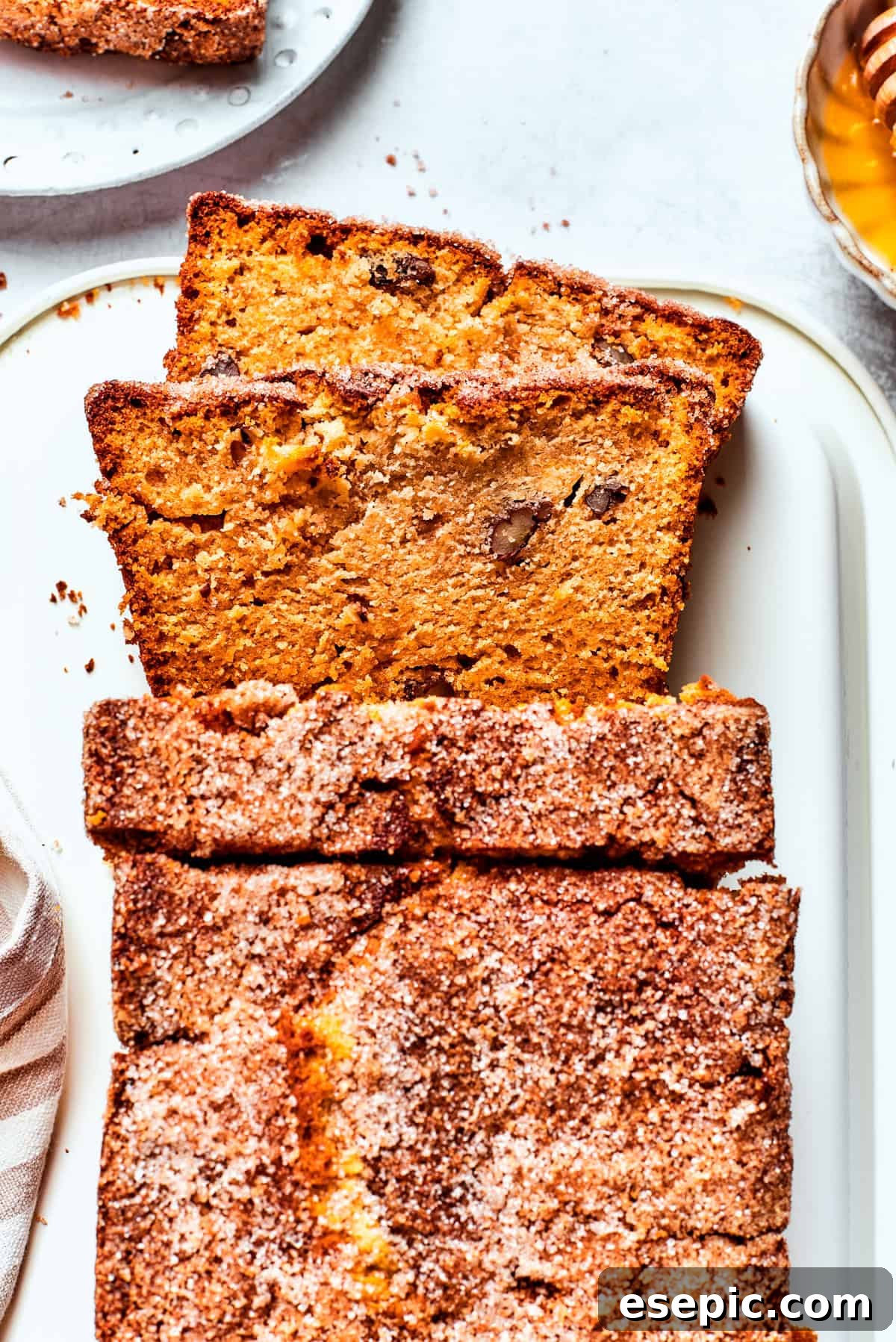
There’s a special charm to baking, especially when the recipe comes with a story and an invitation to share. Amish Friendship Bread embodies this spirit perfectly. This beloved cinnamon-swirled sweet bread isn’t just a delightful treat; it’s a tradition, a project, and a gift wrapped in one delicious loaf. Here, you’ll discover everything you need to know to create this classic, from nurturing its unique sourdough-like starter to baking a golden-brown, aromatic loaf that’s meant to be enjoyed and shared.

If you’re searching for a rewarding kitchen adventure, look no further than baking bread. Over the years, I’ve explored the diverse world of bread-making, crafting everything from simple flatbreads and hearty spoon bread to impressive star bread and even decadent chocolate zucchini bread. Each loaf holds its own magic, but Amish Friendship Bread holds a particularly warm place in my heart. This unique 10-day recipe involves cultivating a sweet, yeasted starter that forms the foundation of a truly exceptional sweet bread. Imagine starting your day with a toasted slice of this bread, lightly buttered, its cinnamon aroma filling your kitchen—a simple pleasure that feels incredibly special.
The beauty of the Amish Friendship Bread starter extends beyond just this one recipe. Its sweet, tangy notes can elevate various other baked goods, transforming everyday rolls, muffins, and sweet breads into something extraordinary. But perhaps the most heartwarming aspect is the tradition itself: sharing portions of your active starter with friends and family. This act of giving is what truly defines “friendship bread,” allowing a delicious chain of baking and sharing to continue, bringing warmth and joy to many homes.
Why This Recipe Will Become Your New Favorite
Amish Friendship Bread is more than just a recipe; it’s an experience. Here’s why you’ll cherish the process and the delicious outcome:
- A Rewarding Slow Journey: In our fast-paced world, this recipe invites you to slow down. The 10-day process of nurturing your starter is a meditative act, a daily ritual that connects you to the magic of fermentation. Watching the starter bubble and grow is incredibly satisfying, offering a tangible connection to the food you create. It’s a wonderful project for families, too, as children love checking on its progress each day.
- A Distinctly Unique Flavor: While it shares a similar fermentation process with traditional sourdough, Amish Friendship Bread stands in a class of its own. It’s less tangy and distinctly sweeter, with a rich, doughy texture and an irresistible swirl of cinnamon. This isn’t your everyday quick bread; it’s a sweet, comforting loaf with a depth of flavor developed over days.
- Starter That Keeps Giving: One of the most practical aspects of this recipe is the versatility and longevity of the starter. If you choose not to share (though we highly recommend it!), you can easily preserve your starter. Divide it into 1-cup portions and freeze them in airtight bags. This allows you to have a ready-to-use starter whenever a craving for Amish Friendship Bread strikes, saving you the initial 10-day activation period. It’s convenience baked right in!
- The Joy of Sharing: The very name “Friendship Bread” highlights its communal spirit. Sharing portions of your active starter with loved ones is a beautiful tradition that fosters connection and spreads culinary joy. It’s a gift that keeps on giving, allowing others to embark on their own baking journey and create their cherished loaves.
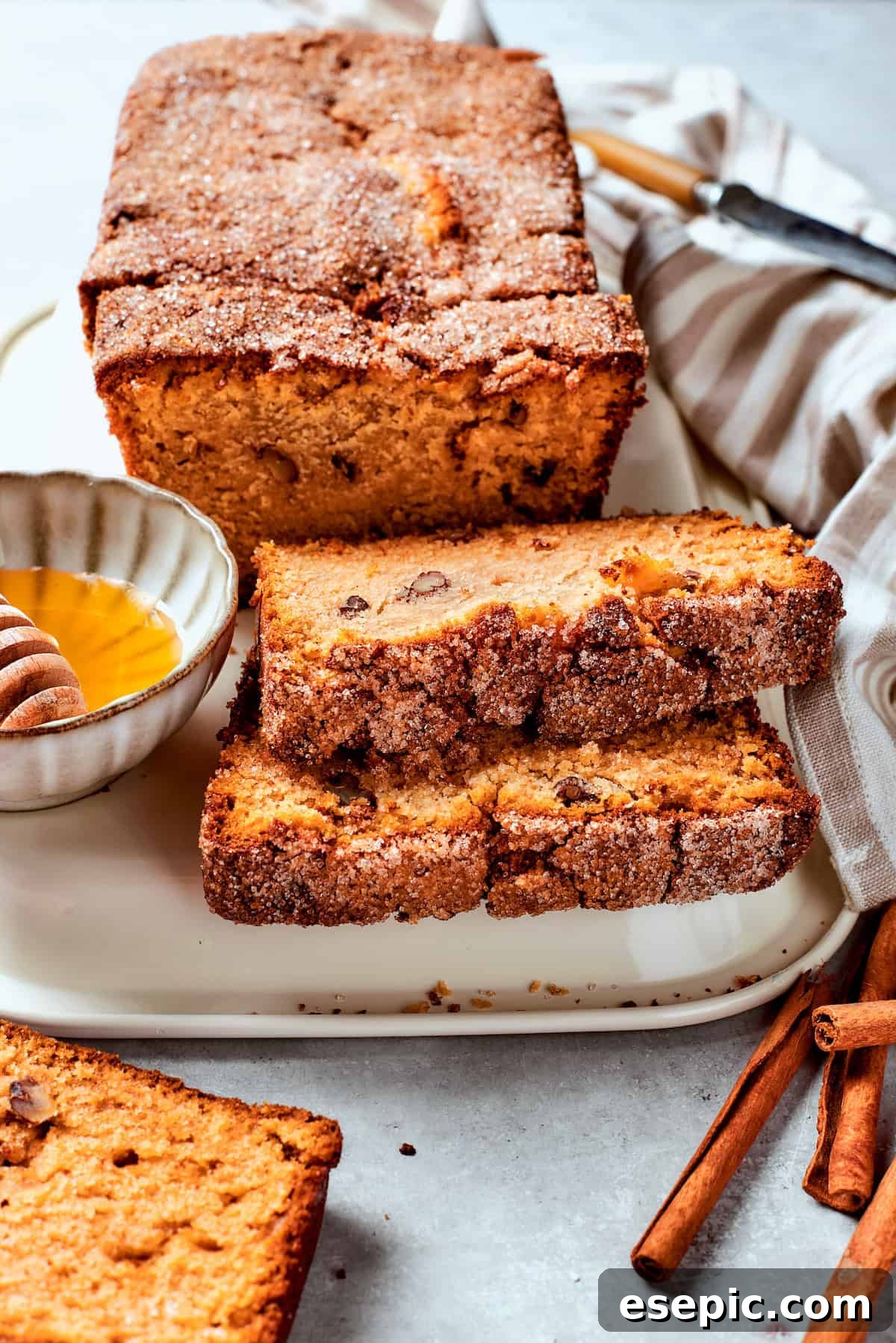
What Exactly Is Amish Friendship Bread?
Amish Friendship Bread is a beloved sweet bread characterized by its cinnamon-sugar swirl and its unique yeast-based starter. The tradition revolves around creating and nurturing this “friendship starter” over a 10-day period. Once mature, you use one cup of the starter to bake a delectable loaf of bread, and the remaining starter is then typically divided and shared with friends, continuing the cycle of baking and connection.
While often compared to sourdough bread, there are key distinctions. A traditional sourdough starter relies solely on wild yeast from flour and water, cultivating a naturally tangy flavor. The Amish Friendship Bread starter, however, uses active dry yeast as its initial leavening agent and is enriched with milk and granulated sugar. This combination results in a sweeter, milder flavor profile compared to the robust tang of sourdough. Despite these differences, both starters require a similar commitment to daily feeding and careful observation to ensure optimal activity before they are ready for baking.
Essential Ingredients for Your Friendship Bread Journey
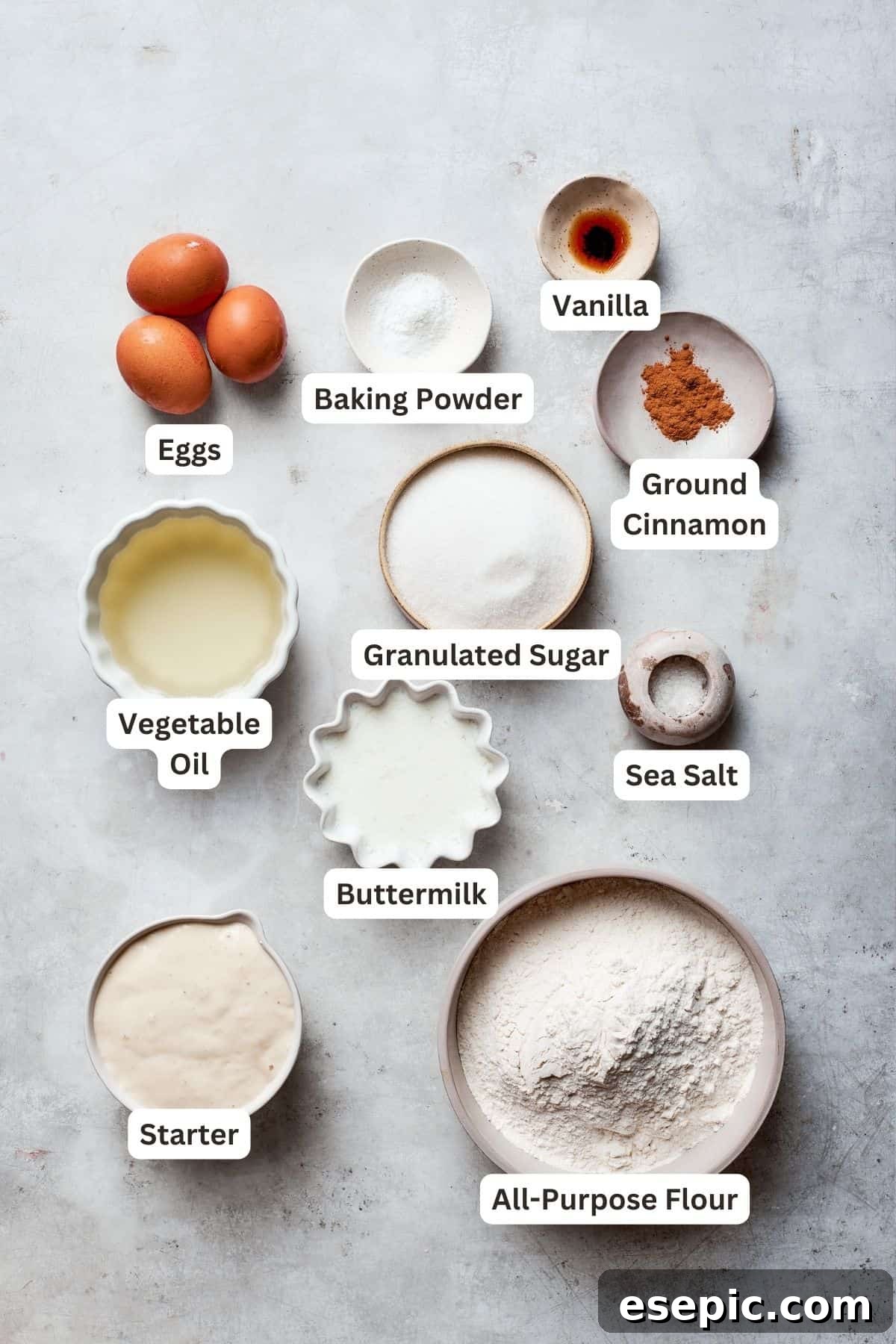
Creating this wonderful bread involves a few distinct stages, but the ingredients themselves are common pantry staples. Always ensure your ingredients are fresh and measured accurately for the best results. You’ll find the complete ingredient list with precise measurements in the recipe section below.
For the Friendship Starter
- Active Dry Yeast: This is the foundation of your starter. We specifically recommend active dry yeast over instant yeast for this recipe, as it was thoroughly tested to achieve the perfect activation and fermentation.
- Warm Water: Crucial for activating the yeast. Use a thermometer to ensure the water is precisely 110°F (43°C). Water that is too hot can kill the yeast, while water that is too cold won’t activate it effectively.
- Granulated Sugar: Provides essential food for the yeast, contributing to the starter’s sweetness and activity. It’s a key component in both the starter and the final bread.
- All-Purpose Flour: The primary structural component. Accurate measurement is key; always use the spoon and level method (spoon flour into the measuring cup, then level off with a straight edge) rather than scooping, which can compact the flour and lead to an overly dry starter or bread.
- Milk: Adds richness and moisture to the starter, contributing to its unique texture and flavor. Whole milk or 2% milk will both work beautifully.
For the Daily Feedings
These are the ingredients you’ll add to your starter on specific days to keep it alive and thriving:
- Granulated Sugar: Continues to nourish the yeast and maintain the sweetness.
- All-Purpose Flour: Provides more structure and food for the growing yeast colony.
- Milk: Replenishes the liquid content and supports ongoing fermentation.
For Baking the Bread
- Amish Friendship Starter: One cup of your perfectly fermented, active starter is the heart of this bread, imparting its unique flavor and leavening power.
- Granulated Sugar: Enhances the bread’s sweetness, creating that signature delightful flavor.
- Vegetable Oil: A neutral-flavored oil is essential here to prevent any overpowering tastes, allowing the cinnamon and sweet bread flavors to shine. Do not substitute with strongly flavored oils like olive oil.
- Large Eggs: Act as a binder, add richness, and contribute to the bread’s structure and moisture. Ensure they are at room temperature for better incorporation.
- Pure Vanilla Extract: A touch of vanilla elevates the sweet, comforting profile of the bread.
- Buttermilk: Its acidity reacts with the baking powder, providing an extra lift and tenderness to the loaf. Remember to shake the carton well before measuring.
- All-Purpose Flour: As with the starter, accurate measurement via the spoon and level method is vital to achieve the perfect crumb—neither too dry nor too heavy.
- Baking Powder: Works in conjunction with buttermilk to give the bread its rise and light texture. Always check the expiration date; old baking powder can significantly impact your bread’s lift.
- Sea Salt: Balances the sweetness and enhances all the flavors in the bread.
- Ground Cinnamon: The star spice, providing that warm, aromatic swirl that is quintessential to Amish Friendship Bread.
- Toasted Chopped Pecans: Adds a delightful crunch and nutty flavor, complementing the sweet cinnamon notes. Feel free to toast them lightly before adding for enhanced flavor.
- Topping: A simple mix of granulated sugar and ground cinnamon creates a beautiful, sugary crust and an extra burst of spice on top.
Crafting Your Amish Friendship Bread Starter: A 10-Day Journey
The journey to a perfect loaf begins with a healthy, active starter. This 10-day process requires patience and a little daily attention, but it’s incredibly rewarding. For precise, detailed instructions on each step, refer to the full recipe card below.
- Day 1: Activating the Yeast – Begin by dissolving the active dry yeast in warm water (110°F). Allow it to rest for about 10 minutes until a frothy layer appears on the surface, indicating the yeast is alive and ready.
- Day 2-4: Initial Feeding – In a large, non-metallic bowl, combine 1 cup of granulated sugar, 1 cup of all-purpose flour, and 1 cup of milk. Add the activated yeast mixture and stir everything together thoroughly. Cover the bowl loosely to allow air circulation and let it rest on your kitchen counter at room temperature. During these days, simply observe; no further action is needed.
- Day 5: First Major Feeding – By now, you should notice some activity—small bubbles forming, and a mild sweet-sour aroma. It’s time for the first significant feeding. Add another 1 cup of granulated sugar, 1 cup of all-purpose flour, and 1 cup of milk to your starter. Stir until the mixture is smooth and well combined.
- Day 6-9: Daily Stirring – For the next four days, your primary task is simple: stir the starter once a day. This action helps to evenly distribute the yeast and “food” throughout the mixture, preventing a crust from forming and encouraging consistent fermentation. You’ll likely observe more bubbling and a slight increase in volume.
- Day 10: Final Feeding & Preparation – On the tenth day, perform the final feeding before preparing your bread. Add the last 1 cup of granulated sugar, 1 cup of all-purpose flour, and 1 cup of milk. Stir thoroughly until the starter is smooth and homogenous. At this point, your starter should have a distinctly sweet-sour, yeasty aroma and a consistency similar to thick pancake batter. It’s now primed for baking, sharing, or storing!
Baking Your Amish Friendship Bread: From Starter to Sweet Loaf
Once your starter is vibrant and ready, the baking process itself is straightforward and enjoyable. Here’s a simplified overview of how to transform that living starter into a delectable loaf. Refer to the detailed instructions in the recipe card for full guidance.




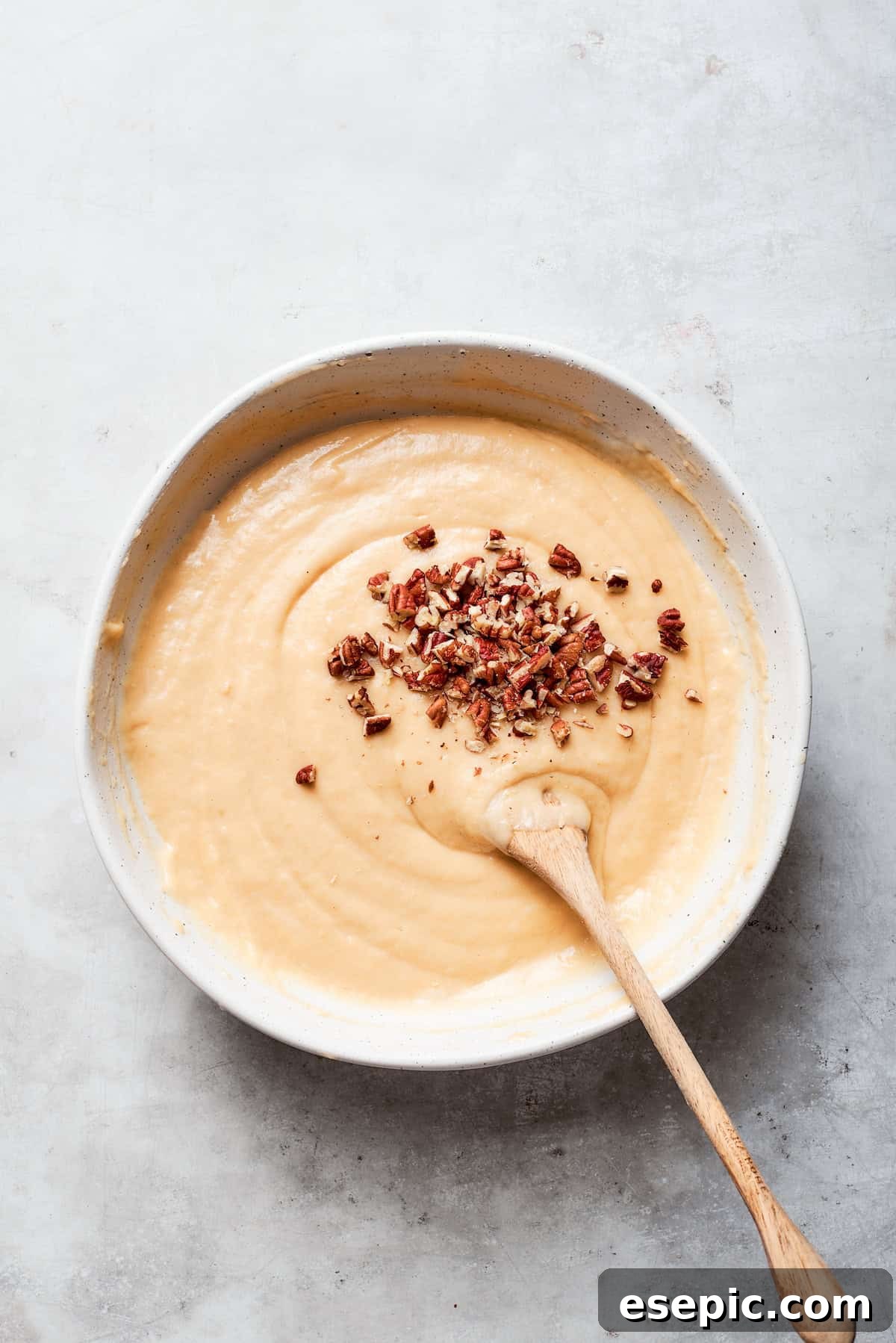
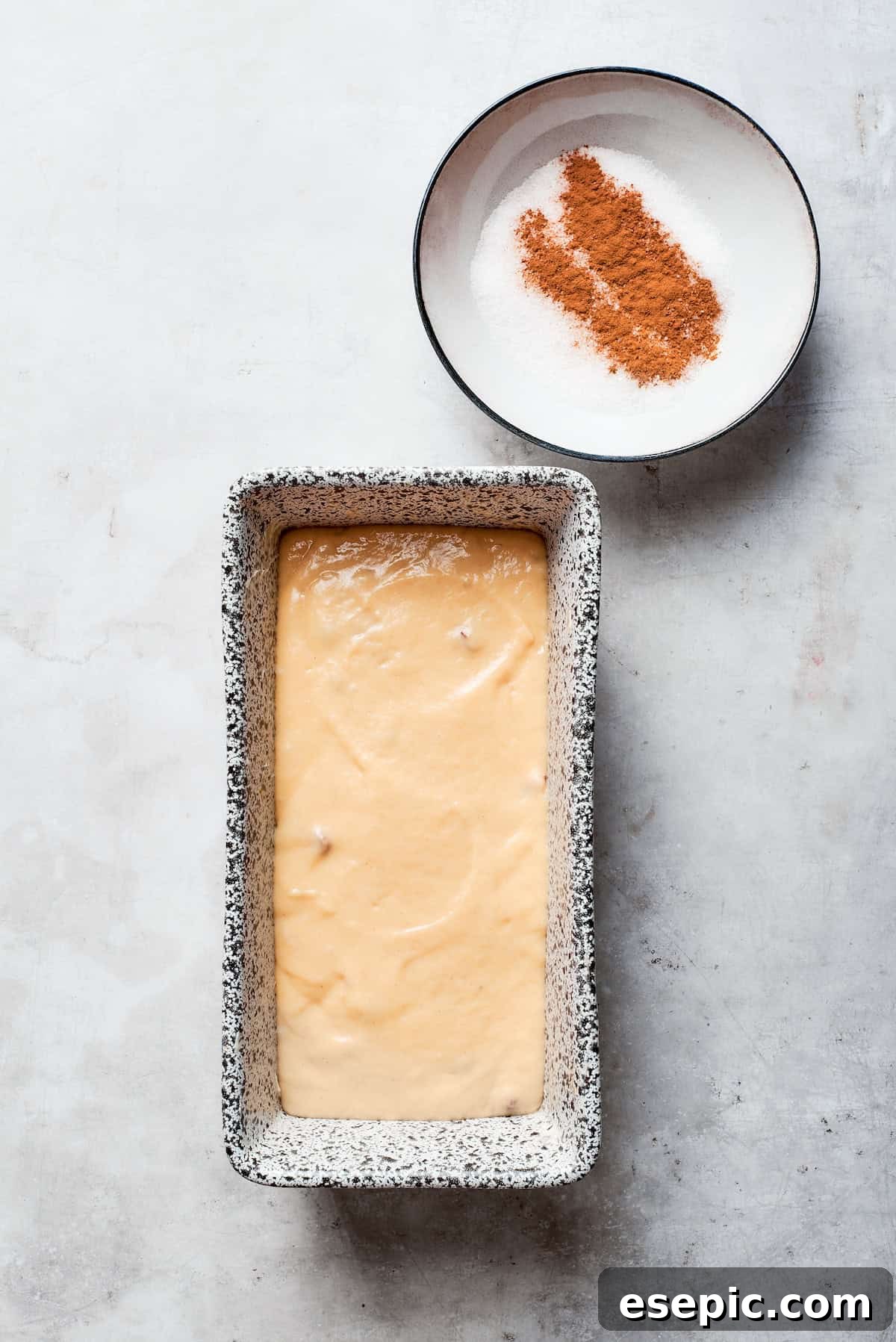
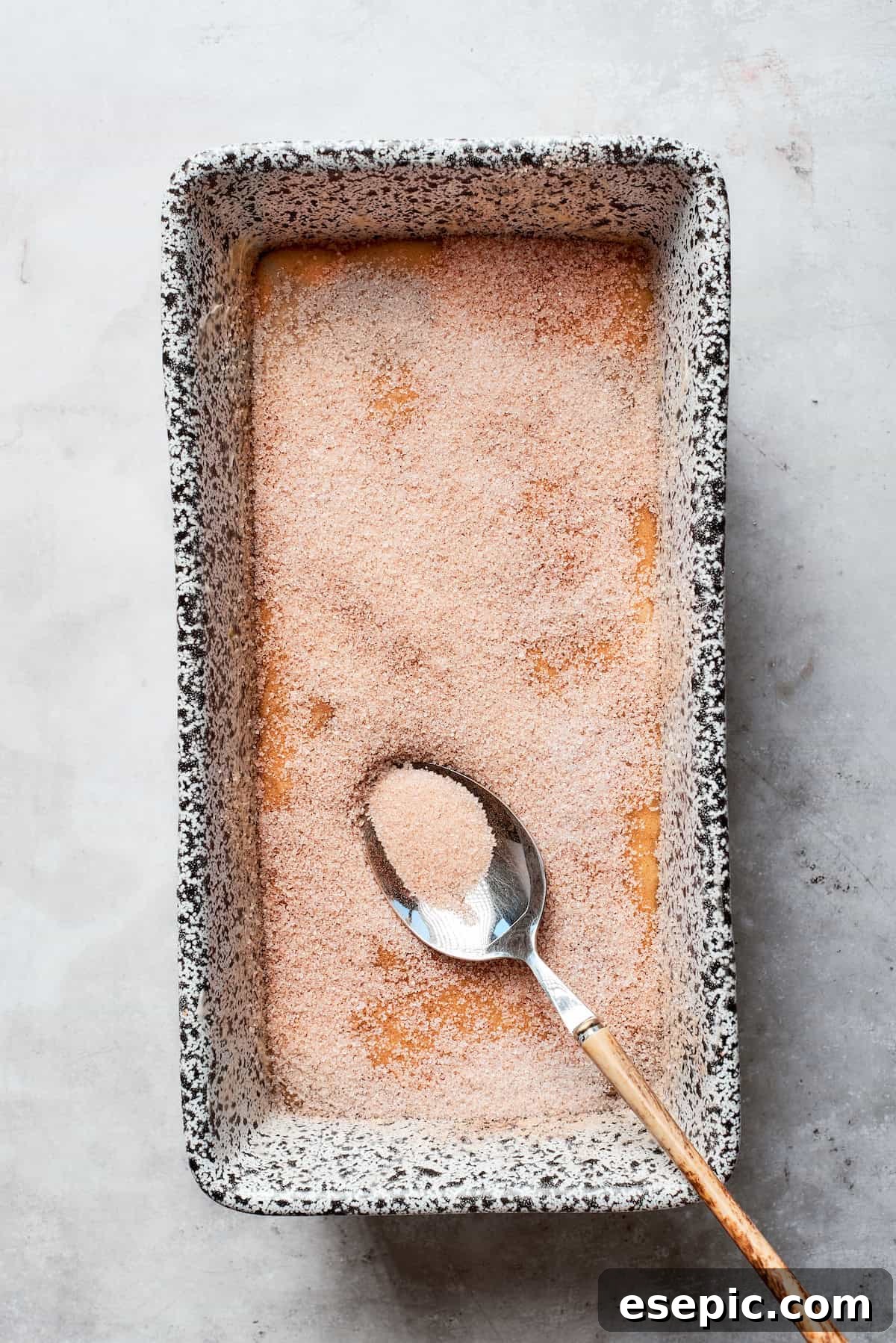
- Preparation is Key: Begin by preheating your oven to 325°F (160°C). Generously grease a 9×5-inch loaf pan, or line it with parchment paper, ensuring easy removal of your baked bread.
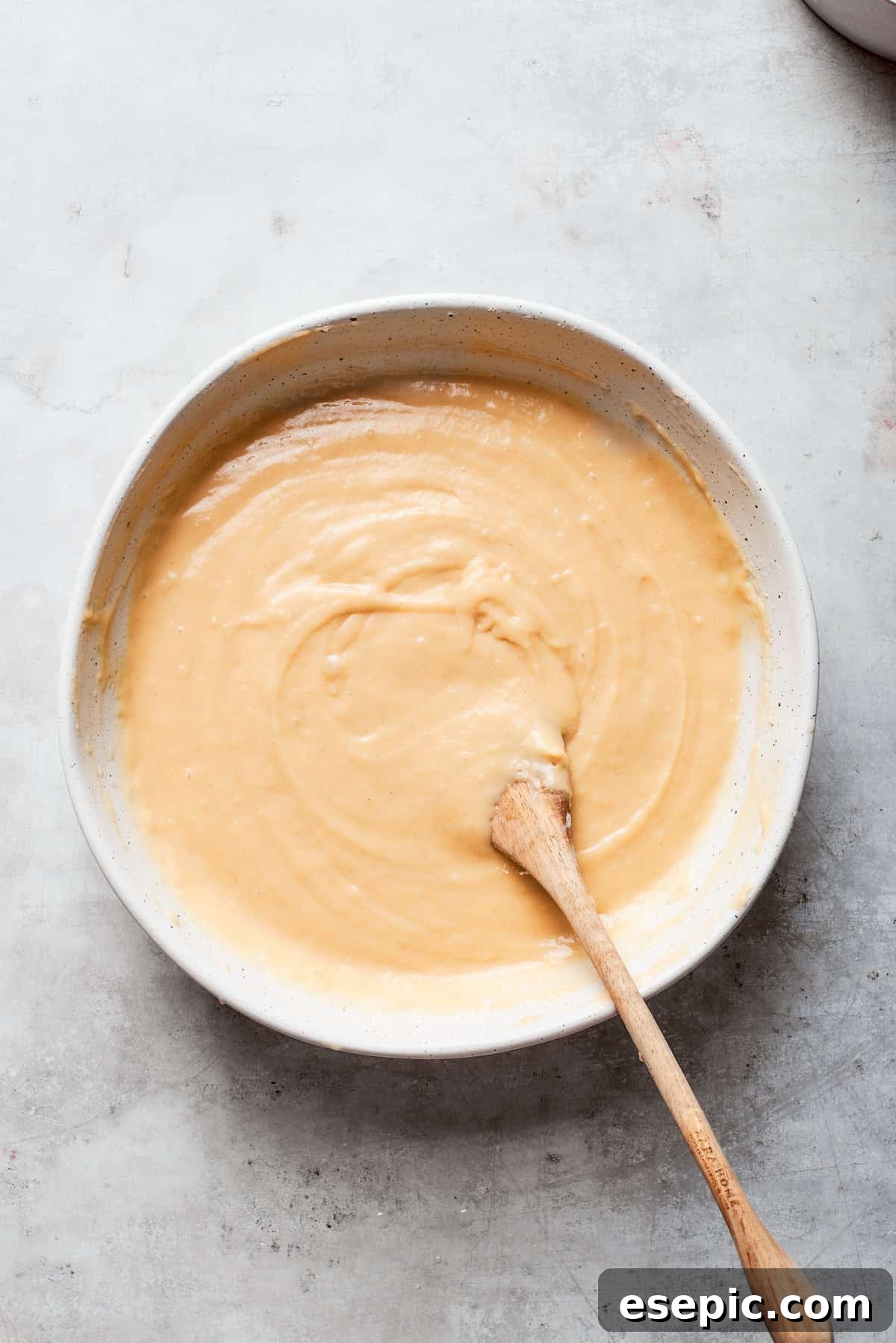
- Combine Wet Ingredients: In a large mixing bowl, gently combine 1 cup of your active Amish Friendship starter with granulated sugar and neutral vegetable oil. Mix until just incorporated.
- Enrich the Batter: Add the room temperature eggs, pure vanilla extract, and buttermilk to the mixture. Whisk everything together until the batter is smooth and uniform.
- Introduce Dry Ingredients: In a separate bowl, whisk together the all-purpose flour (spoon and leveled), baking powder, sea salt, and ground cinnamon. Gradually fold these dry ingredients into the wet mixture, stirring only until just combined. Overmixing can lead to a tough loaf.
- Fold in the Nuts: Gently fold in the toasted chopped pecans. If you’re not a fan of nuts, this step can be omitted, or you can substitute them with other mix-ins like chocolate chips or dried fruit.
- Transfer to Pan: Pour the prepared batter into your greased loaf pan, spreading it evenly.
- Add the Signature Topping: In a small bowl, mix together additional granulated sugar and ground cinnamon. Sprinkle this aromatic mixture generously over the top of the batter in the pan. This creates a beautiful, sweet crust as it bakes.
- Bake to Golden Perfection: Place the loaf pan in the preheated oven and bake for 60-90 minutes. The baking time can vary depending on your oven. To check for doneness, insert a toothpick into the center of the loaf; it should come out clean. Once baked, let the bread cool in the pan for about 10 minutes before carefully transferring it to a wire rack to cool completely. Patience is a virtue here, as slicing warm bread can affect its texture.
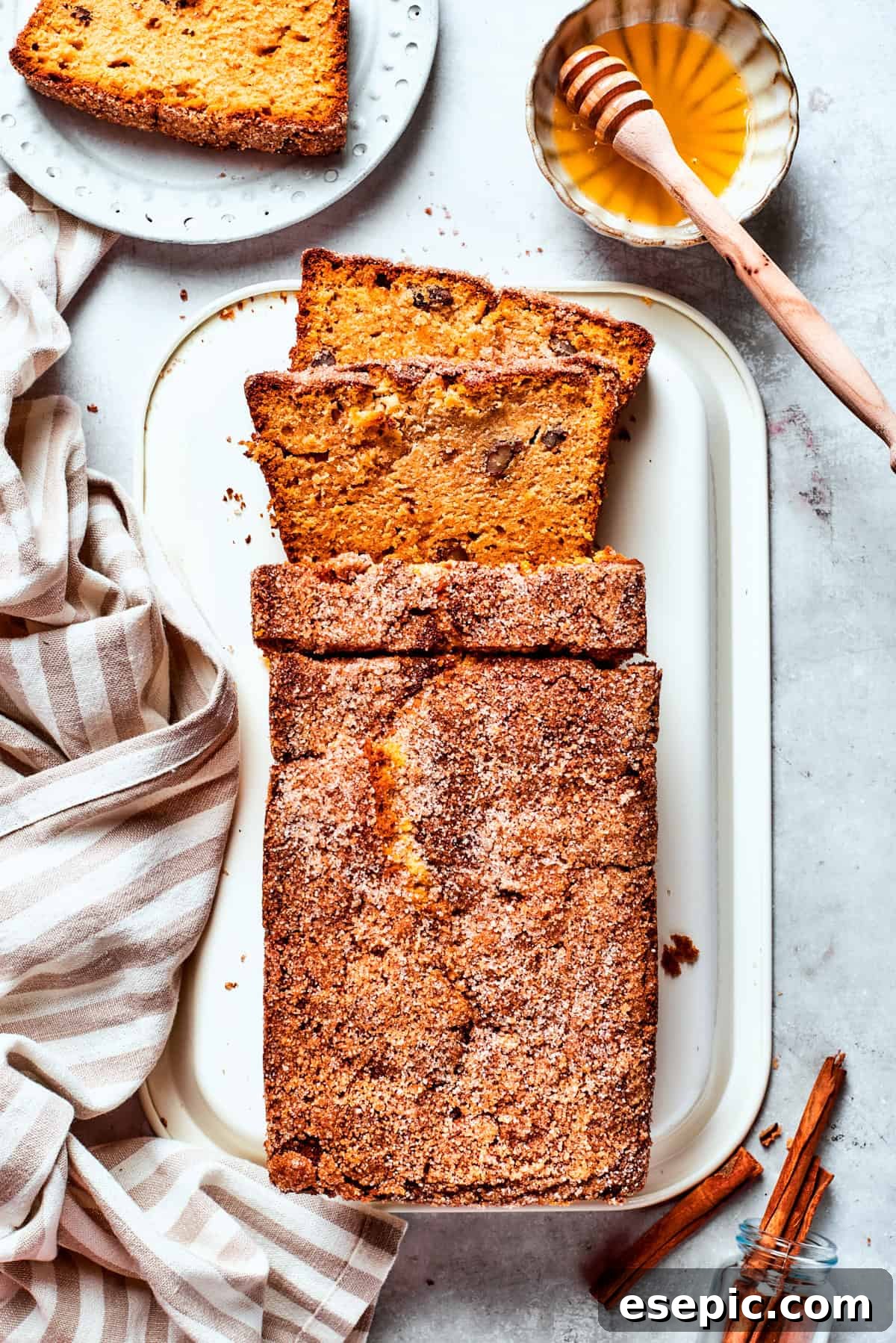
Expert Tips for a Flawless Loaf
Baking homemade bread, especially with a starter, might seem daunting at first. However, by following these simple best practices, you’ll achieve delicious results in your own kitchen:
- Vigilantly Monitor Your Starter: Your starter is a living organism. Pay close attention to its appearance and smell. A healthy, active starter will have a pleasant yeasty or sweet-sour aroma and visible bubbles. If you notice any signs of mold, discoloration, or an unpleasant “rotten egg” smell, it indicates the starter has gone bad. In such cases, it’s best to discard it and begin anew with fresh ingredients to ensure food safety and quality.
- Embrace Warmth: Yeast thrives in warm environments. During the 10-day fermentation period for your starter, ensure your kitchen isn’t too cold. A consistent room temperature (around 70-75°F or 21-24°C) is ideal for optimal yeast activity and fermentation. Avoid placing the starter in direct sunlight, which can overheat it.
- Strategic Planning for Perfection: As this recipe involves a 10-day starter activation, a little planning goes a long way. Consider when you want to enjoy your fresh loaf, and then backtrack 10 days to begin your starter. This ensures your starter is perfectly active and ready to bake on your desired day, allowing you to enjoy fresh-baked bread exactly when you crave it.
- Share the Love (or Keep it!): After preparing your bread, you’ll have extra starter. Uphold the “friendship” tradition by dividing it into 1-cup portions and gifting them to friends, along with a copy of the recipe instructions. Alternatively, you can store the remaining starter in the refrigerator (fed every 5-7 days) or freeze it in 1-cup portions for future baking.
- The Art of Patience in Cooling: It’s tempting to slice into a warm, aromatic loaf of bread straight out of the oven. However, as with most homemade bread, allowing Amish Friendship Bread to cool completely on a wire rack is crucial. This cooling period allows the internal structure of the bread to set, resulting in a cleaner slice, better texture, and a more fully developed flavor.
- Avoid Opening the Oven Door: While baking, resist the urge to peek by opening the oven door frequently. Sudden drops in temperature can cause the loaf to collapse in the center, leading to a sunken or dense texture. Trust your oven and the baking time, and only open the door when absolutely necessary for checking doneness with a toothpick.
- Accurate Ingredient Measurement: Especially for flour, the “spoon and level” method is vital. Scooping flour directly from the bag can compact it, leading to too much flour and a dry, heavy bread. Gently spoon flour into your measuring cup and then level off the top with a straight edge for precise results.
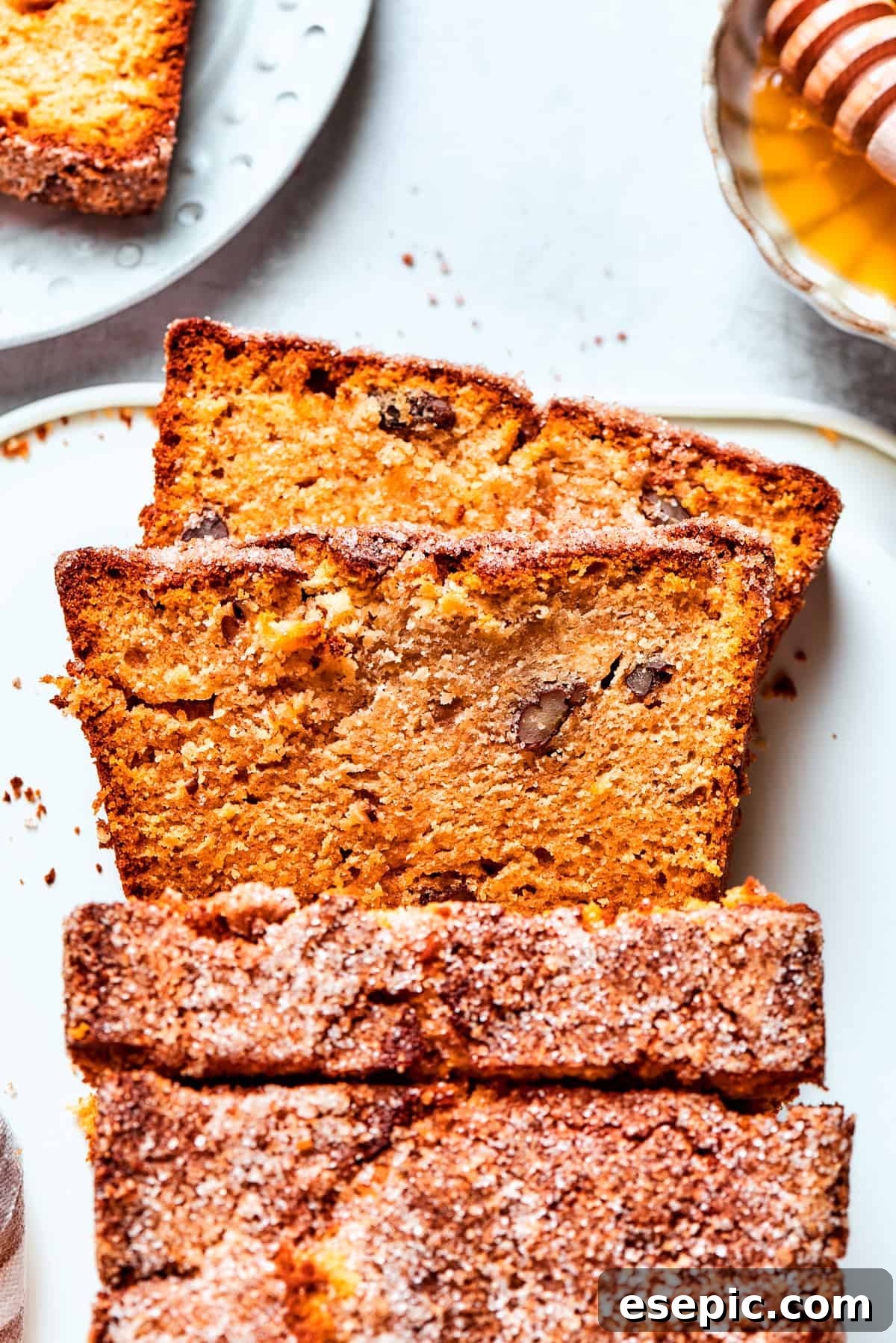
Common Questions About Amish Friendship Bread
The full process of making Amish Friendship Bread, starting from activating the yeast to baking the loaf, takes approximately 10 days. The majority of this time is dedicated to allowing the starter to ferment and develop its signature flavor. However, if you already have an active, healthy starter stored (either from a friend or a previous batch), the actual baking time for a loaf is just a few hours.
The primary difference lies in their starters and flavor profiles. Amish Friendship Bread uses a starter made with active dry yeast, flour, milk, and sugar, resulting in a noticeably sweeter loaf with a milder tang. Traditional sourdough starter, conversely, relies on wild yeast and bacteria from just flour and water, yielding a more pronounced sour flavor and a chewier texture.
A healthy starter should smell yeasty, sweet-sour, and pleasant. You’ll know if your starter has spoiled if you see any visible mold (which can be green, black, pink, or fuzzy), or if it emits a foul odor, such as that of rotten eggs, strong alcohol, or nail polish remover. If any of these signs appear, it’s safest to discard the starter and begin again.
Several factors can cause your bread to sink in the center. The most common reasons include opening the oven door too frequently during baking (causing a sudden temperature drop), underbaking the loaf (it needs more time to set its structure), or using old or expired baking powder, which loses its leavening power. Ensure your oven temperature is accurate and resist opening the door until near the end of the baking time.
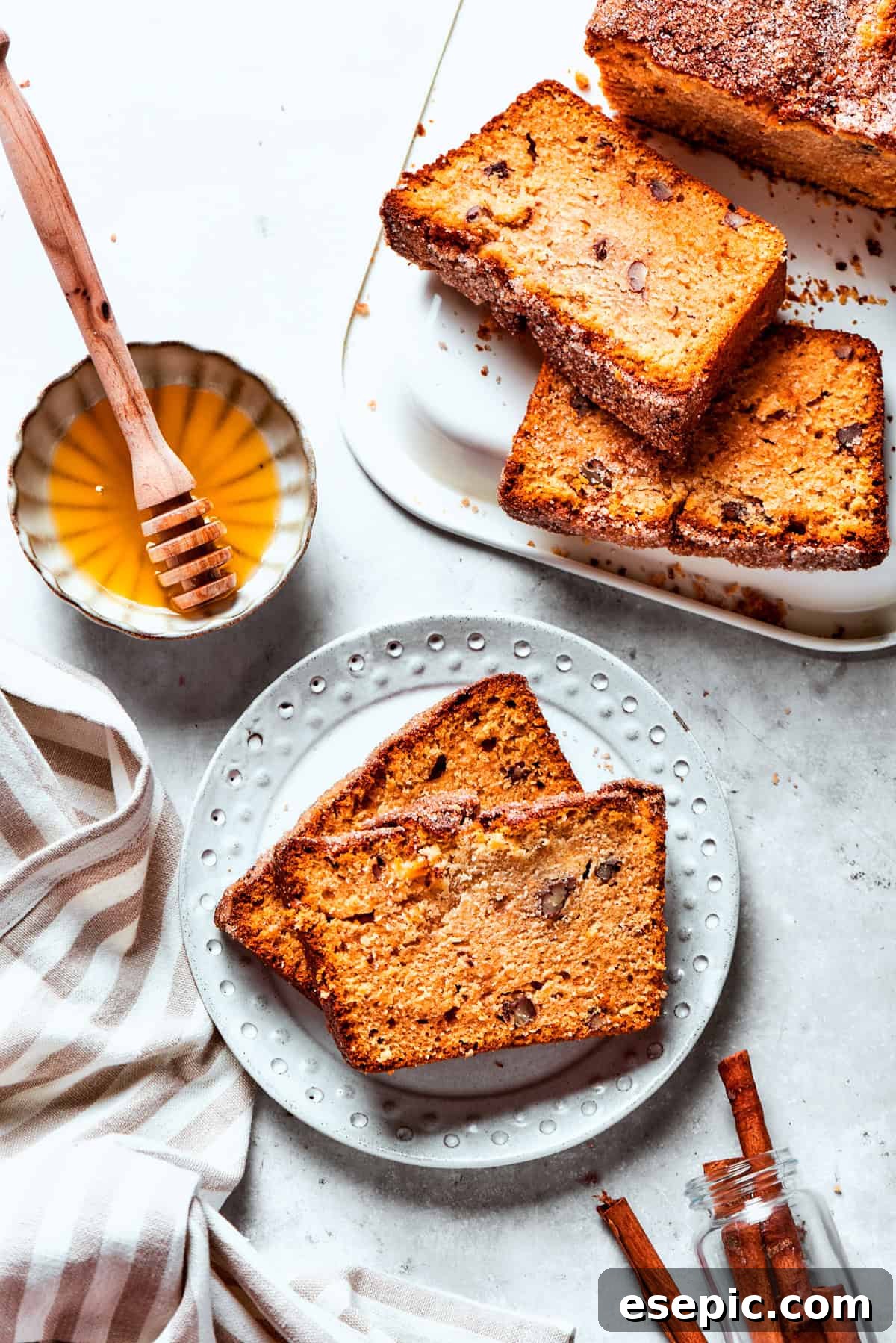
Delightful Serving Suggestions
Amish Friendship Bread, with its comforting cinnamon swirl and sweet crumb, is truly versatile. It’s perfect plain, toasted, or dressed up for any occasion. Pair it with your favorite hot beverage for a cozy moment, enjoy it as a sweet addition to brunch, or savor it as a satisfying snack throughout the day. Here are some ideas to elevate your experience:
- Classic Buttered Bliss: There’s nothing quite like warm slices spread with softened salted or unsalted butter. The simple combination allows the bread’s flavors to shine.
- Sweetened with Honey: For an extra layer of sweetness, drizzle a touch of golden honey over buttered slices. The honey complements the cinnamon beautifully.
- Nut Butter Nirvana: Enhance the protein and richness by spreading almond butter, peanut butter, or any favorite nut butter on a slice. It makes for a satisfying and flavorful snack.
- The Perfect Brunch Companion: Serve Amish Friendship Bread as part of a lavish breakfast or brunch spread. It pairs wonderfully with savory egg dishes like a hearty Eggs Benedict Casserole or a rustic Eggs in Purgatory. Don’t forget a side of crispy oven-baked bacon for a complete meal.
- Coffee or Tea Time Treat: Enjoy a slice (or two!) alongside a steaming cup of coffee, a frothy Caffè Macchiato, or a soothing pot of herbal tea. Its sweet profile makes it an ideal accompaniment.
- Ice Cream Pairing: For a decadent dessert, serve a slice of slightly warmed Amish Friendship Bread with a scoop of vanilla bean ice cream. The contrast of warm bread and cold ice cream is simply divine.
Storing Your Bread and Starter for Freshness
Proper storage ensures you can enjoy your Amish Friendship Bread and maintain your starter for future baking adventures:
- Starter Storage: Any leftover starter should be transferred to a clean, non-metallic container (such as glass or plastic) with a loose-fitting lid or cover. Store it in the refrigerator to slow down fermentation. Remember to “feed” your refrigerated starter every 5-7 days with equal parts flour, sugar, and milk to keep it active and healthy. Always stir it well before and after feeding.
- Baked Bread Storage: Once cooled completely, store any leftover Amish Friendship Bread in an airtight container at room temperature. It will stay fresh and delicious for up to 3 days.
- Freezing for Longer Enjoyment: For extended storage, the baked bread freezes beautifully. Wrap the whole loaf or individual slices tightly in plastic wrap, then place them in a freezer-safe bag. It can be stored in the freezer for up to 3 months. Thaw the bread in the refrigerator overnight or at room temperature before serving. You can gently warm slices in a toaster or oven for a “freshly baked” experience.
Discover More Irresistible Bread Recipes
If you’ve enjoyed the journey of making Amish Friendship Bread, you might love exploring other homemade bread creations from our collection:
- Challah Bread
- No Knead Dutch Oven Bread
- Cheesy Garlic Pull Apart Bread
- Sour Cream Banana Bread

Pin
Amish Friendship Bread
by Katerina | Easy Weeknight Recipes
Learn how to make Amish Friendship Bread, a cinnamon-swirled sweet bread that uses a homemade sweet starter as its base.
Prep Time: 15 minutes
Cook Time: 1 hour 30 minutes
Cooling Time: 30 minutes
Total Time: 2 hours 15 minutes
Servings: 12 slices
Ingredients
Starter:
- 1 package active dry yeast (or 2¼ teaspoons)
- ¼ cup warm water (about 110°F)
- 1 cup granulated sugar
- 1 cup all-purpose flour
- 1 cup milk
Feedings:
- 2 cups granulated sugar, divided
- 2 cups all-purpose flour, divided
- 2 cups milk, divided
For the Bread:
- 1 cup starter
- 1 cup granulated white sugar
- ⅓ cup vegetable oil
- 3 large eggs, at room temperature
- 1 teaspoon vanilla extract
- 1¼ cup buttermilk
- 2 cups all-purpose flour
- 1½ teaspoon baking powder
- ½ teaspoon sea salt
- 1 teaspoon ground cinnamon
- ½ cup toasted chopped pecans
For the cinnamon sugar mixture:
- ⅓ cup granulated white sugar
- 1 teaspoon ground cinnamon
Instructions
Making the Starter
- Day 1-4: Activating the Yeast. In a small bowl, dissolve the yeast in warm water (110°F). Stir gently and let it sit for about 10 minutes until it becomes frothy. This indicates that the yeast is active and ready to use.
- Feeding the Starter. In a large non-metallic bowl or container, combine 1 cup of granulated sugar, 1 cup of all-purpose flour, and 1 cup of milk. Stir well to combine. Add the frothy yeast mixture from Step 1 into the bowl. Stir thoroughly until all ingredients are incorporated.
- Store. Cover the bowl loosely with a clean cloth or plastic wrap. Store the starter at room temperature, away from direct sunlight.
- Day 5: First Feeding. By now, you should start to notice some fermentation activity in the starter, such as bubbles forming and a slight sour smell. It’s time for the first feeding. Add 1 cup of granulated sugar, 1 cup of all-purpose flour, and 1 cup of milk to the starter. Stir until smooth and well combined. The mixture will become thicker and more gooey.
- Day 6-9: Daily Stirring. For the next several days, continue to stir the starter once a day. This helps distribute the yeast and encourages fermentation. You may notice the starter becoming bubbly and increasing in volume.
- Day 10: Final Feeding. On the 10th day, perform the final feeding before using the starter in your bread recipe. Add another 1 cup of granulated sugar, 1 cup of all-purpose flour, and 1 cup of milk to the starter. Mix thoroughly until smooth and well incorporated. The starter should now have a sweet-sour aroma and a thick, pancake batter-like consistency.
Preparing the Amish Friendship Bread
- Preheat the oven to 325°F (160°C). Grease a 9×5-inch loaf pan or line it with parchment paper.
- In a large ceramic bowl, combine 1 cup of the starter with 1 cup of granulated white sugar and ⅓ cup vegetable oil. Mix well with a hand whisk.
- Add large eggs, vanilla extract, and buttermilk to the mixture. Mix until fully incorporated and smooth.
- In a separate bowl, sift together 2 cups of all-purpose flour, baking powder, sea salt, and ground cinnamon. Gradually incorporate the dry ingredients into the wet mixture, stirring just until they are well combined. Be careful not to overmix.
- Fold in the toasted chopped pecans.
Baking
- Transfer the batter to the prepared loaf pan.
- In a small bowl, combine the granulated white sugar and ground cinnamon until well blended.
- Sprinkle the cinnamon sugar mixture evenly over the top of the loaf.
- Bake in the preheated oven for 60 to 90 minutes or until a toothpick inserted into the center of the loaf comes out clean.
- Remove from the oven and let cool in the pans for 10 minutes. Then transfer the loaves to wire racks to cool completely before slicing.
Notes
Using the Starter:
- Measure out 1 cup of the starter for your Amish Friendship Bread recipe. The remaining starter can be divided and shared with friends, or used to start a new batch of bread later.
Storing the Starter:
- Store any leftover starter in a non-metallic container with a loose lid or cover. Keep it in the refrigerator and feed it every 5-7 days to maintain its activity. Remember to stir before and after feeding.
Important Note: Throughout the process, if the starter develops an off smell (like rotten eggs) or shows signs of mold, discard it immediately and start over with fresh ingredients.
Serving and Storing the Baked Bread:
- Serve the Amish Friendship Bread slices plain, toasted, or with butter and honey.
- Store any leftover baked bread in an airtight container at room temperature for up to 3 days, or freeze for longer storage (up to 3 months).
Nutrition
Serving: 1 slice | Calories: 585kcal | Carbohydrates: 121g | Protein: 11g | Fat: 8g | Saturated Fat: 2g | Polyunsaturated Fat: 1g | Monounsaturated Fat: 3g | Trans Fat: 0.004g | Cholesterol: 51mg | Sodium: 217mg | Potassium: 217mg | Fiber: 2g | Sugar: 77g | Vitamin A: 203IU | Vitamin C: 0.1mg | Calcium: 154mg | Iron: 3mg
Nutritional information is an estimate and provided as a courtesy. Values may vary according to the ingredients and tools used. Please use your preferred nutritional calculator for more detailed information.
Did you make this recipe? Leave a rating and let us know what you think!