
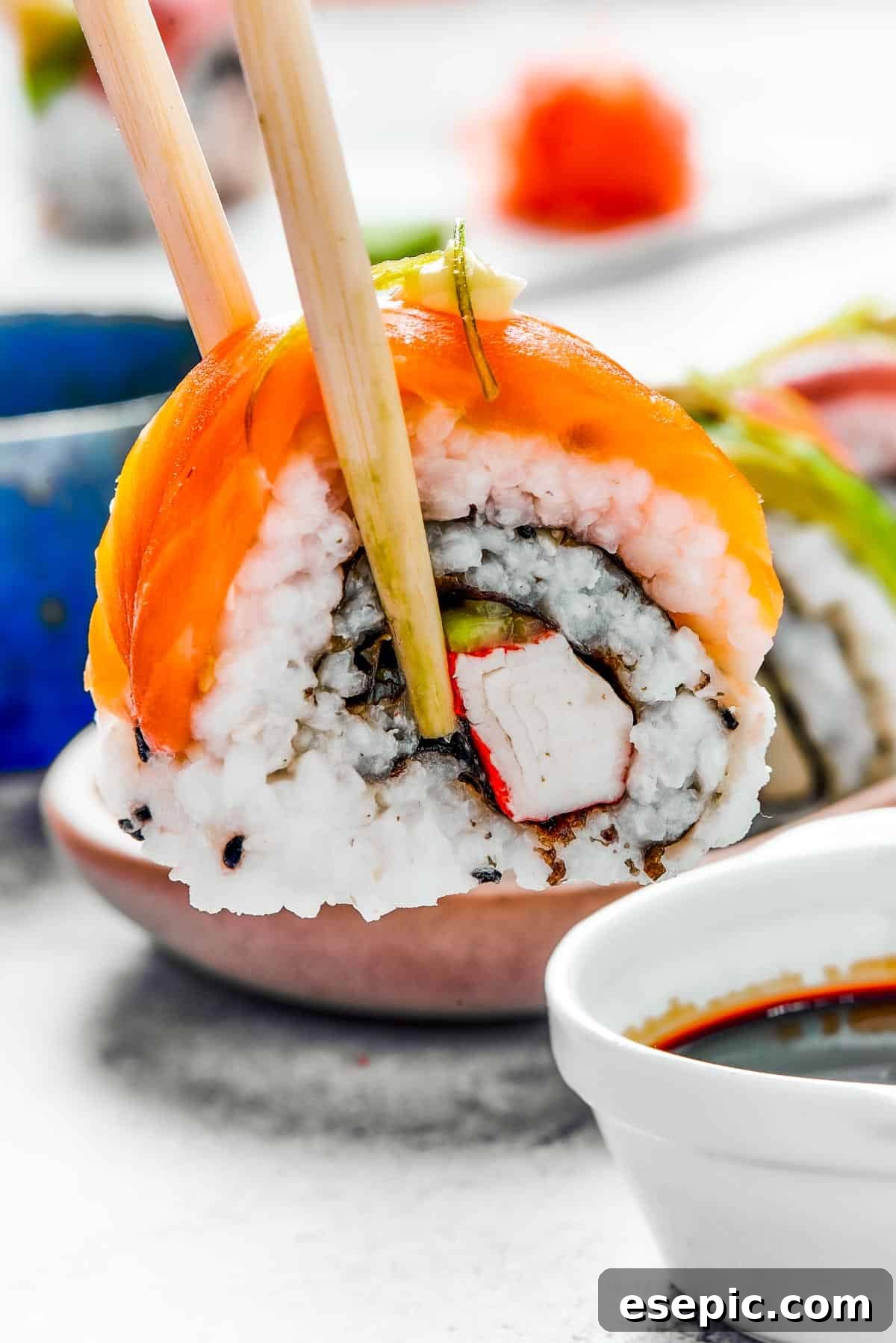
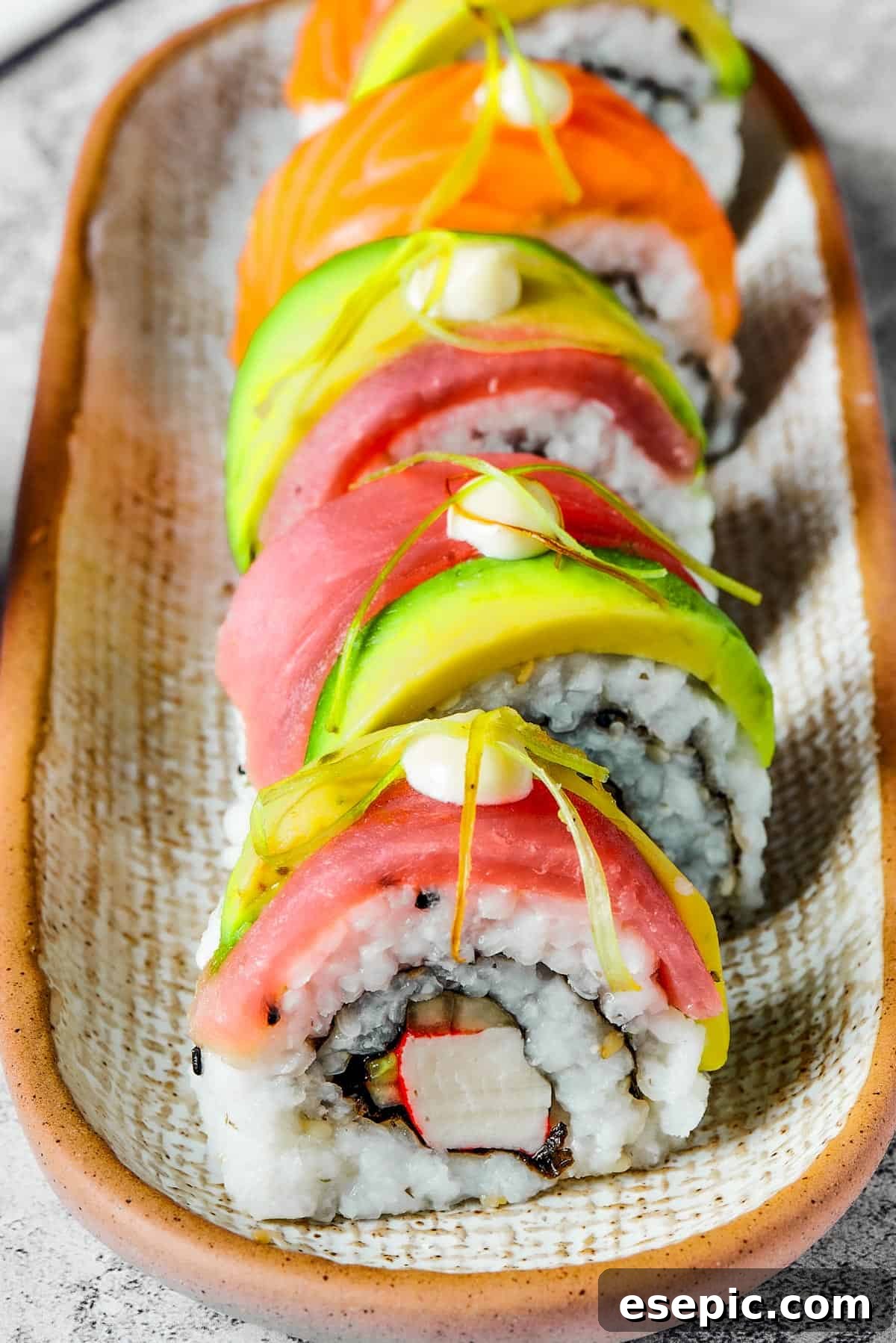
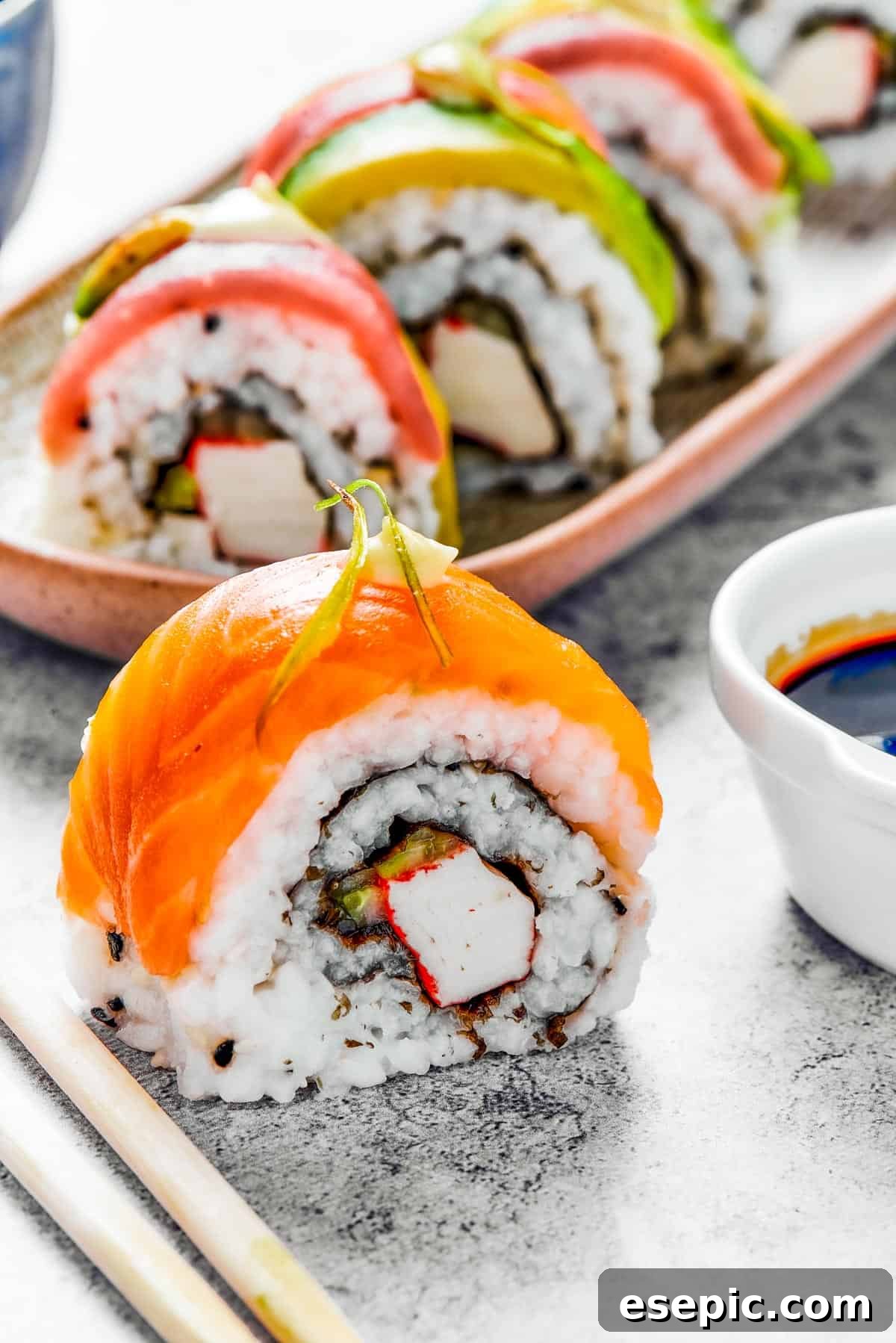
Crafted with premium salmon, succulent tuna, creamy avocado, and crisp cucumber, this exquisite Rainbow Roll is a true culinary delight – simpler to prepare than you might imagine, right in the comfort of your own kitchen!
Elevate your sushi experience with delightful twists. Consider incorporating sweet and savory teriyaki salmon for an extra layer of flavor, or pair your freshly made sushi with a side of crispy shrimp tempura to curate an authentic, restaurant-quality Japanese inspired meal at home.
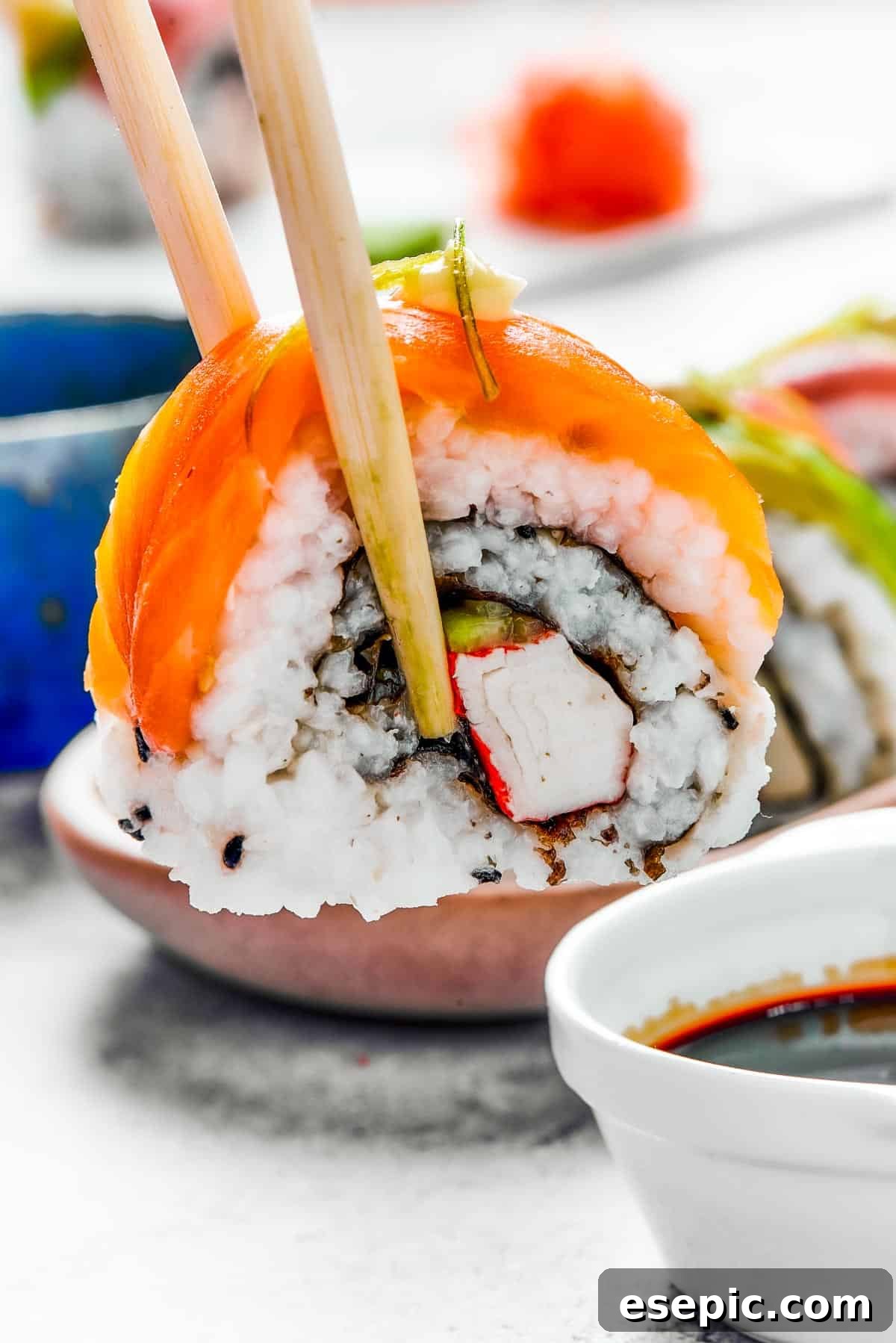
Experience Restaurant-Quality Sushi, Effortlessly at Home!
Sushi holds a special place among my favorite dining experiences when I’m out on the town. The sheer variety of flavors and textures available is truly astounding, and sushi always feels like a fresh, exciting choice. However, the pleasure of enjoying your favorite roll doesn’t always have to involve ordering takeout or waiting for delivery. With a little dedicated time and a handful of essential ingredients, you can easily replicate fantastic sushi in your very own kitchen.
Now, I’m not suggesting you can instantly whip up every complex gourmet roll in under an hour; some recipes certainly demand extensive labor and refined chef’s skills. But what if I told you that a beloved classic, the vibrant Rainbow Roll, is surprisingly simple to master at home? It’s a visually stunning dish that impresses with its colorful presentation and fresh flavors, yet its preparation is well within the reach of any home cook, even those new to sushi making. Imagine the satisfaction of presenting a platter of these beautiful rolls to family and friends, knowing you crafted them from scratch. It’s not just a meal; it’s an experience.
Understanding Rainbow Roll Sushi: Is It Raw?
A common question regarding Rainbow Rolls revolves around the raw nature of their ingredients. Typically, traditional Rainbow Rolls are indeed prepared with fresh, raw tuna and salmon. While creative variations featuring cooked fish or plant-based alternatives do exist, this particular recipe embraces the authentic, time-honored approach using raw, sushi-grade ingredients. Don’t let the idea of working with raw fish intimidate you; it’s a fundamental part of the sushi experience that becomes manageable with the right guidance. You absolutely do not need to be a seasoned sushi chef to create a stunning and safe Rainbow Roll. With careful ingredient selection and precise preparation steps, you’ll gain confidence in no time.
The beauty of the Rainbow Roll lies not only in its vibrant colors but also in the pristine freshness of its components. The raw salmon and tuna offer a melt-in-your-mouth texture and distinct oceanic flavors that are characteristic of high-quality sushi. Coupled with the creamy avocado and crisp cucumber, these ingredients create a harmonious balance that is both refreshing and deeply satisfying. Learning to prepare these elements correctly is key to unlocking the true potential of this classic sushi roll.
Essential Ingredients for Your Homemade Rainbow Roll
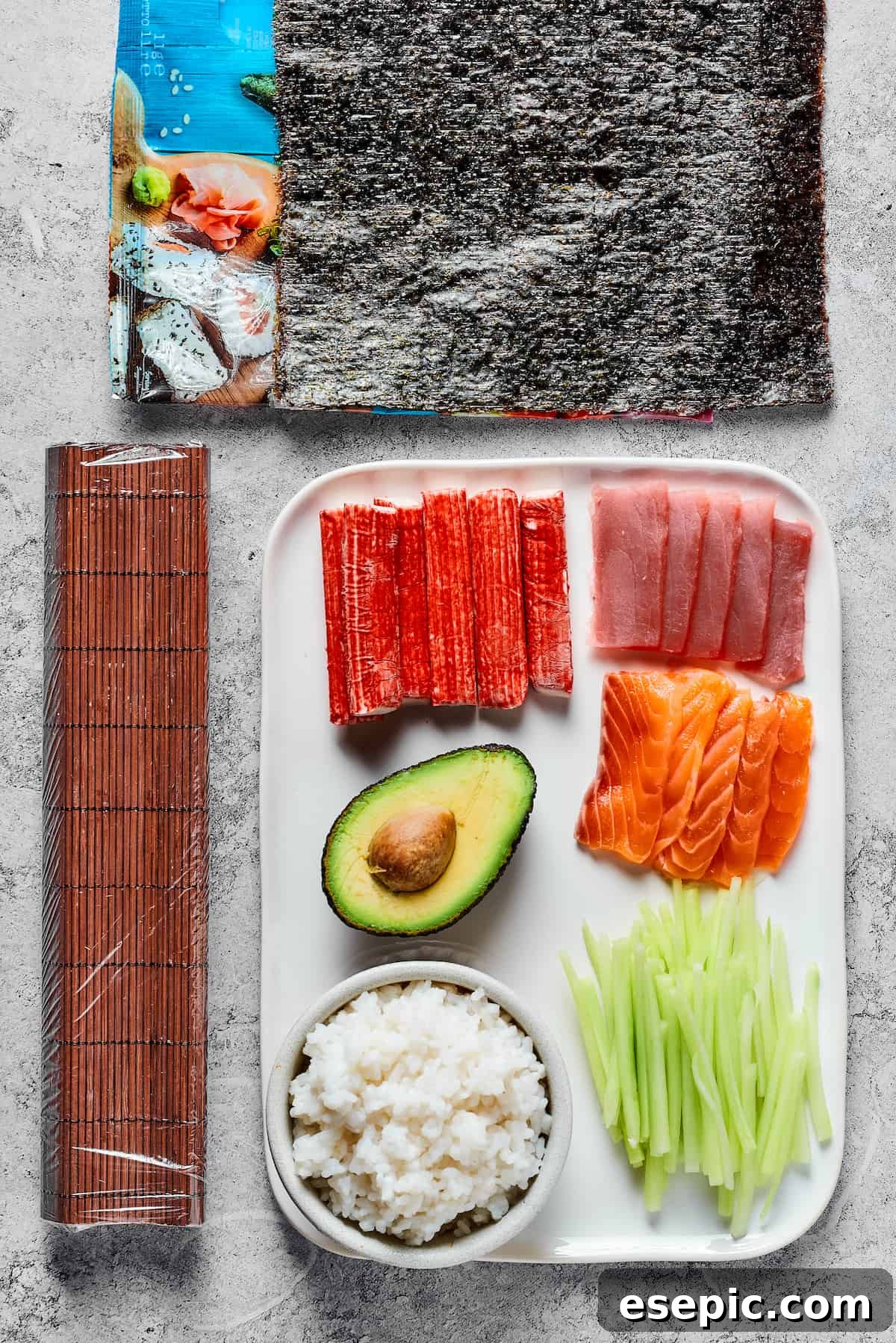
Despite its intricate appearance, crafting this beautiful Rainbow Roll requires only a few carefully selected ingredients. The secret lies in the quality and preparation of each component. Let’s delve into the full list and discuss what makes each ingredient indispensable for achieving that authentic sushi flavor and texture.
- Sushi Rice: This is the foundation of your roll, and getting it right is crucial. Before you begin assembling, ensure you have several ounces of properly prepared sushi rice ready. This involves cooking short-grain rice, then seasoning it with a mixture of rice vinegar, sugar, and salt. You can prepare it from scratch using a dedicated sushi rice recipe, or for convenience, purchase pre-packaged sushi rice from most well-stocked grocery stores or Asian markets. The ideal sushi rice should be slightly sticky, glossy, and perfectly seasoned, providing a subtle tang that complements the fish and vegetables.
- Sushi-Grade Salmon and Tuna: For this traditional recipe, a small amount of raw, fresh, and crucially, sushi-grade salmon and tuna is required. The term “sushi-grade” indicates that the fish has been handled and processed to be safe for raw consumption, often involving specific freezing protocols to eliminate parasites. Look for fish that is vibrant in color, firm to the touch, and has a clean, fresh smell. Avoid any fish that appears dull, slimy, or has an off-odor. Proper sourcing is paramount for both flavor and safety.
- Avocado: The creamy texture of avocado provides a wonderful contrast to the fresh fish and rice. When selecting avocados, aim for those that yield slightly to gentle pressure but are not overly soft or mushy. An avocado that’s too hard won’t have the desired creaminess, while one that’s too soft will be difficult to slice neatly and might impart an unpleasant texture. Its rich, buttery flavor is essential for a balanced Rainbow Roll.
- Nori: One standard sheet of dried nori (seaweed wrapper) forms the structural backbone of your sushi roll. Nori should be crisp, dark green, and slightly shiny. Its subtle salty, umami flavor enhances the overall taste profile of the sushi. When working with nori, ensure your hands are dry to prevent it from tearing or becoming soggy.
- Imitation Crabmeat (Surimi): Also known as surimi, imitation crabmeat adds a tender, slightly sweet, and savory element to the interior of the roll. It’s a popular and accessible ingredient for many homemade sushi recipes. Choose high-quality imitation crab sticks that are firm and flaky. While optional, it contributes to the classic flavor and texture combination of many popular rolls.
- Cucumber: Nothing quite compares to the refreshing, cool, and crisp crunch that cucumber brings to sushi. It offers a clean palate cleanser and a delightful textural contrast. Select firm, dark green cucumbers. Peeling them is optional, but often preferred for a smoother texture within the roll. Slice them into thin, even strips for easy rolling.
- Toasted Sesame Seeds: These tiny seeds are more than just a garnish; they add a crucial roasted nuttiness and a pleasant textural pop that elevates the entire dish. Toasting them beforehand enhances their flavor significantly. They provide a subtle yet distinctive finish to the exterior of your Rainbow Roll.
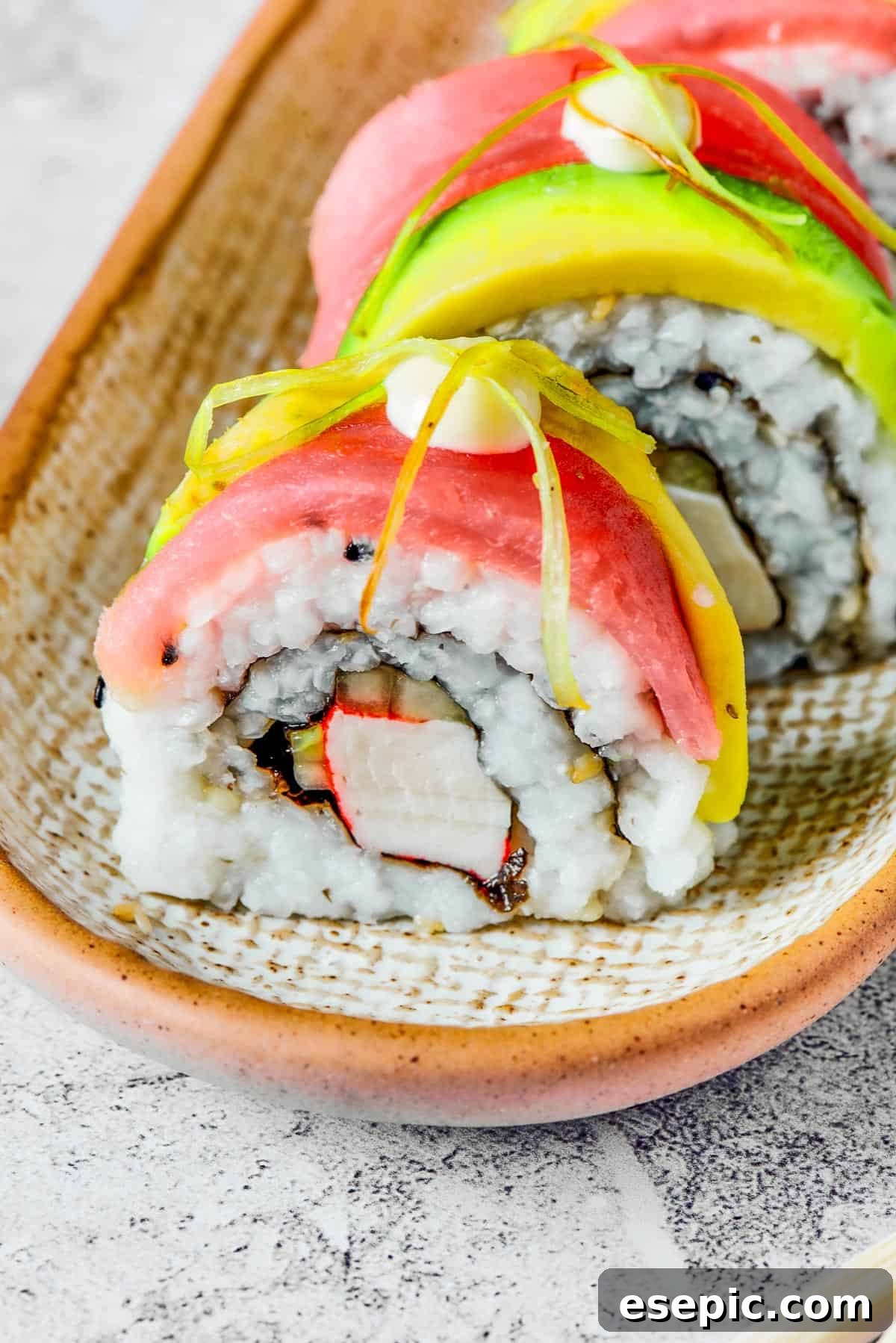
Can You Safely Use Grocery Store Fish for Sushi? Navigating Sushi-Grade Standards
When it comes to preparing sushi at home, the question of sourcing safe raw fish is paramount. In general, it is strongly advised against consuming any fish raw unless it has been explicitly labeled or designated as safe for raw consumption. This critical distinction is what sets “sushi-grade” or “sashimi-grade” fish apart from regular seafood you might find at the grocery store.
True sashimi and sushi-grade fish undergo specific processing to ensure its safety. This typically involves being flash-frozen to an ultra-low temperature for a precise duration. This rigorous freezing protocol is designed to eliminate potential parasites that can naturally occur in raw fish, which are otherwise harmful if ingested by humans. This step is extremely important for food safety and should never be overlooked.
So, how do you ensure you’re getting safe fish for your homemade Rainbow Roll? Here’s a good rule of thumb:
- Seek Reputable Fishmongers: Purchase your fish from a trusted, specialized fish market or a high-end grocery store with a dedicated seafood counter. These establishments often have knowledgeable staff who can guide you.
- Ask Questions: Don’t hesitate to ask the fishmonger if the fish is suitable for raw consumption (sushi or sashimi). Inquire about its origin, how it was handled, and if it has undergone proper freezing procedures.
- Look for Clear Labeling: Only buy fish that is clearly marked “sushi-grade,” “sashimi-grade,” or “for raw consumption.” If there’s no such label, assume it’s not safe to eat raw.
- Appearance and Smell: Even with proper labeling, always inspect the fish. It should look fresh, vibrant, and firm, with no discoloration or strong, fishy odor. A fresh fish should smell like the ocean, clean and mild.
- Avoid Regular Supermarket Fish: Most fish sold at a conventional supermarket seafood counter is intended for cooking and has not been processed to meet raw consumption safety standards. Even if it looks good, it’s not worth the risk.
Investing a little extra time and effort in sourcing your sushi-grade fish will not only ensure a delicious and authentic experience but, more importantly, guarantee the safety and well-being of those enjoying your homemade sushi.
Crafting Your Rainbow Roll: A Step-by-Step Guide
Assembling the Rainbow Roll is a process that’s both enjoyable and surprisingly straightforward. While professional sushi chefs make it look effortless, remember that perfection isn’t the goal for your first attempts. Even rolls that aren’t perfectly uniform will still look absolutely mouthwatering and taste incredible. Follow these steps for a smooth and successful sushi-making experience:
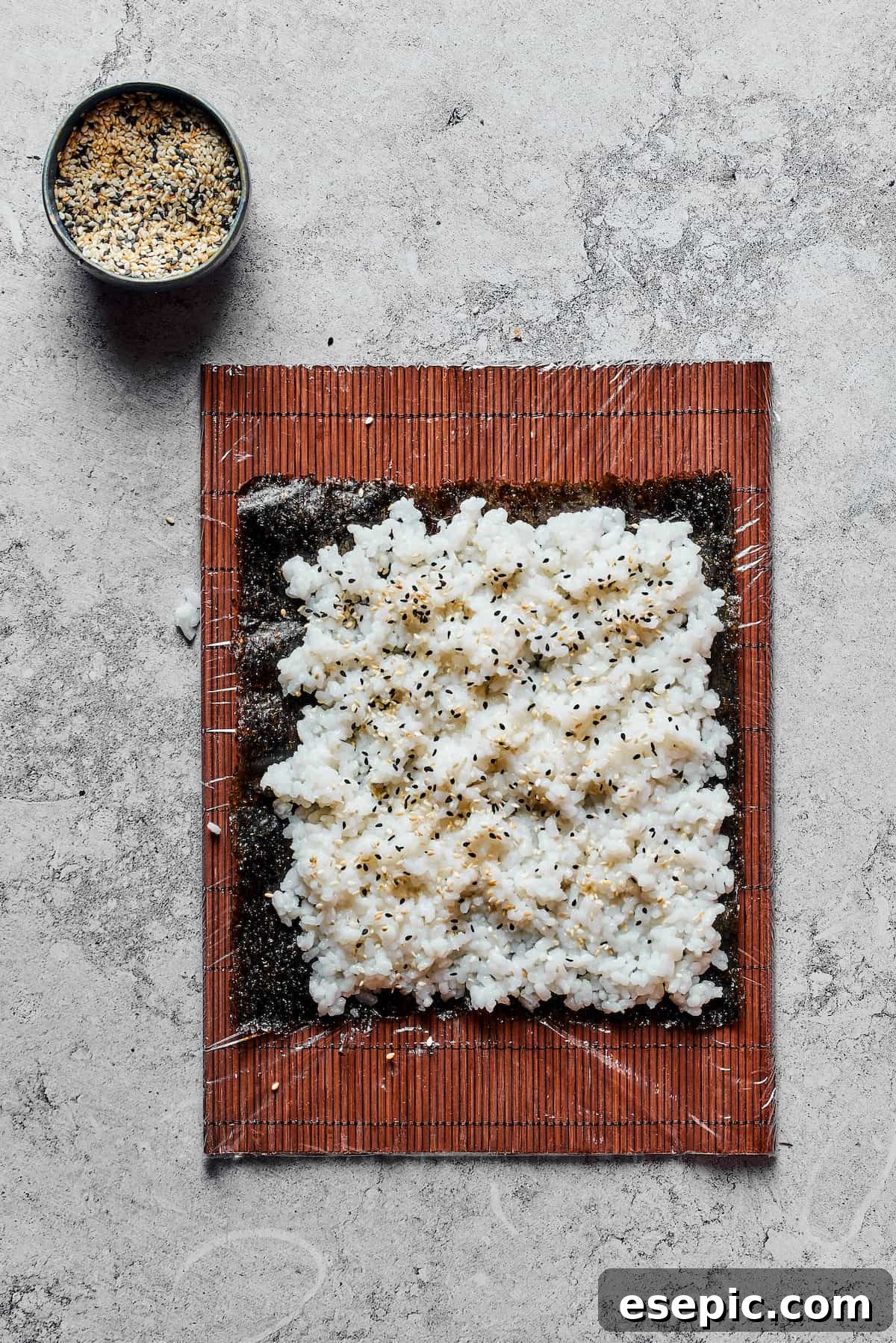
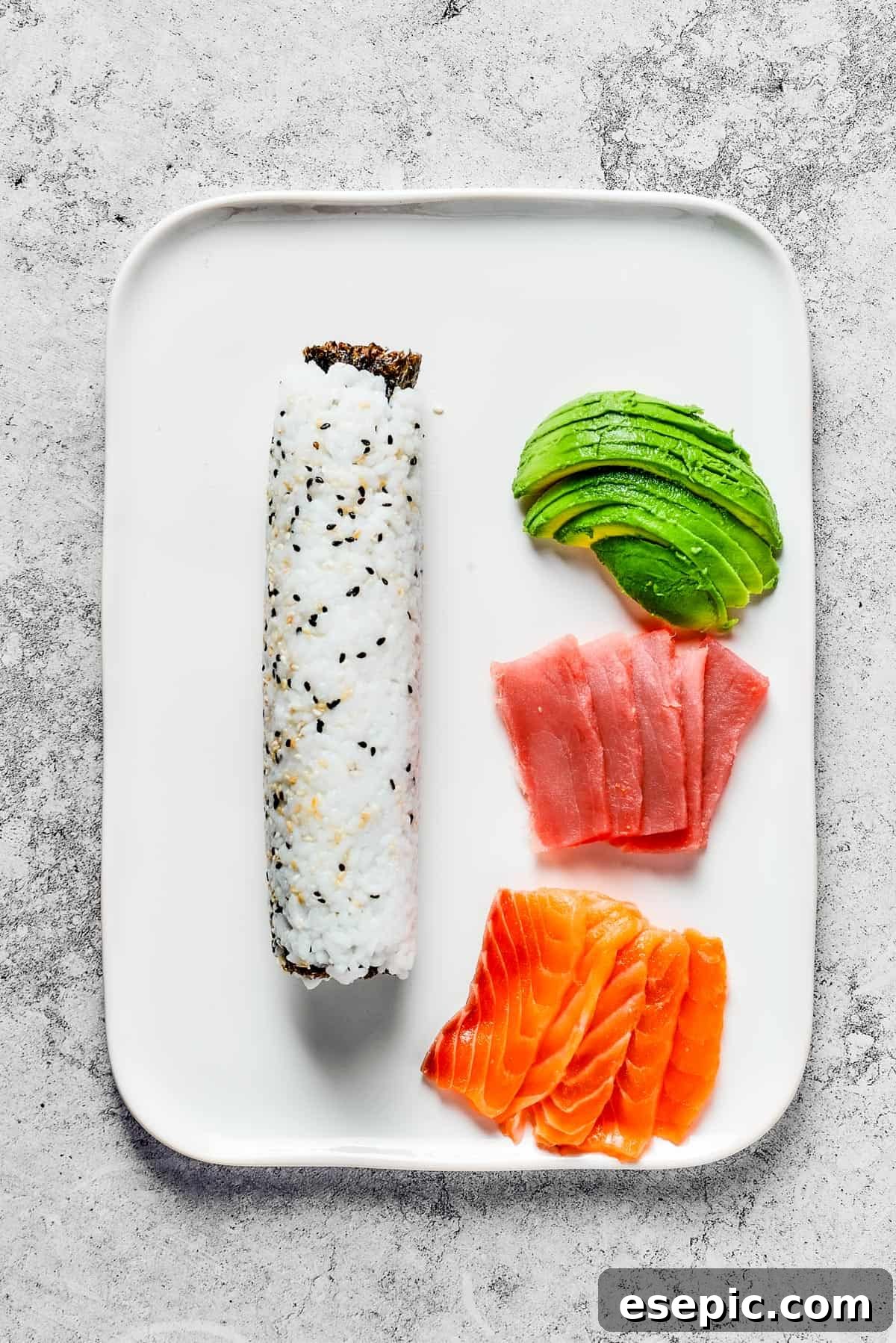
- Prepare Your Rolling Station and Base: Begin by laying a bamboo sushi mat (makisu) on a clean, stable food preparation surface. This mat is essential for rolling tightly. Next, place a sheet of nori seaweed, smooth side up, onto the bamboo mat. Gently spread your prepared sushi rice evenly over the nori, ensuring a thin, consistent layer that covers almost the entire sheet, leaving a small border at the top edge. Sprinkle generously with toasted sesame seeds. Carefully flip the nori sheet over so the rice layer is now face down on the bamboo mat. This “inside-out” method is typical for Rainbow Rolls, allowing the vibrant toppings to be on the exterior.
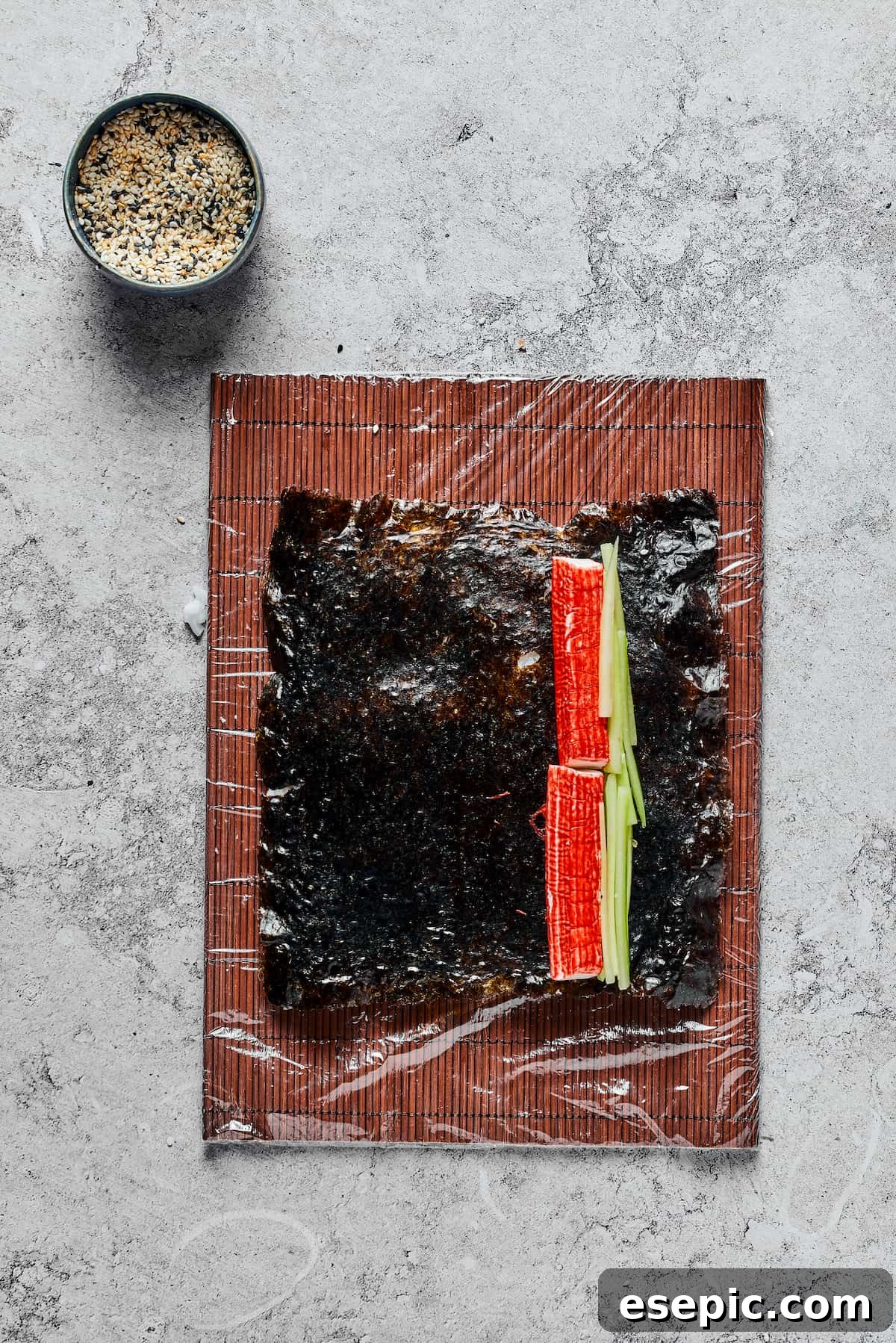
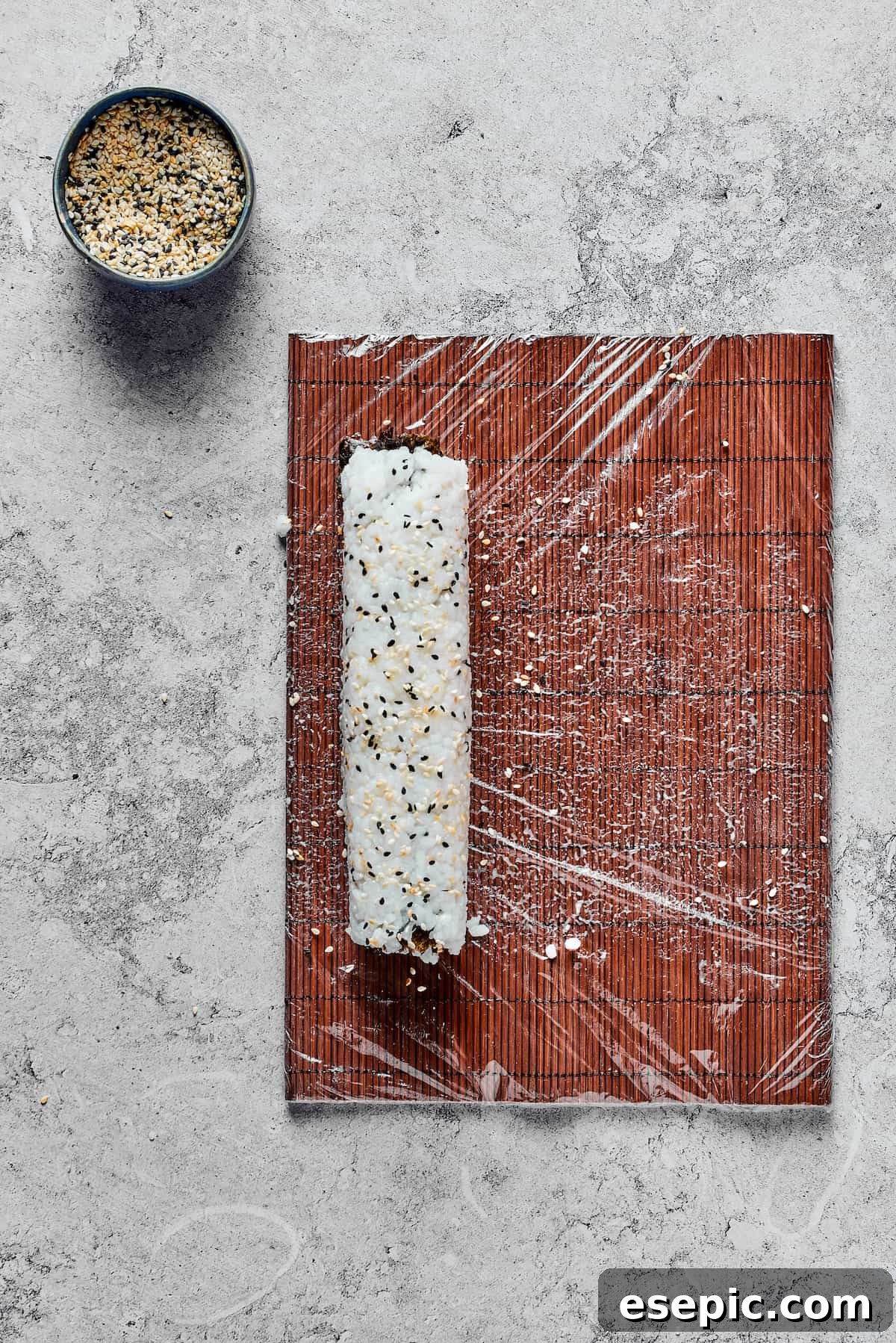
- Fill the Core of the Rainbow Roll: Along the bottom third of the rice-covered nori sheet, arrange the imitation crabmeat and cucumber slices lengthwise. Position them close to the edge of the mat nearest to you. This is the inner core of your roll. To begin rolling, place your thumbs on the sides of the bamboo mat closest to you, while simultaneously using your fingers to hold the crab and cucumber fillings in place. Gently but firmly lift the edge of the mat and roll it forward, pressing down slightly to ensure a tight cylinder. Roll completely until you reach the top edge, sealing the roll with gentle pressure.
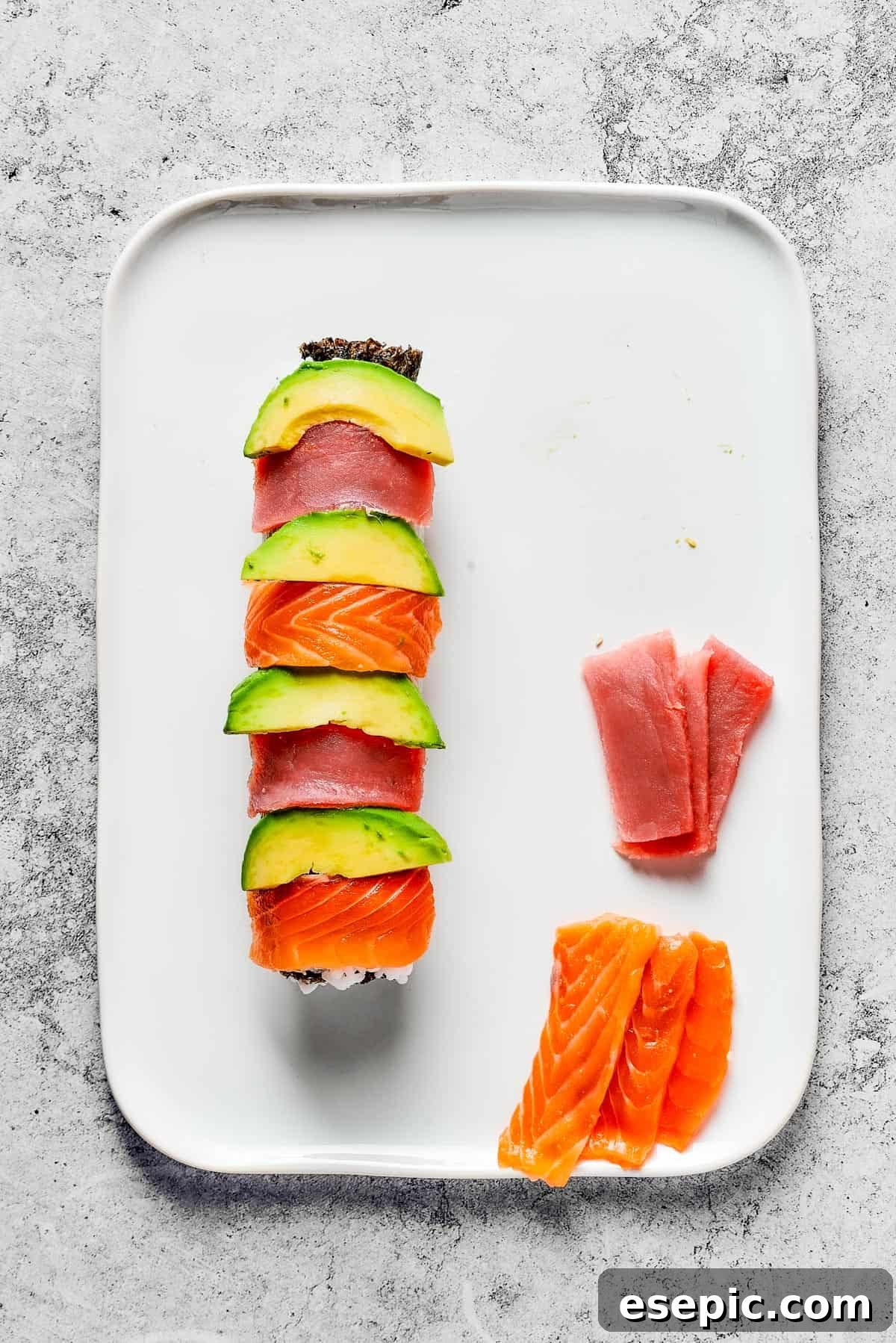
- Prepare and Arrange the “Rainbow” Toppings: Now for the captivating “rainbow” layer! Prepare your sushi-grade tuna, salmon, and avocado by slicing them very thinly – aim for slices approximately 0.1 inches thick, similar to the thickness of sashimi. Precision here contributes to the elegant appearance. Carefully arrange these thinly sliced ingredients on top of the rolled sushi, alternating colors to create the distinctive rainbow effect. Overlap them slightly for a full, rich topping.
- Secure the Toppings and Slice the Roll: Once your vibrant toppings are artfully arranged, use the bamboo mat once more. Gently place the mat over the topped roll and apply light, even pressure to gently roll and squeeze the toppings onto the sushi roll. This helps them adhere securely without deforming the roll. Next, using a very sharp, moistened knife, cut the sushi roll into 6 equal pieces. A sharp knife is crucial to achieve clean cuts without crushing or bending the roll. Wipe the knife blade with a damp cloth between cuts to prevent sticking.
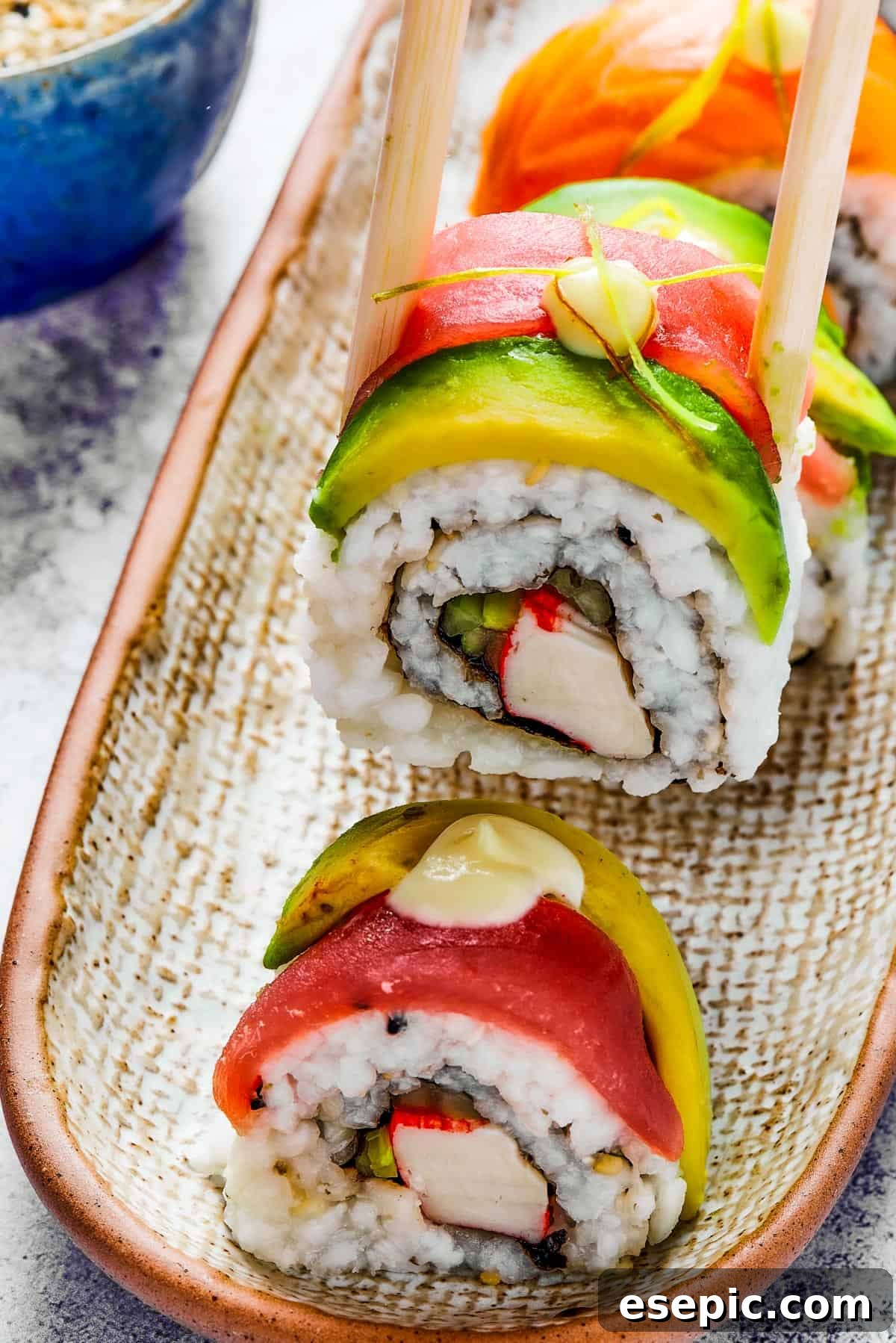
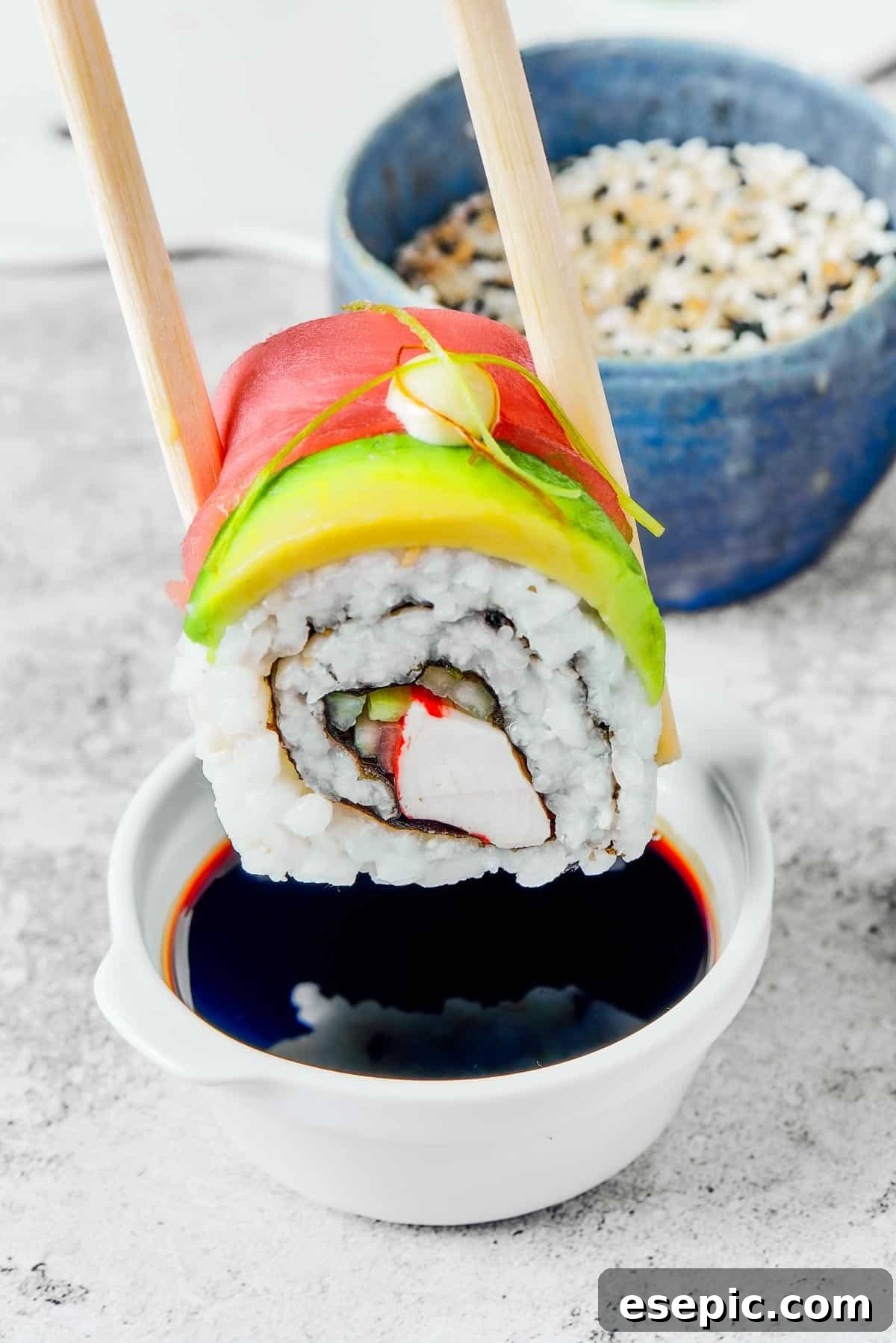
- Serve and Savor: Artfully arrange the freshly cut sushi pieces on a serving plate. For an authentic touch, you can add a very small dab of Japanese mayonnaise on each piece, or serve it on the side. Present your masterpiece with traditional accompaniments: soy sauce for dipping, a dollop of pungent wasabi for a kick, and delicate slices of pickled ginger to cleanse the palate between bites. Enjoy the delightful blend of flavors and textures you’ve created!
Mastering Your Homemade Rainbow Roll: Expert Tips
If you’re embarking on your sushi-making journey for the first time, don’t let any apprehension hold you back! These straightforward tips will help you navigate the process with ease, ensuring you make the most of this simple yet impressive recipe. Get ready for some happy sushi-rolling!
- Keep Your Hands Moist: Sushi rice is famously sticky, which can make spreading and rolling a bit challenging. A pro tip is to lightly moisten your hands with water (or even a little seasoned rice vinegar water) as you handle the rice and shape your sushi. This prevents the rice from clinging to your fingers, allowing for smoother manipulation and a cleaner roll. Have a small bowl of water nearby for quick dips.
- Introduce a Splash of Sweetness with Mango: For an extra burst of tropical flavor and an even more vibrant splash of color in your roll, consider layering in some thin slices of fresh, ripe mango alongside your other fillings. The sweetness of the mango beautifully complements the savory fish and creamy avocado, adding an unexpected but delightful dimension to your Rainbow Roll.
- Elevate with a Spicy Drizzle: If you enjoy a little heat, a simple spicy sauce can transform your roll. Create a scrumptious spicy twist by mixing sriracha with Japanese mayonnaise (Kewpie mayonnaise is ideal for its rich, tangy flavor) until you reach your desired level of spice and consistency. Drizzle this creamy, spicy mixture over the top of your finished sushi pieces just before serving. It adds a dynamic kick that sushi enthusiasts often adore.
- Invest in a Good Knife: As mentioned in the instructions, a very sharp knife is absolutely essential for cutting sushi. A dull knife will tear and smush your beautifully rolled sushi, ruining its presentation and texture. If your knife isn’t razor-sharp, take a moment to sharpen it before you begin. A long, thin blade is ideal for clean, precise cuts.
- Don’t Overstuff Your Roll: It’s tempting to load up your sushi with lots of ingredients, but resist the urge to overfill. Too many ingredients will make the roll difficult to close and prone to falling apart. Aim for a balanced amount of filling that allows you to roll it tightly and cleanly.
- Practice Makes Perfect: Your first roll might not be magazine-perfect, and that’s completely okay! Sushi making is a skill that improves with practice. Don’t be discouraged by imperfections. Each roll will teach you something new about handling the rice, the nori, and the rolling technique.
Delightful Serving Suggestions for Your Rainbow Roll
Sushi is incredibly versatile and pairs wonderfully with a variety of side dishes, enhancing the overall dining experience. These easy recipes feature savory pan-Asian flavors that beautifully complement your homemade Rainbow Roll and are simple to prepare at home, allowing you to create a complete and cohesive meal.
- Crispy Shrimp Tempura: Lightly battered and fried shrimp are a beloved Japanese restaurant staple that adds a delightful crunch and savory flavor to any meal. Making your own Shrimp Tempura at home is easier than you think, and the result is a truly addictive side dish. The tender, juicy shrimp encased in a delicate, airy batter provides a satisfying textural contrast to the soft sushi rolls.
- Golden Veggie Spring Rolls: For a lighter, yet equally flavorful accompaniment, consider these Golden Veggie Spring Rolls. They are a family-pleasing side dish that is wonderfully light, irresistibly crispy, and packed with a medley of nutritious vegetables. They offer a refreshing counterpoint to the richer flavors of the sushi and tempura, making your meal feel balanced and vibrant.
- Comforting Egg Drop Soup: Perfect as a warm starter or a comforting light side dish, Egg Drop Soup is both nourishing and incredibly simple to prepare. This silky, savory soup features delicate wisps of egg cooked in a clear, flavorful broth, often seasoned with ginger and scallions. Its gentle flavors are an excellent prelude to the bolder tastes of sushi, and it adds a touch of soothing warmth to your Japanese-inspired feast. Make this comforting soup yourself and discover its effortless charm!
Storing Leftover Rainbow Roll Sushi Properly
While sushi is undeniably at its best when enjoyed fresh, sometimes you might find yourself with a few delicious pieces left over. If you don’t manage to eat all of your Rainbow Roll immediately, you can safely store it in the refrigerator for a limited time. To ensure optimal freshness and, more importantly, food safety, follow these guidelines:
- Refrigeration is Key: Leftover sushi should be stored in the refrigerator for no more than 24 hours. This strict timeframe is crucial due to the raw fish and delicate nature of the rice.
- Airtight Packaging: To prevent the sushi from drying out and absorbing odors from other foods, wrap the pieces tightly in plastic wrap or store them in an airtight container. This helps maintain the texture of the rice and the freshness of the fish and vegetables.
- Prompt Storage: For the safest consumption, aim to get your leftover sushi into the refrigerator no more than an hour after it has been made and served. Leaving raw fish at room temperature for extended periods significantly increases the risk of bacterial growth.
- Do Not Reheat: Sushi is meant to be eaten cold or at room temperature. Reheating sushi, especially with raw fish, is not recommended as it can compromise the texture, flavor, and safety of the ingredients.
Always trust your senses. If leftover sushi looks discolored, smells off, or has a slimy texture, it’s best to err on the side of caution and discard it. Enjoying freshly made sushi is always the preferred option, but with proper storage, you can safely savor your delicious homemade Rainbow Rolls for a little longer.
Freezing Rainbow Roll Sushi: Is It Advisable?
- While technically it is possible to wrap sushi tightly and freeze it for a very short period, I strongly advise against freezing your homemade Rainbow Roll. The primary reason for this recommendation lies in the delicate nature of sushi rice and the fresh ingredients. Upon freezing and subsequent thawing, the rice tends to become dry, hard, and loses its characteristic sticky, yet tender, texture. Moreover, the raw fish and fresh vegetables can also suffer textural degradation, becoming mushy or watery. Additionally, the structural integrity of the rolls often diminishes after freezing, making them more prone to falling apart. To truly appreciate the nuanced flavors and textures of this dish, it is unequivocally best enjoyed freshly made. Freezing simply compromises the quality that makes sushi so enjoyable.
Rainbow Roll Sushi Recipe
by Katerina | Easy Weeknight Recipes
Prepared with succulent salmon, tuna, creamy avocado, and crisp cucumber, this delightful Rainbow Roll is simple, scrumptious, and easy to create in your own kitchen!
Prep Time: 25 minutes
Total Time: 25 minutes
Servings: 2
Ingredients
For the Rainbow Rolls:
- 4 ½ ounces prepared sushi rice
- 2 to 4 thin slices sushi-grade salmon, raw and fresh
- 2 to 4 thin slices sushi-grade tuna, raw and fresh
- 1 avocado, sliced thinly (the same thickness as the fish)
- 1 piece nori seaweed sheet
- 2 pieces imitation crabmeat
- 1 cucumber, peeled and sliced lengthwise
- 1 tablespoon sesame seeds, toasted
For Serving:
- Soy sauce
- Wasabi
- Pickled ginger
- Japanese mayonnaise
Instructions
- On your work surface, lay a sheet of nori seaweed, smooth side up, on a bamboo sushi mat.
- Spread the rice evenly over the nori, sprinkle with sesame seeds, and then turn over the nori sheet so that the rice is now on the bottom.
- Place the imitation crab meat lengthwise, along with the cucumber slices, toward the bottom third of the roll.
- Place your thumbs on the sides of the bamboo mat closest to you, and your fingers on the toppings to hold them in place. Roll it up tightly.
- Prepare your tuna, salmon, and avocado by slicing them thinly (approximately 0.1 inches). Arrange them artfully on top of the sushi roll to create a “rainbow.”
- Using the bamboo mat, gently roll the toppings onto the sushi roll, applying light pressure to secure them.
- Using a very sharp knife (moistened if necessary), cut the sushi roll into 6 pieces.
- Arrange the sushi pieces on a serving plate, adding a very small amount of Japanese mayonnaise if desired.
- Serve immediately with soy sauce, wasabi, and pickled ginger.
Nutrition
Calories: 353kcal | Carbohydrates: 26g | Protein: 18g | Fat: 21g | Saturated Fat: 3g | Polyunsaturated Fat: 4g | Monounsaturated Fat: 12g | Cholesterol: 34mg | Sodium: 53mg | Potassium: 1020mg | Fiber: 9g | Sugar: 3g | Vitamin A: 346IU | Vitamin C: 15mg | Calcium: 82mg | Iron: 2mg
Nutritional info is an estimate and provided as courtesy. Values may vary according to the ingredients and tools used. Please use your preferred nutritional calculator for more detailed info.
Discover More Delectable Seafood Recipes
If you enjoyed crafting and savoring this Rainbow Roll, you’re in for a treat with these other fabulous seafood recipes. Expand your culinary repertoire with these diverse and flavorful dishes, perfect for any weeknight or special occasion.
- Blackened Balsamic Tuna Steaks: A robust and flavorful dish featuring perfectly seared tuna steaks with a rich balsamic glaze.
- Salmon Florentine: Elegant and savory, this recipe combines flaky salmon with a creamy spinach sauce, making for a sophisticated yet easy meal.
- Crab Cake Sliders: Bite-sized portions of crispy, tender crab cakes served on slider buns, perfect for appetizers or a light meal.