
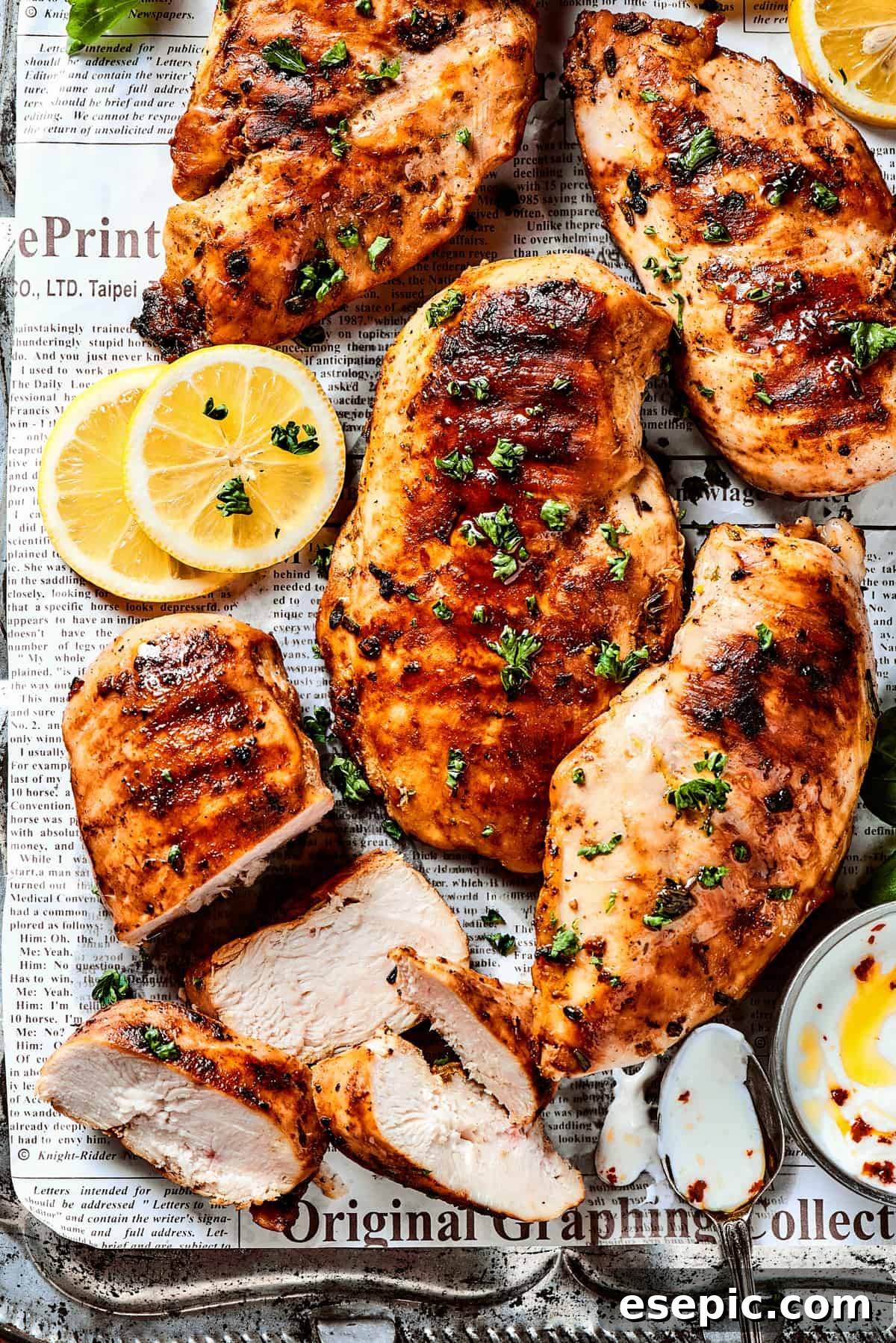
Unlock the secret to an effortlessly gourmet meal with our sensational Lemon Chicken recipe. This dish is a true celebration of fresh, vibrant flavors, combining succulent chicken breasts with the bright tang of lemon, aromatic garlic, pungent black pepper, and a medley of fresh herbs. It’s a symphony of tastes that promises to tantalize your palate and become an instant favorite in your kitchen.
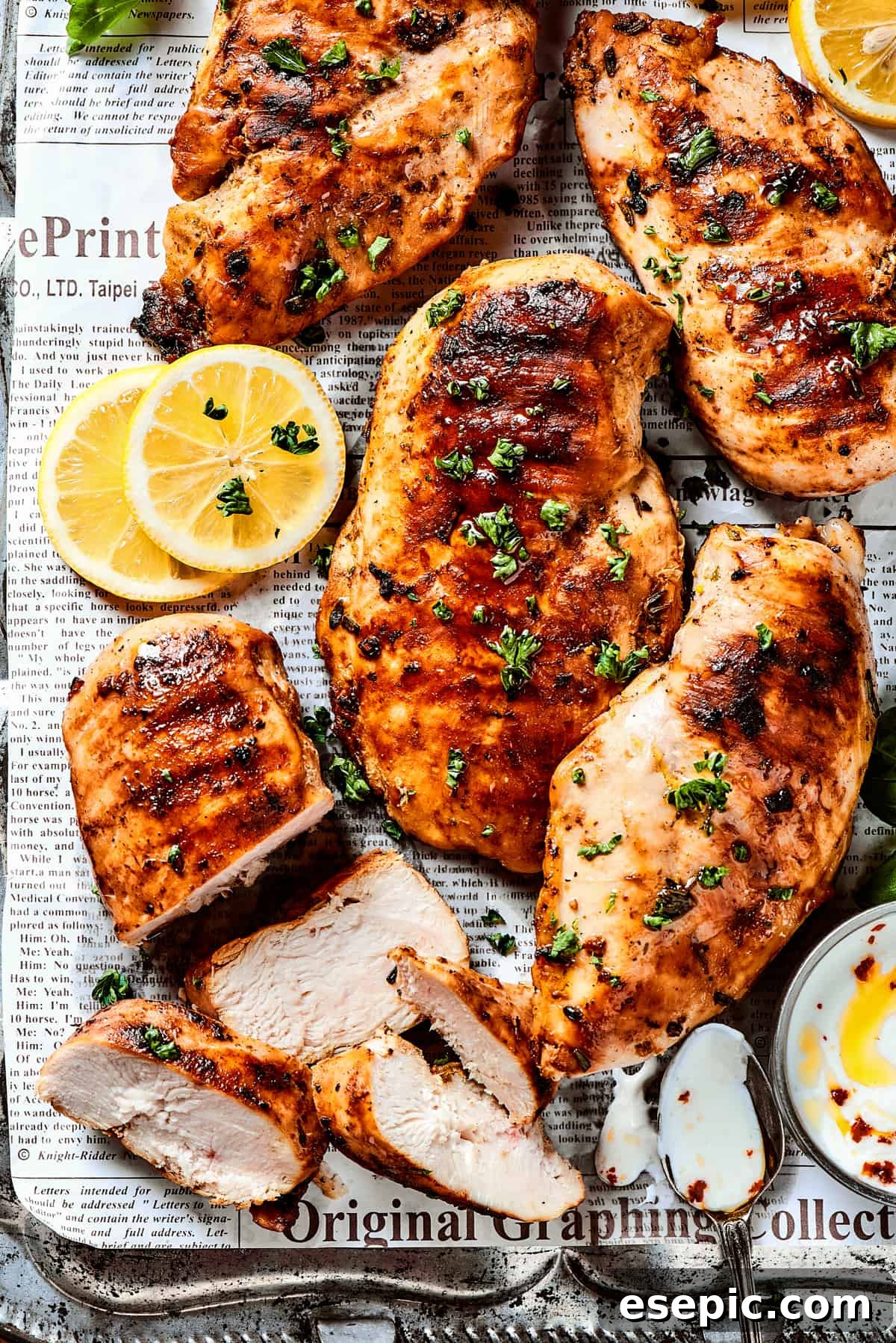
Discover Your New Favorite: Fresh and Zesty Lemon Chicken
Lemon chicken might sound deceptively simple, but prepare to be amazed by this recipe’s incredible depth of flavor and ease of preparation. This isn’t just another chicken dish; it’s a vibrant, wholesome, and utterly delicious experience. We’re talking about perfectly juicy, lean chicken breasts, meticulously marinated in a dazzling concoction of fresh lemon juice, robust black pepper, fragrant garlic, and a generous blend of garden-fresh herbs. The result is a chicken that’s tender, bursting with citrusy brightness, and wonderfully savory.
What truly sets this recipe apart is its convenience. Forget about lengthy marination times that require hours of planning. Our lemon chicken only needs a quick 30-minute soak to absorb all those incredible flavors, making it an ideal choice for busy weeknights. However, if you have a little more time, you can extend the marination up to two hours for an even more intense taste. Whether it’s a spontaneous weeknight dinner, a relaxed weekend meal, or even a sophisticated dinner party, this lemon chicken recipe fits seamlessly into any occasion. Give it a try, and you’ll quickly understand why it’s poised to become your go-to method for preparing chicken breast.
The Magic of Lemon in Your Chicken Marinade
Lemon juice is truly a powerhouse ingredient when it comes to marinades, offering a dual benefit that elevates chicken to new heights. Firstly, it infuses the meat with a distinctive fresh and bright zest that awakens the palate and adds incredible aromatic depth. This citrusy note cuts through the richness of the chicken, creating a perfectly balanced flavor profile that is both invigorating and satisfying.
Beyond its unparalleled flavor contribution, lemon juice acts as a natural and highly effective tenderizer. The acidity in the lemon gently breaks down the tough protein fibers in the chicken, resulting in meat that is exceptionally tender and unbelievably juicy. This acidic breakdown ensures that your chicken breasts, often prone to drying out, remain moist and succulent. However, this tenderizing power also means you need to exercise caution: over-marinating can cause the chicken to break down too much, leading to a mushy or mealy texture. For optimal results, a marination period of 30 minutes to 2 hours is ideal, striking the perfect balance between flavor infusion and tenderization without compromising texture. This precise timing is key to achieving that melt-in-your-mouth perfection.
The Essential Ingredients for Your Perfect Lemon Chicken
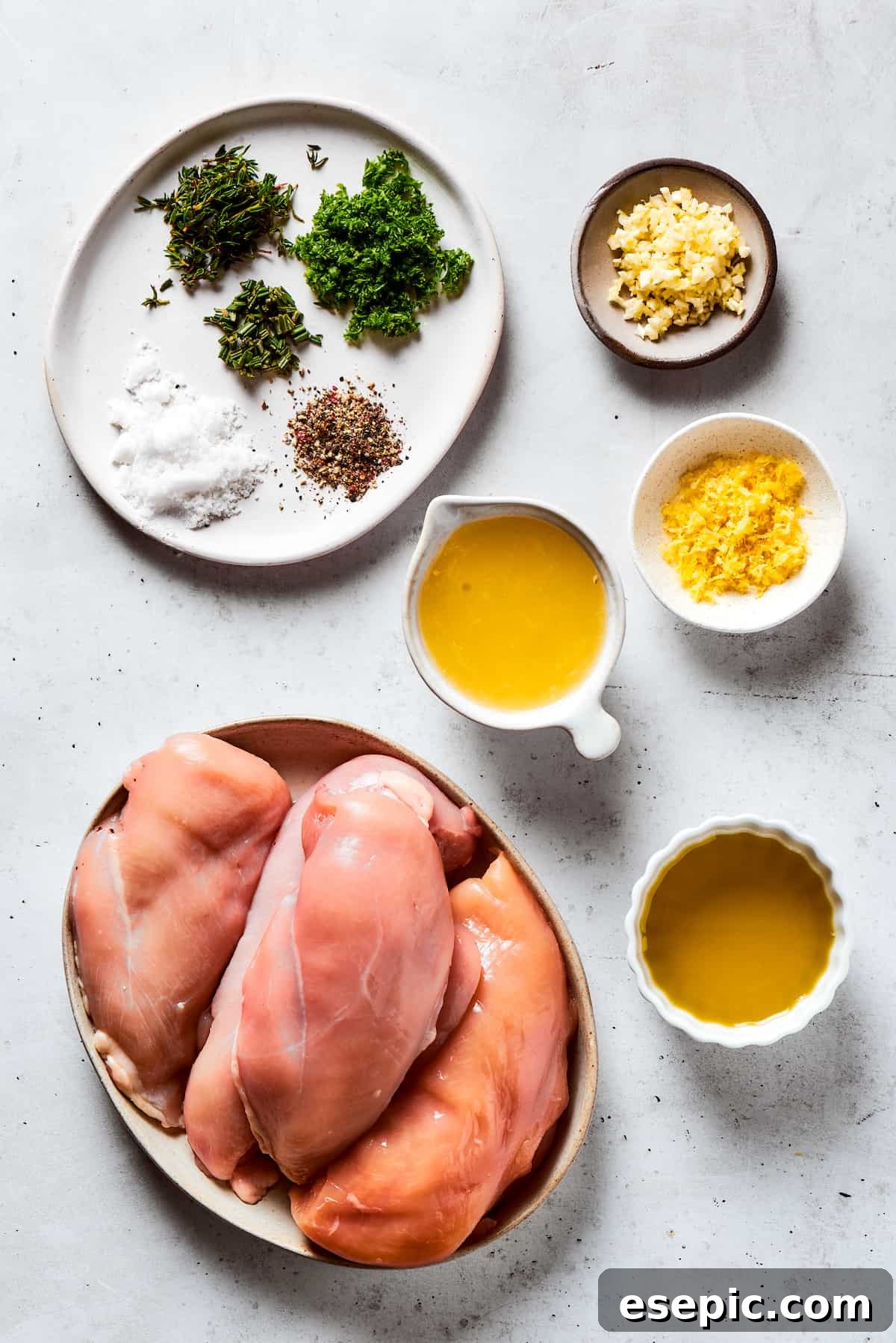
For the most authentic and vibrant flavors, I always advocate for using the freshest ingredients possible in this marinade. However, life happens, and if you need to make a substitution, rest assured, your lemon chicken will still be incredibly delicious. Here’s a closer look at the key components:
- Lemon Juice: The star of the show! Freshly squeezed lemon juice offers an unparalleled bright, zesty flavor that bottled versions simply can’t match. If using bottled, ensure it’s 100% lemon juice without added sugars. Consider adding a touch of lemon zest for an even more intense citrus aroma and flavor.
- Olive Oil: A good quality extra virgin olive oil forms the base of our marinade, helping to emulsify the ingredients and coat the chicken beautifully. It also contributes to the richness and tender texture of the cooked chicken.
- Garlic: Freshly minced garlic is non-negotiable for its pungent, aromatic kick. If you find mincing tedious, a garlic press can be a real time-saver. Avoid garlic powder if possible; the fresh cloves provide a much deeper and more complex flavor.
- Fresh Herbs: This recipe truly shines with the inclusion of fresh rosemary, thyme, and parsley. These herbs contribute earthy, peppery, and fresh notes that complement the lemon beautifully. If fresh herbs aren’t available, dried herbs can be used; remember that dried herbs are more concentrated, so use about one-quarter to one-third of the fresh herb amount (e.g., 2 teaspoons fresh = 0.5-0.75 teaspoon dried). Always remove any tough stems from fresh herbs before chopping.
- Salt and Pepper: Basic yet crucial. Kosher salt or sea salt is recommended for seasoning the chicken, enhancing all the other flavors. Freshly ground black pepper adds a pleasant warmth and subtle spice that ties the whole dish together. Adjust to your taste preferences.
- Chicken Breast: Opt for boneless, skinless chicken breasts. For even cooking and maximum tenderness, consider pounding the thicker parts of the chicken breasts to an even ½ to ¾-inch thickness. This ensures every bite is perfectly cooked and juicy.
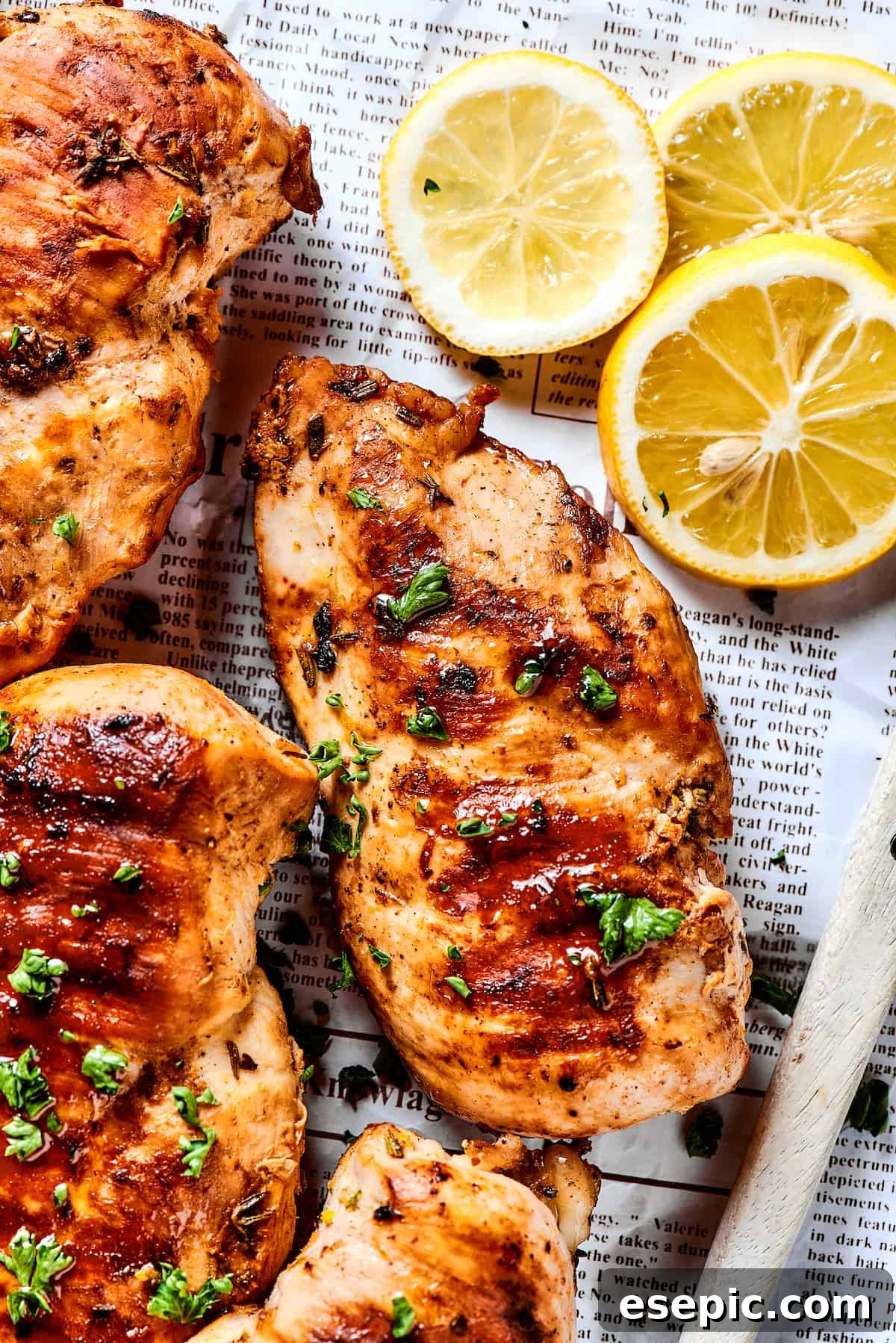
Step-by-Step Guide to Pan-Seared Lemon Chicken Perfection
Crafting this incredible lemon chicken is a straightforward process, perfect for a relaxed dinner or efficient meal prep. Follow these simple steps to achieve tender, flavorful results every time:
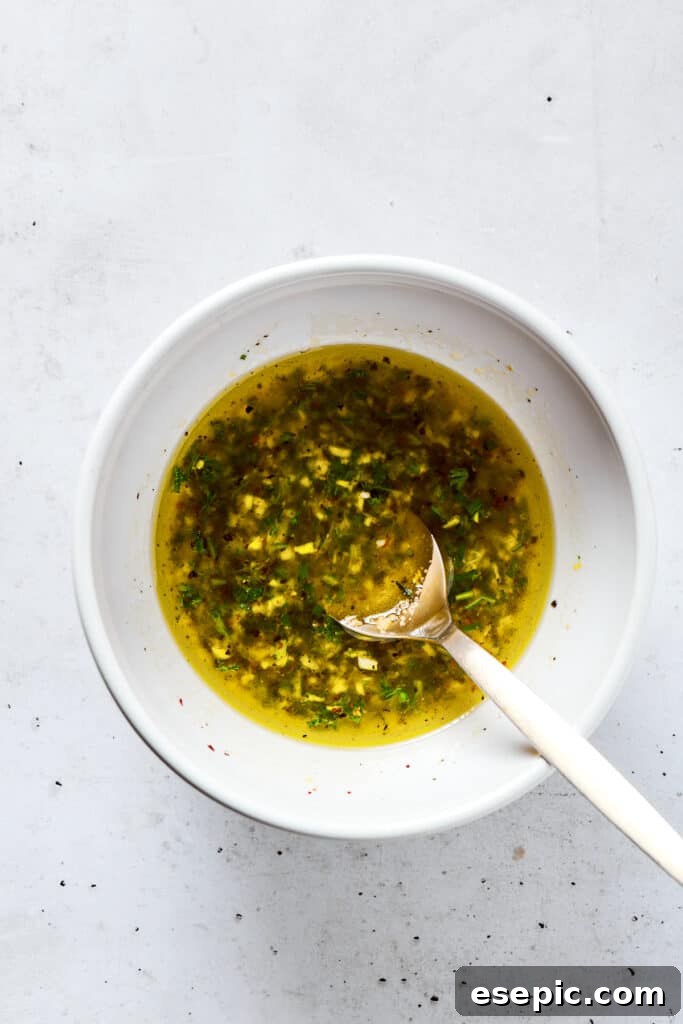
- Prepare the Flavorful Marinade: Begin by gathering all your marinade ingredients. In a small mixing bowl, combine the fresh lemon juice, rich olive oil, finely minced garlic, a delightful mix of chopped fresh rosemary, thyme, and parsley, along with a pinch of salt and a generous grind of fresh black pepper. Whisk these ingredients vigorously until they are thoroughly combined and emulsified. This creates the flavor foundation for your chicken.
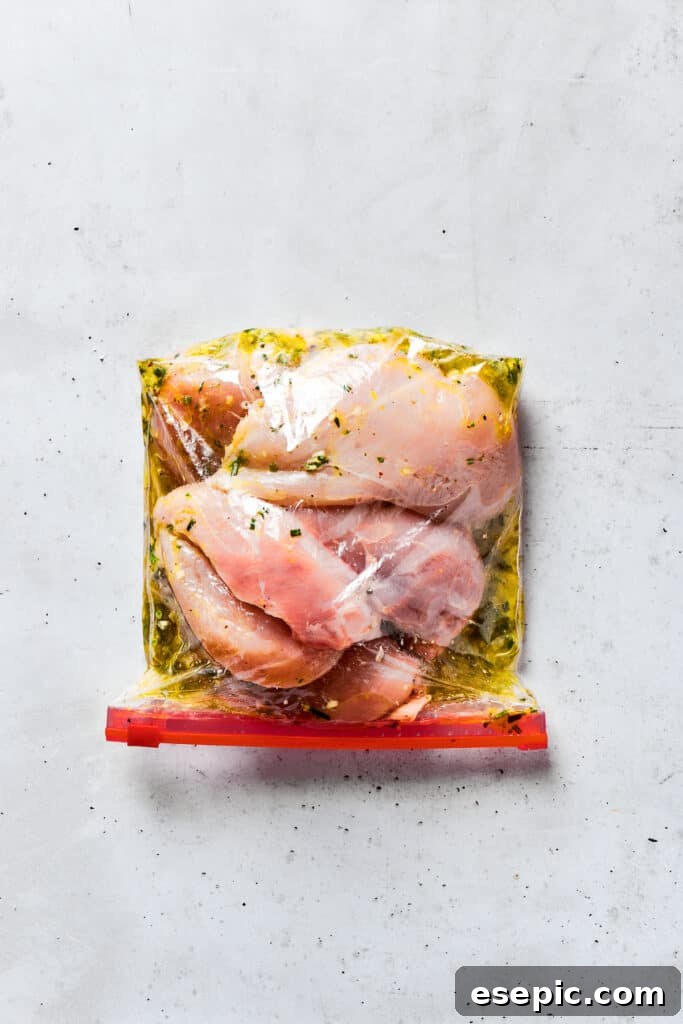
- Marinate the Chicken to Perfection: Next, place your boneless, skinless chicken breasts into a large, sturdy zip-top bag. Carefully pour the prepared marinade over the chicken, ensuring each piece is fully coated. Seal the bag tightly, pressing out any excess air, and gently massage the chicken to distribute the marinade evenly. Transfer the bag to the refrigerator and allow the chicken to marinate for a minimum of 30 minutes. For a deeper flavor penetration and enhanced tenderness, you can extend this marination period up to 2 hours, but avoid going beyond this to prevent the chicken from becoming mushy.
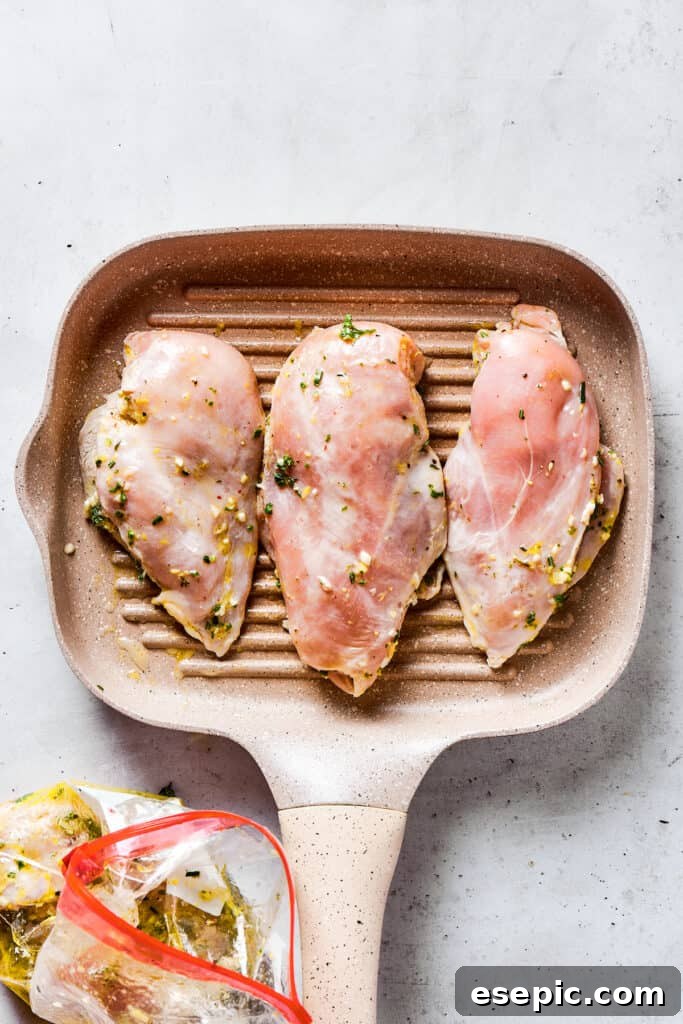
- Pan-Sear the Chicken Breasts: When you’re ready to cook, retrieve the chicken from the refrigerator. Place a large skillet over medium-high heat and add 2 tablespoons of vegetable oil. Allow the oil to heat up until it shimmers, indicating it’s ready for searing. Carefully add a couple of chicken breasts to the hot skillet, ensuring not to overcrowd the pan (this is crucial for proper searing). Cook for 5 to 7 minutes per side, aiming for a beautiful golden-brown crust. Halfway through the cooking, when you flip the chicken to the second side, add 1 tablespoon of butter to the pan. Swirl the butter around to coat the chicken, adding a rich, nutty flavor and helping to achieve that perfect golden finish. The chicken is fully cooked when its internal temperature reaches 165°F (74°C) as measured by an instant-read thermometer inserted into the thickest part of the meat. Cooking time can vary depending on the thickness of your chicken breasts.
- Allow the Chicken to Rest: Once the chicken breasts are beautifully cooked and golden, remove them from the skillet and place them on a clean cutting board or plate. It’s vital to let the chicken rest for at least 5 minutes before slicing. This resting period allows the juices within the meat to redistribute, ensuring that your chicken remains incredibly juicy and tender when sliced.
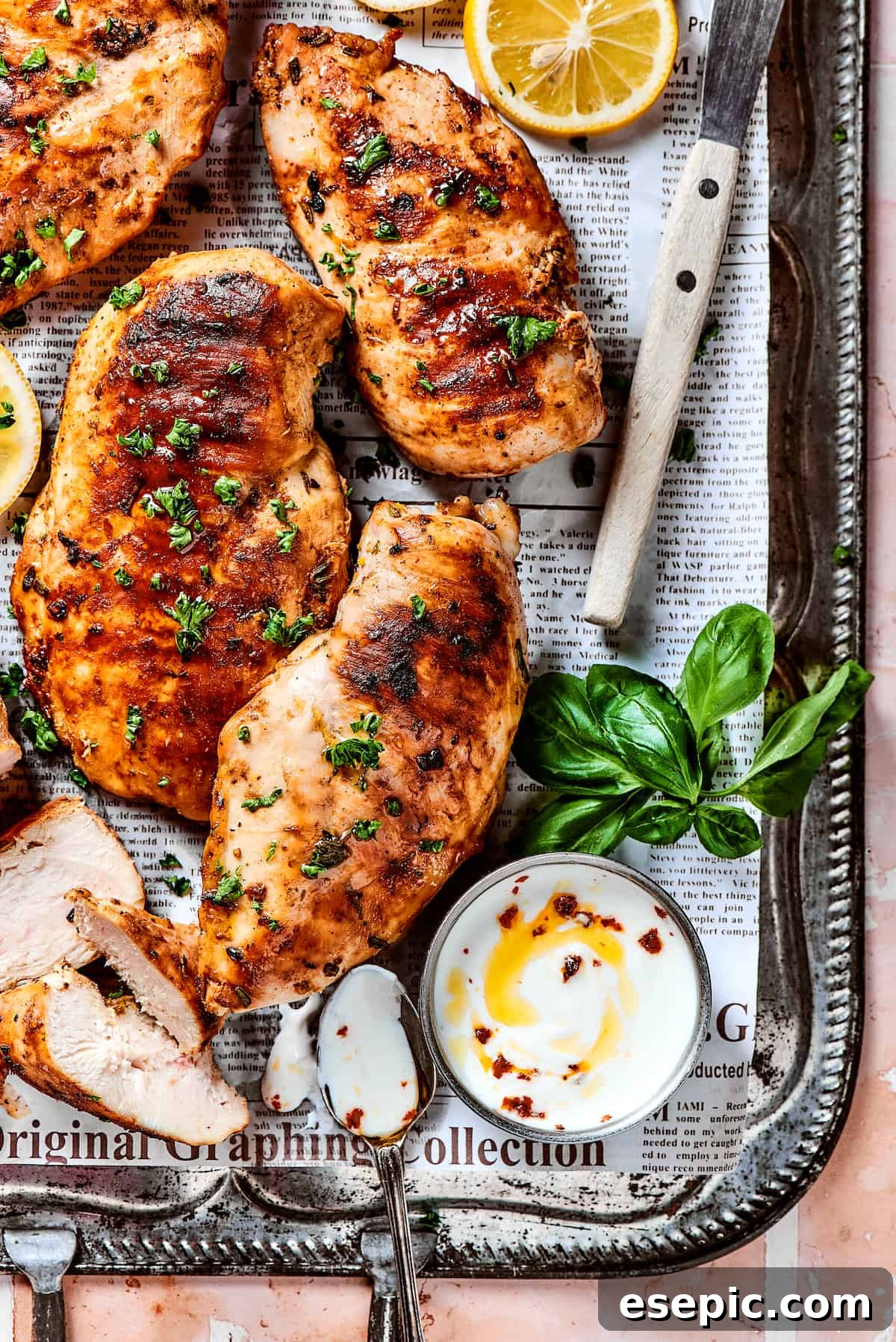
- Serve and Savor! Slice the rested lemon chicken against the grain into desired portions. Serve immediately with your favorite complementing side dishes, such as roasted vegetables, fluffy rice, or a fresh salad. Garnish with a sprinkle of fresh parsley and a slice of lemon for an inviting presentation.

Achieving Perfectly Juicy Chicken Breast Every Time
Cooking chicken breast without drying it out is a culinary art, but it doesn’t have to be complicated. This lemon chicken recipe is specifically designed to produce incredibly juicy results, thanks to the strategic application of three essential techniques. Mastering these will ensure your chicken is always tender, flavorful, and moist:
- The Power of Marinating: As discussed, marinating is more than just adding flavor. The acidic lemon juice tenderizes the chicken by gently breaking down muscle fibers, allowing the meat to retain more moisture during cooking. This pre-treatment is your first line of defense against dry chicken, infusing it with flavor and ensuring a succulent interior.
- Precise Cooking for Optimal Texture: The cooking method itself plays a crucial role. Searing the chicken at a medium-high heat for a relatively short duration creates a beautiful golden crust while locking in the juices. It’s about cooking it just enough to reach a safe internal temperature without overcooking, which is the primary culprit for dry chicken. A hot pan delivers that desirable sear quickly.
- The Essential Resting Period: This step is often overlooked but is absolutely critical for juicy chicken. Once cooked, removing the chicken from the heat and allowing it to rest for at least 5 minutes lets the internal temperature stabilize and, more importantly, gives the muscle fibers a chance to relax and reabsorb the juices that have migrated to the center of the meat during cooking. If you slice the chicken immediately, those precious juices will run out onto your cutting board, leaving you with drier meat. Resting ensures the juices redistribute throughout the chicken, resulting in a consistently moist and tender experience.
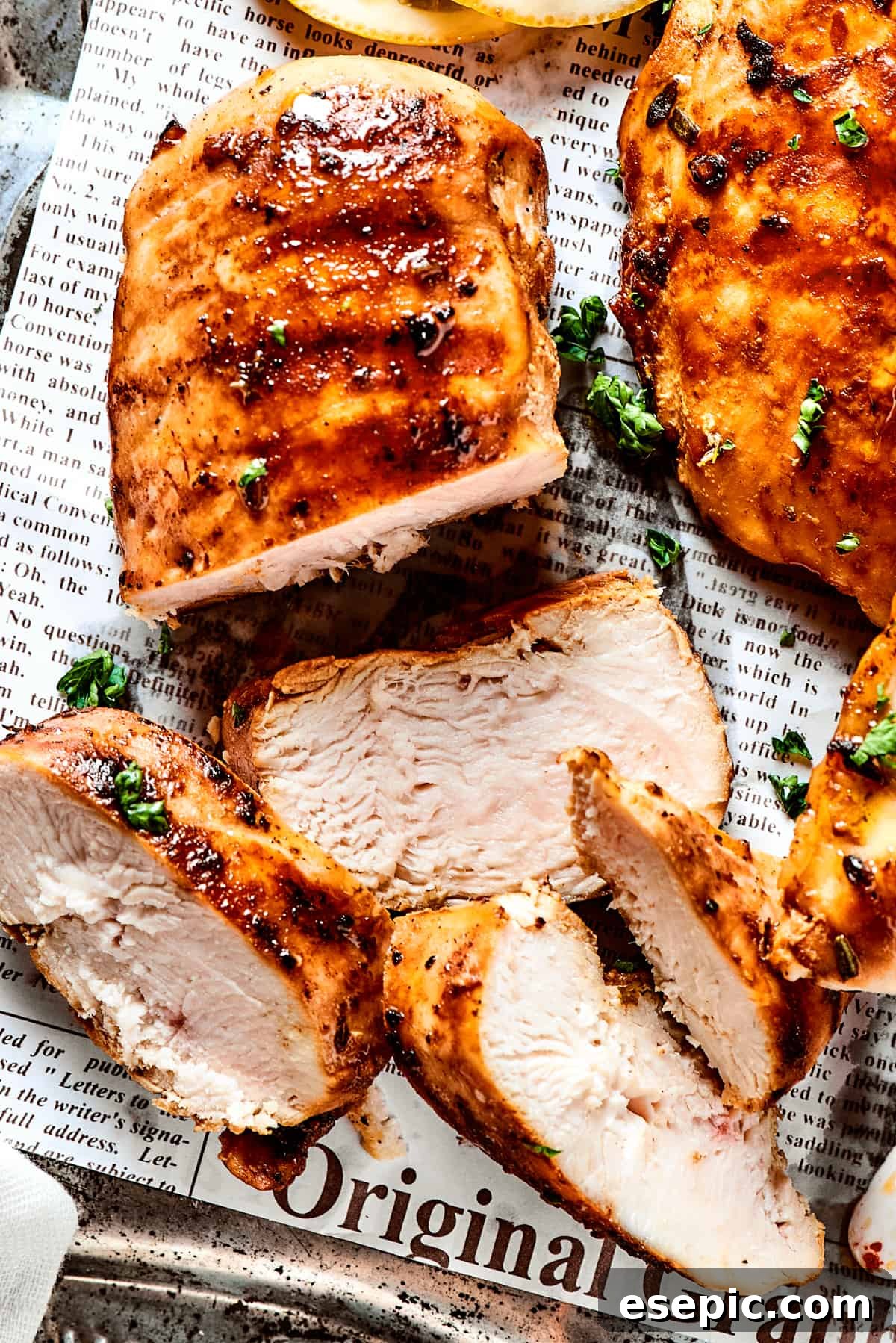
Expert Tips for Lemon Chicken Success
Creating truly outstanding lemon chicken is within your reach, especially with these insider tips to guide you. Read on to elevate your cooking skills and ensure every bite is perfection:
- Embrace Culinary Creativity: This recipe is a fantastic canvas for your personal touch. Feel free to customize the herbs—love rosemary but not a fan of thyme? Omit it! Want to try different citrus? Lime or orange juice can offer an interesting twist. If you prefer chicken thighs over breasts, go for it! Just remember that thighs are generally thicker and fattier, requiring a longer cooking time (often 8-10 minutes per side) and a higher internal temperature of 175°F (80°C). You can also experiment with other flavor additions to the marinade, such as a splash of white wine, finely diced shallots, a pinch of red pepper flakes for heat, or a touch of honey for sweetness.
- Master Temperature Control: The right pan temperature is paramount for perfectly cooked chicken. You need the skillet to be consistently at medium-high heat. If the pan is too cold, the chicken will cook slowly, losing moisture and drying out before it develops a golden crust. Conversely, if the pan is too hot, the exterior will burn before the interior is cooked through, or worse, leave it undercooked. Keep a watchful eye on the temperature; the chicken should sizzle immediately upon contact with the pan and develop a beautiful golden-brown sear, not appear pale or charred, after about 5-7 minutes per side.
- Avoid Overcrowding the Pan: This is a common mistake that can undermine your efforts for golden-brown, juicy chicken. When too many pieces of chicken are crammed into a pan, the temperature drops significantly, and instead of searing, the chicken will steam or simmer in its own juices. This prevents the formation of a desirable crust and can result in rubbery, bland meat. If necessary, cook the chicken in batches, ensuring each piece has ample space to make direct contact with the hot pan, allowing it to sear properly and develop that irresistible golden exterior.
- Utilize a Meat Thermometer: The only foolproof way to guarantee chicken that is both safe to eat and perfectly cooked is by using a reliable instant-read meat thermometer. Guessing can lead to dry, overcooked chicken or, even worse, dangerously undercooked meat. Chicken breasts should reach an internal temperature of 165°F (74°C) when measured in the thickest part of the meat. A thermometer takes the guesswork out of cooking, ensuring consistently delicious and safe results every time.
- Even Thickness is Key: For uniform cooking, especially with chicken breasts that often have varying thicknesses, consider pounding the thicker parts with a meat mallet (or a heavy rolling pin) between two sheets of plastic wrap. Aim for an even thickness of about ¾ inch. This simple step ensures that the entire breast cooks at the same rate, preventing thinner edges from drying out while the thicker parts finish cooking.
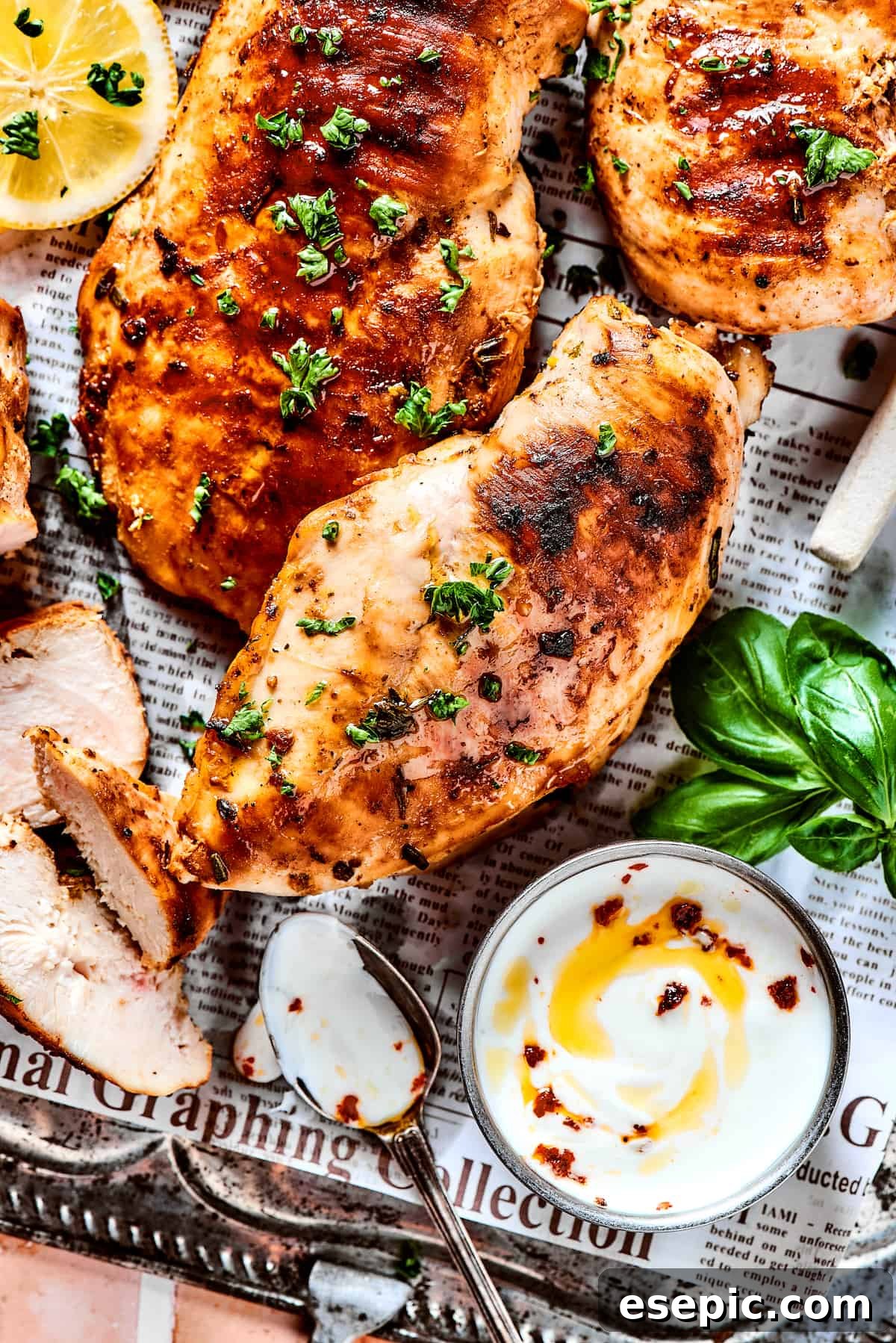
Savory Side Dish Suggestions to Complement Your Lemon Chicken
To truly complete your meal, a well-chosen side dish (or two!) can make all the difference. The bright, savory flavors of lemon chicken pair wonderfully with a variety of accompaniments. Here are some easy and delicious recipes that would be just perfect:
- Roasted Brussels Sprouts: For a healthy and incredibly flavorful green vegetable, Roasted Brussels Sprouts are an excellent choice. Their slightly nutty, caramelized flavor stands up beautifully to the zesty chicken. Once you try them, they’ll likely become a regular on your menu rotation!
- Creamy Potato Gnocchi or Gnocchi Alla Romana: The delicate, pillowy texture of potato gnocchi, tossed simply with a bit of butter and perhaps some fresh herbs, would provide a comforting starchy counterpoint. Don’t overlook the rich and cheesy delight of semolina gnocchi either; Classic Gnocchi Alla Romana offers a buttery, comforting experience that pairs exquisitely with the tangy lemon chicken, creating a balanced and satisfying plate.
- Easy Garlic Knots: For those who love a cozy carb addition, these Easy Garlic Knots are made from convenient refrigerated dough, making them quick to prepare. Their savory garlic and herb flavor offers a delightful textural contrast and is perfect for soaking up any extra marinade or pan juices.
- Fluffy Basmati or Jasmine Rice: A simple bed of perfectly cooked white rice, such as Basmati or Jasmine, acts as an ideal neutral canvas, allowing the bright flavors of the lemon chicken to truly shine. It’s easy to prepare and universally loved.
- Asparagus with Parmesan: Lightly steamed or roasted asparagus, perhaps drizzled with a touch of olive oil and a sprinkle of grated Parmesan cheese, offers a fresh, slightly earthy crunch that complements the chicken without overpowering it.
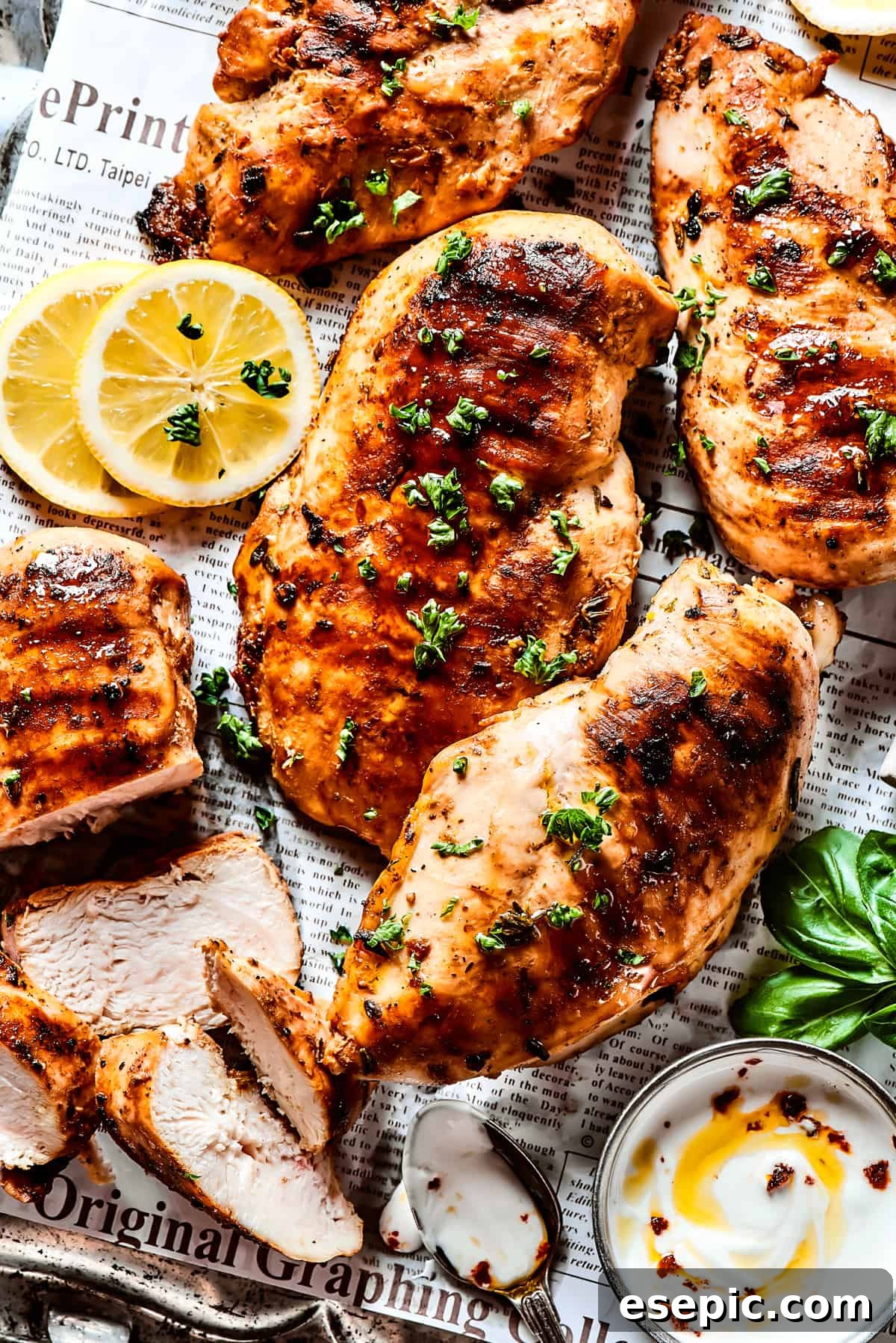
Storing and Reheating Your Lemon Chicken
Enjoying your delicious lemon chicken for days to come is easy with proper storage and reheating techniques:
- Refrigeration: To keep your lemon chicken fresh and flavorful, allow it to cool completely to room temperature (within 2 hours of cooking). Then, transfer the chicken to an airtight container or a heavy-duty food storage bag. Stored this way, it will remain fresh in your refrigerator for 3 to 4 days.
- Reheating for Best Results: To reheat, place the chicken in a covered skillet over low heat. This gentle reheating method helps retain moisture. Cook just until the chicken is warmed through. If the chicken appears a bit dry, add a tiny splash of water or a drizzle of olive oil to the pan while it heats; the steam from the water or the oil will help rehydrate and keep the chicken tender. Avoid high heat or prolonged reheating, as this can dry out the chicken.
Can I Freeze Lemon Chicken for Future Meals?
- Absolutely, you can freeze lemon chicken! This makes it an excellent option for meal prepping and having delicious, healthy meals ready to go.
- Freezing Instructions: First, ensure the cooked chicken is completely cooled to room temperature. Once cool, place the chicken breasts in a freezer-safe airtight container or a heavy-duty freezer bag. To prevent freezer burn, you can wrap individual pieces in plastic wrap before placing them in the container or bag. Label the container with the date. Your lemon chicken will keep well in the freezer for up to 3 months.
- Thawing and Reheating: When you’re ready to enjoy, transfer the frozen chicken to the refrigerator and allow it to thaw overnight. Once thawed, reheat it using the covered skillet method described above, adding a touch of water or oil if needed to maintain moisture.

Lemon Chicken Breasts Recipe
by Katerina | Easy Weeknight Recipes
Fresh, flavorful lemon-marinated chicken breasts are pan-seared to tender, juicy perfection, and they are delicious! Garlic, pepper, lemon, fresh herbs, and chicken are tied together to make the perfect flavor combo.
Prep Time: 10 minutes
Cook Time: 20 minutes
Marinating Time: 30 minutes
Total Time: 1 hour
Servings: 6
Ingredients
- 4 tablespoons lemon juice
- 3 tablespoons olive oil
- 3 cloves garlic, minced
- 2 teaspoons chopped fresh rosemary leaves
- 2 teaspoons chopped fresh thyme
- 2 teaspoons chopped fresh parsley
- ½ tablespoon salt to taste
- 1 teaspoon fresh ground black pepper
- 2 pounds boneless skinless chicken breasts
- 4 tablespoons vegetable oil, divided
- 2 tablespoons butter, divided
Instructions
- In a small mixing bowl, whisk together the lemon juice, olive oil, minced garlic, chopped rosemary, thyme, parsley, salt, and black pepper.
- Place the chicken breasts in a large ziplock bag and pour the marinade over the chicken. Seal the bag tightly and shake it gently to evenly coat the chicken with the marinade.
- Marinate the chicken in the fridge for at least 30 minutes, or up to 2 hours.
- Heat 2 tablespoons of vegetable oil in a large skillet over medium-high heat. Once hot, add a couple of chicken breasts to the skillet (don’t crowd the skillet) and cook for 5 to 6 minutes. Flip the chicken breasts over, add 1 tablespoon of butter, swirl butter around, and continue to cook the chicken for 7 more minutes, or until internal temperature reaches 165˚F. Cooking time will always depend on the thickness of the chicken breasts. Remove the chicken breasts from the skillet and repeat the cooking process with the remaining chicken breasts. Add more oil and/or butter if needed.
- Let the chicken breasts rest for 5 minutes before cutting.
- Garnish with fresh chopped parsley and a slice of lemon.
- Serve the lemon chicken with your favorite sides, such as roasted vegetables or rice.
Equipment
- Large Skillet
- Instant Read Meat Thermometer
- Tongs
- Cutting Board
Notes
- Chicken: This recipe is for boneless skinless chicken breasts. You can use chicken thighs, too, but you’ll have to increase the cooking time.
- Fresh herbs: You can use any combination of fresh or dried herbs that you like. Tip: 2 teaspoons of fresh herbs is equivalent to 1/4 teaspoon dried.
- Cooking Oil: I suggest using vegetable oil for cooking the chicken because it has a high smoke point. If you can, try to avoid using olive oil for high-heat searing.
- Don’t Crowd the Pan: Cook the chicken in batches so that the chicken has room to sizzle and doesn’t end up steaming or simmering in its juices.
- Thermometer: The only way to tell if the chicken is cooked through and cooked to an ideal temperature is by using an Instant Read Meat Thermometer. Chicken breasts are cooked through when the internal temperature registers at 165°F (74°C).
- Store leftovers in an airtight container and refrigerate them for 3 to 4 days. Reheat in a covered skillet over low heat just until the chicken is warmed through.
- If you’d like to freeze the chicken breasts, cool them to about room temperature first. Then place the chicken in a freezer container or freezer bag, mark it with the date, and store in your freezer for up to 3 months.
Nutrition
Calories: 274kcal | Carbohydrates: 2g | Protein: 32g | Fat: 15g | Saturated Fat: 4g | Polyunsaturated Fat: 1g | Monounsaturated Fat: 7g | Trans Fat: 0.2g | Cholesterol: 107mg | Sodium: 788mg | Potassium: 586mg | Fiber: 0.2g | Sugar: 0.3g | Vitamin A: 197IU | Vitamin C: 7mg | Calcium: 17mg | Iron: 1mg
Nutritional info is an estimate and provided as courtesy. Values may vary according to the ingredients and tools used. Please use your preferred nutritional calculator for more detailed info.
Beyond the Recipe: More Easy Chicken Dinner Ideas
If you’ve loved this lemon chicken, you’re in for a treat! The versatility of chicken makes it a staple in countless delicious and easy dinner recipes. Here are a few more fantastic chicken ideas to inspire your next meal:
- Air Fryer Chicken Tempura
- Sweet and Sour Chicken
- Chicken Salad with Grapes