
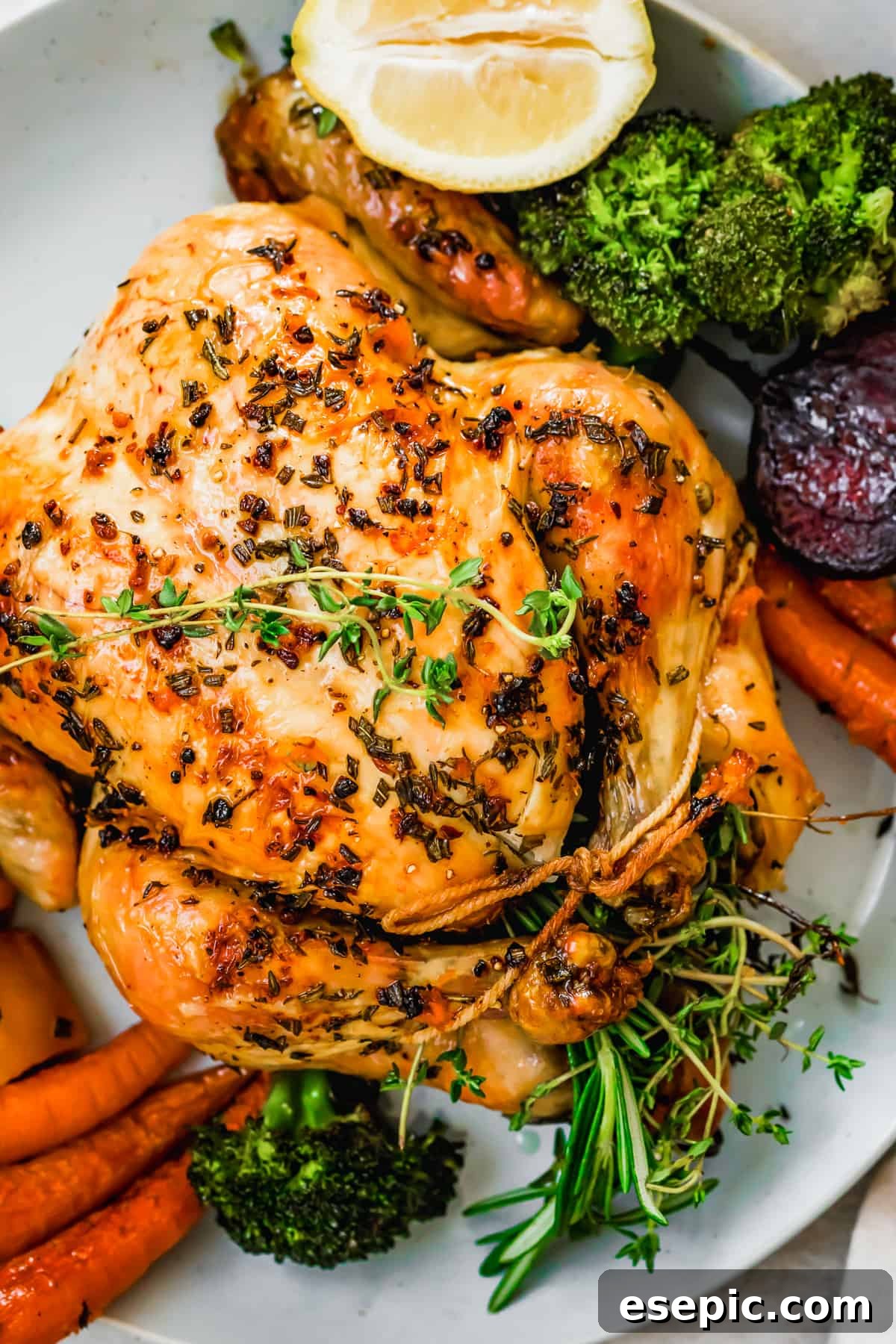
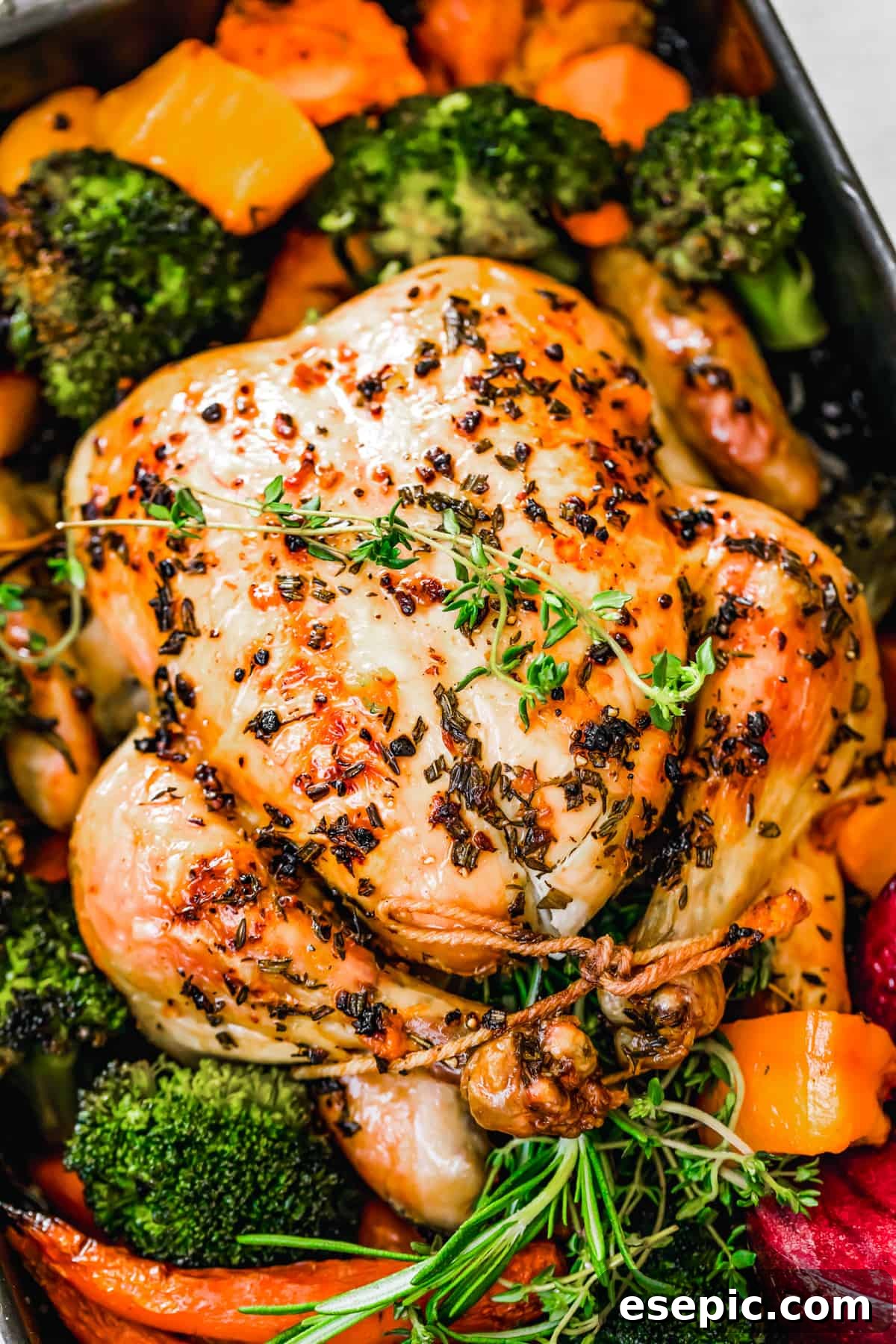
Indulge in the heartwarming embrace of this Juicy Whole Roast Chicken with Fall Vegetables, a culinary masterpiece that promises both nourishment and visual delight. Generously rubbed with aromatic olive oil, infused with the earthy notes of rosemary and thyme, and surrounded by a vibrant medley of seasonal vegetables, this dish elevates classic comfort food to its most exquisite form. It’s more than just a meal; it’s an experience, a celebration of autumn’s bounty, and a perfect centerpiece for any gathering, big or small.
The Timeless Appeal of Roasting a Whole Chicken
There’s a unique satisfaction that comes with roasting a whole chicken – a process that can feel almost meditative. The simple act of preparing, seasoning, and slowly roasting a bird to golden perfection is deeply soothing and brings a sense of calm to the kitchen. This time-honored cooking method has been cherished for generations, and for good reason. It’s not just about the incredible aroma that fills your home; it’s about creating a truly satisfying and memorable meal that speaks to the soul. Our simple yet incredibly flavorful recipe makes achieving that perfect, succulent roast chicken easier than ever, allowing you to enjoy this classic dish without any fuss.
Why This Recipe Will Become Your Go-To for Roast Chicken
What makes this particular roast chicken recipe stand out? It’s the harmonious blend of simplicity and spectacular results. Utilizing just a handful of carefully selected ingredients and a straightforward cooking technique, this recipe consistently delivers an absolutely amazing meal. Every component complements the other flawlessly, culminating in a beautiful symphony of autumn and winter colors, inviting textures, and rich, comforting flavors. Most importantly, our foolproof roasting method guarantees a juicy, tender chicken every single time, with skin that crisps to perfection. It’s a reliable recipe that eliminates guesswork, allowing you to confidently create a stunning dish that will impress your family and friends.
Essential Ingredients for a Flavorful Roast Chicken Dinner
The beauty of this recipe lies in its reliance on fresh, high-quality ingredients that bring out the best in each other. Here’s what you’ll need to create this comforting feast:
For the Succulent Roast Chicken:
- One Whole Chicken: Typically, a chicken weighing between 3 and 3 ½ pounds is ideal for this recipe, ensuring even cooking and generous servings. If you opt for a larger chicken, remember that your cooking times will need to be adjusted accordingly to ensure it’s thoroughly cooked.
- Lemon: Half of a fresh lemon, cut into quarters, is essential. The lemon quarters placed inside the cavity infuse the chicken with a bright, citrusy aroma and keep the meat incredibly moist.
- Thyme and Rosemary: You’ll need two sprigs of each fresh herb for stuffing the cavity, along with ½ a teaspoon of finely chopped fresh thyme and ½ a teaspoon of finely chopped fresh rosemary for the exterior rub. These herbs are the backbone of the chicken’s aromatic profile.
- Fresh Garlic: Incorporate two whole cloves of fresh garlic into the chicken cavity for deep flavor, and one clove, minced, for the savory olive oil rub. Garlic is a non-negotiable for a truly delicious roast.
- Olive Oil: Approximately 3 tablespoons of good quality olive oil are needed. Extra-virgin olive oil is excellent for its rich flavor, but virgin or even light olive oil will also work beautifully to help crisp the skin and carry the herb flavors.
- Salt and Pepper: A generous seasoning of salt and freshly cracked black pepper is crucial for enhancing all the flavors and achieving that desirable crispy skin.
For the Vibrant Fall Vegetables:
- Seasonal Root Vegetables: Embrace the flavors of autumn with half a pound each of baby beets (halved), butternut squash (peeled and cubed), sweet potato (peeled and cubed), and baby carrots. These root vegetables roast beautifully, becoming tender and sweet.
- Broccoli Florets: Add half a pound of broccoli florets towards the end of the cooking process to ensure they are perfectly tender-crisp and maintain their vibrant green color.
- Onion: One medium onion, peeled and quartered, adds a sweet, savory depth to the roasted vegetables.
- Olive Oil: About 3 tablespoons of good olive oil are required to coat the vegetables, helping them caramelize and become deliciously tender.
- Lemon Juice: The other half of your lemon can be juiced and drizzled over the vegetables, adding a bright, acidic lift that beautifully complements their richness.
- Salt and Pepper: Season the vegetables generously with salt and freshly cracked black pepper to bring out their natural sweetness and ensure a balanced flavor.
- Rosemary: Three sprigs of fresh rosemary, scattered amongst the vegetables, will impart a subtle yet distinct herbaceous note that ties the entire dish together.
Step-by-Step Guide: How to Achieve the Perfect Roast Chicken
Follow these simple steps to prepare a mouth-watering whole roast chicken with tender, flavorful fall vegetables:
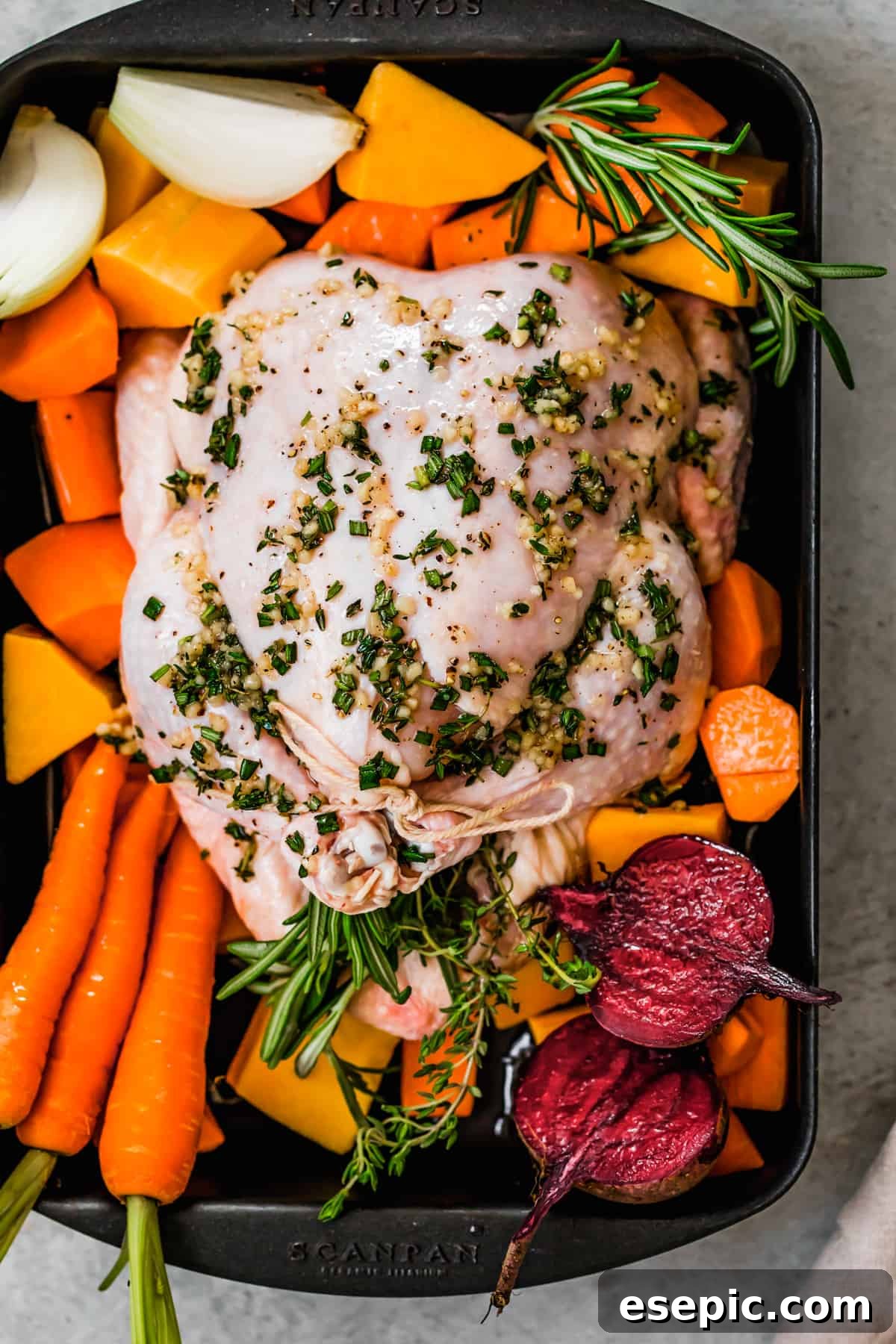
- Prepare the Chicken: Begin by preheating your oven to 450°F (230°C). This initial high heat is key for achieving that beautiful golden-brown skin and sealing in the juices. Thoroughly pat the entire chicken dry with paper towels. This crucial step helps in creating crispy skin. Carefully place the lemon quarters, thyme sprigs, rosemary sprigs, and whole garlic cloves deep inside the chicken cavity. Next, using kitchen twine, tie the chicken’s legs together. This helps the chicken cook more evenly and maintain its shape. Finally, tuck the wing tips underneath the chicken’s body to prevent them from burning during roasting.
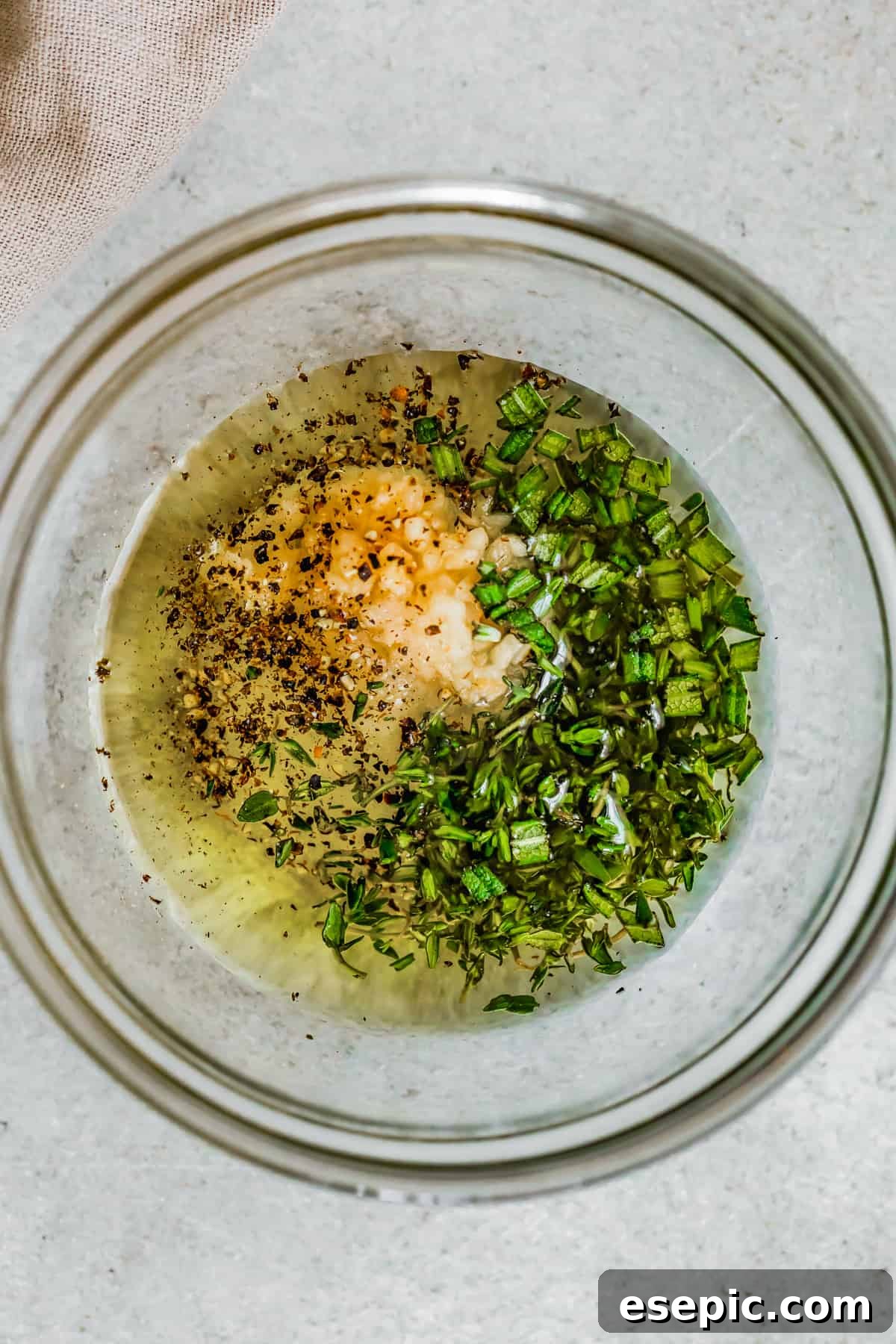
- Craft the Aromatic Rub: In a small bowl, combine 3 tablespoons of olive oil with ½ teaspoon of chopped fresh thyme, ½ teaspoon of chopped fresh rosemary, 1 minced garlic clove, ½ teaspoon of salt, and ¼ teaspoon of freshly cracked black pepper. Mix these ingredients thoroughly to create a fragrant, savory rub. Apply this olive oil mixture generously all over the chicken skin, ensuring every inch is coated. This rub not only flavors the skin but also helps it crisp up beautifully. Place your perfectly prepared chicken into a large roasting pan.
- Dress and Arrange the Vegetables: In a separate large mixing bowl, combine all the prepared vegetables, *excluding* the broccoli florets. The broccoli will be added later to prevent overcooking. Add 3 tablespoons of olive oil, the juice of half a lemon, ½ teaspoon of salt, and ½ teaspoon of freshly cracked black pepper to the vegetables. Toss everything together until the vegetables are well coated and evenly seasoned. Carefully arrange these seasoned vegetables in the roasting pan around the chicken. Scatter the remaining 3 sprigs of fresh rosemary over the vegetables for added aroma and flavor.
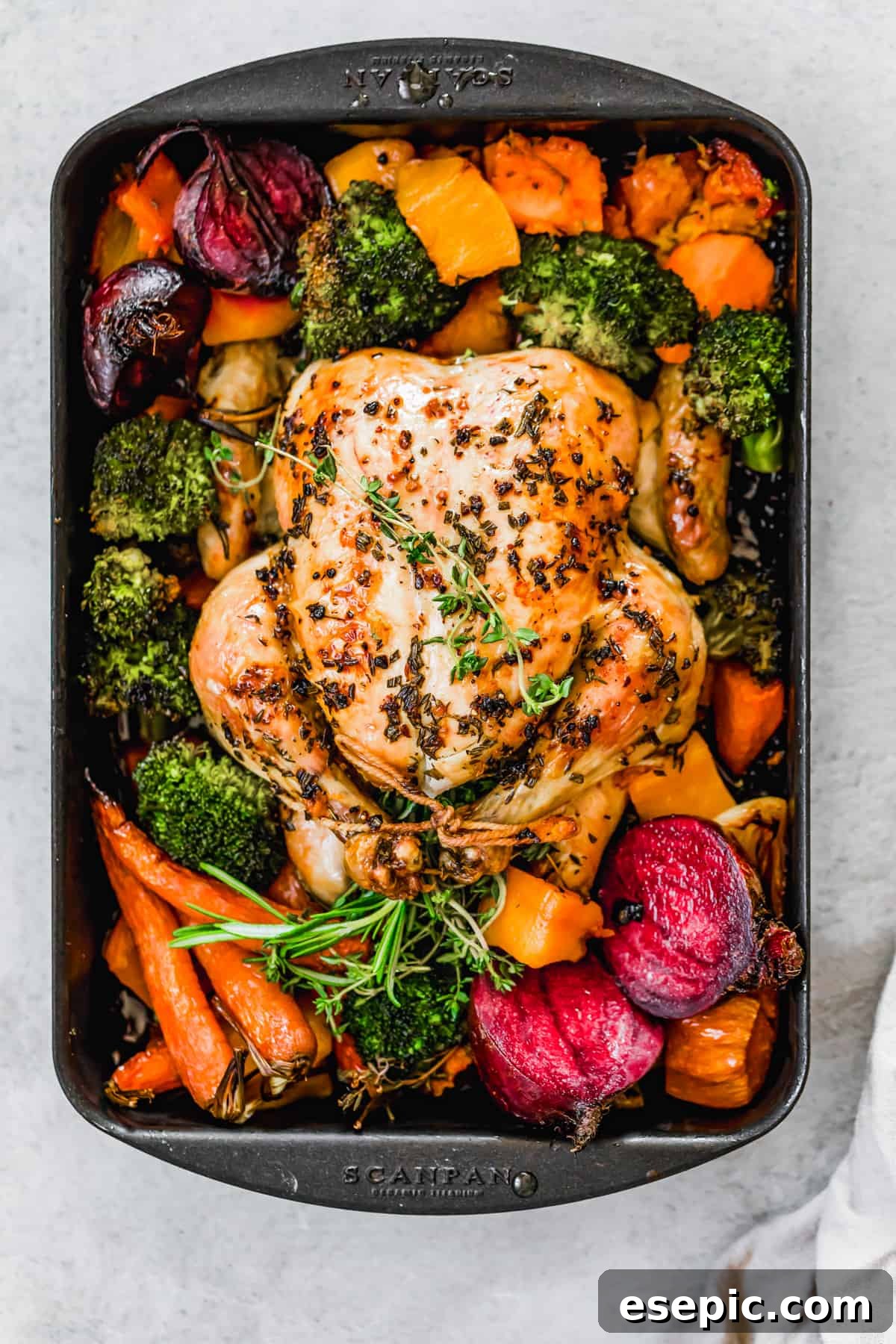
- The Roasting Process: Transfer the roasting pan to your preheated 450°F (230°C) oven. Roast for an initial 12 minutes. This high-heat burst helps to quickly brown the skin. After 12 minutes, reduce the oven temperature to 350°F (175°C) and continue roasting for approximately 45 more minutes. At this point, carefully remove the pan from the oven and add the broccoli florets, distributing them evenly among the other vegetables. Return the pan to the oven and roast for another 20 minutes, or until the chicken is beautifully golden brown, cooked through, and the vegetables are perfectly tender.
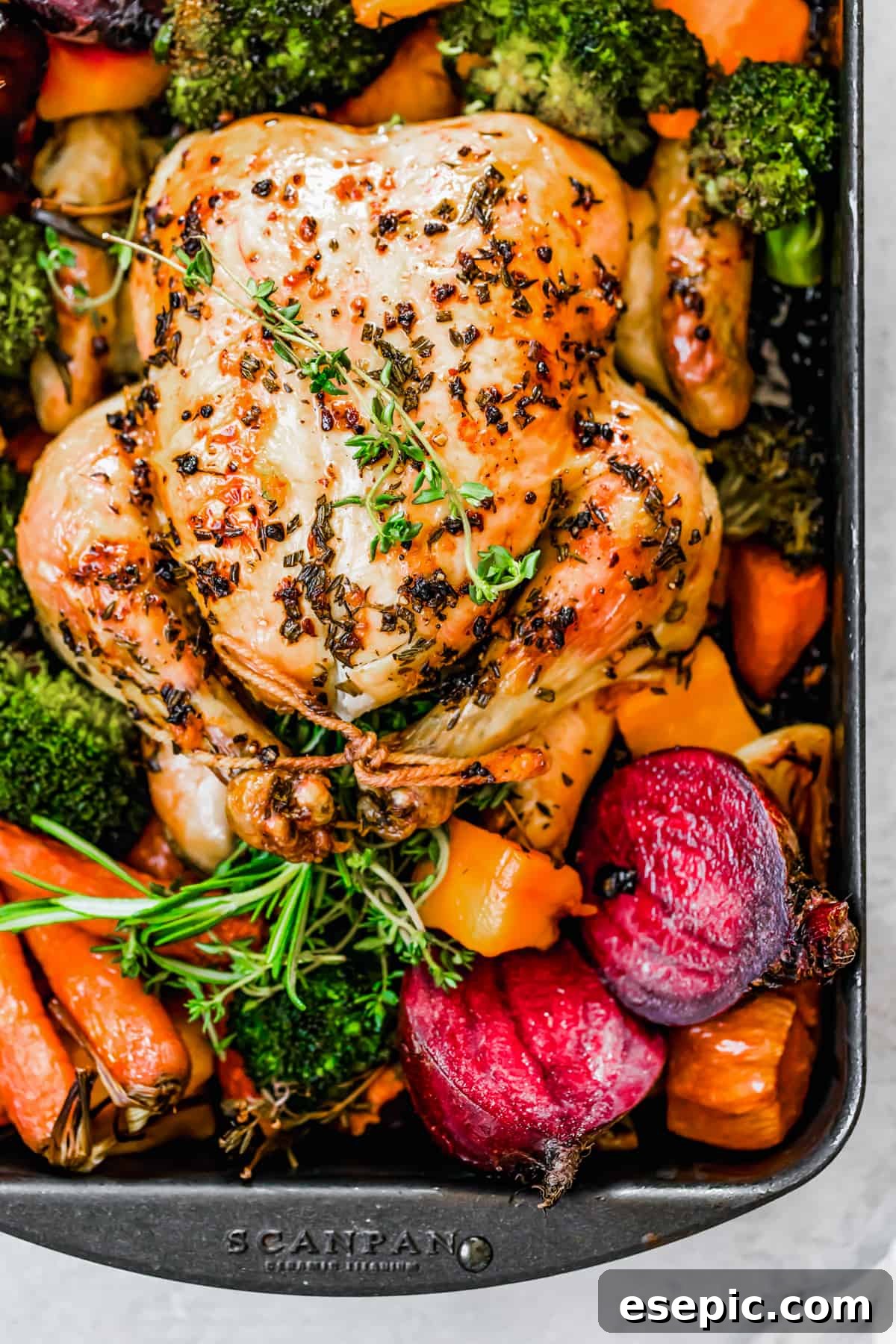
- Rest and Enjoy: Once cooked, remove the roasting pan from the oven. It is crucial to let the chicken rest for at least 10-15 minutes before carving. This resting period allows the juices to redistribute throughout the meat, ensuring a truly moist and flavorful chicken. Carve, serve with the tender roasted vegetables, and savor every delicious bite!
Mastering the Roasting Time: A Guide to Doneness for Your Whole Chicken
Knowing how long to roast a whole chicken is key to achieving that perfect balance of juicy meat and crispy skin. Our method is designed for optimal results: start with 12 minutes at a high temperature of 450°F (230°C). This initial blast of heat helps to sear the skin and develop a rich, golden color. After this initial period, reduce the oven temperature to 350°F (175°C) and continue roasting for approximately 20 minutes for every pound of chicken. For a 3-3.5 pound chicken, this would be roughly 60-70 minutes at the lower temperature, plus the 12 minutes at high heat, for a total of 72-82 minutes. This flexible guideline allows you to adjust your roasting time based on the size of your chicken, ensuring consistent results.
However, it is always paramount to confirm doneness using a reliable meat thermometer. Ovens can vary significantly in their true temperature, so relying solely on time can be risky. Insert the meat thermometer into the thickest part of the chicken thigh, being careful not to touch the bone, which can give a false reading. The chicken is safely cooked when its **internal temperature reaches 165°F (74°C)**. This ensures that your roast chicken is not only delicious but also safe to eat. Don’t rush this step; a properly cooked chicken is worth the extra few minutes of verification.
Expert Tips for an Unforgettable Whole Roast Chicken
Unlock the secrets to crafting the best whole roast chicken you’ve ever tasted with these essential tips and techniques. Understanding these methods will help you achieve perfect results every time.
Achieving that Golden Brown Finish
You may have noticed our two-stage roasting process: starting at a scorching 450°F (230°C) before dropping the heat to 350°F (175°C) for the remainder of the cook time. This isn’t a random choice; it’s a deliberate strategy. The initial high heat serves multiple purposes. First, it jump-starts the browning process, creating that desirable rich, golden crust on the chicken’s exterior. Second, it helps to quickly seal in the chicken’s natural juices, ensuring a more succulent and flavorful final product. Think of it like searing a steak before roasting – it locks in moisture and develops a deeper flavor profile and an appealing texture.
The Secret to Crispy Skin Every Time
One of the most anticipated elements of a truly great roast chicken is undoubtedly its gloriously crispy skin! To achieve this, it’s essential to cook the chicken uncovered for the majority of the roasting time, especially during the initial high-heat phase and the final 20 minutes. However, if you notice the chicken browning too quickly during the longer, lower-temperature roast, you can loosely “tent” it with aluminum foil. This means placing a piece of foil over the chicken without sealing it tightly, allowing some steam to escape while protecting the skin from scorching or drying out. Be sure to remove the foil for the last 20 minutes or so of cooking to ensure maximum crispiness. Patting the chicken dry thoroughly before seasoning is also a fundamental step for preventing a soggy skin.
The Importance of Resting Your Roast Chicken
After your chicken reaches the perfect internal temperature, it’s tempting to carve it immediately. However, resisting this urge is crucial for the juiciest results. Letting the chicken rest for 10-15 minutes (or even up to 20 minutes for a larger bird) allows the muscle fibers to relax and reabsorb the juices that have migrated to the center during cooking. If you cut into it too soon, those precious juices will simply run out, leaving you with dry meat. Cover it loosely with foil while it rests to keep it warm.
Trussing for Even Cooking and Presentation
Trussing, or tying up the chicken, is a simple technique that yields significant benefits. By tying the legs together and tucking the wings, you create a more compact, uniform shape. This helps the chicken cook more evenly, preventing the breast meat from drying out before the thighs are done. Additionally, a trussed chicken looks more attractive on the platter, making for a more impressive presentation.
Making the Most of Pan Juices
Don’t let the flavorful juices and drippings at the bottom of your roasting pan go to waste! These are liquid gold, perfect for making a simple pan gravy. After removing the chicken and vegetables, place the roasting pan on the stovetop over medium heat. Deglaze with a splash of chicken broth or white wine, scraping up any browned bits from the bottom. Thicken slightly with a cornstarch slurry if desired, then season to taste. This savory gravy is the ultimate accompaniment to your roast chicken and vegetables.
Customizing Your Roast: Variations for Every Palate
While our classic recipe is tried and true, feel free to experiment with different flavors and seasonal ingredients to suit your taste. For a Mediterranean twist, swap out rosemary and thyme for oregano and marjoram, and add cherry tomatoes and zucchini to the vegetables. In the summer, lighten things up with asparagus and bell peppers. A smoky paprika rub can add a different dimension, or a spicy kick with a touch of cayenne. Don’t be afraid to try different root vegetables like parsnips or rutabaga, or even different types of squash. The beauty of a whole roast chicken is its versatility, making it a perfect canvas for your culinary creativity.
Serving Suggestions: Completing Your Comfort Meal
This magnificent roast chicken with fall vegetables is a complete meal in itself, but a few thoughtful additions can elevate the dining experience even further:
- Apple Cider: The crisp, sweet-tart notes of apple cider beautifully complement the savory flavors of roast chicken. Whether you opt for a seasonal, non-alcoholic cider, a fizzy hard cider for the adults, or a warm, spiced Slow Cooker Apple Cider Punch, it’s an ideal beverage pairing.
- Homemade Bread: A freshly baked loaf of bread is always a welcome addition, perfect for soaking up those delicious pan juices. A quick and savory option like our Spinach and Feta No-Yeast Bread adds a delightful texture and flavor. You can even slice and toast it to make some killer garlic bread!
- Dessert: Apple Pie: You truly can’t go wrong with the classic combination of apples and chicken. To conclude this comforting menu on a high note, a hearty slice of Dutch Apple Slab Pie is absolutely divine. Its warm, spiced apple filling and crumbly topping provide the perfect sweet ending.
Storing & Reheating Leftovers: Enjoying Your Feast Again
Leftovers from this delicious roast chicken are a treat in themselves and can be enjoyed for days with proper storage and reheating:
- To Refrigerate: Once the chicken has cooled, remove any leftover meat from the bones. Store the deboned chicken, along with the roasted vegetables and any pan juices, in airtight containers. This ensures maximum freshness and prevents them from drying out. Leftovers will remain fresh and delicious in the refrigerator for up to 2 days.
- To Reheat: For best results, place your leftover chicken and vegetables in an ovenproof dish. Bake at 350°F (175°C) until thoroughly heated through. When reheating chicken pieces, make sure to arrange them skin-side-up to help retain some crispness. Be careful not to overcook, as this will dry out the chicken and compromise its tenderness. A quick reheat is all that’s needed to bring this comforting meal back to life.
Can I Freeze Extra Roast Chicken?
Yes, you certainly can! Freezing leftover roast chicken is a fantastic way to preserve it for quick and easy future meals, though there are a few considerations:
- To Freeze Chicken: After removing the meat from the bones, place the deboned chicken pieces, ideally with some of the flavorful pan juices, into freezer bags. Press out as much air as possible before sealing to prevent freezer burn (if there are significant pan juices, leave about 1 inch of headroom in the bag to allow for liquid expansion during freezing).
- To Freeze Vegetables: Freeze the roasted vegetables separately in their own freezer bags or airtight containers. While the flavors will remain intact, be aware that the texture of some vegetables, especially the softer ones, may change slightly after freezing and thawing, becoming a bit softer.
- Storage Duration: Properly stored, your leftover roast chicken and vegetables will keep well in the freezer for up to 1 month. When ready to use, thaw in the refrigerator overnight before reheating as directed above.
Roast Chicken with Fall Vegetables
Ingredients
For The Chicken
- 3 pound whole chicken
- 1/2 lemon, quartered
- 2 sprigs thyme
- 3 cloves garlic
- 2 sprigs rosemary
- 3 tablespoons olive oil
- 1/2 tablespoon chopped fresh thyme
- 1/2 tablespoon chopped fresh rosemary
- 1 clove garlic, minced
- 1/2 teaspoon salt
- 1/4 teaspoon cracked black pepper
For The Vegetables
- 3 baby beet roots, halved
- 1/2 pound butternut squash, peeled and cubed
- 1/2 pound baby carrots
- 1/2 pound sweet potato, peeled and cubed
- 1/2 pound broccoli florets
- 1 onion, quartered
- 2 tablespoons olive oil
- Juice of 1/2 a lemon
- 1/2 teaspoon salt
- 1/2 teaspoon cracked black pepper
- 3 sprigs rosemary
Instructions
- Preheat oven to 450˚F (230°C).
- Using paper towels, thoroughly pat dry the chicken.
- Place the lemon quarters, thyme sprigs, rosemary sprigs, and garlic cloves into the chicken cavity.
- Tie the legs together with kitchen twine and tuck the wings under the chicken.
- In a small bowl, combine the olive oil, chopped thyme, chopped rosemary, minced garlic, salt, and pepper.
- Rub the oil mixture generously all over the chicken skin to coat.
- Place the prepared chicken in a large roasting pan.
- In a large mixing bowl, place all the prepared vegetables except the broccoli florets.
- Add 2 tablespoons of olive oil, lemon juice, salt, and pepper to the vegetables, and mix until well combined.
- Arrange the seasoned vegetables in the roasting pan around the prepared chicken.
- Top the vegetables with the sprigs of rosemary and roast in the preheated oven for 12 minutes.
- Reduce the oven temperature to 350˚F (175°C) and continue to roast for an additional 45 minutes.
- Remove the pan from the oven, add the broccoli florets, and roast for a further 20 minutes, or until the chicken is golden, cooked through, and the vegetables are tender. Chicken is cooked through when its internal temperature registers at 165˚F (74°C) in the thickest part of the thigh, not touching bone.
- Remove from oven and let rest for 10-15 minutes before carving and serving.
Nutrition
Nutritional information is an estimate and provided as a courtesy. Values may vary according to the ingredients and tools used. Please use your preferred nutritional calculator for more detailed information.
There you have it – a magnificent, flavorful, and truly comforting whole roast chicken with seasonal fall vegetables that’s perfect for any occasion. This recipe brings together the best of simple techniques and fresh ingredients to create a meal that will be cherished and remembered. Enjoy the process, savor the aromas, and delight in the delicious outcome!